Why ITC Vegas Changes the Meeting-Space Decision
ITC Vegas gives exhibitors an alternative to keeping every serious discussion inside the exhibit. Its Expo environment includes a dedicated 1:1 Meeting Zone with meeting tables alongside exhibitor booths, demos, and lounges.
That makes in-booth meeting capacity a choice rather than a default requirement. Permanent booth space is most valuable for conversations that still need the live workflow, screen, product context, or immediate access to the booth team.

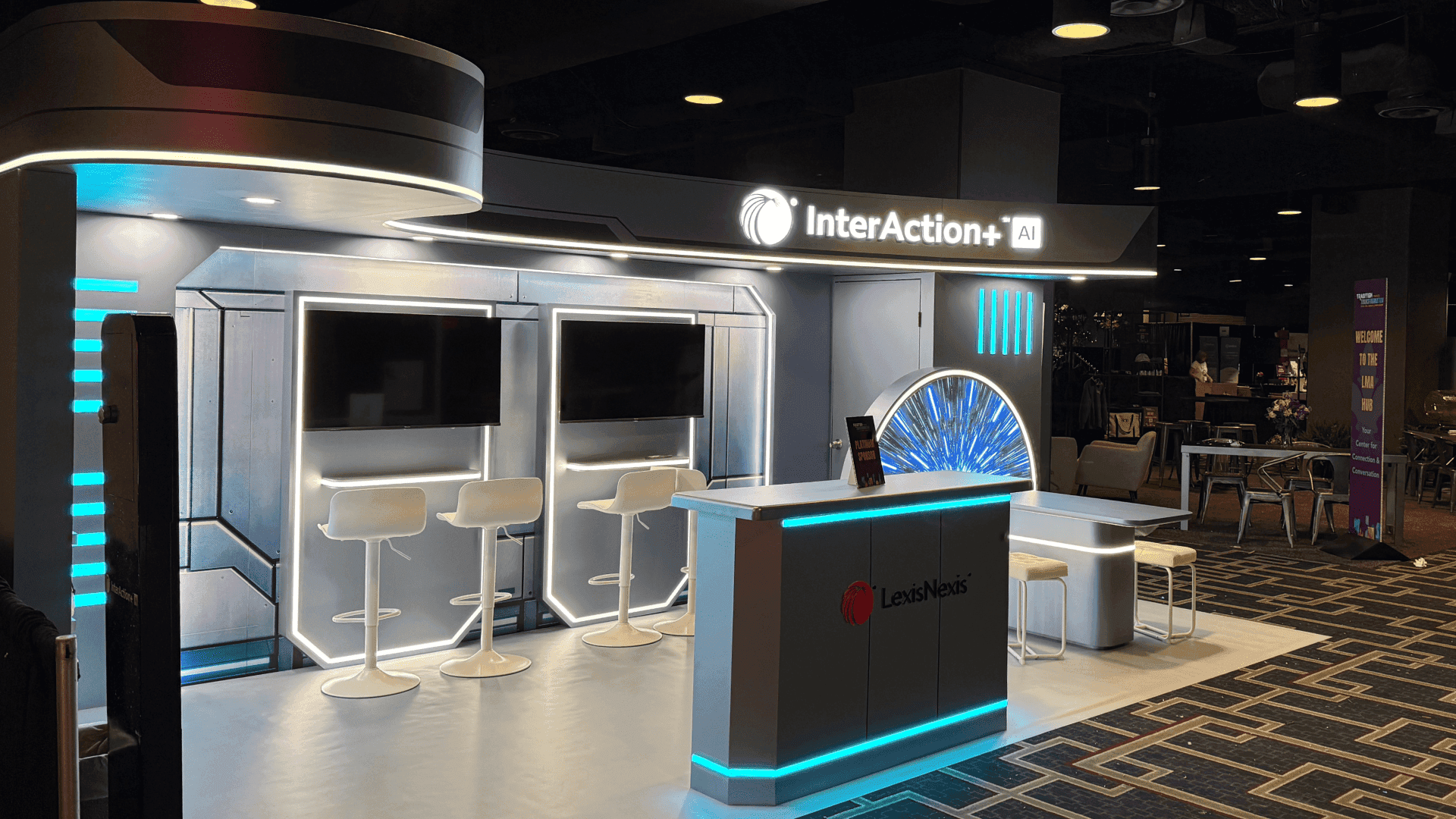
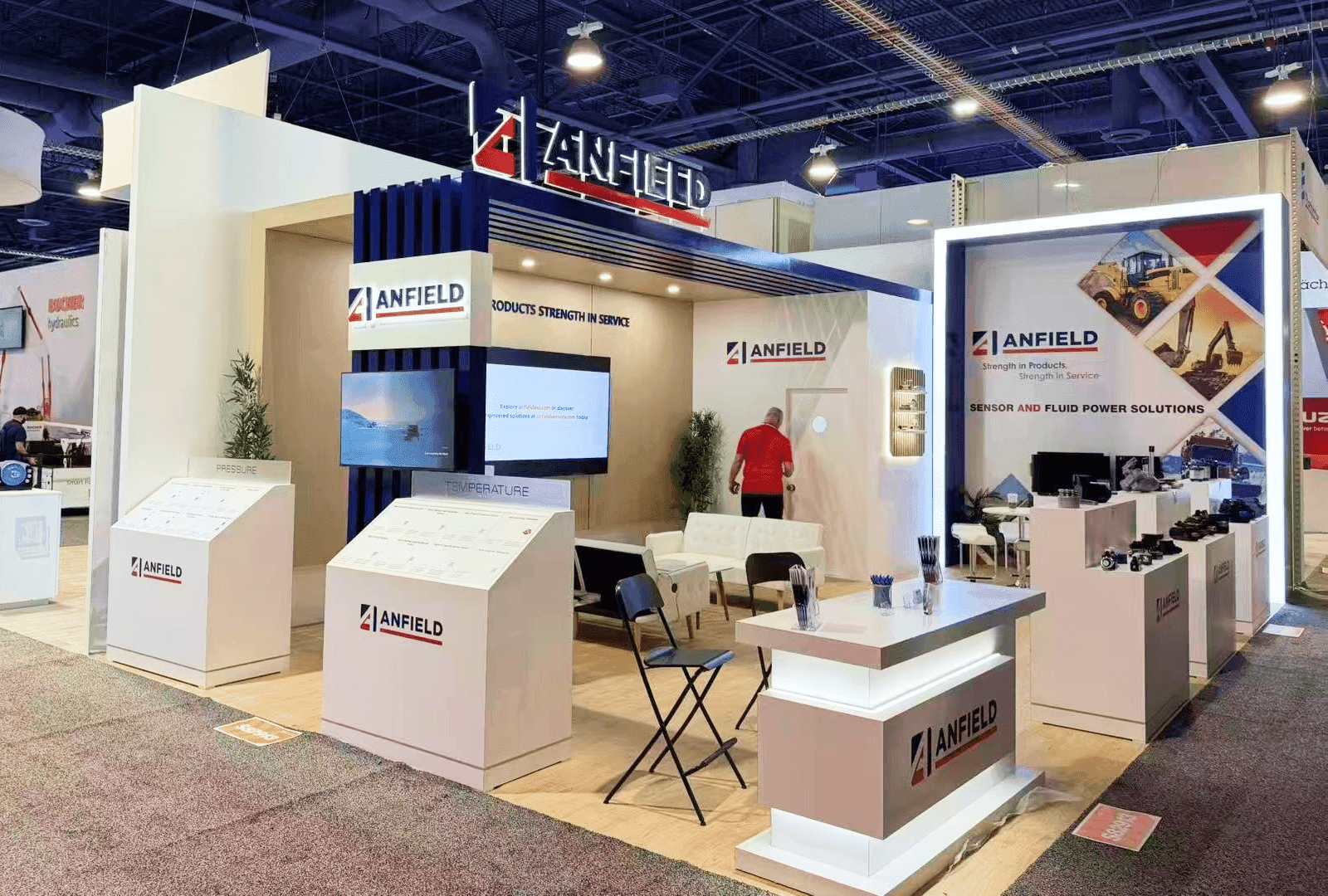
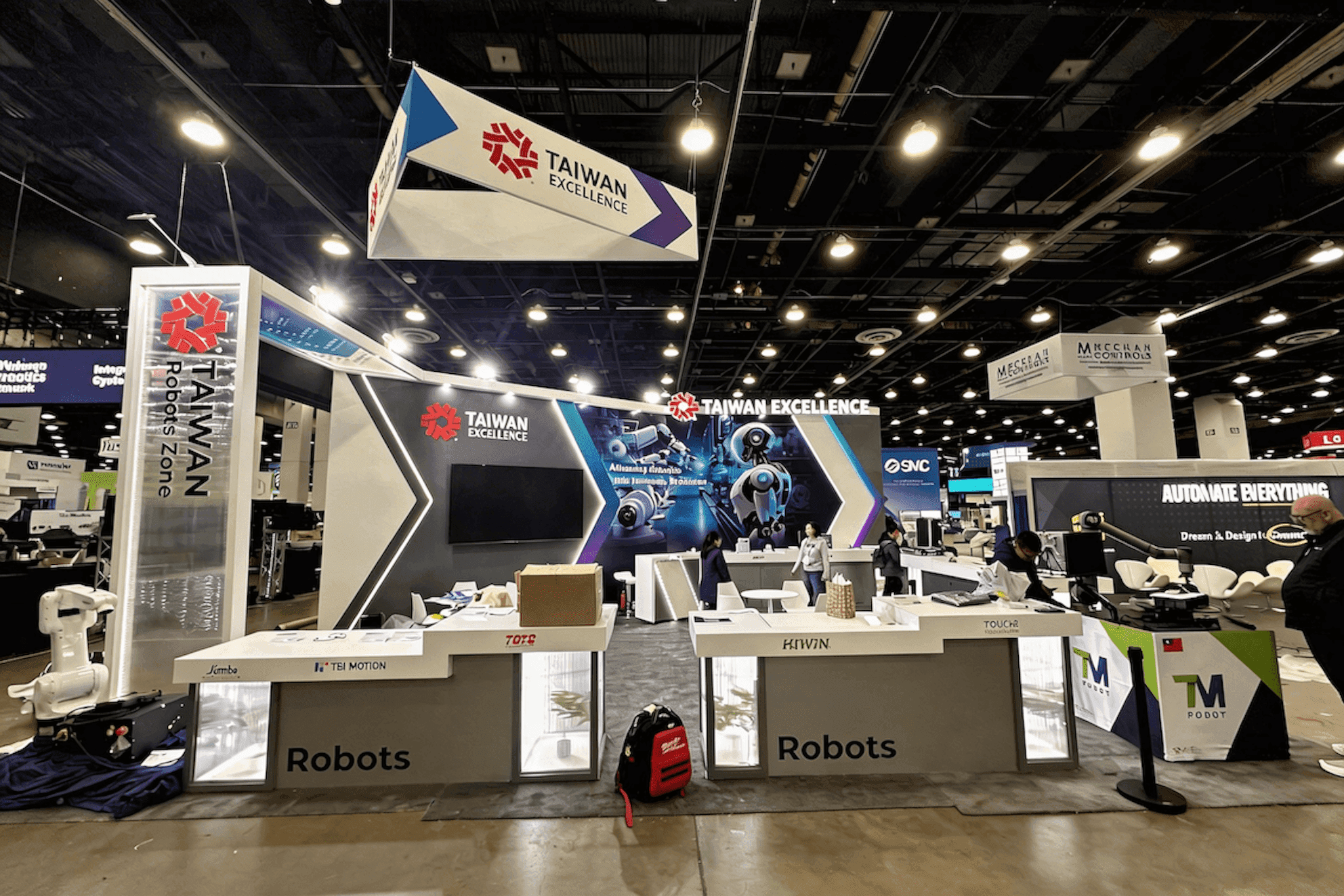
A demo-focused ITC Vegas booth can keep product questions and short buyer discussions close to the live workflow without giving too much floor space to meetings.
Which Buyer Conversations Actually Need to Stay in the Booth?
The booth only needs enough meeting capacity for conversations that depend on the booth itself.
If a buyer still needs the live demo, product screen, or immediate access to product staff, keeping the discussion nearby makes sense. Once the conversation becomes longer, more private, or less dependent on what is being shown, it becomes easier to continue elsewhere.
Usually Better Inside the Booth
First product questions
Short workflow discussions
Demo-linked technical questions
Quick buyer qualification
Short sales conversations
Questions that still depend on the live screen or workflow
These discussions benefit from staying close to the demo because the buyer can refer directly to what they just saw and get an immediate answer.
Often Able to Move Out
Longer discussions may not need permanent booth space once the buyer already understands the product.
Conversation | Usually Better | Why |
|---|---|---|
First product question | Inside Booth | Usually follows directly from the demo or screen |
Short workflow discussion | Inside Booth | Still depends on the product context |
Demo-linked technical question | Inside Booth | Easier to answer with the live workflow visible |
Quick qualification | Inside Booth | Short and closely tied to the first interaction |
Longer technical review | Depends | Keep it inside only when the live demo is still needed |
Procurement discussion | Usually Outside | Often becomes longer and less dependent on the demo |
Partnership meeting | Usually Outside | Usually benefits more from time and privacy than booth proximity |
Scheduled private conversation | Depends | Keep it inside only when privacy and booth context justify the footprint |
The useful rule is simple: keep conversations that need the booth close to the booth. Do not reserve permanent floor space for meetings that work just as well elsewhere.
When Is In-Booth Meeting Space Worth Giving Up Demo Capacity?
Meeting space earns its footprint when those conversations happen often enough—and depend on the booth enough—to justify what they displace.
That case becomes stronger when scheduled buyers regularly come to the exhibit, technical or commercial discussions still rely on the live workflow, product specialists need to join immediately, or privacy matters frequently. Commercial terms, implementation details, procurement, and sensitive partnership discussions can all make nearby meeting capacity more valuable.
The cost is the space those conversations take from demos, screens, circulation, staff movement, and storage. For a demo-heavy ITC exhibit, that trade-off matters.
If longer discussions are occasional, can be scheduled separately, and no longer depend on the demonstration, permanent meeting space may solve a problem the booth does not actually have.
When Can More of the Conversation Move to ITC’s Meeting Areas?
When the booth is compact, demo activity is high, and most first conversations are short, keeping every longer discussion beside the demo can create more cost than value.
Once a buyer has understood the workflow and the next discussion no longer needs the live screen or product team, that conversation can move to an ITC meeting area without keeping the booth occupied.
That leaves more room for demonstrations, walk-up buyers, circulation, and the next conversation that actually needs the exhibit.
The deciding question is not whether the meeting is important. It is whether the meeting still needs the booth around it.
When the Booth Should Start the Conversation, Not Finish It
Many ITC exhibitors do not need to choose between a demo booth and a meeting booth.
The booth can handle the part of the conversation that depends on the exhibit itself:
Recognition → Workflow Demo → First Question → Qualification → Short Discussion
Only the smaller group of buyers who need more time can continue into a longer technical, procurement, partnership, or scheduled discussion elsewhere.
This hybrid approach works well when most visitors need to see the product first but only some need an extended meeting. The booth stays active, while deeper discussions no longer occupy permanent demo space.
It is less useful when scheduled private meetings are already one of the main reasons for having the booth. In that case, meeting capacity may need to become a larger part of the footprint itself.

Longer technical, procurement, or partnership conversations can move away from the main demo area when they no longer depend on the live product presentation.
Does the Meeting Load Justify a Larger Booth?
Meeting demand should only push the booth larger when it creates a real capacity problem.
In a 10x20, the priority is usually the demo and the first buyer conversation. If deeper meetings can continue elsewhere, protecting demo space often matters more than adding seating.
When demos and short seated discussions genuinely need to run at the same time, 20x20 booth planning can help determine whether the footprint has enough capacity for both functions.
If longer meetings become a regular show-floor task while demonstrations still need to continue, 20x30 booth planning becomes worth evaluating.
The question is not whether a larger booth can hold more meetings. It is whether the meeting load is important enough to require the extra capacity.
Meeting Model Decision
Your ITC Booth Situation | Preferred Model | Keep Inside the Booth | Footprint Impact |
|---|---|---|---|
Private or technical meetings are frequent and still depend on the live demo | In-Booth First | Dedicated seated or private meeting capacity | May justify more booth space |
Demo volume is high and longer meetings no longer need the live workflow | ITC Meeting Areas First | Standing or short seated conversations | Protect demo space; a larger booth may not be needed |
Most buyers need a demo first, but only some need a longer discussion | Hybrid | Qualification and short discussions | Add space only if deeper meetings regularly stay in the booth |
If space is limited, protect the functions that cannot easily move elsewhere: the live demo, the first useful buyer conversation, and a clear path for the next visitor to enter.
FAQ
Does ITC Vegas provide meeting space outside exhibitor booths?
Yes. ITC Vegas provides meeting options outside individual exhibits, including its dedicated 1:1 Meeting Zone. Exhibitors should confirm which meeting options apply to their participation rather than assuming every meeting product is included with standard booth space.
Does a 20x20 ITC booth need a private meeting room?
Not automatically. A 20x20 booth may work better with demos and short conversations when deeper meetings can continue elsewhere. Private meeting capacity becomes more useful when longer or sensitive discussions happen frequently and still depend on the booth.
Should scheduled meetings make an ITC exhibitor choose a larger booth?
Only when enough of those meetings need to happen inside the exhibit. If most scheduled discussions can move away from the booth after the demo or first conversation, increasing the footprint only for meeting space may not be necessary.