Start With AFP’s Two Official Exhibit Paths
AFP 2026 gives exhibitors two official starting points: Turnkey Booth and Regular Booth Space. The difference matters because it determines how much of the physical exhibit is already defined before the exhibitor begins making layout and execution decisions.
Turnkey Booth
AFP’s 2026 Turnkey packages are offered in 10×10, 10×20, and 20×20 sizes. Current materials include elements such as a branded backwall, monitor, reception counter, furniture, carpet, basic electrical for the monitor, pre-show cleaning, and lead-retrieval licenses based on booth size.
Because much of the setup is already established, Turnkey can reduce coordination for teams with straightforward branding, screen, and conversation needs. Its limits become more noticeable when the program calls for additional technology, greater meeting separation, more storage, or a visitor flow that does not fit comfortably within the standard configuration.
Regular Booth Space
Regular Booth Space provides the floor space while leaving the exhibit environment to be developed separately. AFP lists regular configurations beyond the Turnkey range, including 10×30, 20×30, 20×40, 30×30, 30×40, 30×50, and 40×40, among other sizes.
That wider range gives exhibitors more control over structure, screens, meetings, storage, and circulation, but more of the exhibit also has to be planned and coordinated outside the official package.
AFP Path | What You Start With | Main Trade-Off |
|---|---|---|
Turnkey | Defined AFP booth package | Less coordination, less flexibility |
Regular Booth | Floor space + exhibitor-selected exhibit solution | More flexibility, more execution responsibility |
The decision therefore begins with a practical question: does the official package already support the way the booth needs to operate?
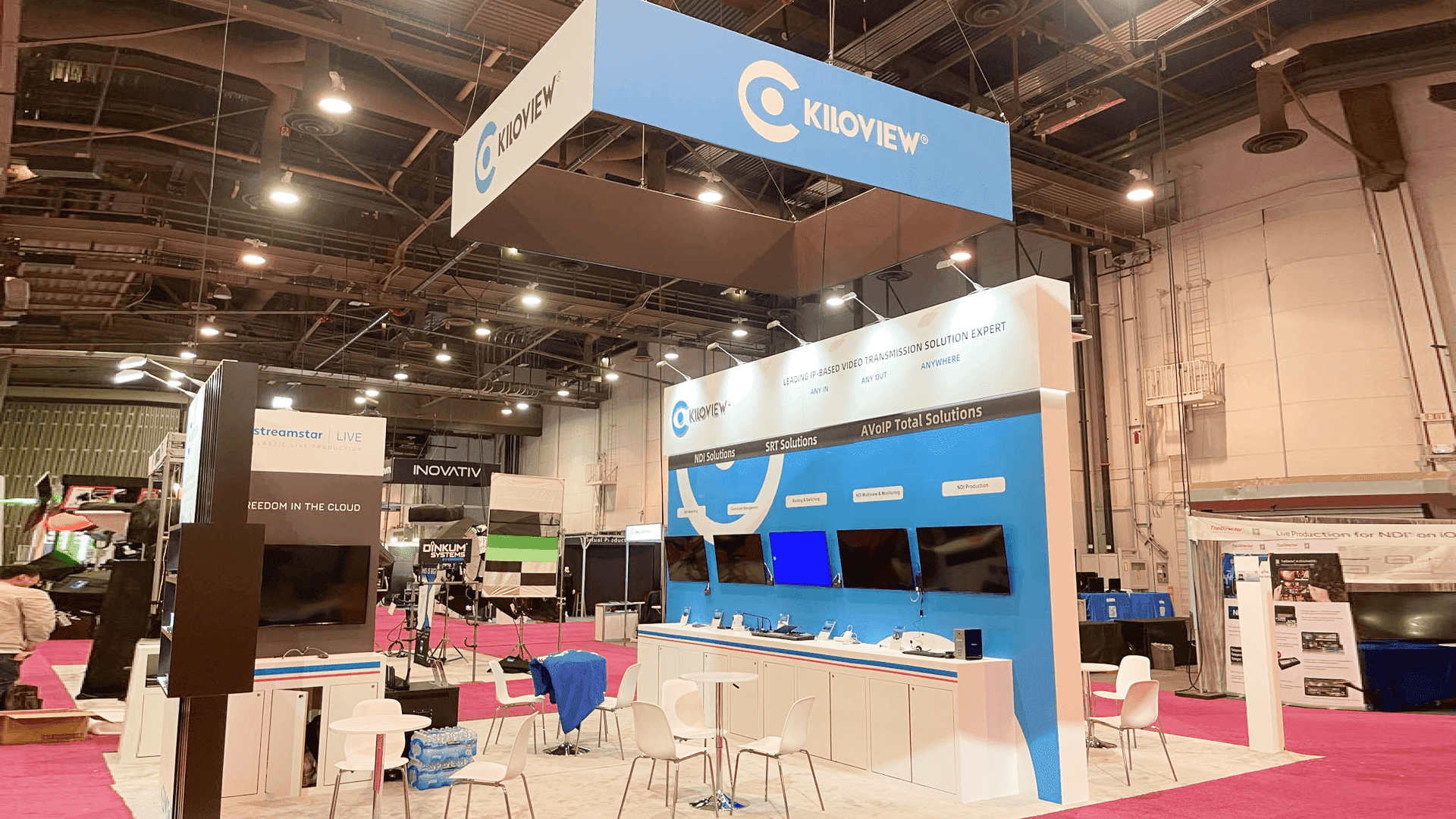
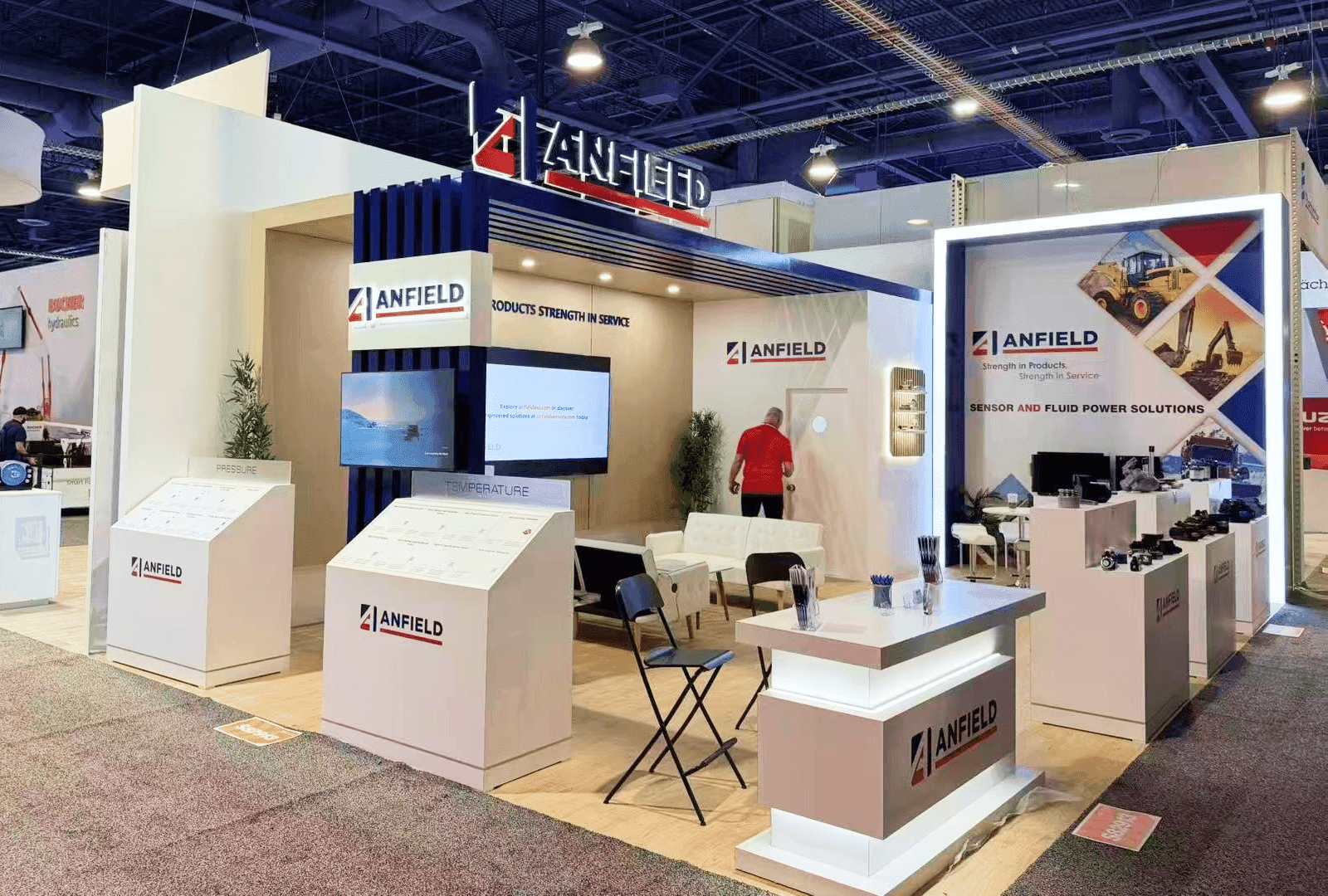
An AFP Turnkey booth can work well when the standard 20x20 package already supports the exhibitor’s screen, branding, and basic buyer conversations.
Is the AFP Turnkey Package Already Enough?
Turnkey remains a practical choice when the standard package already supports the buyer interaction the team wants to create. A 10×10, 10×20, or 20×20 can work well when the exhibit has one primary message, one main screen or demo, light meeting needs, and relatively simple storage.
Meeting and storage requirements are often where that fit begins to change. A short conversation beside the display is very different from a program that needs a separate consultation area or several discussions running at once. Likewise, literature and a few staff items are easy to accommodate, while hidden devices, charging, replenishment materials, backup demo equipment, or daily reset supplies begin to influence the floor plan.
The 20×20 deserves particular attention because it is the largest current AFP Turnkey footprint. If demos, meetings, and storage are already competing for space at that size, the more detailed trade-offs belong in 20x20 booth planning before the team commits to the official package.
When the standard footprint, screen position, branding, and conversation model already support the intended interaction, Turnkey is enough. More customization only adds value when it solves a real functional limitation.
What Actually Pushes an AFP Exhibitor Beyond Turnkey?
The reason to leave Turnkey is not simply a preference for a larger or more distinctive booth. Regular Booth Space becomes more appropriate when the standard package begins to restrict how the team needs to demonstrate, meet, store materials, or move visitors through the exhibit.
The Required Footprint Falls Outside the Turnkey Range
A program that needs a 10×30, 20×30, 30×30, 30×40, 40×40, or another footprint outside the current Turnkey sizes is already on the Regular Booth path.
A larger footprint usually reflects an operating requirement rather than size for its own sake: more demos, additional staff, greater meeting capacity, or better separation between simultaneous conversations.
The Demo Program Needs More Than a Simple Screen-Led Setup
One main screen and a guided presentation can fit comfortably within a standard package. Several demo stations, multiple product teams, a mix of large and smaller screens, specialist handoffs, or more integrated AV create a different operating model.
Treasury and payments exhibitors can reach that point quickly when several workflows or specialist conversations need to run at the same time. That complete interaction model belongs in AFP Treasury & Payments booth planning; here, it matters only because those requirements can make the official Turnkey package too restrictive.
Meetings Need Their Own Space
A counter or screen-side conversation may be enough for a brief discussion. The layout changes once an active demo has to stay open while another visitor moves into a quieter consultation area.
When meeting capacity begins to determine circulation, furniture placement, and staff positions, it is no longer an optional add-on. It has become part of how the booth needs to work.
Storage Starts Affecting Operations
Light storage is easy to absorb into a simple setup. Hidden devices, backup materials, charging equipment, replenishment stock, and demo-reset supplies are different because staff need regular access to them without interrupting the visitor path.
At that point, storage is an operating requirement rather than a back-of-house convenience.
Branding and Architecture Need More Control
A standard package can also become limiting when the physical environment has to do more than carry graphics. Integrated screens, custom counters, overhead branding, deliberate zoning, or a staged visitor path can make the structure part of the exhibit experience.
Regular Space becomes the better foundation when those functions cannot be handled cleanly within the predefined package.
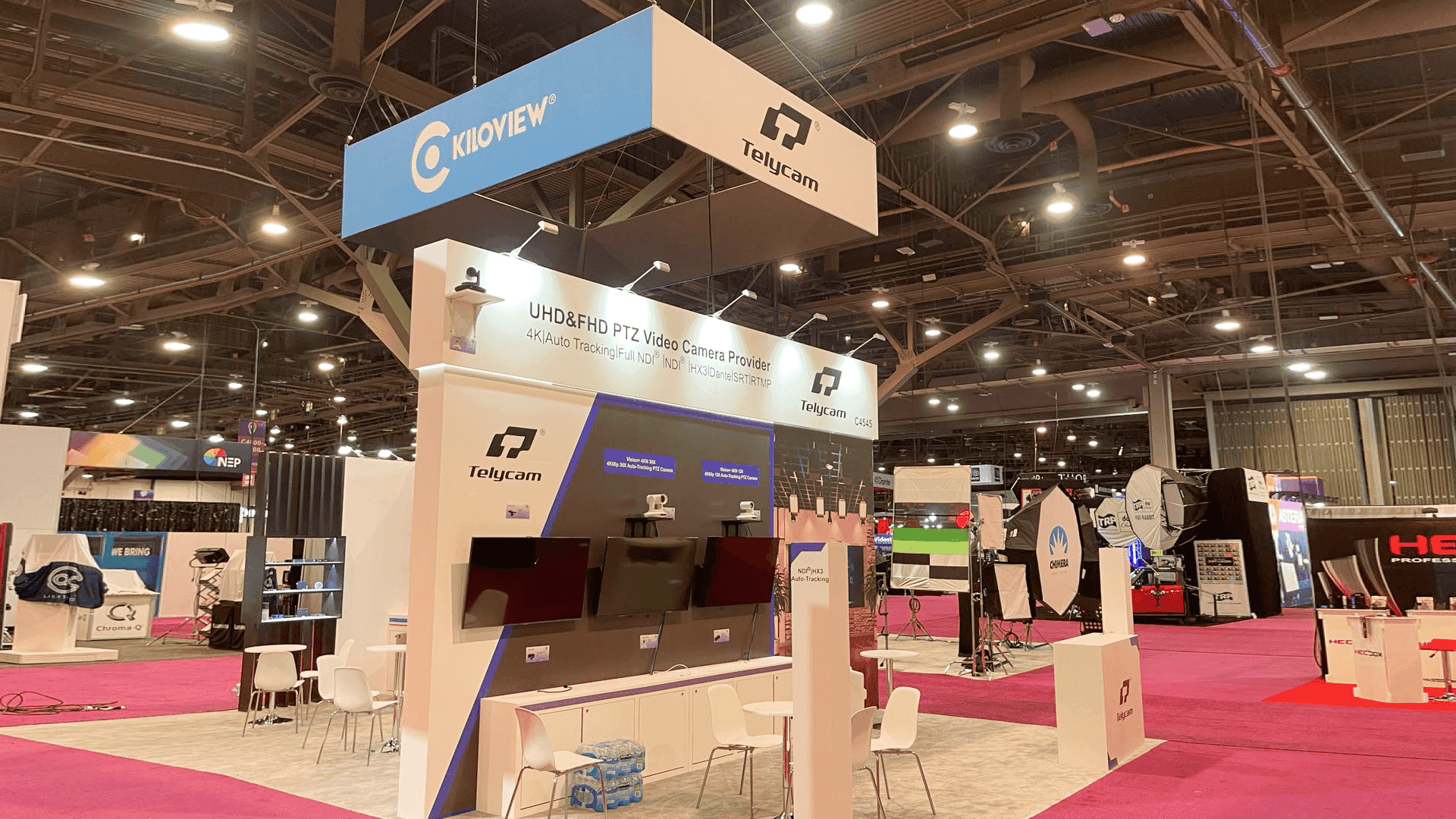
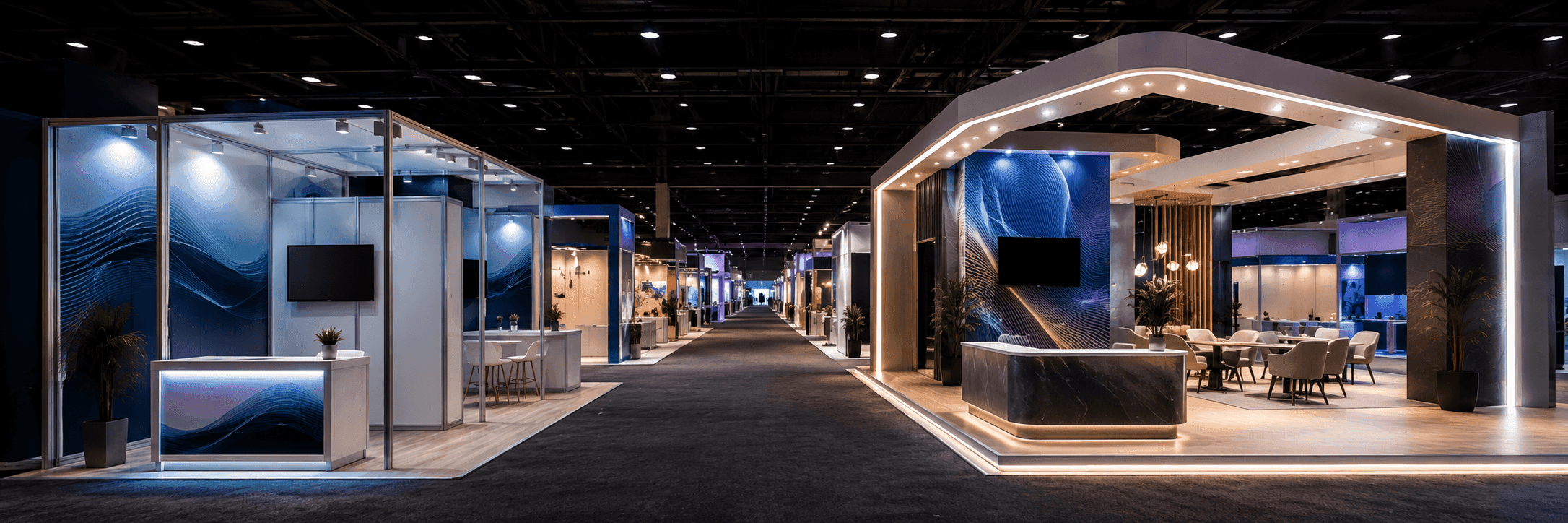
Regular Booth Space gives AFP exhibitors more control when multiple demos, meetings, storage, or technology requirements extend beyond the standard Turnkey package.
If You Choose Regular Space, Is Rental Enough or Do You Need Custom?
Choosing Regular Booth Space does not automatically mean choosing a custom booth. The question is whether a modular system can still perform all of the functions the program requires.
Regular + Rental
Regular Space can remain a rental project when modular walls, screens, counters, storage, meeting furniture, and flexible zoning are enough to make the booth work. A Las Vegas booth rental provides more control than AFP Turnkey without introducing custom construction that the program does not actually need.
This is often the practical middle ground for exhibitors that want more freedom over layout and branding while keeping the structure flexible enough to reuse or reconfigure.
Regular + Custom
The decision changes when the structure itself has to solve part of the exhibit problem. Integrated technology, several controlled demo zones, private meeting rooms, specialized storage, custom counters, overhead elements, or a visitor path shaped by architecture can all move the project beyond a standard modular system.
At that point, a Las Vegas booth builder is no longer simply providing a different visual treatment. The structure has to be engineered around the way the booth will operate.
Rental remains the stronger choice while standard systems can perform the required functions. Custom becomes justified when the architecture itself is one of those functions.
AFP Turnkey vs Regular + Rental vs Regular + Custom: Decision Matrix
The matrix below compares the three paths by booth function rather than perceived quality. AFP defines the official formats, Turnkey sizes, package inclusions, and show rules; the fit assessments are Circle Exhibit planning judgments.
AFP Requirement | AFP Turnkey | Regular + Rental | Regular + Custom |
|---|---|---|---|
Standard 10×10 / 10×20 program | Strong fit | Strong fit | Usually more than needed |
Standard 20×20 program | Strong fit | Strong fit | Depends on complexity |
Footprint outside current Turnkey sizes | Not an official Turnkey size | Strong fit | Strong fit |
One primary screen / simple demo | Strong fit | Strong fit | Usually more than needed |
Multiple demos or added AV | Limited without modifications | Strong fit | Strongest for complex integration |
More control over meetings and storage | Limited | Strong fit | Strongest |
Architecture as a booth function | Limited | Moderate | Strongest |
Structural reuse across future shows | Not a primary advantage | Strong | Depends on design |
Coordination burden | Typically lowest | Moderate | Typically higher |
Overall design control | Limited | Strong | Highest |
The table is most useful as a way to identify where the project begins to outgrow the option above it. Turnkey fits when the official package already performs the required job. Regular + Rental provides more control without requiring a fully custom structure, while Regular + Custom is reserved for programs in which structure, technology, meetings, storage, or circulation need to be engineered around a specific operating plan.
AFP defines the available formats, sizes, package inclusions, and show rules. The fit labels above are Circle Exhibit planning assessments, not AFP ratings or guarantees.
Before You Commit: Five Final Checks
Before detailed design begins, confirm five things:
Final footprint — Does the required size still fall within AFP’s Turnkey range?
Demo count — Can the standard package support the screens or demo positions that need to operate at the same time?
Meeting privacy — Can important conversations happen comfortably within the standard layout, or do they need a separate zone?
Technology and storage — Are equipment, cabling, hidden storage, charging, or reset requirements beginning to shape the structure?
Reuse — Could a modular rental system meet the current program and remain useful at future shows?
If those requirements fit the official package, Turnkey remains the simpler path. If they point toward Regular Space, test a rental solution next. Custom becomes the stronger fit only when a modular system can no longer support the way the exhibit needs to operate.
FAQ
What is the largest AFP 2026 Turnkey booth size?
The largest current AFP 2026 Turnkey booth is 20×20. Exhibitors that need a footprint outside the current 10×10, 10×20, and 20×20 Turnkey range will need to consider Regular Booth Space.
Can an AFP Turnkey booth be modified?
Yes. AFP’s current Turnkey materials state that modifications, additions, or substitutions are the exhibitor’s financial responsibility. If the changes become extensive, the more useful question is whether the program has already outgrown the standard package.
If I choose Regular Booth Space, do I need a custom booth?
No. Regular Booth Space means the exhibitor is responsible for the exhibit environment; it does not automatically require a custom build. If a modular rental system can support the graphics, demos, meetings, storage, screens, and visitor flow, Regular + Rental may be sufficient. Custom becomes more relevant when architecture or integrated technology is necessary for the booth to function.