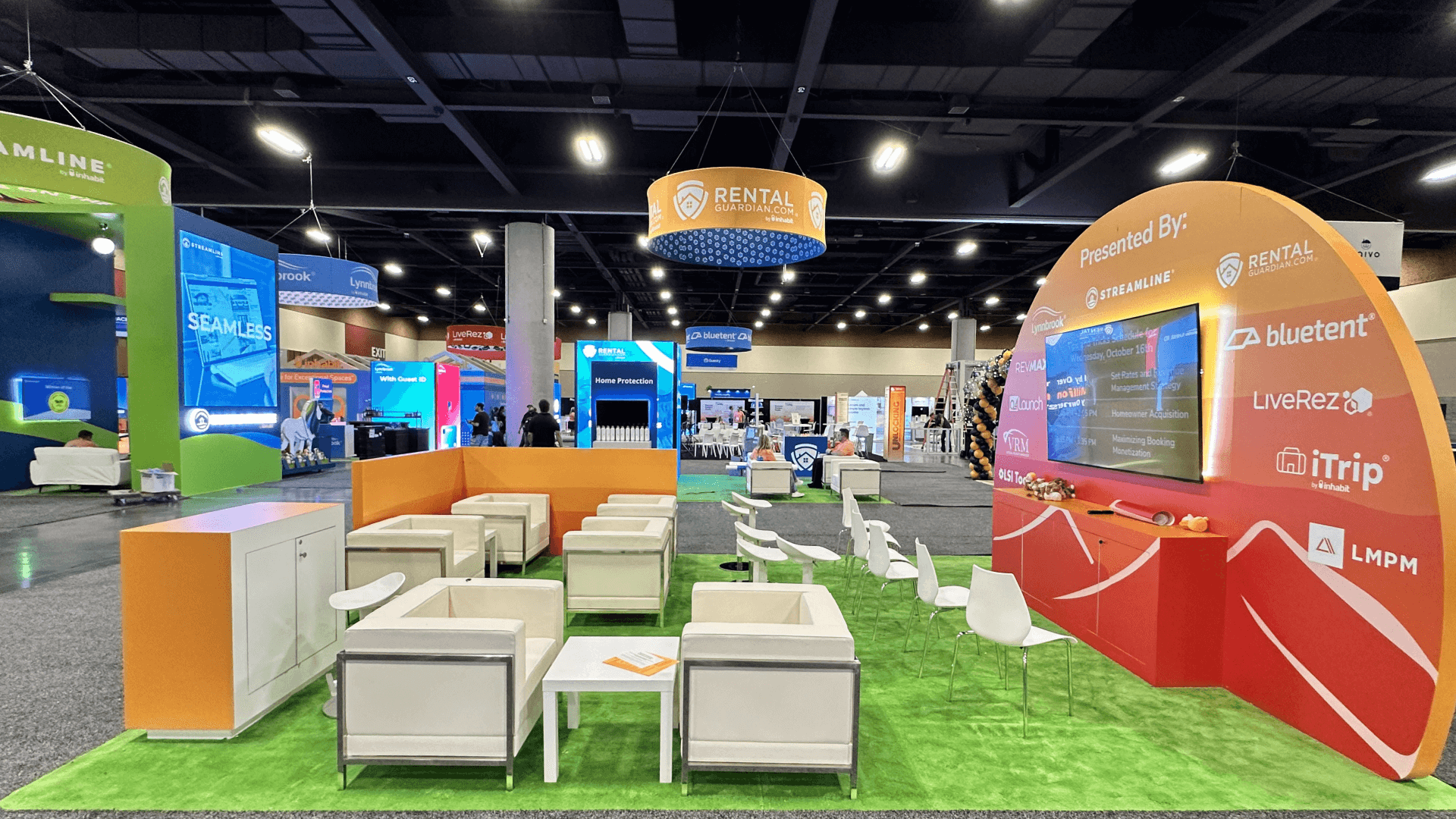
NAA Apartmentalize Booth Planning
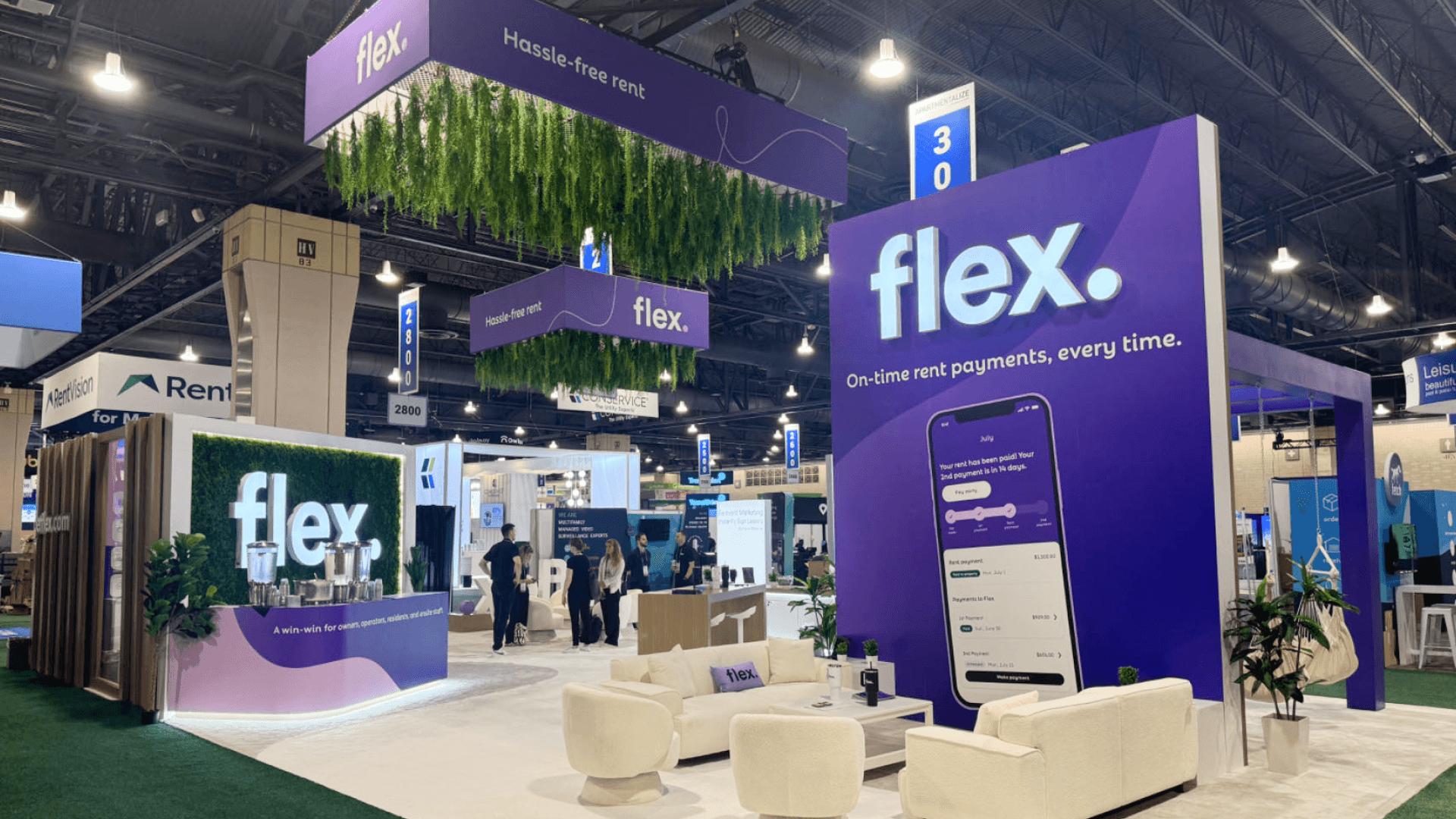
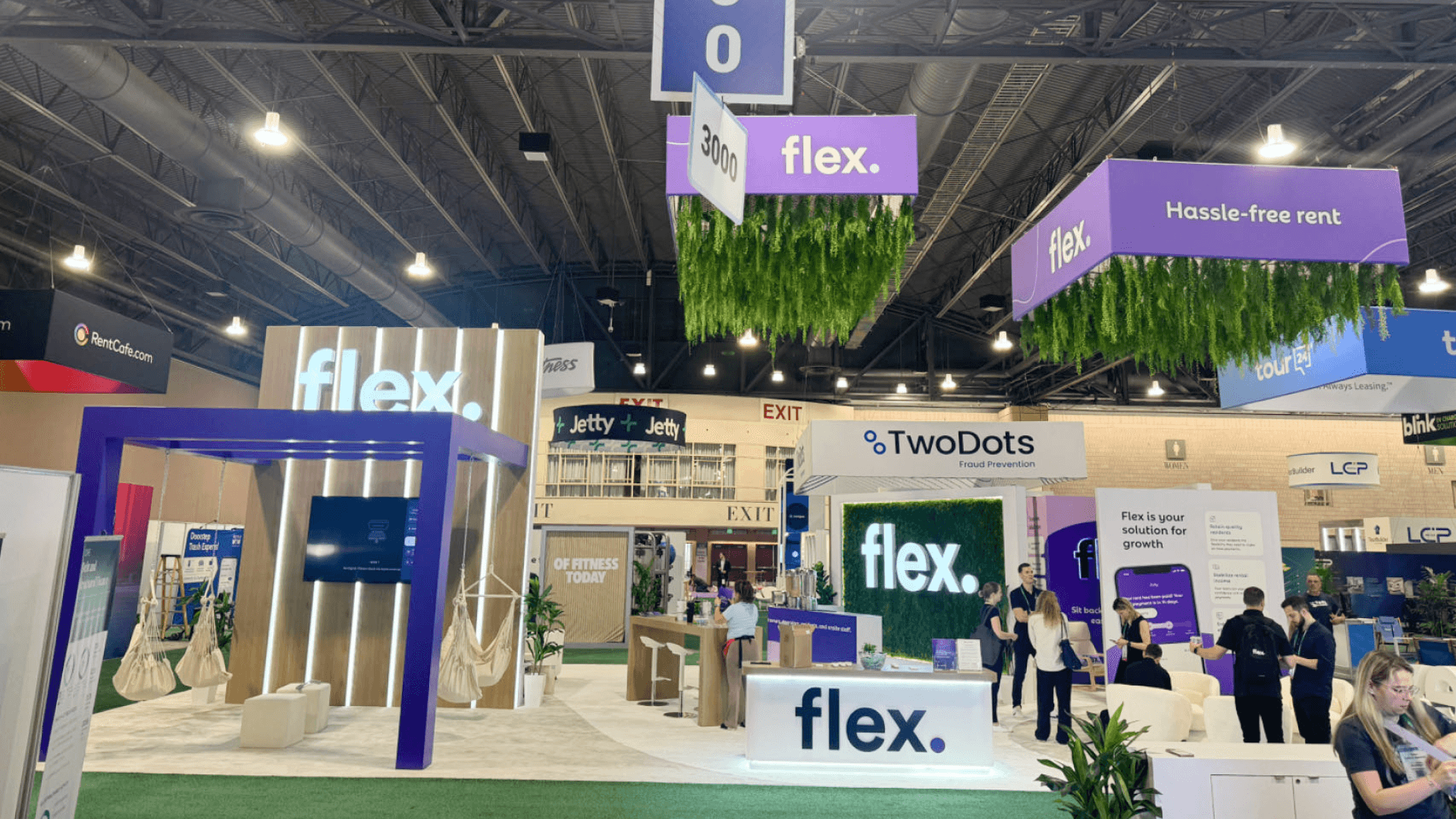
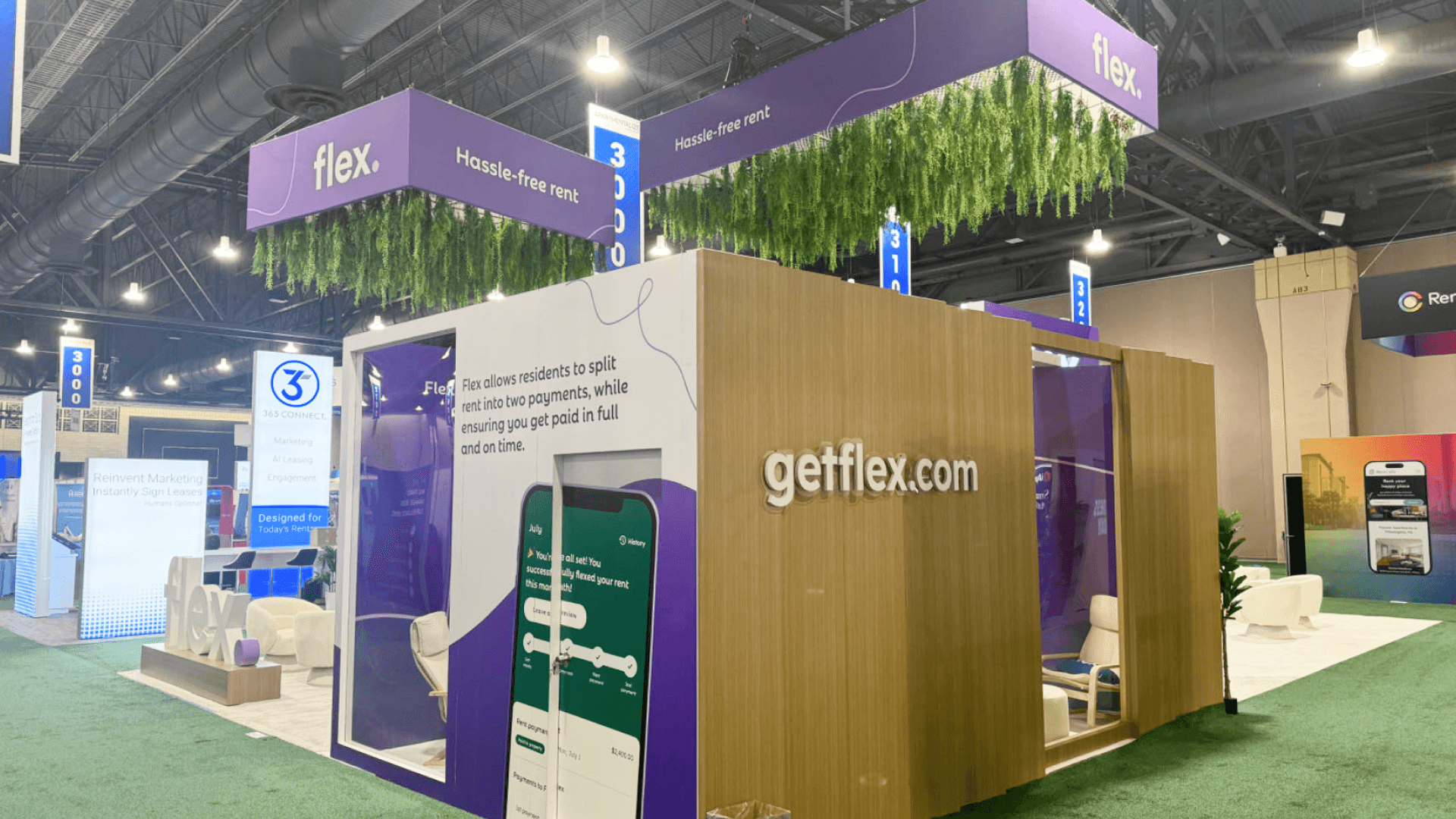
NAA Apartmentalize is the largest multifamily housing operations conference in the U.S., where enterprise property management platforms, leasing automation systems, AI-powered resident screening tools, revenue management software, predictive maintenance platforms, and integrated proptech ecosystems are evaluated by executive-level operators and asset managers. When hosted in Las Vegas at the Las Vegas Convention Center (LVCC), the expo floor becomes a high-density environment of SaaS dashboards, workflow demonstrations, API integrations, and enterprise partnership discussions.
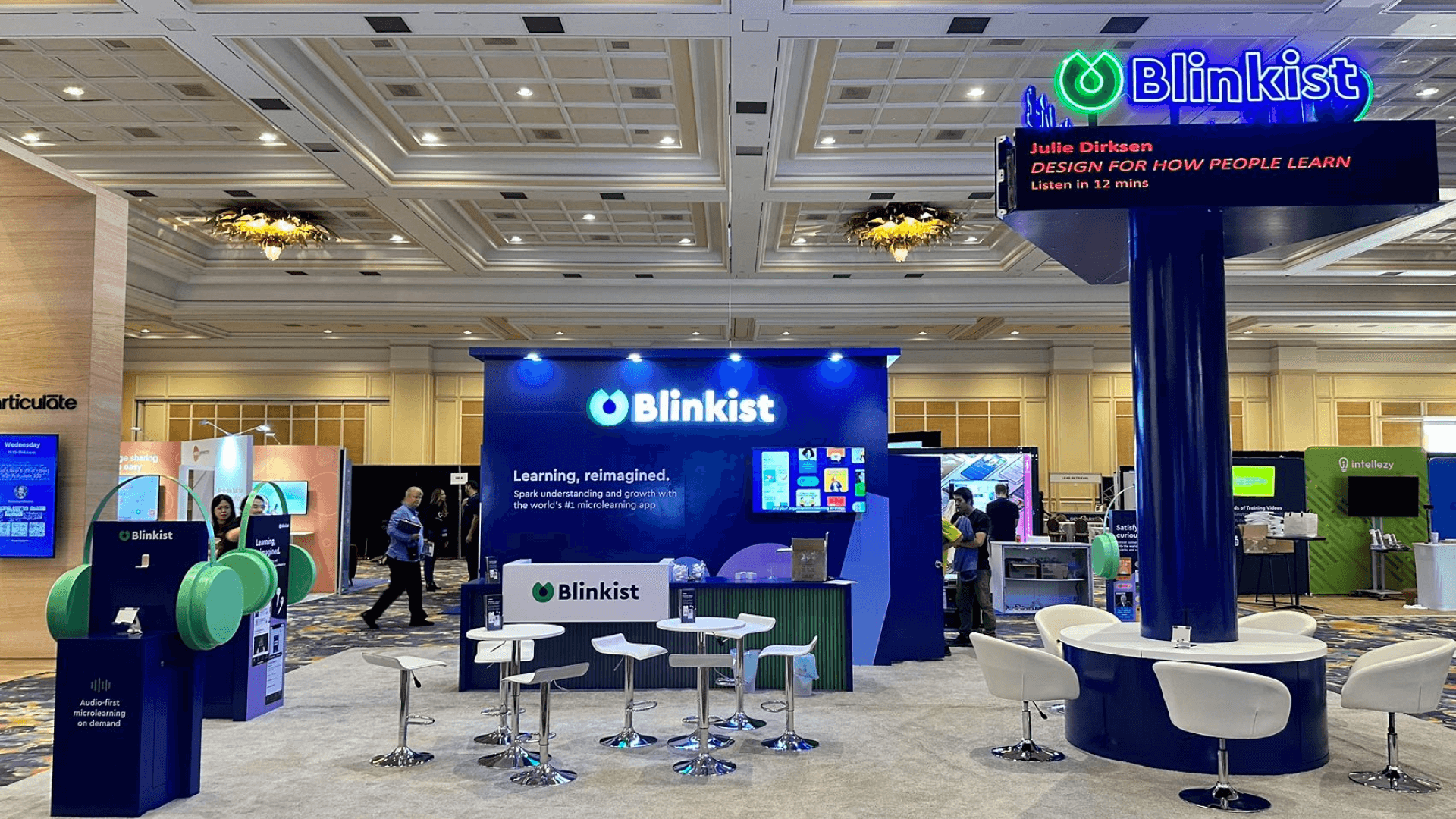
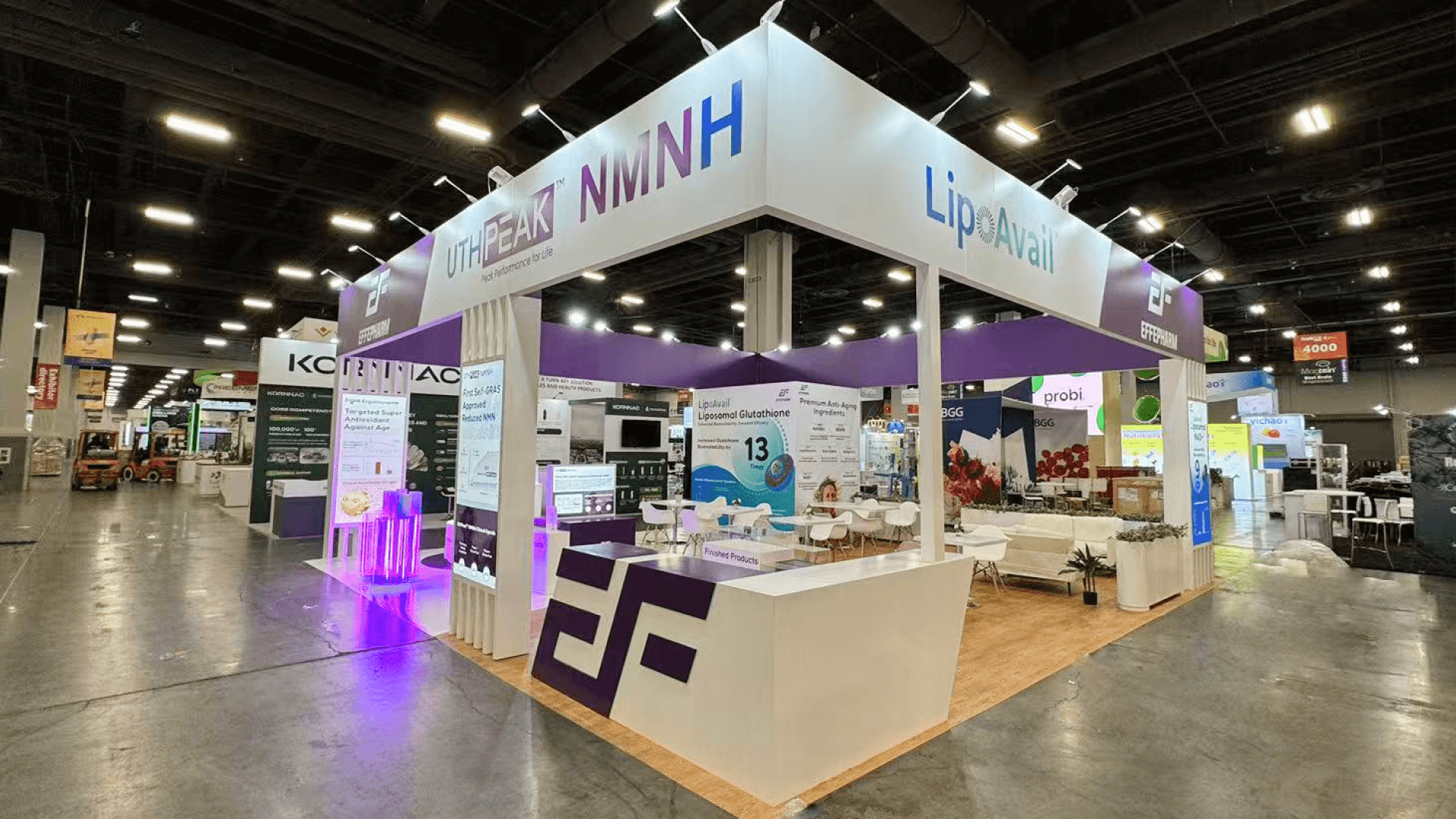
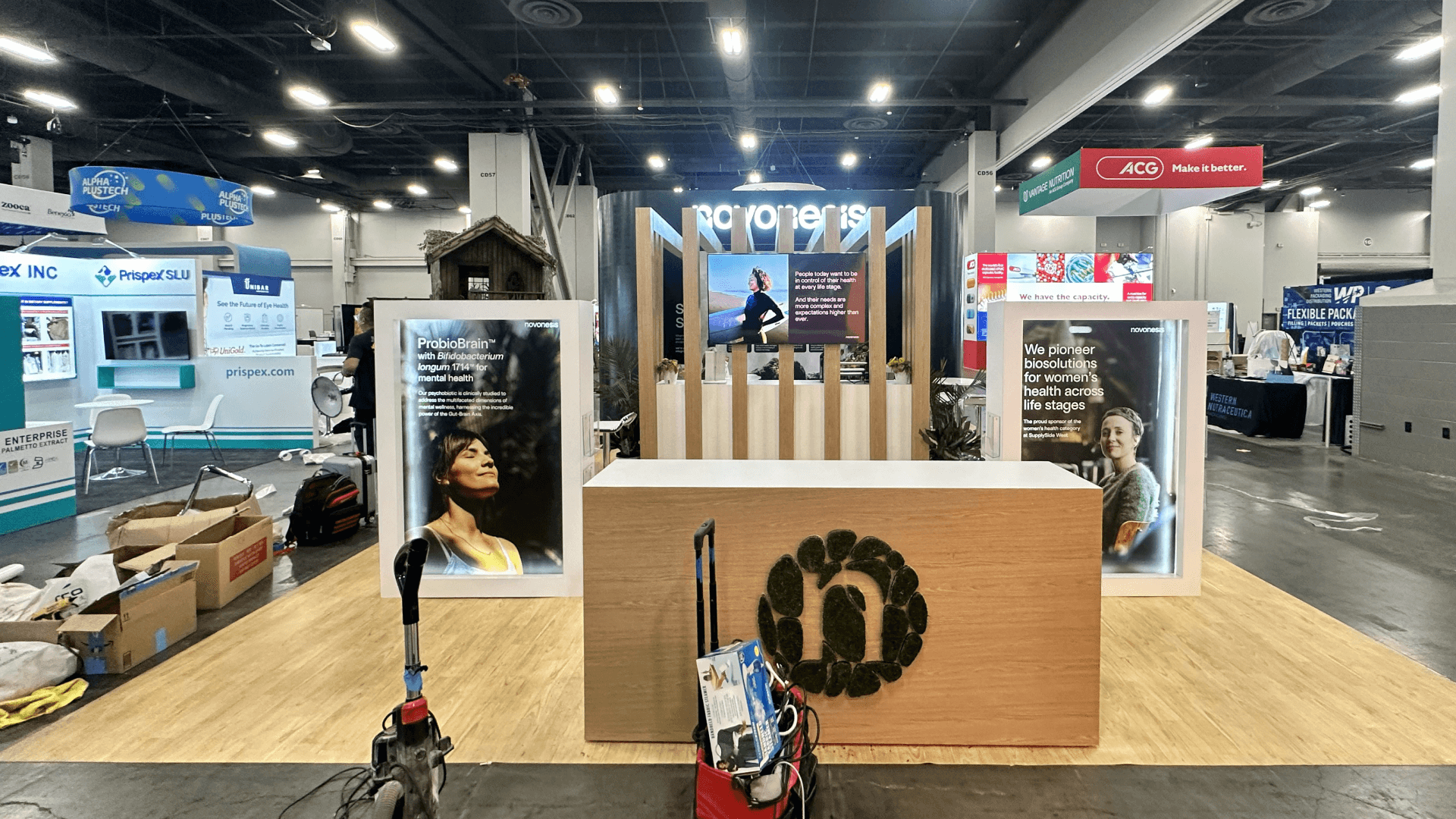
For enterprise exhibitors, a 20x20 trade show booth layout is often the optimal footprint. This size allows multiple demo stations (leasing CRM + resident engagement + maintenance dashboard), a central presentation monitor, semi-private investor meeting seating, and concealed storage for demo hardware and onboarding kits—without sacrificing open visibility. Because Apartmentalize conversations are often contract-level discussions with regional operators and institutional investors, booth architecture must support both structured demo flow and uninterrupted consultation zones.
Execution at LVCC requires early alignment of monitor mounting, power/data routing, cable concealment, and AV testing before doors open. Enterprise platforms that simulate live rent payments, AI screening approvals, maintenance ticket routing, or portfolio analytics benefit from pre-sequenced installation and staged demo validation. For venue-specific labor scheduling and material handling coordination, reference our Las Vegas trade show booth builder. To ensure monitors, branded panels, and demo hardware are positioned and operational on schedule, early Logistics & Pre-Show Coordination reduces last-minute adjustments and protects launch readiness for enterprise-level property management systems.
Why Exhibitors Choose Circle Exhibit
Clear scope, transparent quote review, nationwide booth support, and efficient setup planning for qualified rental and custom exhibit projects.
48hr
Setup Window
10+
Years Since 2014
U.S.
Trade Show Support
Real
Booth Project Proof
Apartmentalize centers on property management technology, leasing operations, revenue optimization, resident engagement systems, and multifamily asset performance.
Exhibitors include property management software companies, AI-driven screening providers, maintenance platforms, digital payment systems, and investor analytics tools.
Attendees include executive-level operators, regional managers, asset managers, and housing investors seeking scalable technology solutions.
Not Sure Which Booth Size You Need?
Not every exhibitor knows whether a 10x20, 20x20, 20x30, or larger booth is the right fit. Circle Exhibit can help review your event goals, product display needs, demo areas, meeting space, storage, budget scope, and setup timeline before you choose a booth size.
Meeting-Driven Traffic Flow
Data-Security & Equipment Protection
1
Define Demo Architecture
2
3
4
Account for union labor calls and AV mounting scheduling to avoid installation delays.
Even SaaS-focused booths require careful staging of crates, monitors, and demo hardware during drayage.
Include concealed storage zones for laptops, tablets, and backup demo devices.
What booth size works best for a proptech company at NAA?
A 10x20 booth typically supports two demo monitors, a consultation table, and light storage; larger enterprise platforms often upgrade to 20x20 islands for multiple product vertical zones.
How do we ensure demo reliability during Apartmentalize?
What should we prioritize for Las Vegas execution?
READY TO PLAN YOUR NEXT BOOTH?
Let’s Build a Booth That Fits Your Event
Share your event name, booth size, city, timeline, product display needs, and design references. Circle Exhibit will review your project direction and help you choose a rental-friendly or custom exhibit path.
3000+
Booth Projects Supported
50+
U.S. Event Cities
Transparent
Quote Review