Why a 20x20 Booth Works for Broadcast Workflow Demos
Broadcast workflow demos often need more than a simple product counter. Exhibitors may need to show video input, switching, monitoring, cloud workflow, AV production, LED wall control, live streaming, or webcast production. But not every NAB exhibitor needs a 30x40 or larger booth to explain that workflow.
A 20x20 booth works when the message is disciplined. It gives enough space for a main demo screen, a small control or equipment point, staff movement, storage, and a short follow-up conversation zone. It does not work well when the exhibitor tries to show every product, every screen, and every workflow at once.
This article supports NAB broadcast workflow demo booth planning. It should not replace the broader NAB Show booth planning page or the general 20x20 booth planning page.

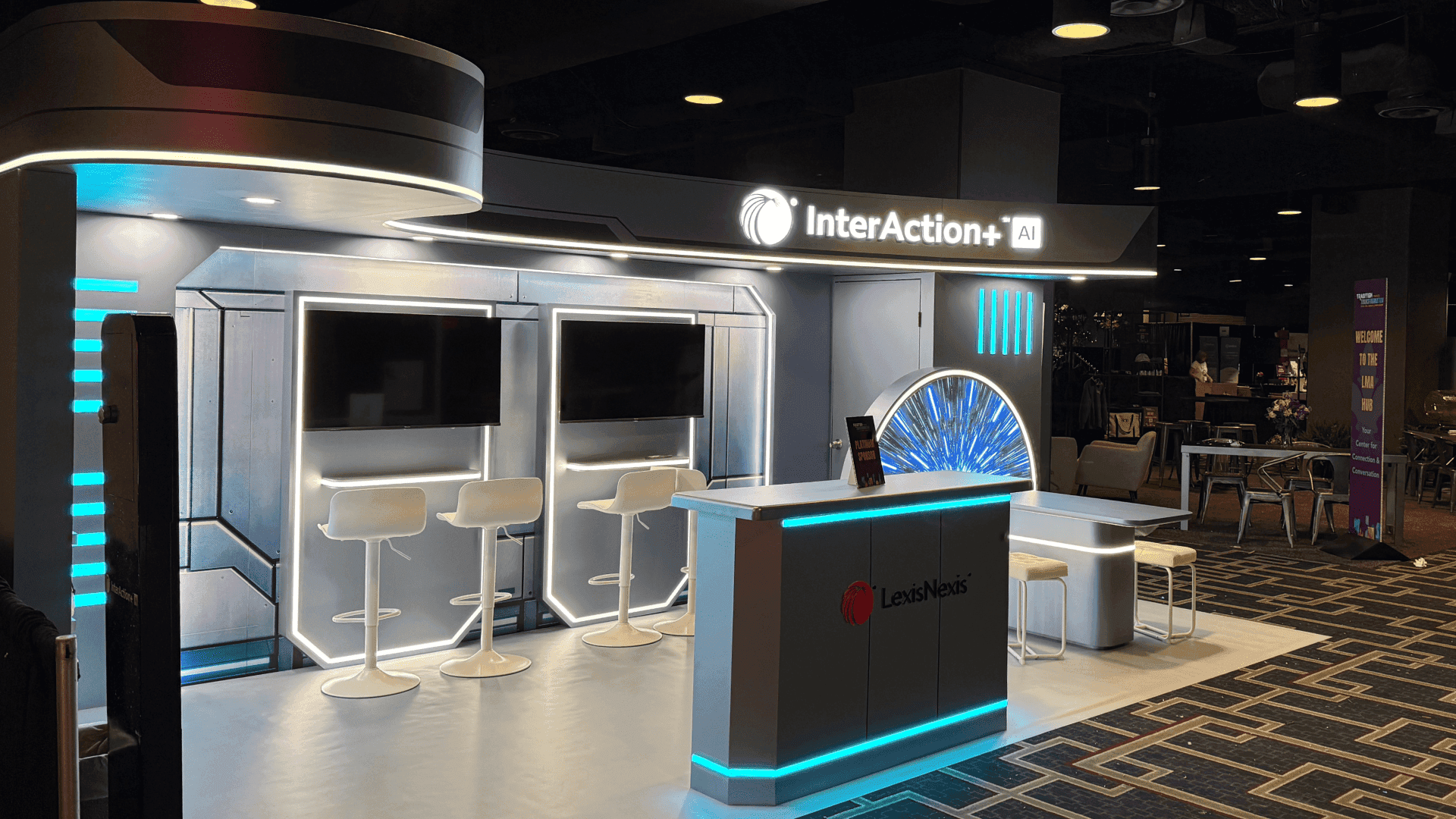
A 20x20 NAB booth can support a focused broadcast workflow demo when the first screen, demo counter, staff path, and storage are planned around one clear product story.
What a 20x20 Booth Usually Solves
Booth problem | What the 20x20 layout can solve |
|---|---|
Visitors do not know where to look first | One primary screen becomes the starting point. |
The demo feels too technical from the aisle | A simple workflow graphic explains input, action, and output. |
Staff block the screen | Staff can stand beside the demo instead of in front of it. |
Equipment and cables create clutter | Storage and cable paths can be planned behind the demo zone. |
Serious buyers need more detail | A small handoff area supports technical or buying questions. |
The 20x20 footprint works best when the booth has a clear sequence: aisle message, first screen, short demo, staff handoff, follow-up conversation.

A compact broadcast demo booth should give visitors a clear view of the main screen while keeping the demo counter, staff position, and buyer handoff area out of the aisle.
The First Screen Should Carry the Demo
In a 20x20 NAB booth, the first screen has to do real work. It should not show a crowded interface, full dashboard, or every product feature at once. It should show the starting point of the broadcast workflow.
What source, feed, signal, or media input starts the workflow.
What action the system controls, switches, monitors, or improves.
What output, result, or production benefit the visitor should notice.
This is where graphics and brand presentation support matters. The backwall, screen content, product label, and demo counter should tell the same story.
How the 20x20 Layout Should Be Divided
A compact broadcast workflow booth should not be filled edge to edge. The layout needs breathing room so visitors can stop without blocking the aisle.
Front-facing screen or backwall screen for the main workflow.
Demo counter or control station for the short walkthrough.
Side area for staff explanation.
Hidden storage for bags, small cases, cables, and printed material.
Small handoff point for deeper buyer questions.
If the booth uses a rental structure, customizable trade show booth rental in Las Vegas can support a 20x20 NAB demo with branded graphics, screens, counters, and a faster setup path without turning the booth into a generic rental display.

A strong 20x20 NAB workflow booth separates the screen-led demo, control station, storage, cable routing, and follow-up conversation space so the booth stays clear during show traffic.
Where 20x20 Broadcast Demo Booths Usually Fail
Two or three screens competing for attention.
Staff standing directly in front of the main demo.
Dense graphics that visitors cannot read quickly.
Demo equipment placed too close to the aisle.
Storage boxes or cable paths visible in the visitor area.
No clear place for deeper technical questions.
AV checks left until the last part of setup.
Why LVCC Setup Matters for a 20x20 NAB Booth
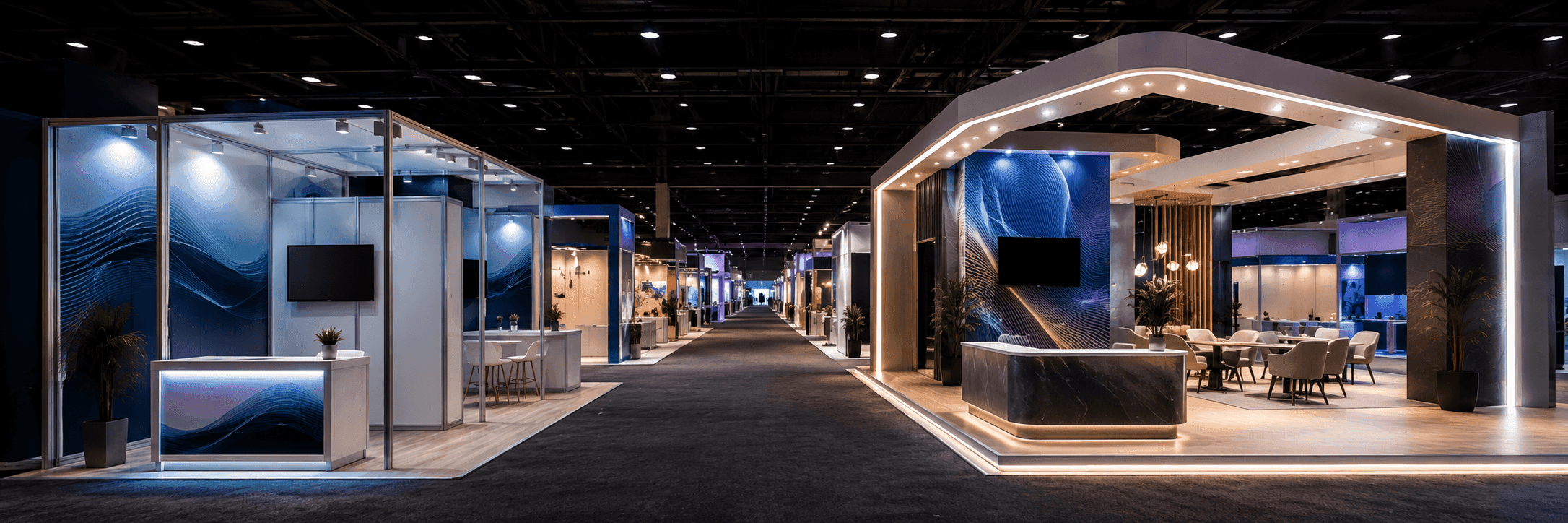
NAB takes place at the Las Vegas Convention Center, where long aisles, screen visibility, freight timing, AV setup, and show-floor movement can affect even a small booth.
For venue context, Las Vegas Convention Center booth planning should be considered early. Logistics and pre-show coordination should confirm equipment arrival, AV needs, printed graphics, storage items, and setup sequence before move-in.
Design and Show-Site Execution Need to Match
A 20x20 broadcast workflow demo booth has less room for mistakes. Counter position, screen angle, cable paths, staff standing area, and storage all need to be checked before production.
During design and engineering support, the layout should answer where visitors look first, where staff stand, where equipment sits, where storage goes, and where qualified buyers move after the first demo. When the booth reaches the floor, show-site booth execution should support the same plan through installation, graphics alignment, AV checks, and final handoff.
Real NAB Project Proof
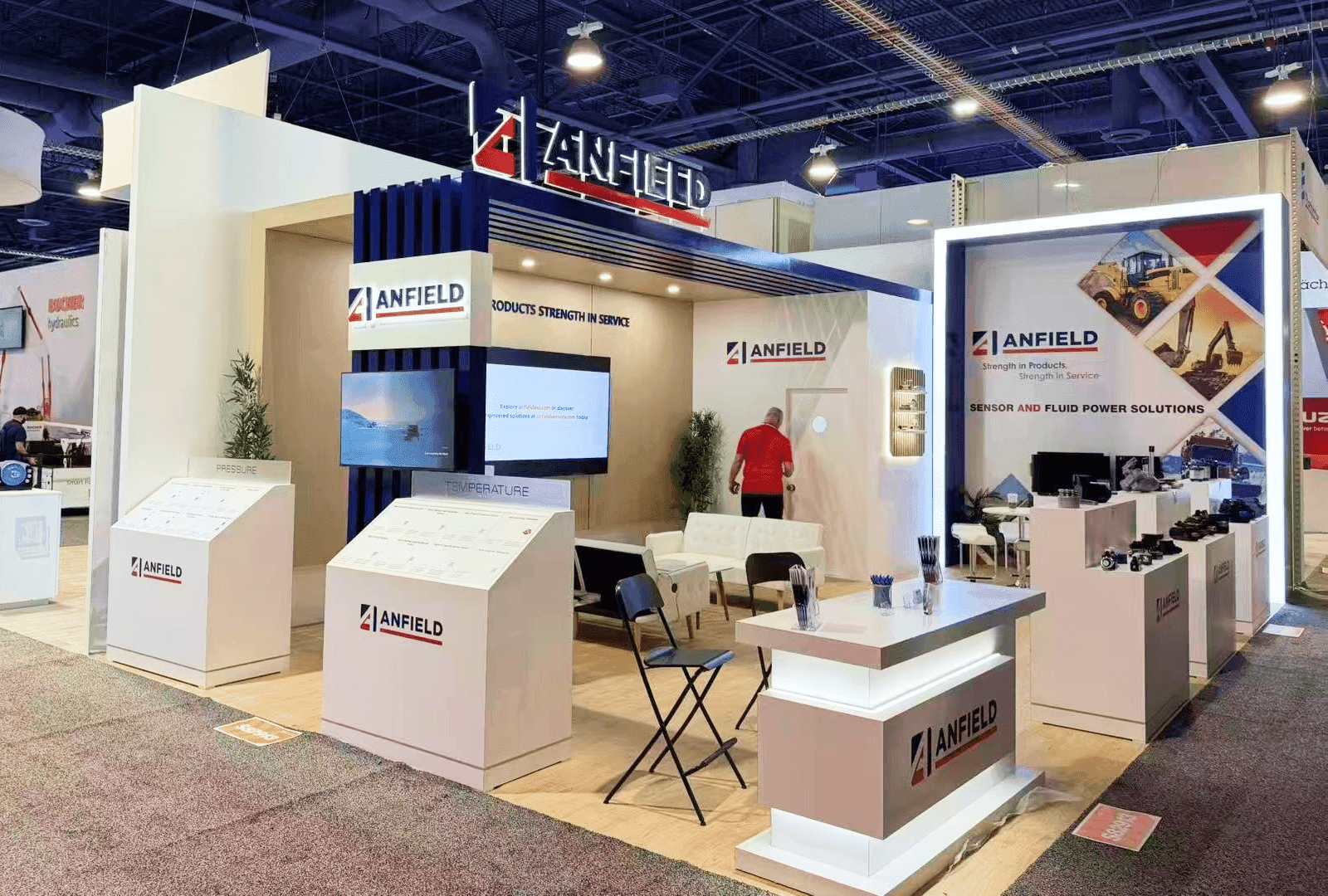
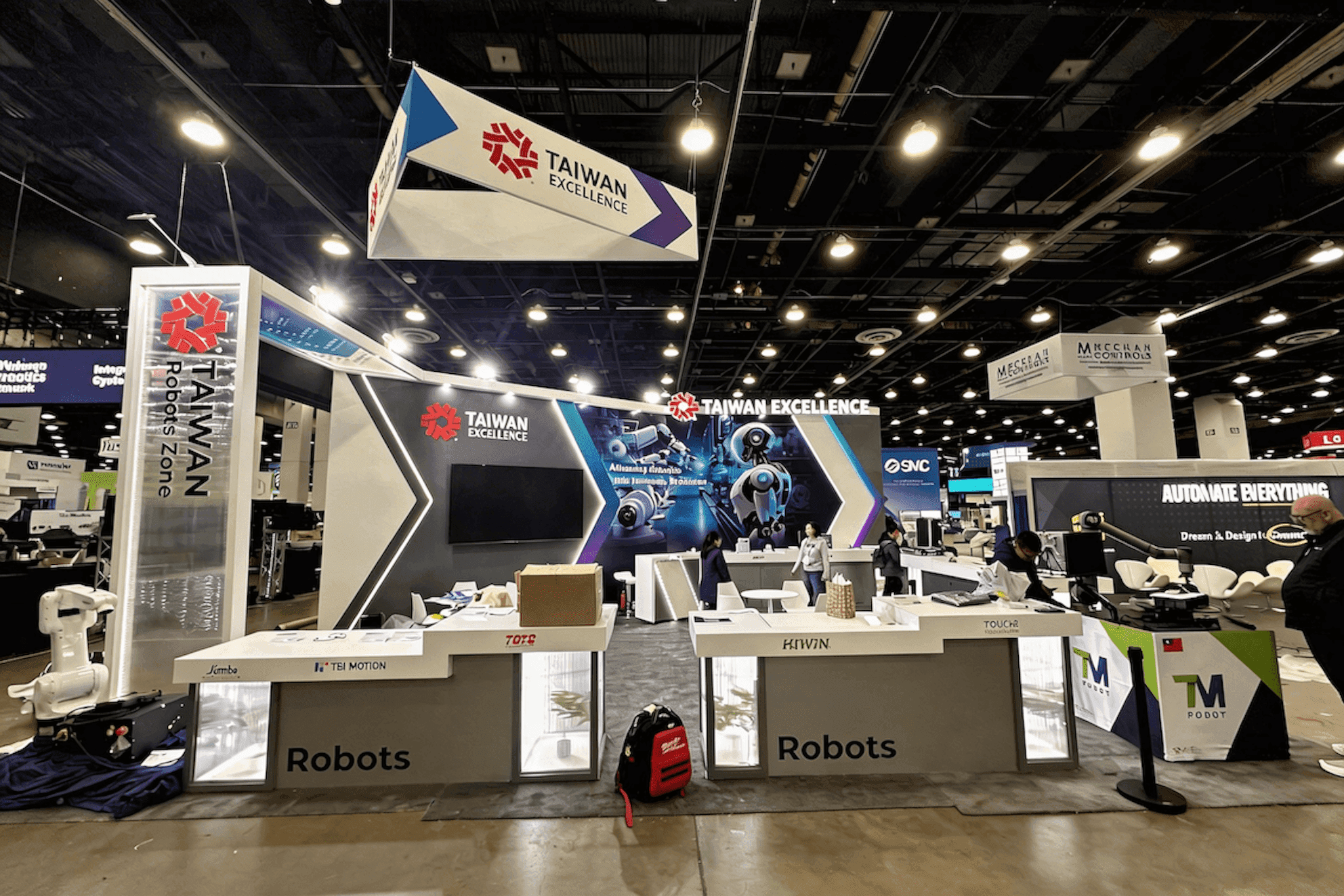
NAB Show booth projects can support this topic with booth photos, technical product displays, screen-led layouts, and broadcast workflow examples.
20x20 NAB Broadcast Demo Checklist
Is one screen clearly the main starting point?
Can visitors understand the workflow from the aisle?
Does the booth show input, action, and output clearly?
Can staff explain without blocking the screen?
Is there enough space for visitors to pause briefly?
Is there a handoff point for deeper technical questions?
Are cables, storage, and equipment kept out of the visitor path?
Are AV checks, graphics, lighting, and setup timing confirmed before move-in?
How This Article Supports the NAB Cluster
This is a NAB support article, not a general 20x20 booth guide. It uses the 20x20 footprint to explain one specific topic: how a compact booth can support broadcast workflow demos at NAB.
The article supports NAB broadcast workflow demo booth planning, connects back to NAB Show booth planning, and passes useful 20x20 context to 20x20 booth planning without trying to replace the size page.
FAQ
Is a 20x20 booth enough for a NAB broadcast workflow demo?
Yes, if the demo is focused. A 20x20 booth can support one clear screen-led workflow, a demo counter, staff path, storage, and a small follow-up area.
What should a 20x20 NAB booth show first?
It should show the broadcast workflow starting point: input source, action, and output.
Can a 20x20 booth support broadcast equipment?
Yes, but the equipment must be controlled. The booth should show the equipment needed to explain the workflow clearly.
Should this article replace the 20x20 booth size page?
No. This article is about NAB broadcast workflow demo use cases. The 20x20 size page should remain the broader size planning resource.
Related Planning Links
NAB broadcast workflow demo booth planning — main support page for broadcast workflow demo booths.
NAB Show booth planning — main NAB Event Hub.
20x20 booth planning — booth size reference for compact demo layouts.
customizable trade show booth rental in Las Vegas — rental support for branded 20x20 demo structures.
NAB Show booth projects — real NAB project proof.
Final Takeaway
A 20x20 booth can solve real problems for NAB broadcast workflow demos when the layout stays focused. It gives exhibitors enough room for one main screen, one clear workflow, a staff explanation point, storage, and a short buyer handoff.