Give the Wed-Talk One Job
A short Wed-Talk works best when attendees leave knowing why the topic matters and what they should remember. One recognizable problem, one useful point, and one clear takeaway are usually enough to establish relevance without turning the session into compressed product training.
The talk only needs enough context and evidence to earn the next conversation. Product detail, individual questions, and deeper evaluation can come later.
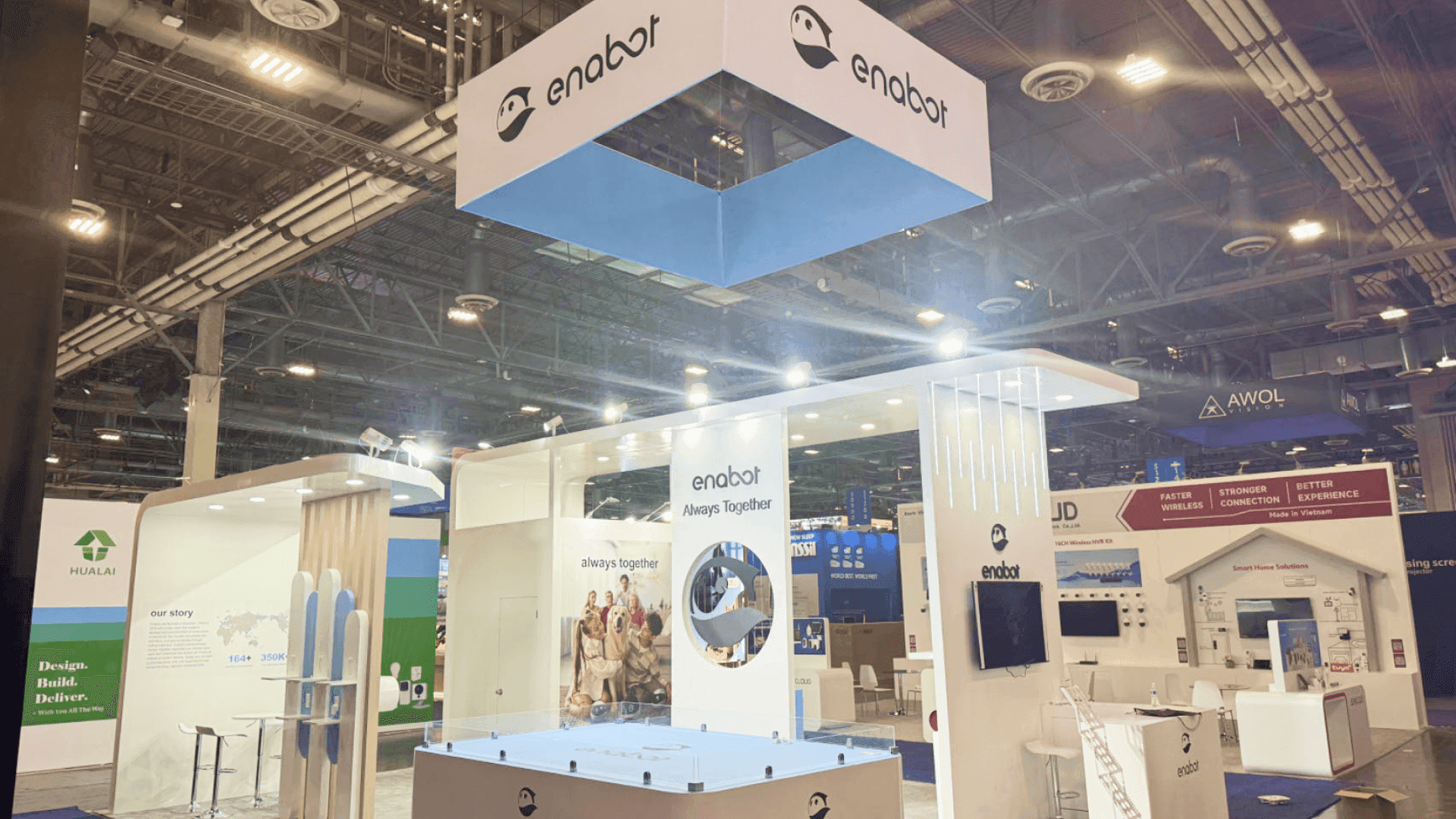
A short Wed-Talk should introduce one problem, one useful point, and a clear takeaway before deeper product discussion continues at the booth.
What Belongs on the Stage
Start with a problem or situation the audience can recognize, move quickly to one central point, and support it with a brief piece of evidence. That evidence might be a result, a short example, or one part of the product story. It should make the point credible without turning the session into a full demonstration.
End with a clear continuation. Someone who wants to see more detail, compare options, ask questions, or watch a longer demo should know what comes next. That transition is central to Wedding MBA Exhibit Stage booth planning, where the exhibit continues what the presentation starts.
What Belongs in the Booth
The booth is where more detail becomes useful. Interested attendees can spend time with a longer demonstration, physical samples, a detailed workflow, product comparisons, or questions tied to their own business.
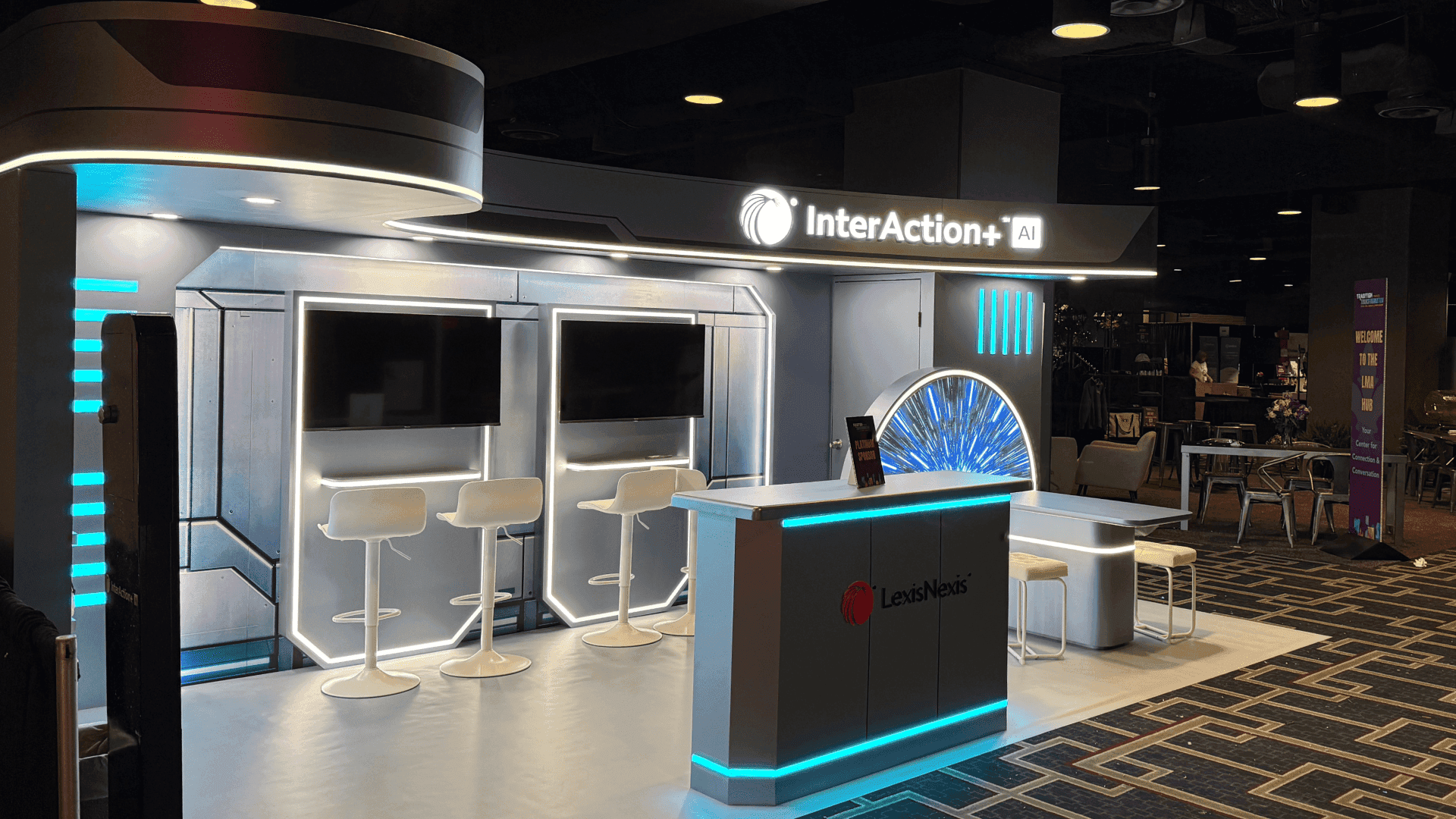
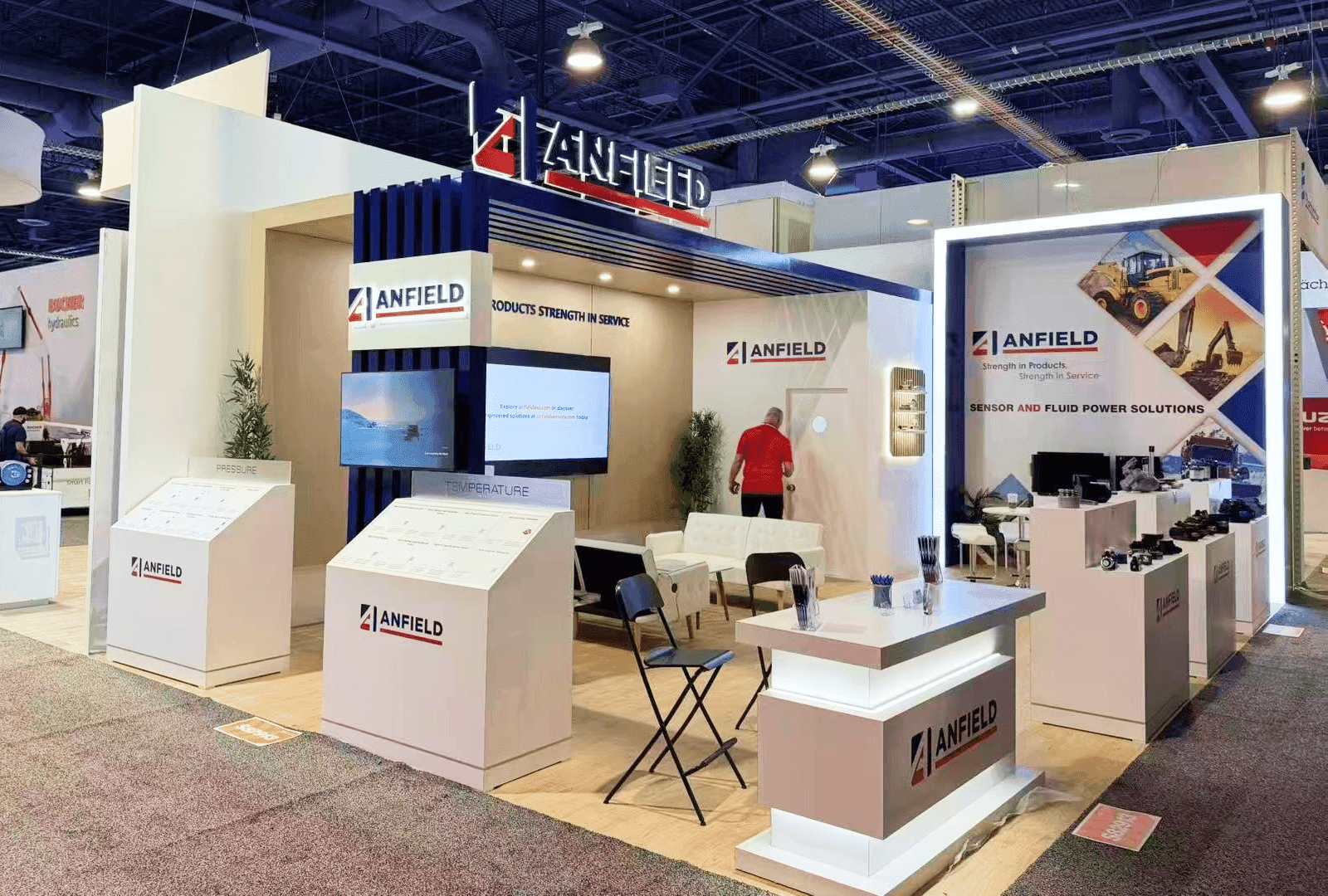
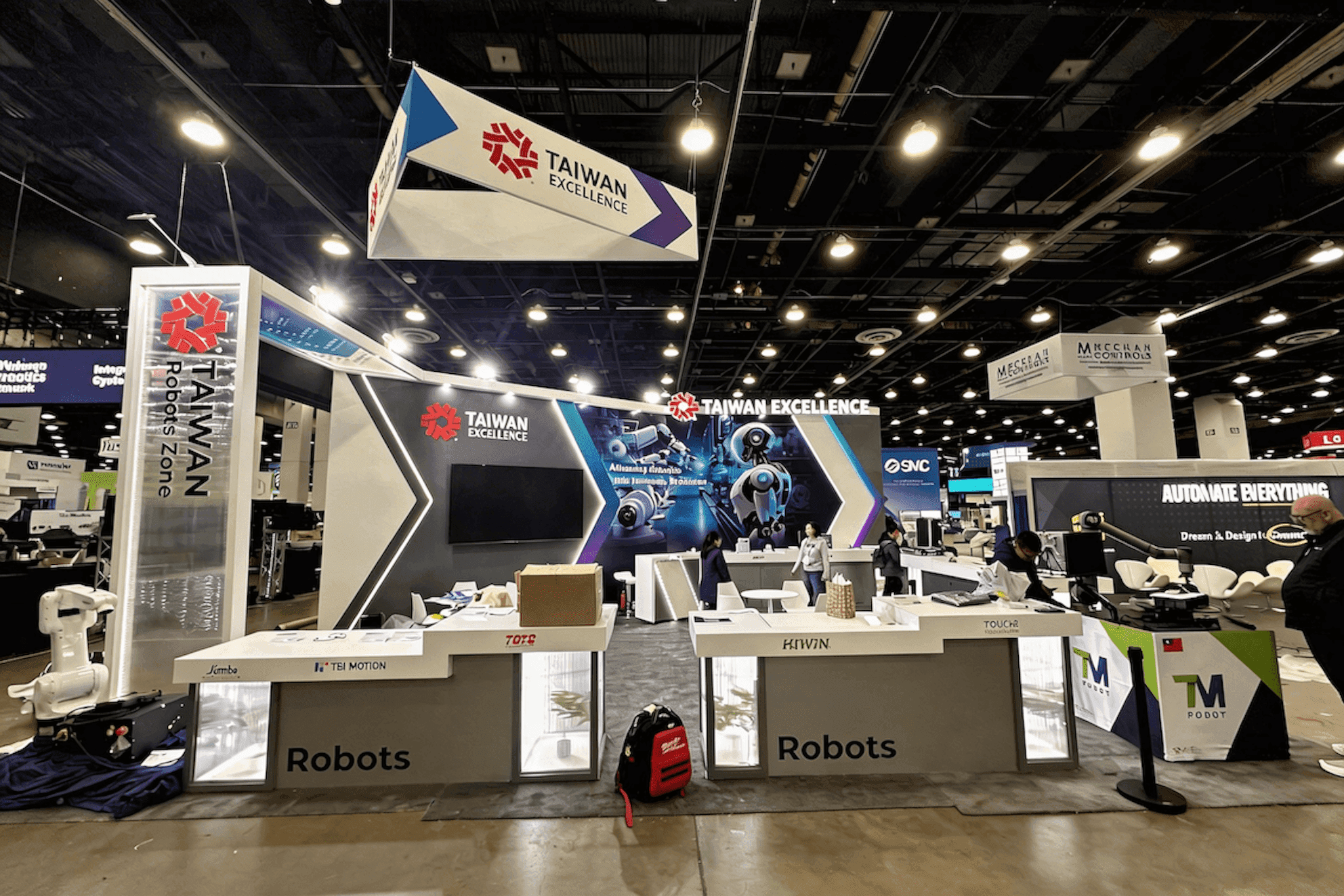
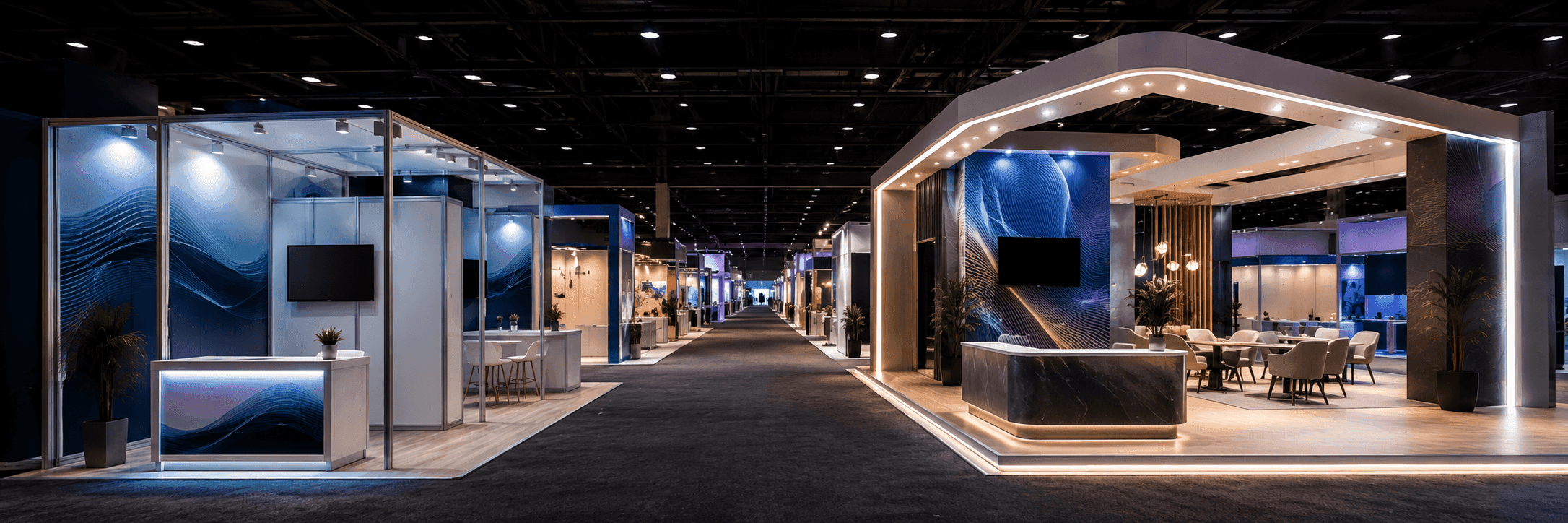
Rather than restarting the Wed-Talk from the beginning, the exhibit should add specificity: how the product works in practice, how options differ, or whether the solution fits a particular need. Those requirements can then shape a Las Vegas trade show booth rental, from screens and demo counters to sample displays, storage, and conversation space.
What to Leave Out of a 10-Minute Wed-Talk
A short session loses focus when it tries to carry a full company history, complete product catalog, every feature, a full software walkthrough, several case studies, detailed pricing, and every possible use case.
Those topics may all matter, but they do not all need to compete for the same ten minutes. If a detail does not help attendees understand the central point or remember the takeaway, it can wait until there is enough time and context to make it useful.

The booth can carry the Wed-Talk further with longer demonstrations, product comparisons, detailed workflows, and business-specific questions.
How the Split Changes by Exhibitor Type
The same Stage-to-booth approach looks different depending on what the exhibitor is selling.
Exhibitor type | Wed-Talk focus | Booth follow-up |
|---|---|---|
Software / Technology | Business problem and one workflow concept | Detailed walkthrough, use cases, individual questions |
Physical Products | Use case and why the product matters | Samples, handling, side-by-side comparison |
Professional / Business Services | Business problem and one useful insight | Fit, available options, focused consultation |
The level of detail can change while the core message stays consistent. Using the same terminology and recognizable visual cues across both settings helps attendees connect the two experiences. Consistent graphics and brand presentation can reinforce that connection without making the booth repeat the Wed-Talk.
FAQ
Should the full product demo happen during a Wedding MBA Wed-Talk?
Not usually. A 10-minute Wed-Talk is better suited to establishing the problem, explaining one useful point, and showing enough evidence to support it. A longer demonstration is easier to follow when there is time for product detail and questions.
Should the Stage and booth repeat the same message?
They should share the same central idea, but not the same presentation. The Stage introduces the topic; the booth adds demonstrations, examples, comparisons, and detail that need more time.
What should attendees be able to do next after the Wed-Talk?
They should have an obvious next step, such as seeing a longer demo, examining a sample, comparing options, or asking a specific business question. The booth should continue the discussion without making attendees start again from the beginning.