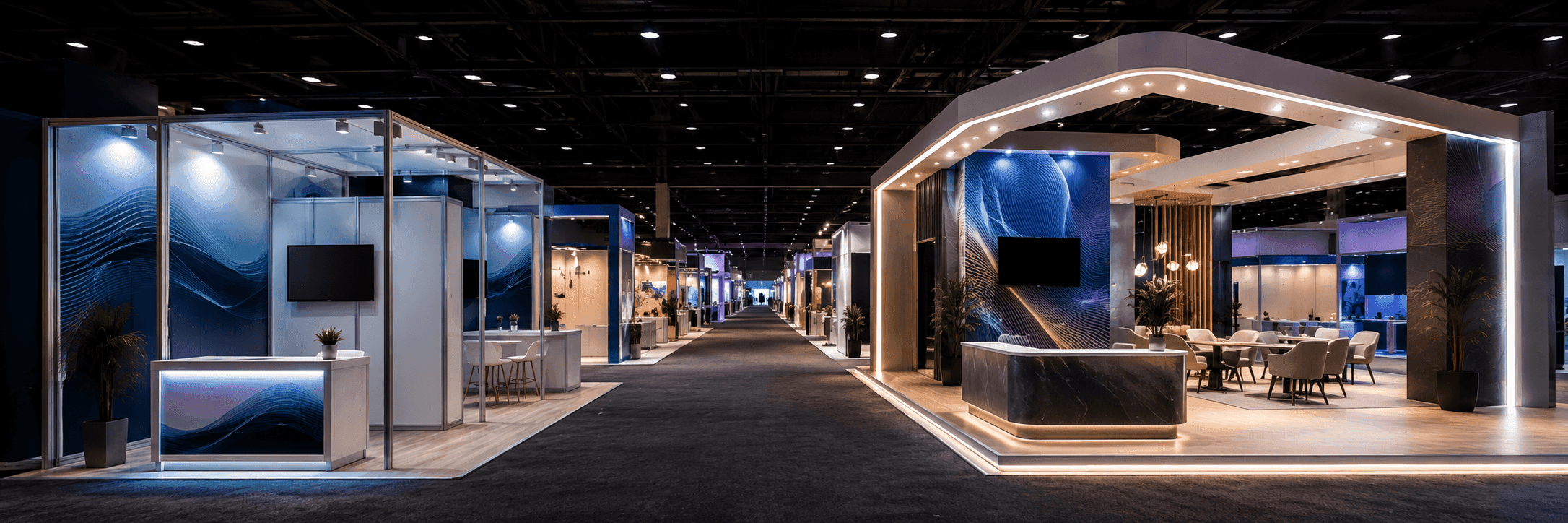
Trade show booth graphics showing backwalls, SEG panels, lightboxes, counters, and product messaging for Las Vegas exhibitors with production and installation alignment

/

/

/

/

Trade Show Booth Graphics for Las Vegas Exhibitors: Backwalls, SEG, Lightboxes, and Installation Checks

Trade Show Booth Graphics for Las Vegas Exhibitors: Backwalls, SEG, Lightboxes, and Installation Checks

Trade Show Booth Graphics for Las Vegas Exhibitors: Backwalls, SEG, Lightboxes, and Installation Checks

Trade Show Booth Graphics for Las Vegas Exhibitors: Backwalls, SEG, Lightboxes, and Installation Checks

Published:

Jan 6, 2026

Trade show booth graphics for Las Vegas exhibits should combine backwalls, SEG panels, lightboxes, and branded surfaces. Planning must include production and installation alignment to ensure that graphics enhance visitor understanding and support the exhibitor’s message.

How should Las Vegas exhibitors plan booth graphics?

Booth graphics should combine backwalls, SEG panels, lightboxes, and product messaging to make the booth visually clear and easy to understand. Graphics planning must also align with production and on-site installation and dismantle support to ensure proper fit, lighting, and visibility.

How should Las Vegas exhibitors plan booth graphics?

Booth graphics should combine backwalls, SEG panels, lightboxes, and product messaging to make the booth visually clear and easy to understand. Graphics planning must also align with production and on-site installation and dismantle support to ensure proper fit, lighting, and visibility.

In Las Vegas trade show halls, booth graphics have to do more than decorate a structure. They need to help visitors understand what the exhibitor offers, where to stop, what to look at, and how to move from the aisle into a demo or sales conversation. Backwalls, SEG fabric panels, lightboxes, counter graphics, and screen messages should be planned with production, lighting, and installation in mind.

What trade show booth graphics do Las Vegas exhibitors need?

Las Vegas exhibitors usually need booth graphics such as backwalls, SEG fabric panels, lightboxes, counter graphics, product message panels, screen support visuals, and aisle-facing signage. These graphics should be planned around booth size, visitor flow, lighting, installation sequence, and show-floor readability so the booth is clear before staff begin a conversation.

Las Vegas trade show booth graphics with branded backwall, lightbox display, counter graphics, and clear aisle visibility

Booth graphics in Las Vegas should be readable from the aisle and aligned with the booth’s demo, meeting, and visitor flow strategy.

Backwalls Should Explain the Booth From the Aisle

A backwall is usually the first graphic surface visitors notice. For many exhibitors, it carries the main brand message, product category, and strongest visual identity.

At busy Las Vegas shows, visitors may only glance at a booth for a few seconds before deciding whether to stop. That means the backwall should not be overloaded with small text, long product descriptions, or too many disconnected visuals. The main message should be clear enough to understand from the aisle.

A strong backwall graphic should answer:

  • What does the company offer?

  • What product category is being shown?

  • Why should a visitor stop?

  • Where should the visitor look next?

  • Does the message support the demo or meeting area?

For exhibitors using graphics and brand presentation support, the backwall should be planned with the booth layout, not treated as a separate design file. The graphic needs to match the wall size, viewing angle, lighting, and visitor flow.

Backwalls work best when they guide people toward the next action: watching a demo, scanning a product display, entering a meeting area, or speaking with staff.

SEG Panels and Large-Format Graphics Need Fit Checks

SEG booth graphics are useful because they create a clean, seamless surface. They work well for backwalls, side panels, towers, lightboxes, and modular booth structures. But they also need accurate sizing, tension, and installation checks.

A graphic that looks correct in a design file can still fail on the show floor if the frame size, bleed, fabric tension, or lighting position is wrong. That is why SEG graphics should be checked before move-in whenever possible.

For a 20x20 booth planning layout, SEG panels may be used for one main wall, one side wall, or a branded tower. In a larger booth, SEG graphics may be spread across several surfaces, which makes alignment even more important.

SEG and large-format graphics should be reviewed for:

Graphic Area

What to Check

Backwall panels

Size, bleed, message hierarchy, wrinkle control

Side graphics

Visibility from aisle angles

Lightbox graphics

Brightness, color consistency, fit

Counter graphics

Alignment with reception or demo function

Product panels

Readability near the demo area

Replacement graphics

Labeling and packing for future shows

Good booth graphics are not just printed correctly. They also need to install cleanly.

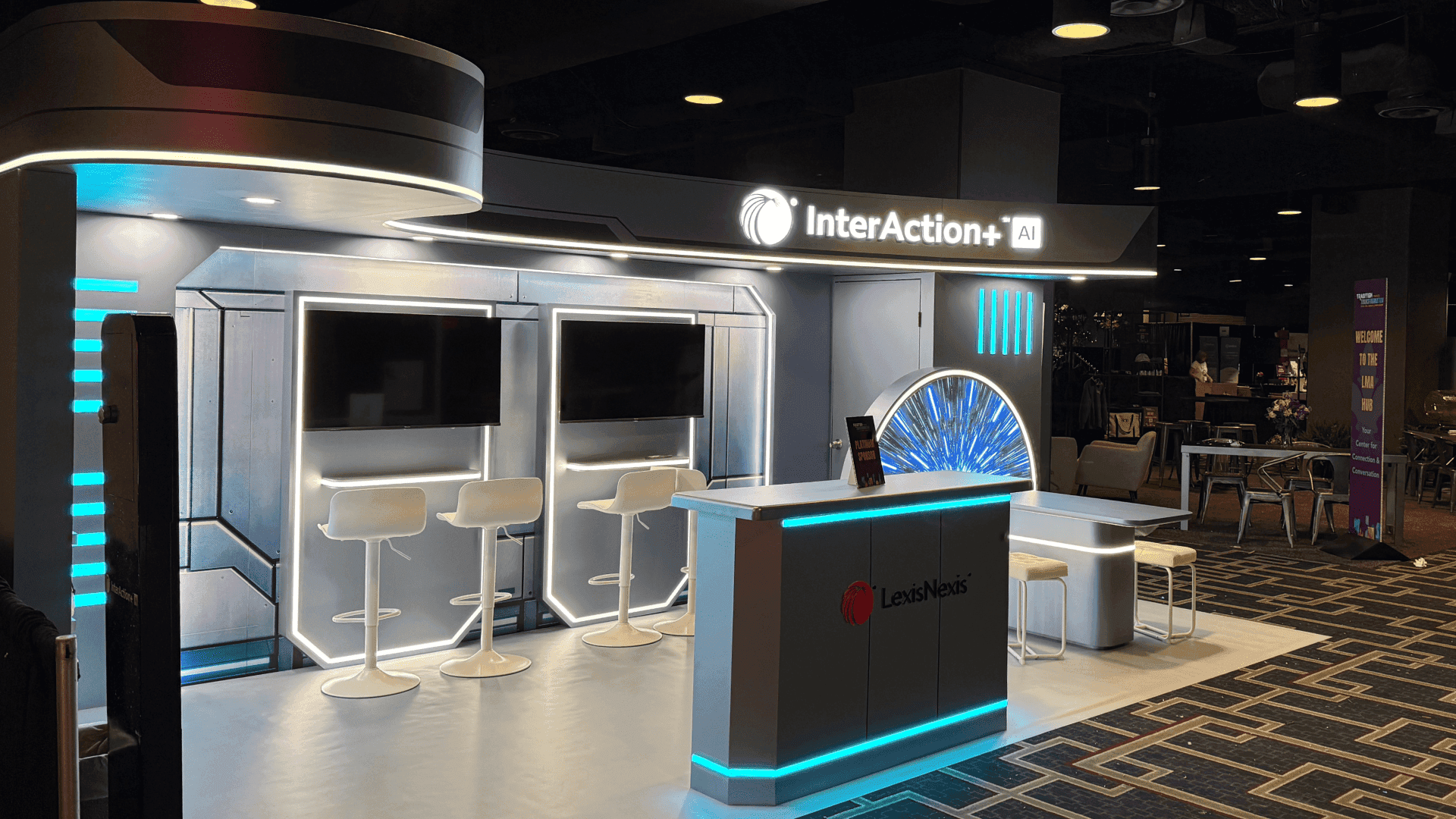
SEG booth graphics and backwall fit check for Las Vegas trade show booth with large-format branded panels

SEG graphics should be checked for size, tension, alignment, and lighting before the booth reaches the show floor.

Lightboxes Need to Support the Product Message

Lightboxes can make a booth feel more visible, especially in a large convention hall. But a lightbox should not be used only because it looks premium. It should support a message that needs attention.

Good lightbox placement often works near:

  • product displays

  • hero visuals

  • demo counters

  • aisle-facing corners

  • vertical towers

  • meeting entrances

  • branded feature walls

The key is restraint. If every surface is bright, nothing stands out. A lightbox should help the visitor understand what matters most.

For Las Vegas exhibitors, lightbox graphics should be planned with the booth’s lighting, power access, and installation sequence. The team should confirm how the lightbox is packed, installed, powered, and checked before opening day. If the graphic is not seated correctly or the lighting is uneven, the booth can look unfinished even if the rest of the structure is ready.


Counter Graphics and Screen Messages Should Match the Demo

Many trade show booths lose clarity at the counter level.

The backwall may look strong, but the demo counter, reception desk, and screen content may not explain the same story. Visitors then have to ask basic questions before they understand the booth. That slows down demos and weakens lead quality.

Counter graphics should reinforce the booth’s main message. Screens should not carry unrelated slide content. Product panels should connect directly to the demo being shown.

A clear booth graphic system usually includes:

  • one main backwall message

  • one product category statement

  • counter graphics that repeat the booth purpose

  • screen content that supports the demo

  • simple feature or benefit hierarchy

  • small directional signs only when needed

The goal is not to cover every surface. The goal is to make the booth easier to understand.

Installation Checks Make Graphics Work on Site

Graphics planning is incomplete until installation has been checked.

In Las Vegas, move-in timing, crate staging, labor sequencing, lighting, and power access can all affect how graphics are installed. Large panels, lightboxes, counters, and screens may need to go up in a specific order. If graphics are packed poorly or labeled unclearly, the installation team can lose time before the booth is even close to show-ready.

This is where on-site installation and dismantle support becomes important. The team should confirm that graphics match the structure, counters are placed correctly, lights do not create glare, and the final booth reads clearly from the aisle.

Before the show opens, exhibitors should check:

  • Are all graphics installed in the correct location?

  • Are SEG panels smooth and aligned?

  • Are lightboxes evenly lit?

  • Are counter graphics straight and clean?

  • Are screens supporting the same message?

  • Are cables, tools, and packing materials out of sight?

  • Can visitors understand the booth before talking to staff?

These checks help turn booth graphics from printed materials into a working brand presentation.

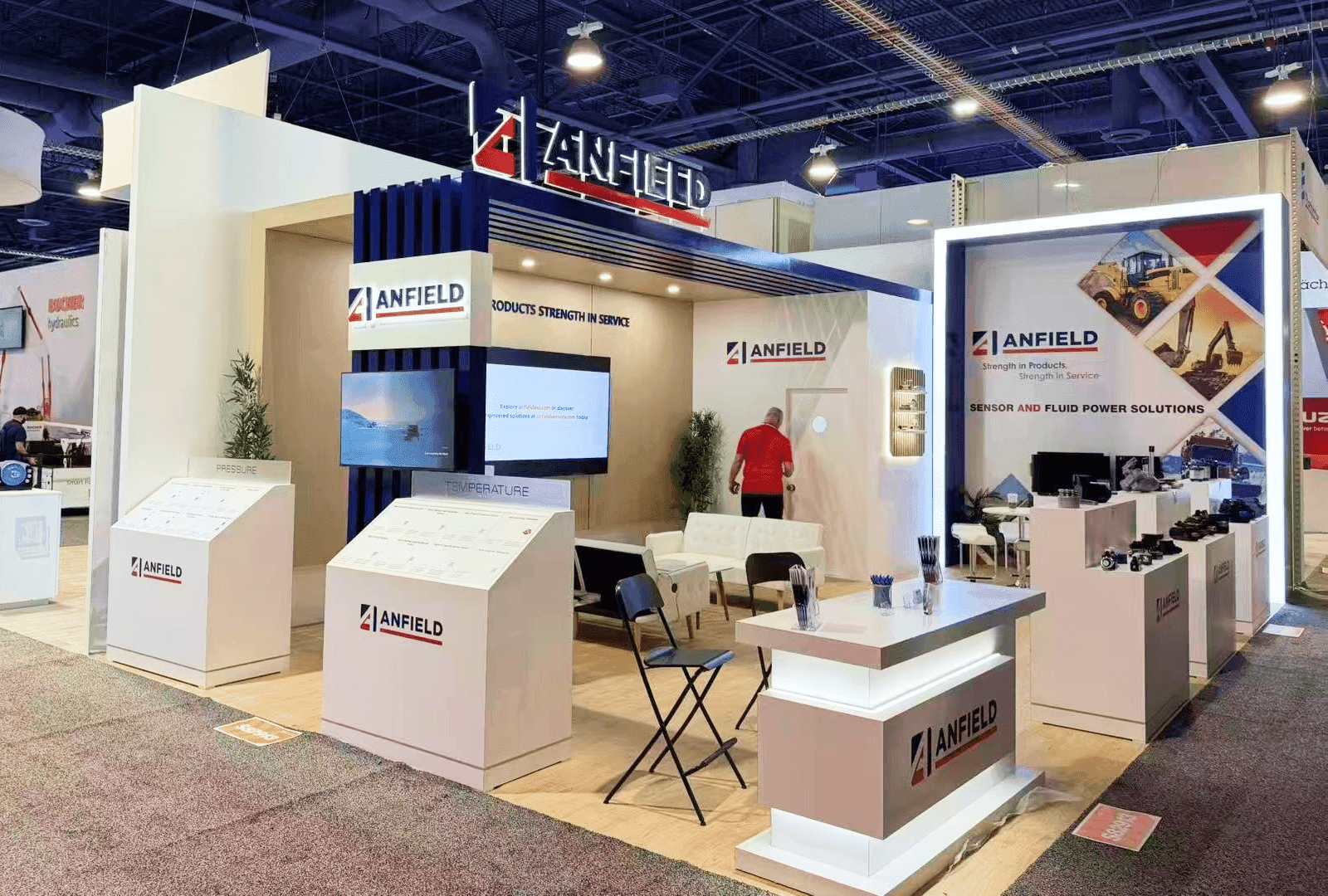
Trade show booth graphics installation check in Las Vegas with backwall alignment, counter graphics, lightbox display, and show-floor readiness

Graphics installation should be checked before show opening to confirm alignment, lighting, visibility, and a clean visitor-facing presentation.

Final Takeaway

Trade show booth graphics for Las Vegas exhibitors should be planned as part of the full booth experience.

Backwalls need to explain the booth from the aisle. SEG panels need fit and tension checks. Lightboxes should support the product message, not compete with it. Counter graphics and screen messages should match the demo. Installation checks should confirm that everything fits, aligns, lights correctly, and looks ready before the hall opens.

Strong booth graphics are not only visual assets. They are part of how visitors understand the booth, decide whether to stop, and move into a conversation.
What trade show booth graphics do Las Vegas exhibitors need?

Las Vegas exhibitors usually need booth graphics such as backwalls, SEG fabric panels, lightboxes, counter graphics, product message panels, screen support visuals, and aisle-facing signage. These graphics should be planned around booth size, visitor flow, lighting, installation sequence, and show-floor readability so the booth is clear before staff begin a conversation.

Las Vegas trade show booth graphics with branded backwall, lightbox display, counter graphics, and clear aisle visibility

Booth graphics in Las Vegas should be readable from the aisle and aligned with the booth’s demo, meeting, and visitor flow strategy.

Backwalls Should Explain the Booth From the Aisle

A backwall is usually the first graphic surface visitors notice. For many exhibitors, it carries the main brand message, product category, and strongest visual identity.

At busy Las Vegas shows, visitors may only glance at a booth for a few seconds before deciding whether to stop. That means the backwall should not be overloaded with small text, long product descriptions, or too many disconnected visuals. The main message should be clear enough to understand from the aisle.

A strong backwall graphic should answer:

  • What does the company offer?

  • What product category is being shown?

  • Why should a visitor stop?

  • Where should the visitor look next?

  • Does the message support the demo or meeting area?

For exhibitors using graphics and brand presentation support, the backwall should be planned with the booth layout, not treated as a separate design file. The graphic needs to match the wall size, viewing angle, lighting, and visitor flow.

Backwalls work best when they guide people toward the next action: watching a demo, scanning a product display, entering a meeting area, or speaking with staff.

SEG Panels and Large-Format Graphics Need Fit Checks

SEG booth graphics are useful because they create a clean, seamless surface. They work well for backwalls, side panels, towers, lightboxes, and modular booth structures. But they also need accurate sizing, tension, and installation checks.

A graphic that looks correct in a design file can still fail on the show floor if the frame size, bleed, fabric tension, or lighting position is wrong. That is why SEG graphics should be checked before move-in whenever possible.

For a 20x20 booth planning layout, SEG panels may be used for one main wall, one side wall, or a branded tower. In a larger booth, SEG graphics may be spread across several surfaces, which makes alignment even more important.

SEG and large-format graphics should be reviewed for:

Graphic Area

What to Check

Backwall panels

Size, bleed, message hierarchy, wrinkle control

Side graphics

Visibility from aisle angles

Lightbox graphics

Brightness, color consistency, fit

Counter graphics

Alignment with reception or demo function

Product panels

Readability near the demo area

Replacement graphics

Labeling and packing for future shows

Good booth graphics are not just printed correctly. They also need to install cleanly.

SEG booth graphics and backwall fit check for Las Vegas trade show booth with large-format branded panels

SEG graphics should be checked for size, tension, alignment, and lighting before the booth reaches the show floor.

Lightboxes Need to Support the Product Message

Lightboxes can make a booth feel more visible, especially in a large convention hall. But a lightbox should not be used only because it looks premium. It should support a message that needs attention.

Good lightbox placement often works near:

  • product displays

  • hero visuals

  • demo counters

  • aisle-facing corners

  • vertical towers

  • meeting entrances

  • branded feature walls

The key is restraint. If every surface is bright, nothing stands out. A lightbox should help the visitor understand what matters most.

For Las Vegas exhibitors, lightbox graphics should be planned with the booth’s lighting, power access, and installation sequence. The team should confirm how the lightbox is packed, installed, powered, and checked before opening day. If the graphic is not seated correctly or the lighting is uneven, the booth can look unfinished even if the rest of the structure is ready.


Counter Graphics and Screen Messages Should Match the Demo

Many trade show booths lose clarity at the counter level.

The backwall may look strong, but the demo counter, reception desk, and screen content may not explain the same story. Visitors then have to ask basic questions before they understand the booth. That slows down demos and weakens lead quality.

Counter graphics should reinforce the booth’s main message. Screens should not carry unrelated slide content. Product panels should connect directly to the demo being shown.

A clear booth graphic system usually includes:

  • one main backwall message

  • one product category statement

  • counter graphics that repeat the booth purpose

  • screen content that supports the demo

  • simple feature or benefit hierarchy

  • small directional signs only when needed

The goal is not to cover every surface. The goal is to make the booth easier to understand.

Installation Checks Make Graphics Work on Site

Graphics planning is incomplete until installation has been checked.

In Las Vegas, move-in timing, crate staging, labor sequencing, lighting, and power access can all affect how graphics are installed. Large panels, lightboxes, counters, and screens may need to go up in a specific order. If graphics are packed poorly or labeled unclearly, the installation team can lose time before the booth is even close to show-ready.

This is where on-site installation and dismantle support becomes important. The team should confirm that graphics match the structure, counters are placed correctly, lights do not create glare, and the final booth reads clearly from the aisle.

Before the show opens, exhibitors should check:

  • Are all graphics installed in the correct location?

  • Are SEG panels smooth and aligned?

  • Are lightboxes evenly lit?

  • Are counter graphics straight and clean?

  • Are screens supporting the same message?

  • Are cables, tools, and packing materials out of sight?

  • Can visitors understand the booth before talking to staff?

These checks help turn booth graphics from printed materials into a working brand presentation.

Trade show booth graphics installation check in Las Vegas with backwall alignment, counter graphics, lightbox display, and show-floor readiness

Graphics installation should be checked before show opening to confirm alignment, lighting, visibility, and a clean visitor-facing presentation.

Final Takeaway

Trade show booth graphics for Las Vegas exhibitors should be planned as part of the full booth experience.

Backwalls need to explain the booth from the aisle. SEG panels need fit and tension checks. Lightboxes should support the product message, not compete with it. Counter graphics and screen messages should match the demo. Installation checks should confirm that everything fits, aligns, lights correctly, and looks ready before the hall opens.

Strong booth graphics are not only visual assets. They are part of how visitors understand the booth, decide whether to stop, and move into a conversation.
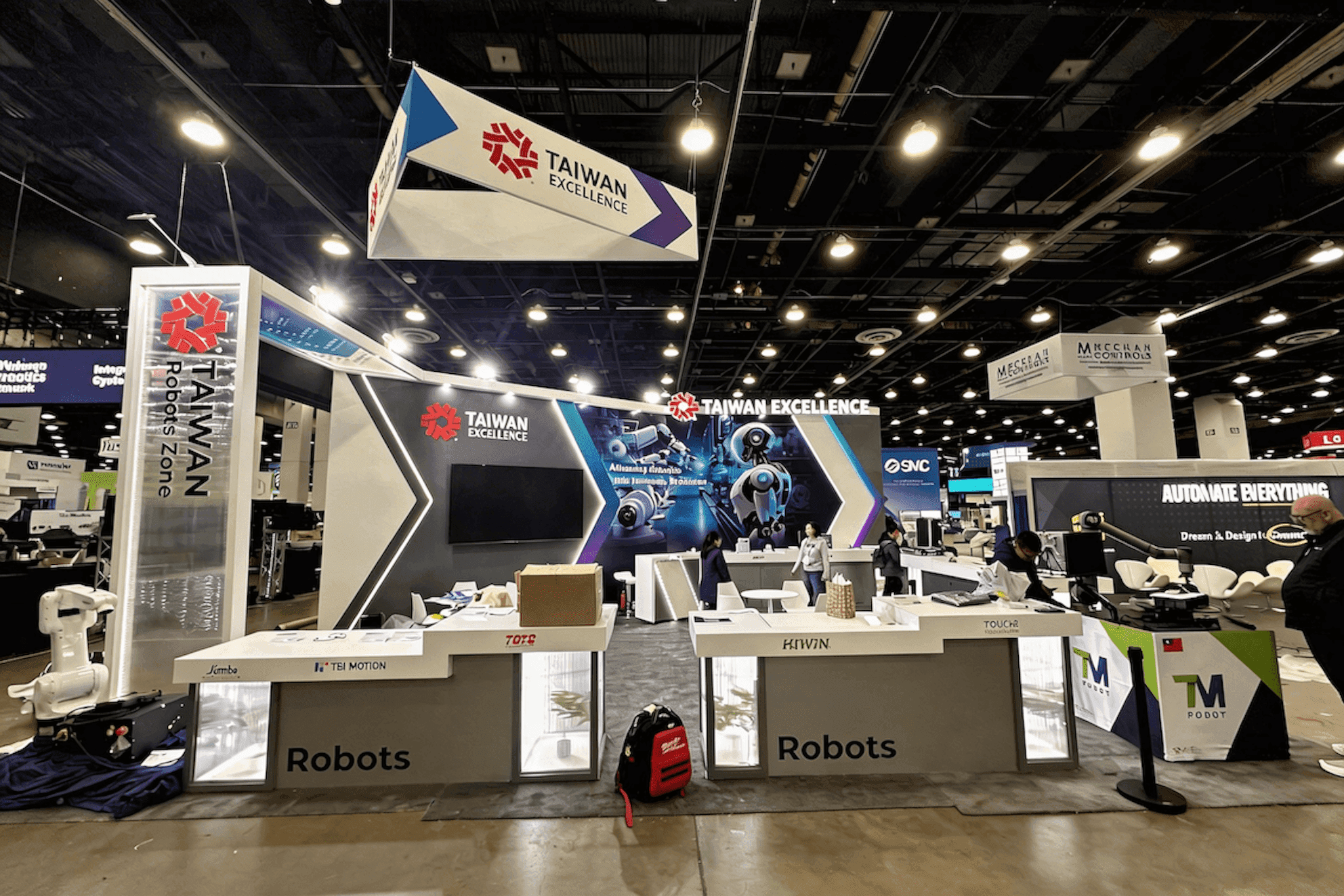
LVCC Installation Reality: Move-In Windows, Drayage, and Staging

Start with the main message, then match backwalls, SEG panels, lightboxes, counter graphics, production files, and installation checks to the booth size and venue setup. Strong booth graphics should look clear from the aisle and fit correctly during show-site installation.