Oracle Product Discovery Already Happens Beyond the Sponsor Booth
Oracle AI World already gives attendees several ways to explore Oracle products and technologies outside sponsor exhibits. The AI World Hub, Oracle demos, experts, and learning sessions all contribute to that product context.
The sponsor booth therefore does not need to become another complete Oracle product classroom. Its value begins where general product discovery leaves off: showing what this partner adds to a customer problem and providing enough proof to justify the next conversation.
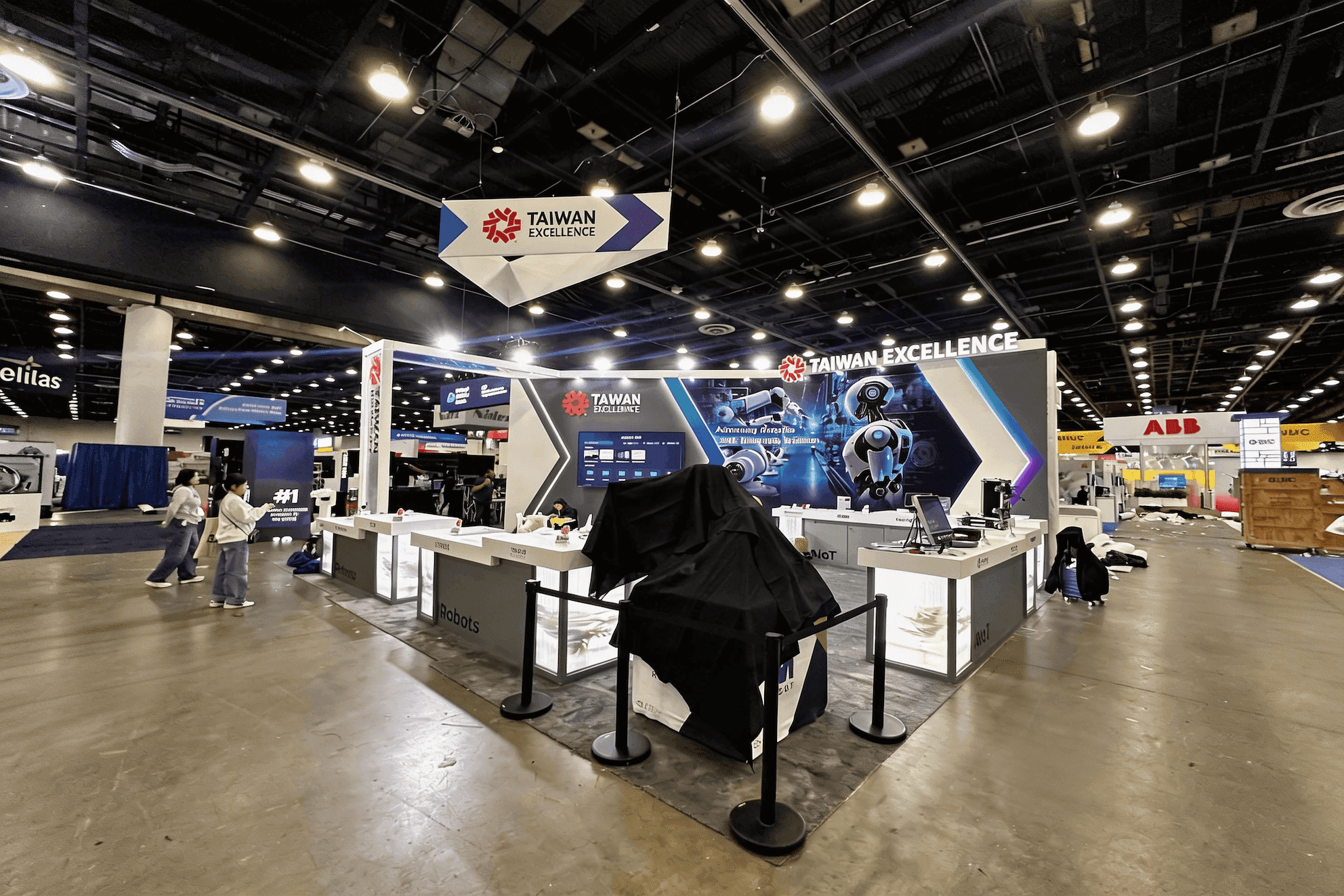
One customer story can move through three Oracle AI World touchpoints: Spotlight Learning explains the customer problem, the booth proves the partner’s role, and the Partner Briefing Center moves into customer-specific requirements.
How Should One Customer Story Change Across the Three Touchpoints?
The customer story should remain recognizable across Oracle AI World, but its job should change as the conversation becomes more specific.
Touchpoint | What It Should Own | Story Progression |
|---|---|---|
Spotlight Learning | Why the customer story matters | Customer Problem → Why It Mattered → Outcome |
Sponsor Booth | What the partner specifically contributes | Partner Role → Proof → Qualification |
Partner Briefing Center | How the solution applies to this customer | Customer-Specific Fit → Requirements → Next Action |
An Oracle partner might use Spotlight Learning to explain how a customer improved an industry workflow, use the booth to prove the integration or partner capability behind that change, and use the Partner Briefing Center to explore how the same approach would fit another customer’s Oracle environment.
If the customer story itself depends on several connected technologies or workflow stages, that becomes a different planning problem. The deeper Oracle AI World industry scenario booth planning page addresses how to keep that connected scenario understandable on the show floor.
The story stays connected. What changes is the job each touchpoint performs.
What Belongs in Spotlight Learning?
A useful Spotlight Learning story starts with a customer situation the audience can recognize, not a list of products.
What was creating friction? Why did it matter to the customer? Why was the existing approach no longer enough? Those questions establish the reason the solution deserves attention before Oracle or partner capabilities become the focus.
Oracle and the partner can then enter the story as part of the approach. Enough implementation context should be present to make the result credible, but the session does not need to reproduce the technical proof visitors may later see in the booth.
The outcome completes the story: what became easier, faster, more connected, or more manageable for the customer.
Spotlight Learning should establish why the story matters. It does not need to become the booth demo script.
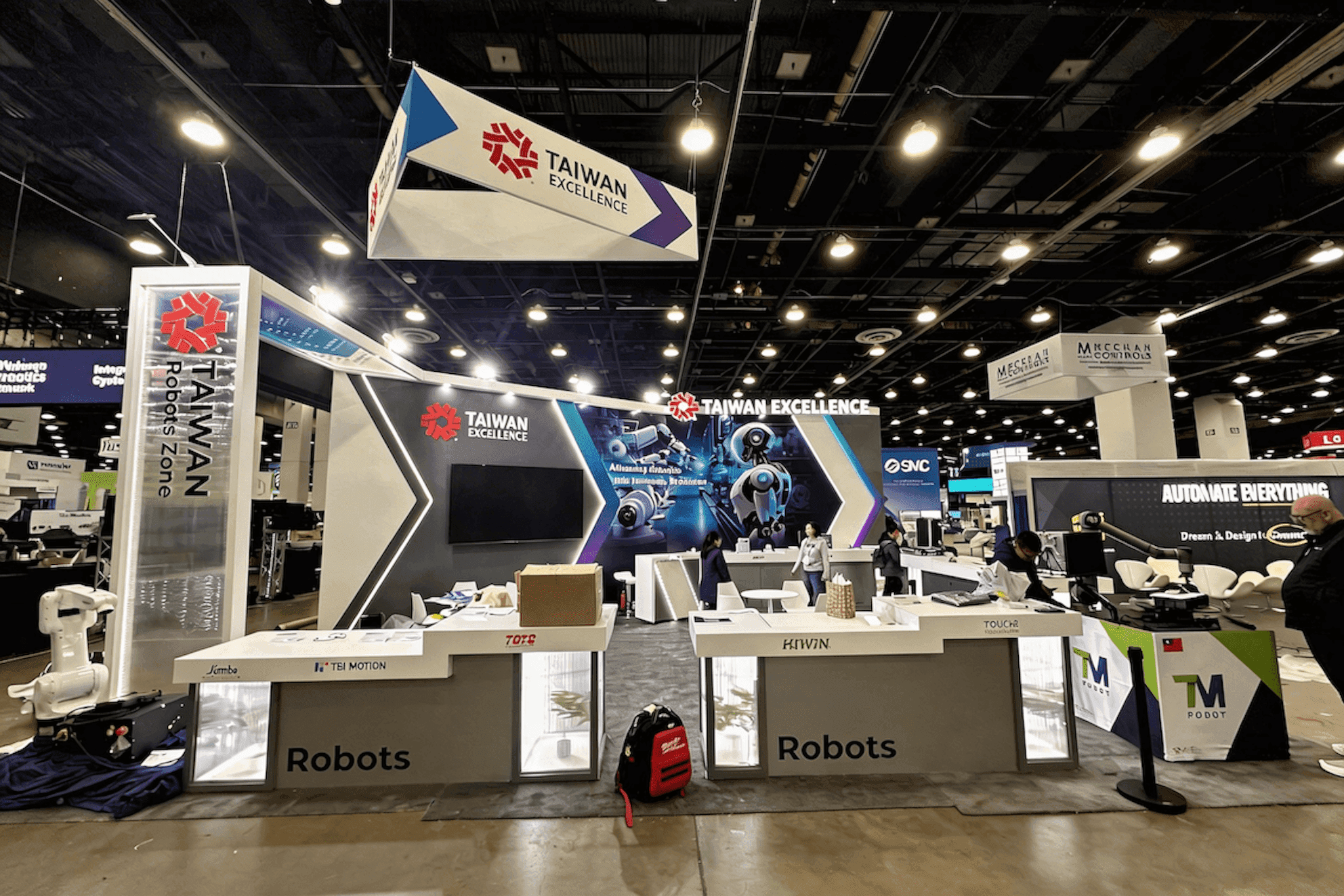
The sponsor booth should focus on relevance, proof, and qualification rather than repeating full Oracle product education or customer-specific implementation discussions.
What Should the Sponsor Booth Prove?
The sponsor booth should make the partner’s contribution tangible.
That contribution might be an integration the partner enables, a workflow that works differently because of its technology, an implementation capability, or another part of the solution that is difficult to understand from the customer story alone.
Live proof earns its place when seeing something happen changes the visitor’s understanding. A short workflow, system response, data movement, or application step may be enough to show why the partner matters. Background functionality that does not make that contribution clearer can wait.
The purpose of the proof is not to demonstrate everything the solution can do. It is to help the visitor answer a simpler question:
Is this relevant to my situation?
From there, the next question may differ. A business buyer might want to understand the customer impact. A technical buyer may want to discuss integration, data, infrastructure, or implementation. The booth does not need to resolve those questions at full depth; it needs to make them specific enough to know where the conversation should go next.
Once the proof itself is clear, graphics and brand presentation can help distinguish the customer problem, the partner’s contribution, and the evidence visitors should notice without forcing the booth to carry the entire story.
The booth’s role can be reduced to three steps:
Relevance → Proof → Qualification
What Belongs in the Partner Briefing Center?
The Partner Briefing Center becomes useful when the discussion is no longer about whether the solution is relevant, but how it would apply to this customer.
That can include the customer’s existing Oracle environment, systems or data that need to connect, implementation constraints, and responsibilities that need to be clarified between Oracle, the partner, and the customer team.
The conversation can now test the solution against real requirements rather than repeat the general proof shown in the booth.
A useful briefing should end with something concrete: a technical follow-up, architecture review, implementation discussion, stakeholder meeting, or another agreed next step.
The Partner Briefing Center therefore turns proven relevance into customer-specific action.
Where Should the Sponsor Booth Stop?
The sponsor booth has done enough when the visitor understands what the partner contributes, has seen credible proof, and has a specific reason to continue the conversation.
It does not need to repeat full Oracle product training or retell the complete Spotlight customer story. And once the discussion depends on one customer’s environment, implementation requirements, Oracle relationships, or a detailed next step, it has moved beyond general booth qualification.
The booth can create that deeper conversation without trying to contain all of it.
If the next question is specific to the visitor’s organization, the sponsor booth has completed its job.
Frequently Asked Questions
Does the sponsor booth need to repeat Oracle product demos?
No. Oracle AI World already gives attendees other ways to explore Oracle products and technologies. The sponsor booth should focus on the partner-specific contribution or proof that adds something beyond that product context.
What should move from the booth into the Partner Briefing Center?
Move questions that depend on the customer’s own Oracle environment, implementation requirements, Oracle and partner responsibilities, or a specific next step. The booth establishes relevance; the Partner Briefing Center applies it to that customer.
Should Spotlight Learning and the sponsor booth use the same customer story?
They can use the same customer story, but they should not repeat it at the same depth. Spotlight Learning explains the problem, why it mattered, and the outcome. The booth focuses on the partner-specific proof behind that story.