Start With One Manufacturing Technology Demo Story
An IMTS booth should not try to explain every machine, product line, sample, and process at the same time. When too many messages compete for attention, buyers may see the booth but miss the real value.
Start with one clear demo story. It may be machine performance, production efficiency, part quality, automation value, inspection output, or how the system fits into a real manufacturing workflow.
Once that story is clear, the booth layout becomes easier to plan. Equipment placement, screen content, sample display, staff position, storage, and buyer conversation space can all support the same message.
The goal is not to make the booth look full. The goal is to help the right visitor understand what the product does, why it matters, and what question to ask next.

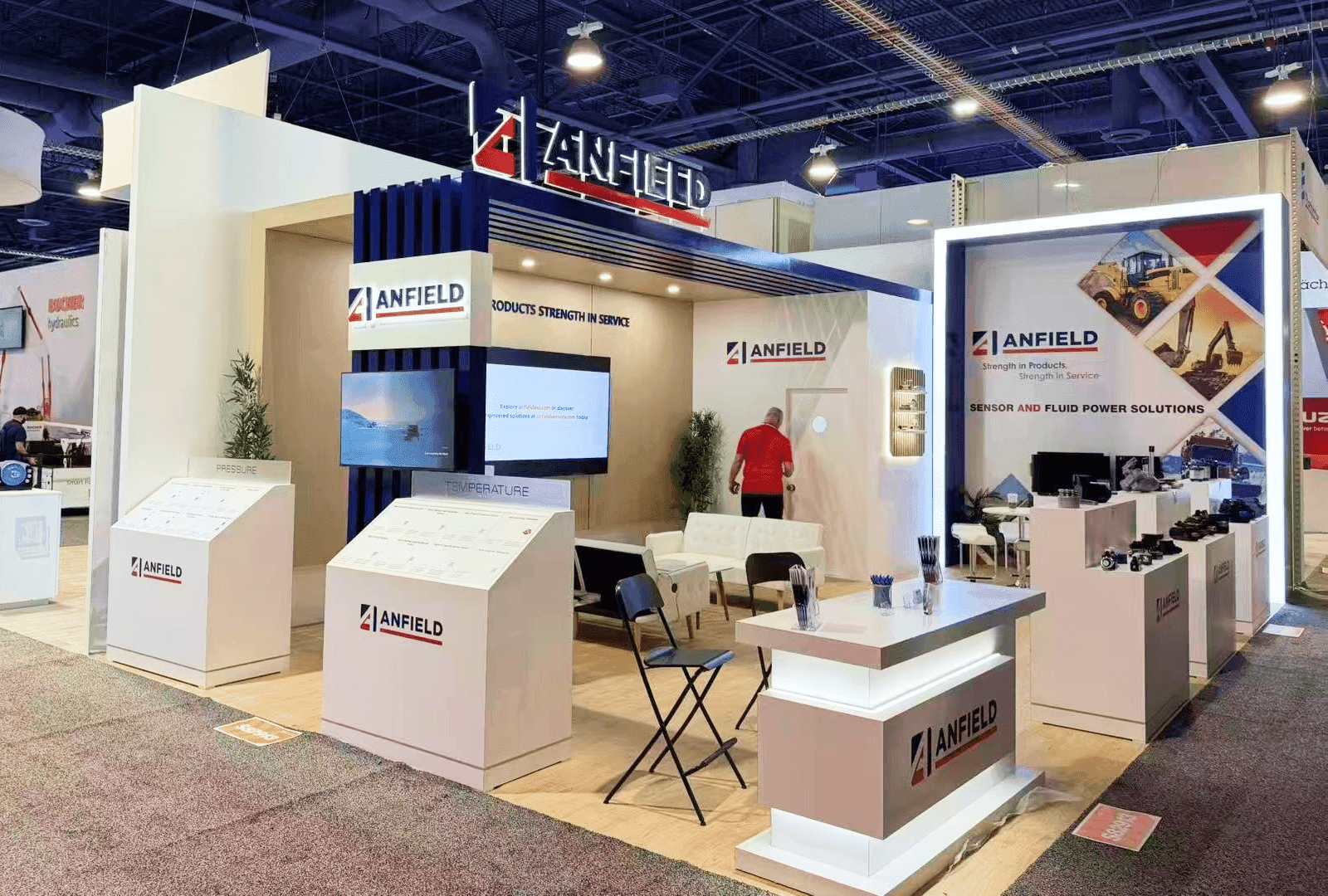
A manufacturing technology booth should start with one clear demo story so buyers can understand the product value before moving into deeper technical questions.
Plan Booth Areas Around Product Demos, Buyer Flow, and Technical Questions
A manufacturing technology booth works better when each area has a clear job. The layout should help visitors see the main demo from the aisle, understand what the equipment or product does, and move into a technical conversation without blocking the booth.
For IMTS exhibitors, this usually means planning the booth around three things at the same time: product visibility, buyer movement, and staff-led explanation.
Booth Area | Main Job | Planning Note |
|---|---|---|
Machine demo area | Show the core manufacturing capability | Confirm footprint, access, and viewing space before the layout is finalized |
Equipment display | Present systems, components, or production tools | Keep the display visible without crowding the aisle |
Sample or part display | Show output quality or application examples | Group samples by material, use case, or buyer need |
Screen content | Explain process, workflow, or inspection results | Connect screen visuals to the physical demo |
Technical counter | Support engineering or sourcing questions | Place it near the demo but away from traffic congestion |
Storage | Hide cases, tools, cables, and literature | Keep storage close to staff but out of buyer view |
Staff position | Guide qualified conversations | Staff should not block the demo, screen, or product display |
The booth should not feel like separate pieces placed together. The demo, samples, screen content, and conversation area should all point back to the same manufacturing story.

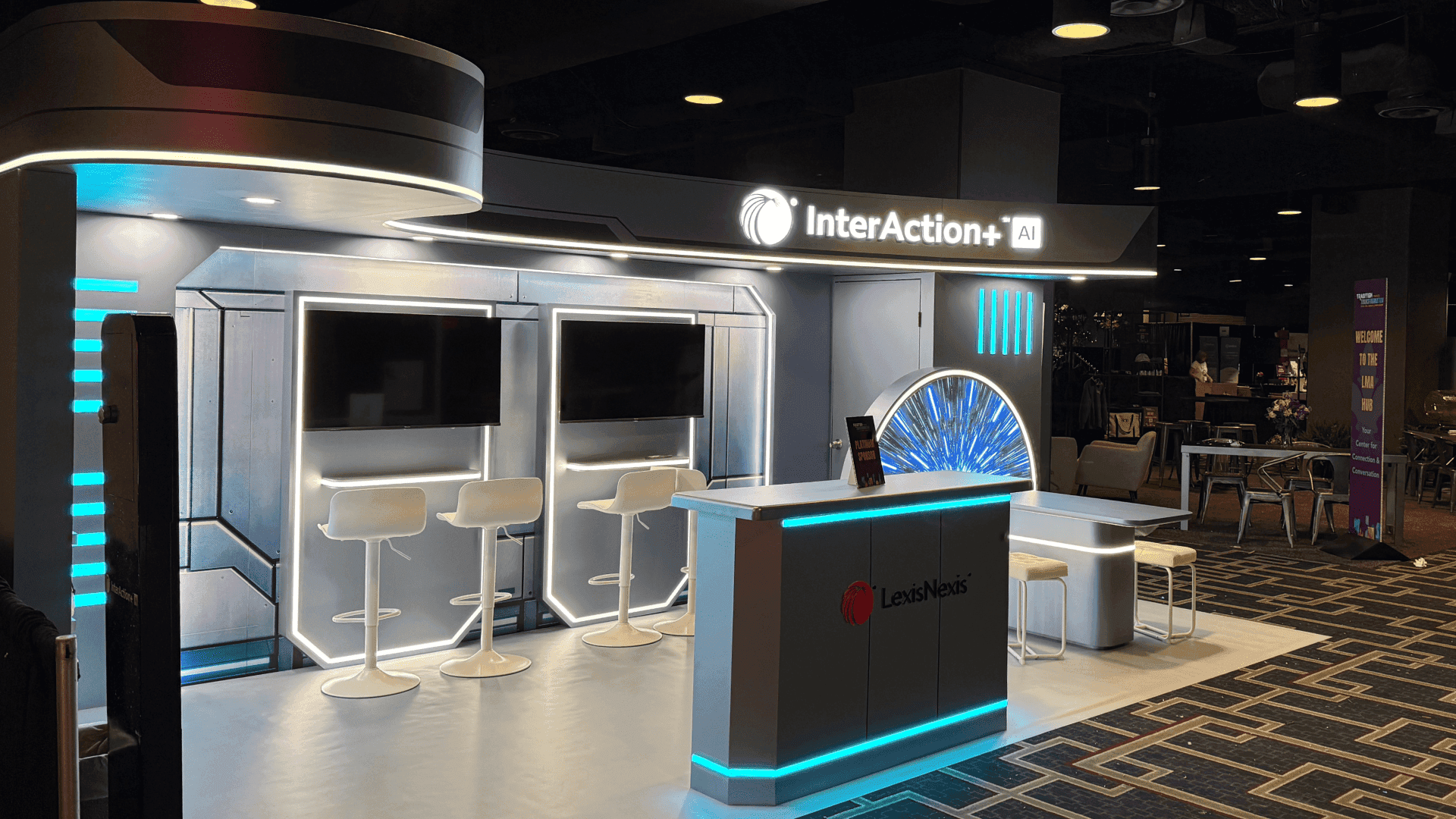
Product demos, screen content, sample displays, storage, and staff positions should work together instead of feeling like separate booth areas.
Make Equipment and Product Demos Easy to Understand
Manufacturing products can be hard to read from the aisle. A machine, component, tooling system, or inspection device may be valuable, but visitors need a clear reason to stop before they ask for details.
The demo should answer one simple question first: what does this product improve? It may reduce production time, improve part quality, support automation, simplify inspection, or help solve a specific manufacturing problem.
Part samples, output examples, short labels, and screen content can help buyers connect the equipment to a real use case. Staff should also have enough room to explain the demo without standing in front of the product or blocking the main view.
A good IMTS booth does not need to show every technical feature at once. It should make the main product value easy to see, then let qualified buyers move into deeper questions.
Use Screens to Explain Process, Output, and Workflow
Screens are useful when the value of a manufacturing product is not easy to see from the equipment alone. A machine may look impressive, but buyers still need to understand the process, output, speed, accuracy, or production role behind it.
For an IMTS booth, screen content should stay close to the physical demo. It can show workflow steps, inspection results, part comparisons, production data, application examples, or before-and-after output. The screen should not become a separate presentation that pulls attention away from the product.
Keep the message short. Visitors should be able to understand the main point in a few seconds, then use the screen as a reason to ask a more specific question.
When screen content, booth graphics, and product placement work together, the booth is easier to read from the aisle and easier for staff to explain. For exhibitors that need clearer visual support, trade show booth graphics and brand presentation can help connect technical information with the booth story.
Match Booth Size, Freight, and Show-Site Setup to Demo Complexity
Booth size should follow the demo, not the other way around. A simple product display may work in a smaller layout, but manufacturing technology booths often need space for equipment footprint, buyer viewing angles, part samples, screens, storage, and staff movement.
A 20x30 booth can work well when the demo is focused and the equipment does not require much clearance. A larger booth, such as a 30x40 booth layout, makes more sense when the exhibit includes heavier equipment, multiple demo points, stronger aisle visibility, or a more complex buyer flow.
Freight and setup should also be reviewed before the layout is final. Crates, tools, power access, move-in timing, and installation sequence can all affect where equipment should sit and how the booth is built.
For IMTS exhibitors, the safest approach is to plan booth size, freight, and show-site setup together. Early logistics and pre-show coordination helps reduce layout changes later and keeps the demo practical once the booth reaches the show floor.

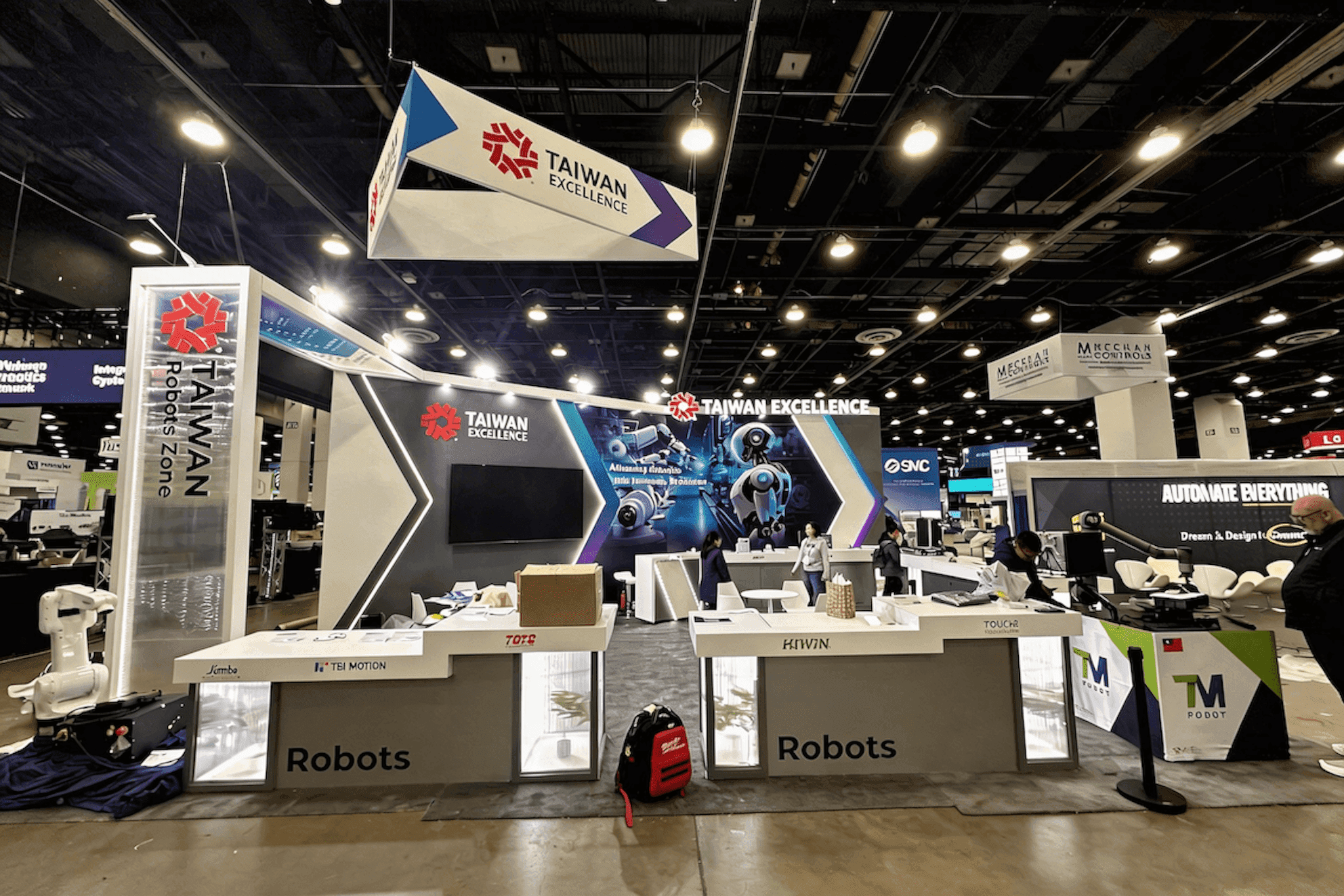
Manufacturing booths often need early planning for booth size, equipment footprint, freight timing, power access, storage, and final show-site setup.
IMTS Manufacturing Technology Booth Checklist
Before final booth approval, IMTS exhibitors should review whether the layout can support both the product demo and the buyer conversation.
Is the main manufacturing demo story clear?
Is the machine or equipment footprint confirmed?
Can visitors see the demo without blocking aisle traffic?
Are part samples, output examples, or materials easy to compare?
Does the screen explain process, workflow, or performance clearly?
Is there enough space for staff to answer technical questions?
Are tools, crates, cables, and literature kept out of buyer view?
Is storage close enough for staff to use during the show?
Does the booth size match the demo, equipment, and traffic flow?
Have freight, power, move-in timing, and installation needs been reviewed?
For the broader show context, exhibitors can use the main IMTS booth planning page as the Event reference, then use this checklist to review booth layout, equipment demo flow, and show-site readiness.
FAQ
What makes an IMTS manufacturing technology booth different?
An IMTS manufacturing technology booth usually needs to explain more than a product name or brand message. It may involve machines, production workflow, part samples, inspection output, automation value, or technical application details. The booth should make these complex points easier to understand without crowding the layout.
Should IMTS exhibitors focus more on equipment display or buyer conversations?
Both matter. The equipment or demo creates the first reason to stop, but qualified buyers often need a deeper conversation before they understand fit, cost, integration, or production value. A strong booth keeps the demo visible while giving staff enough space to answer technical questions.
What booth size works well for IMTS manufacturing exhibitors?
A 20x30 booth can work for a focused product or equipment demo with screen support, storage, and short buyer conversations. A 30x40 booth is often better when the exhibitor needs larger equipment, multiple demo points, more staff movement, or stronger aisle visibility.