What Happens at the Booth—and What Belongs in the SolutionBridge Meeting
A buyer standing at the main demo counter is not yet in the same type of conversation as a buyer sitting down with a SolutionBridge meeting representative. The booth needs speed, visible proof, and a clear reason to continue. The scheduled meeting needs enough context to examine whether the solution fits the buyer’s technical, operational, or commercial requirements.
At the booth, staff can identify what the visitor is evaluating and select the product path most closely related to that problem. The purpose is not to complete every qualification question or turn the interaction into a full sales presentation. Long conversations can occupy the primary demo station, pull specialists away from other visitors, and mix technical, procurement, and implementation questions into one crowded exchange.
The demo has a narrower role. It needs to make one product claim credible. That may mean showing a workflow completing, an exception being identified, a control being applied, or a user moving from an input to a recognizable result. It does not need to cover the entire platform.
The SolutionBridge meeting can begin where that proof ends. Architecture, integration, governance, pilot requirements, commercial scope, and procurement fit are better discussed after the meeting representative understands the buyer’s use case and what has already been shown.
That division also reflects the discovery purpose of SolutionBridge. A productive 15-minute meeting does not need to produce an immediate purchasing decision. It needs to clarify whether there is enough technical, commercial, or implementation fit to justify another step.

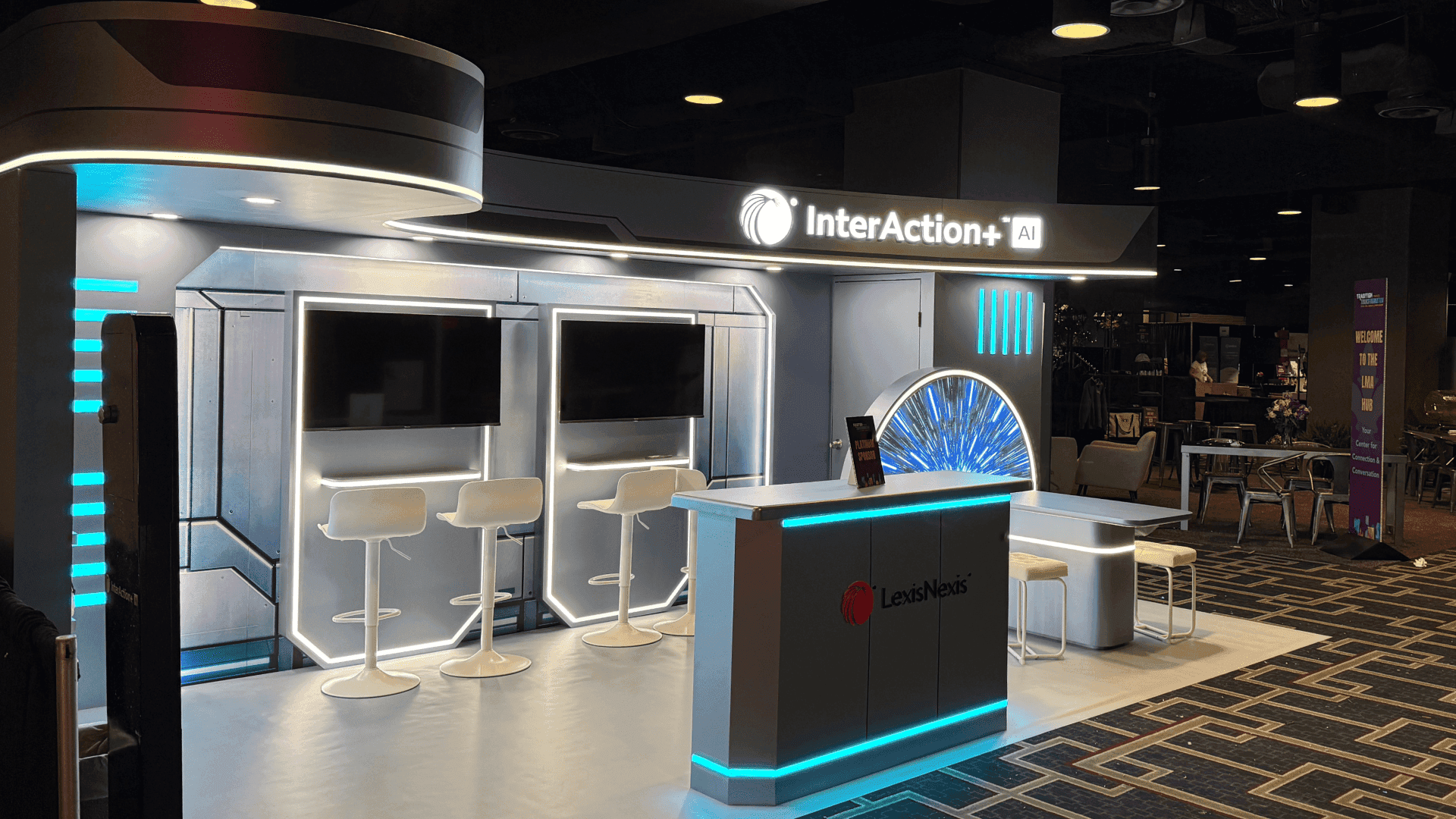
A focused HumanX booth demo connects the buyer’s business problem with one visible product result before determining whether a deeper SolutionBridge meeting is relevant.
What a Short Product Demo Needs to Prove
Qualification begins before the presenter opens the product. The first useful questions concern the visitor’s role, the problem under review, and how the current workflow operates.
At HumanX, technical, operational, strategic, compliance, and commercial visitors may evaluate the same AI product through different priorities. An operations leader may be looking for a shorter review process. A security-focused visitor may be waiting to see a permission, control, or audit point. The product remains the same, but the proof that makes it relevant can change.
Once that priority is understood, the presenter can choose one product path instead of opening a complete platform tour. The demonstration needs a recognizable endpoint that the visitor can evaluate without a long explanation.
The visitor’s reaction matters as much as what appears on the screen. Questions about architecture, integration, deployment, governance, pricing, or pilot requirements usually indicate that the initial proof was relevant but incomplete. Those questions give the scheduled meeting a clear purpose.
When the proof does not connect with the buyer’s use case, the team can redirect or close the conversation naturally. Not every badge scan or demo view needs to become a meeting.

A concise handoff note gives the meeting representative enough context to continue the buyer discussion without repeating the same introduction or product demo.
The Context the Meeting Representative Needs
A name and company are not enough for a useful trade show lead handoff. Before the buyer leaves the booth, the team needs six usable details:
Role and company
Business problem
Demo viewed
Open question
Required specialist
Meeting objective
The note does not need to become a long sales report. It only needs to show why the conversation is continuing and where the next person should begin.
Example Handoff Note
Consider a VP of Operations evaluating an AI-assisted document review process. The buyer has already seen the platform classify an incoming file and route an exception for approval. The remaining concern is whether the workflow can connect with the company’s existing CRM and review controls.
A weak note might read:
Interested in document automation.
A more useful handoff would read:
VP of Operations evaluating manual review during customer onboarding. Saw the automated document-review workflow. Needs to confirm CRM integration and exception controls with a solutions architect. Meeting objective: determine whether a pilot is technically realistic.
The second note allows the meeting representative to begin with the unresolved issue. The buyer does not have to repeat the use case or sit through the same demonstration before the real evaluation starts.
It also helps the team route the meeting correctly. An integration question belongs with a technical specialist. A discussion about implementation scope, procurement, or commercial terms may require a different owner. The handoff has worked when the next person can continue from the right point without reconstructing the conversation.

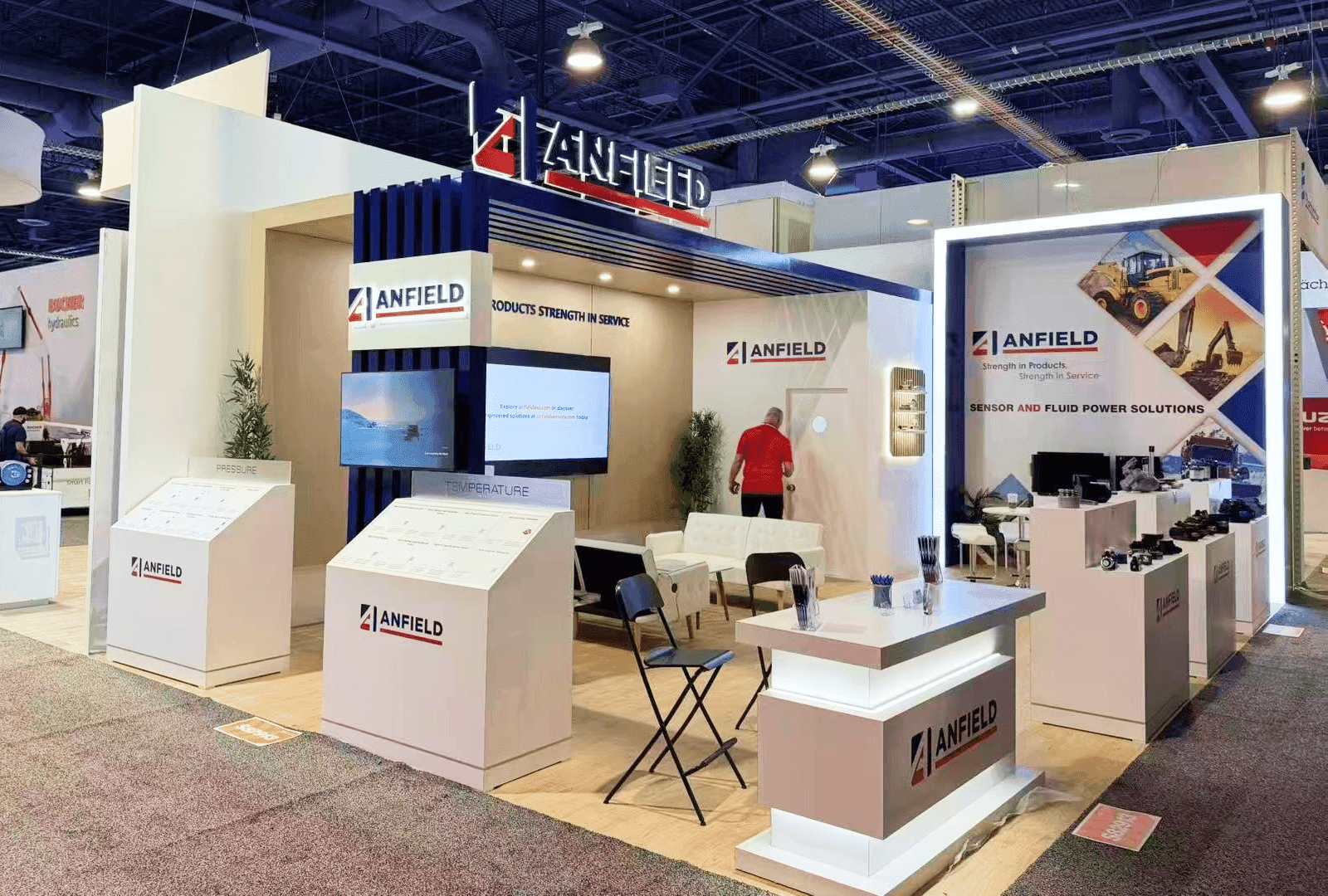
A 20x20 HumanX booth can keep the main demo active while separating visitor qualification, specialist conversations, equipment storage, and movement toward scheduled meetings.
Booth Coverage and Space During SolutionBridge Meetings
SolutionBridge meetings take place away from the exhibitor’s main demo position, so scheduled conversations may pull founders, sales leaders, or product specialists out of the booth. The team needs to decide who leaves, who stays, and how the information moves between them before the show floor becomes busy.
Keeping the Main Demo Covered
A small team may combine several responsibilities, but three functions still need clear ownership.
Demo and booth coverage
This person keeps reception and the repeatable product demo active while other team members attend meetings. They should also be able to record a visitor’s main question when the required specialist is unavailable.
Meeting representative
The meeting representative tracks the SolutionBridge schedule, receives the booth context, and records the outcome. This person does not need to answer every question personally, but should know who needs to join and what the meeting is expected to accomplish.
Specialist
A technical, security, compliance, implementation, or commercial specialist joins when the remaining question requires deeper expertise.
The schedule needs to be visible to the people staying in the booth. When a meeting runs late or a specialist is pulled into another conversation, the remaining staff should know whether to continue the demo, capture the question for later, or route the visitor to someone else.
Giving the Handoff Enough Space
Qualification, product proof, and specialist discussion should not compete for the same counter.
Reception needs enough visibility to identify the visitor and understand the purpose of the conversation. The main screen should remain available for short demonstrations rather than becoming the backdrop for a long technical discussion. A nearby standing position can absorb a deeper question while the demo resets for the next visitor.
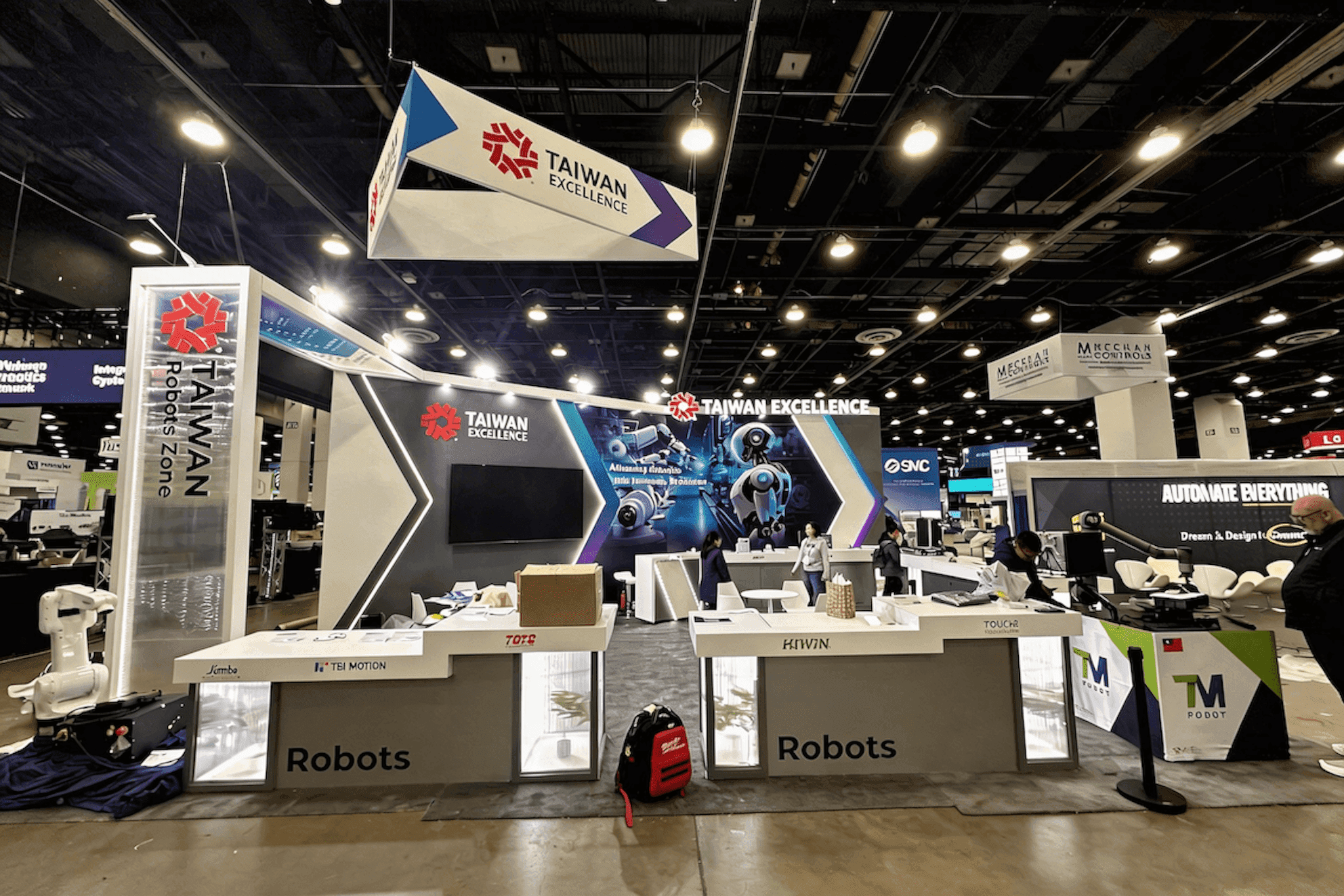
For teams expecting the demonstration and a buyer discussion to run at the same time, a 20x20 booth layout can provide clearer separation between visitor qualification, product proof, specialist conversation, and storage. The booth does not need to recreate the SolutionBridge Lounge. It only needs enough structure to prepare the buyer and meeting team before they move to the scheduled table.
The less visible operating details matter as well. Booth design and engineering should account for screen sightlines, cable routing, laptop access, chargers, backup devices, and meeting materials. These items need to remain accessible without filling the visitor-facing counter or interfering with staff movement.
Before the Meeting Ends: Next Action, Owner, and Timing
A productive buyer meeting should finish with more than a general promise to reconnect. Before the conversation ends, both sides need to understand what remains unresolved and which action would move the evaluation forward.
The outcome depends on the buyer’s stage. One meeting may lead to technical validation or a security and compliance review. Another may move toward pilot planning, implementation scope, commercial qualification, or a partner discussion.
The open question also needs an owner. Someone should be responsible for providing the missing documentation, involving the right specialist, arranging the next discussion, or confirming that the opportunity is not ready to advance.
This keeps the meeting aligned with SolutionBridge’s discovery role. The goal is not to force a decision in 15 minutes, but to leave with enough clarity to know whether another technical, commercial, or implementation step is justified.
FAQ
Does Every HumanX Booth Visitor Need a Scheduled Meeting?
No. Some visitors only need a quick explanation or short product demo to decide whether the solution is relevant. A scheduled meeting becomes useful when the discussion requires deeper technical, commercial, procurement, partnership, or implementation evaluation.
What Information Should Be Passed to the Meeting Representative?
The handoff should include the visitor’s role and company, the business problem, the demo viewed, and the main unanswered question. It should also identify the specialist required and the outcome the team hopes to reach during the meeting.
Should the Same Person Run the Demo and Attend the Meeting?
Not necessarily. Larger teams can separate booth demo coverage from meeting attendance so the exhibit remains active during scheduled conversations. Both people need access to the same product story and handoff context, so the buyer does not have to repeat the discussion.