What FETC 2027 Meeting Rooms Can Exhibitors Reserve?
FETC offers meeting rooms separately from ordinary exhibition space. A discussion area inside an exhibitor's booth uses its contracted floor space and furnishings rather than a separately purchased organizer room.
Meeting Option | Published Price | Listed Setup and Access |
|---|---|---|
In-Booth Meetings | Depends on exhibit scope | Uses the exhibitor's contracted booth space |
Expo-floor 10×10 Room | $5,350 | Six chairs, one café table, electricity; Expo hours only |
Expo-floor 10×20 Room | $10,225 | Twelve chairs, two café tables, electricity; Expo hours only |
Convention Center Room | $31,125 | Customizable initial setup; advertised access from Tuesday through Friday's half-day |
FETC 2027 published rates, checked October 10, 2026. Availability and final package terms require organizer confirmation.
Both Expo-floor rooms include basic furnishings and logo recognition outside the meeting space. The 10×10 package also lists a check-in table and two chairs outside the room. Listed chair counts describe the supplied furniture, not verified maximum occupancy.
The convention center package includes promotional recognition, a branded meter board, and up to 25 presenter passes. Additional room setups may cost extra. FETC also lists a $6,575 Session Promotion Add-On for eligible Meeting Room Sponsors; it is not mandatory for every room reservation.
An official 10×10 meeting room is not a standard 10×10 exhibit booth. The two products have different permitted uses, costs, and setup responsibilities.
Current terms are available through the FETC meeting-room listings.
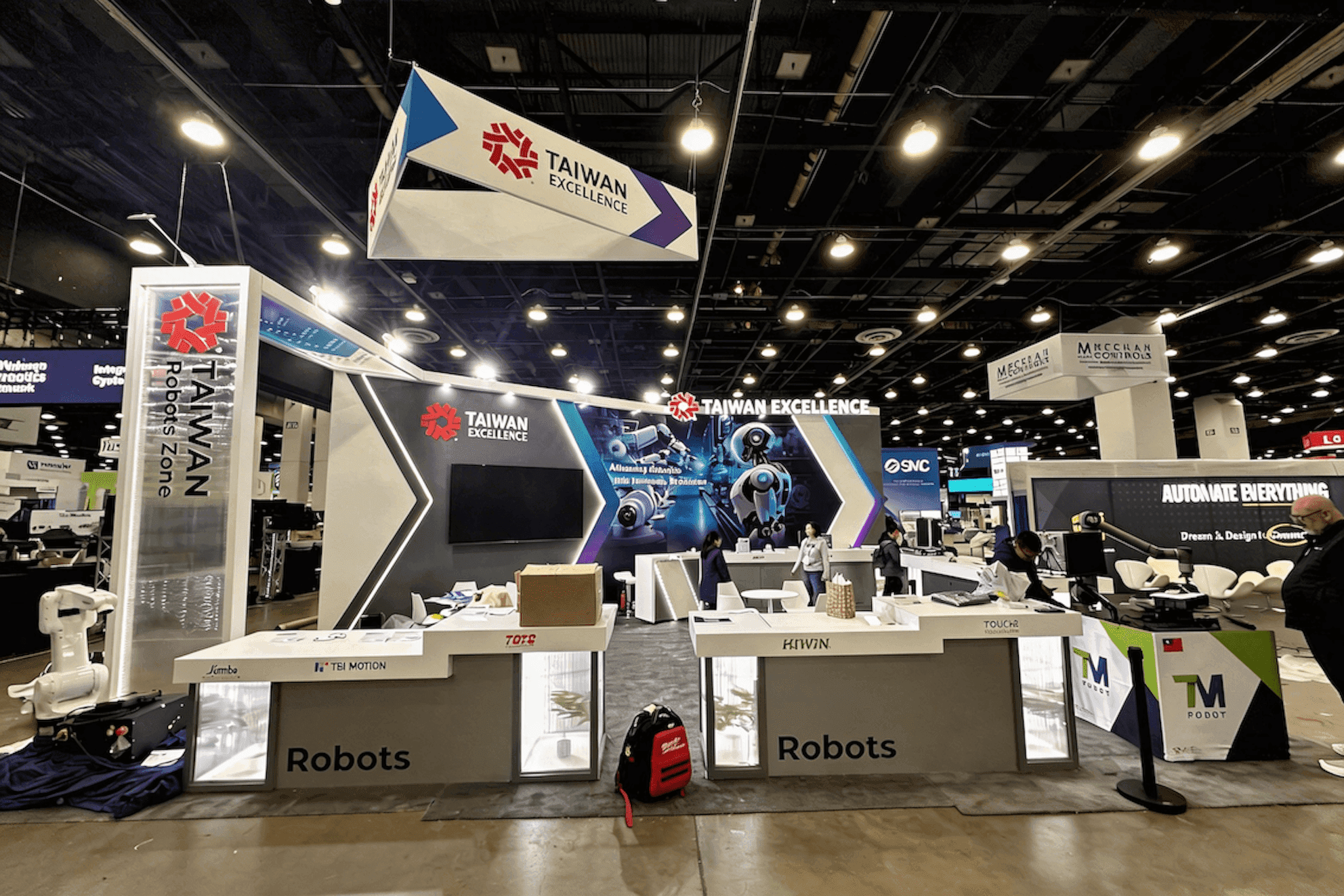
FETC 2027 lists six chairs for the 10×10 Expo-floor meeting room and twelve for the 10×20 option. Final room arrangements and permitted occupancy should be confirmed with the organizer.
How Do Cost, Capacity, Meeting Frequency, and Access Hours Compare?
Start with confirmed appointments. One short conversation following a software demonstration may fit comfortably inside the booth. Several scheduled district meetings could justify a separate room, particularly when they would keep other visitors waiting for the same staff or demonstration area.
Meeting size matters, but so does the format. FETC's 10×20 room supplies twelve chairs across two café tables. That may accommodate more participants than the 10×10 option, but it does not automatically provide the seating arrangement needed for a formal group presentation.
The meeting schedule may rule out an otherwise suitable room. FETC's published 2027 Expo Hall hours are:
Tuesday, January 26: 3:30–5:30 PM
Wednesday, January 27: 9:30 AM–4:30 PM
Thursday, January 28: 9:00 AM–2:30 PM
A district appointment at 11 AM on Tuesday falls outside the listed access period for an Expo-floor meeting room. Conference programming continues on Friday, but the published schedule does not include Friday Expo Hall hours. The convention center package offers broader access, subject to confirmation of its exact terms.
Cost also needs to be assessed beyond the advertised room rate. Additional screens, internet service, furniture, or other meeting requirements may increase the expense.
The other consideration is what happens in the booth. Moving longer appointments elsewhere may keep product demonstrations available, but it does not guarantee a financial saving. A smaller footprint only reduces costs if the revised rental and production scope is actually less expensive.
Which FETC Meeting Room Is the Right Choice?
Choose the option that meets a confirmed requirement rather than paying for space that may go unused. Not purchasing an additional meeting room is a valid decision when the booth can accommodate scheduled conversations without disrupting demonstrations.
Meeting Option | Best Fit | When to Rule It Out |
|---|---|---|
No Additional Room | Short, demo-dependent conversations that do not interrupt visitors | Meetings regularly occupy demo space or require more private seating |
Expo-floor 10×10 | Small-group appointments during Expo hours, with a suitable six-chair arrangement | Meetings fall outside Expo hours or require a different setup |
Expo-floor 10×20 | Larger district groups needing more dedicated seating during Expo hours | Additional seating is unnecessary or the two-table arrangement is unsuitable |
Convention Center Room | Hosted sessions, extended meetings, or activities requiring broader access | Occasional Expo-hours meetings do not justify the higher package cost |
Booth + Separate Room | Live-demo conversations remain in the booth while other confirmed appointments take place elsewhere | Staffing or appointment volume cannot justify two locations |
For example, an exhibitor with several confirmed Wednesday district meetings could consider the 10×10 Expo-floor room if its seating works and those appointments would otherwise interrupt demonstrations. A larger room would need a separate justification, such as additional participants or a different meeting format.
The convention center room serves a different purpose. Its extended access and hosted-session benefits may be valuable when appointments cannot take place during Expo hours, but the higher cost should be supported by the actual schedule.
Before committing, identify the selected option, the meetings assigned to that space, and any conditions awaiting organizer confirmation. This establishes a specific meeting arrangement rather than a general preference for private discussions.
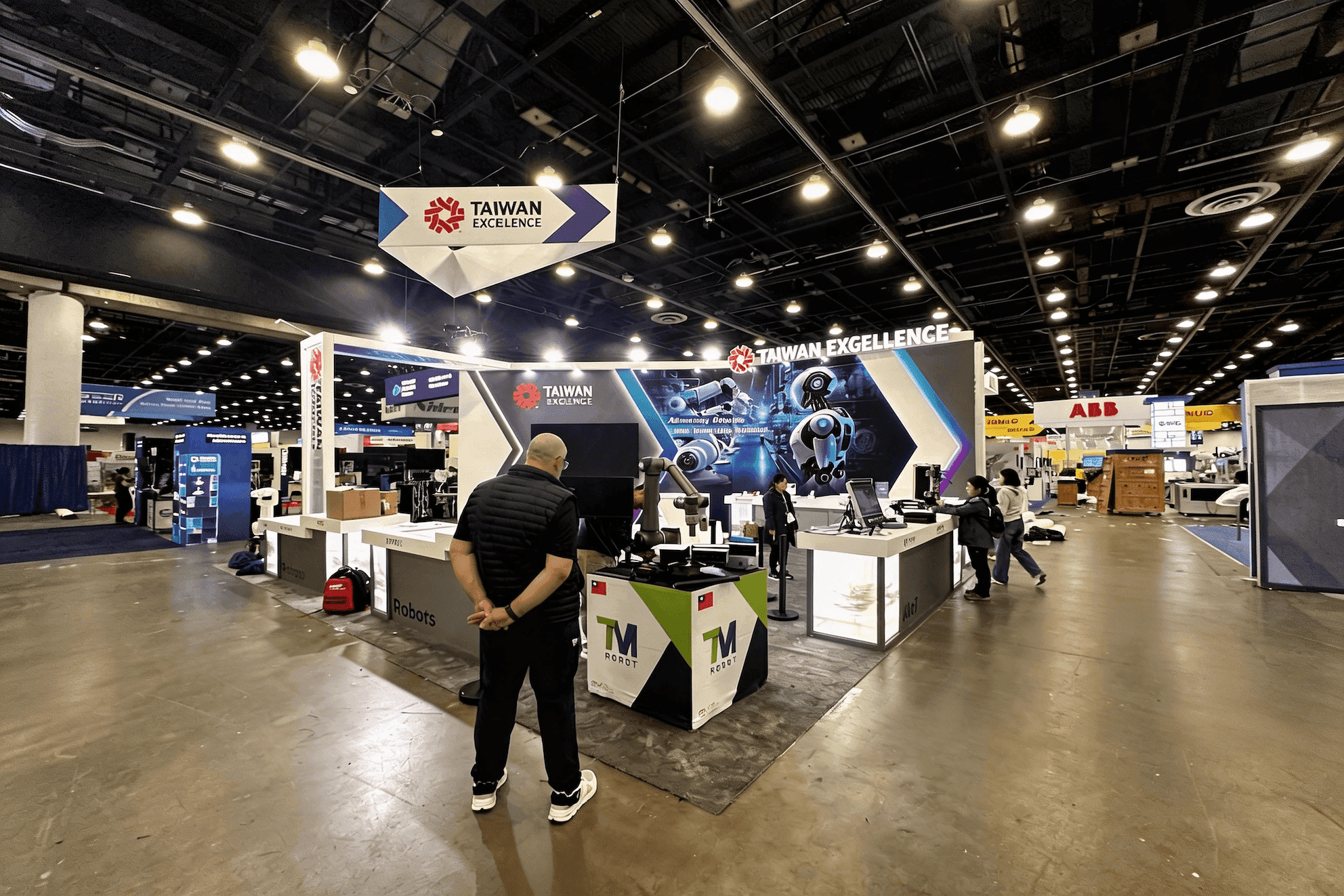
Moving district meetings to a separate room can free up space for demonstrations and visitor circulation. A 20×20 rental booth may still need its original footprint for equipment, staff, and storage.
What Booth Space Do You Still Need After Booking?
Moving longer meetings elsewhere changes how the booth is used, but it does not remove the demonstrations, equipment, or staff required to run it.
Software screens, physical devices, operating positions, and observer space may still occupy most of the floor. Brief technical questions can often be handled at a compact counter rather than a full meeting table. Equipment storage and visitor access also need to remain practical.
Consider a 20×20 booth supporting two active demonstrations. Removing its meeting table could improve circulation and give visitors a clearer view of the products, yet the remaining equipment and staff might still require the original footprint.
A revised booth brief should identify the demonstrations that remain, the space visitors need to watch them, any short discussion area, and the equipment requiring storage. Only meeting functions that have genuinely moved elsewhere should be removed from the layout.
Those details give an Orlando booth rental proposal a more accurate starting point. The rental configuration can be developed around the activities still taking place at FETC rather than assuming that fewer in-booth meetings automatically mean a smaller exhibit.
What Should Be Confirmed Before Reserving?
Confirm the selected room's current price, availability, access hours, permitted seating arrangement, included services, and additional charges directly with FETC. Any required screens, connectivity, or promotional benefits should be checked against the actual package terms.
FETC manages official meeting-room reservations. Booth design, rental, graphics, and installation are separate services. Once the meeting arrangement is confirmed, update the exhibit scope before approving changes to its size or layout.
FAQ
Is an FETC 10×10 meeting room the same as a 10×10 exhibit booth?
No. The official meeting room is a separately priced, furnished space for meetings during Expo hours. A 10×10 exhibit booth is contracted exhibition space with different costs, permitted uses, and setup requirements.
Can FETC Expo-floor meeting rooms be used after Expo Hall closes?
Not under the published 2027 terms. Expo-floor rooms are listed for use during exhibition hours only. The convention center room offers different access arrangements, which exhibitors should confirm before scheduling appointments.
Does booking a separate meeting room mean exhibitors need a smaller booth?
Not necessarily. A smaller booth makes sense only if relocating meetings reduces the space needed for the remaining activities. Demonstrations, equipment, staffing, and visitor access may still justify the original footprint.