What the Submitted Rankings Actually Tell You
Pull up the category rankings your company submitted. For each one, list the products you can present now, then flag samples that have not arrived, packaging that has changed, or details awaiting approval. A category on the form does not guarantee a meeting on that exact subcategory or reveal what a particular buyer will ask.
One SKU can be relevant to two submitted categories. A cleanser might fit Skin Care → Facial Cleansing/Moisturizing and Naturals & Clean Beauty → Facial Skin Care if the supplier submitted both and the product genuinely fits each one. Record it once, with a note about how you would introduce it in each conversation.
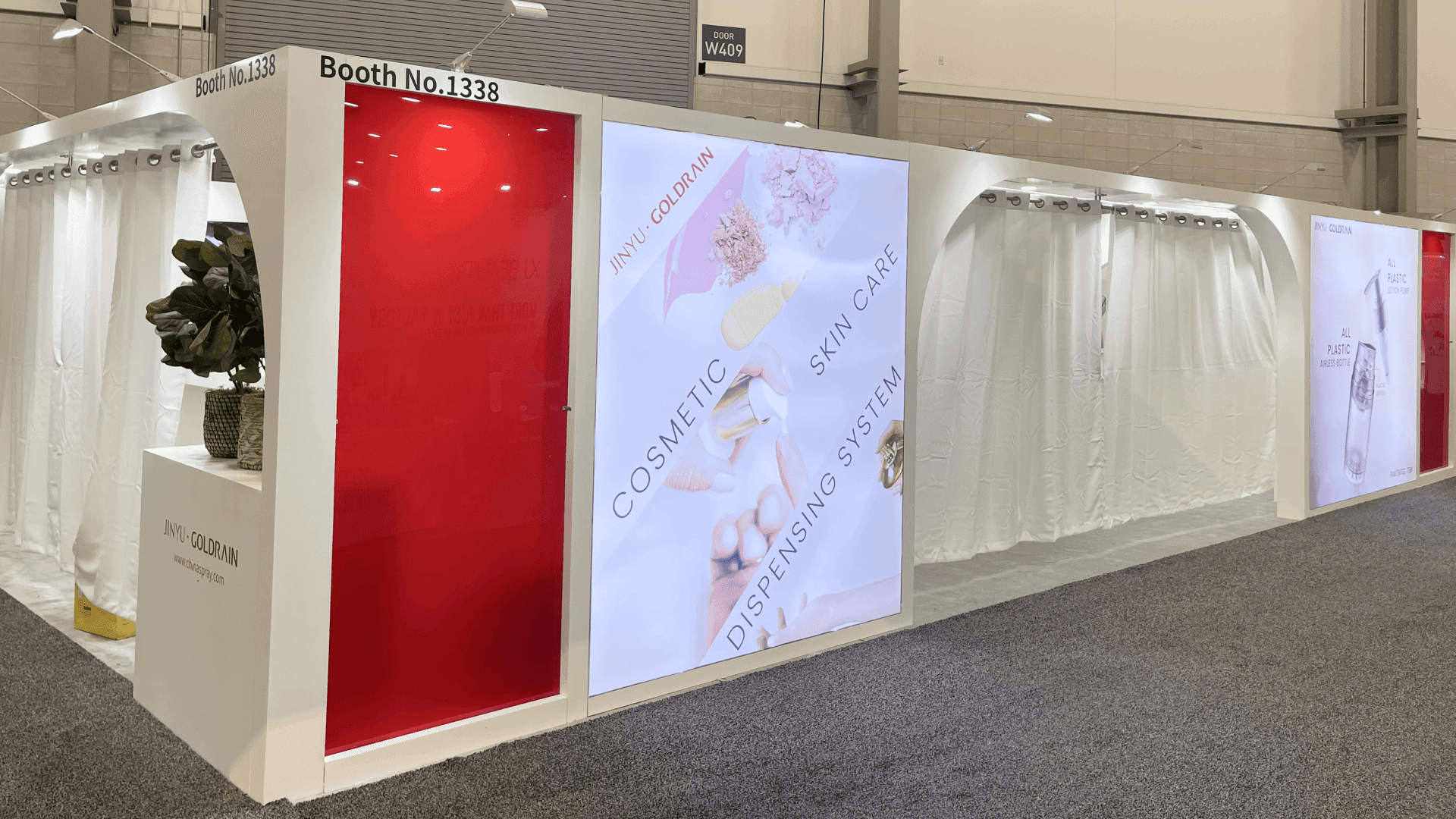
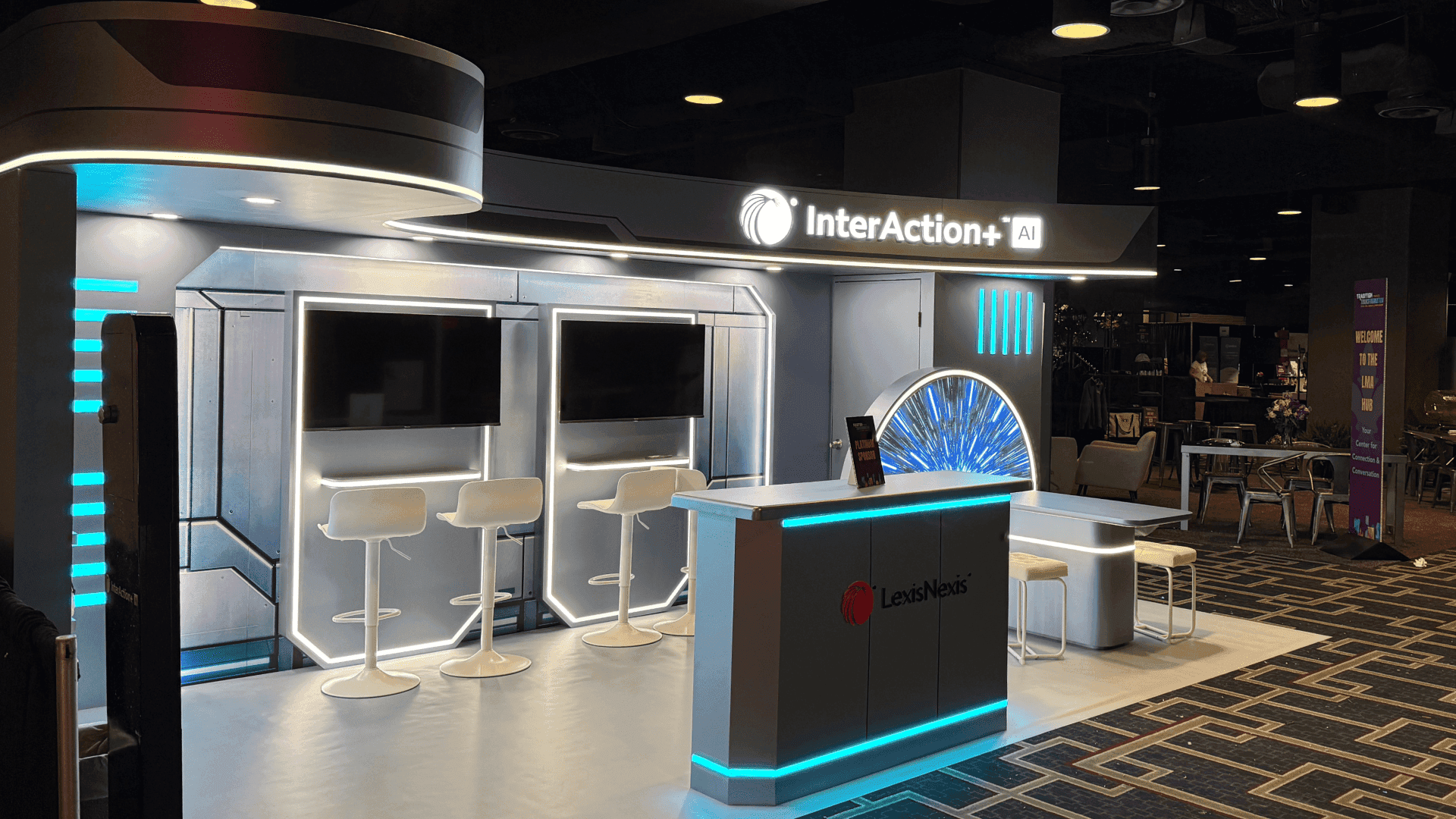
10x10 Private Meeting Booth Concept for ECRM Skin Care Session 2027, Las Vegas, NV
Choose the First Product for Each Relevant Category
Begin with products you can show and explain accurately. Among those items, let a confirmed buyer objective guide the first choice when one is available. If you do not have that detail, pick a clear example of the submitted category and prepare an opening question. Write the reason on the brief so another representative can follow the same choice.
Give the Buyer Something They Can Check
The opening product needs something the buyer can inspect: a current retail pack, a labeled sample, or a verified product sheet. A pack shows size and format; a sheet can answer questions the packaging does not. Keep related variants nearby and bring one forward when a comparison is useful. During a Planning Session suite meeting, the second attendee can retrieve that variant while the first continues the discussion.

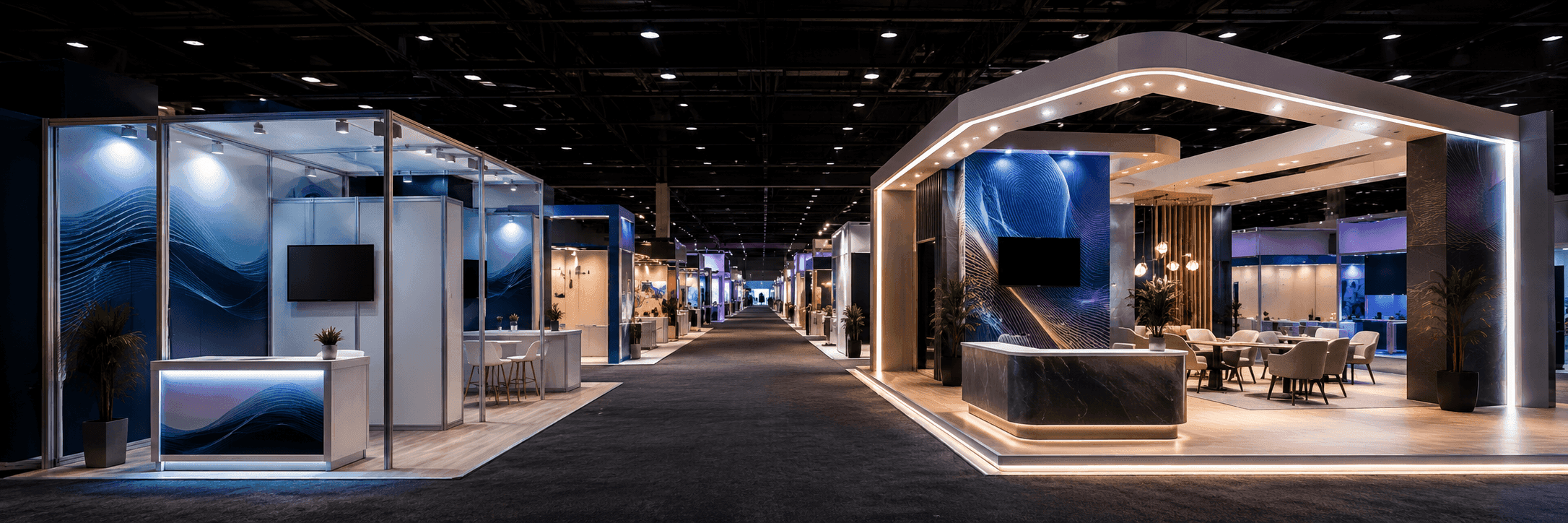
Private Planning Suite Product Display Concept for ECRM Skin Care Session 2027, Las Vegas, NV
A One-Page Brief for the Presenter
Put the decision on one page. Whoever runs the meeting should be able to find the opening product, its supporting material, the reserve, and any unanswered questions. Make another copy when a different submitted category calls for a different first product.
The category name below comes from ECRM. The products and meeting details are hypothetical; replace them with your own information.
Brief field | Your entry | Illustrative example |
|---|---|---|
Submitted category | [Exact category from your ECRM submission] | Skin Care → Facial Cleansing/Moisturizing |
Known buyer objective | [Confirmed need, or “unknown”] | Unknown before the appointment |
Opening product and reason | [Actual SKU and reason] | Hypothetical gel cleanser; current sample ready |
What the buyer can inspect | [Current pack, sample, or verified sheet] | Labeled sample and confirmed pack size |
Reserve product | [Item and reason to bring it out] | Hypothetical cream cleanser, if the buyer asks to compare formats |
Opening question | [One question suited to the category] | “What are you looking for in facial cleansing right now?” |
Registered participation format | [Your actual format] | Innovation Pipeline; one attendee |
Space and material checks | [Details to confirm with ECRM] | Private 10×10; confirm supplied items and permitted additions |
For the solo Innovation Pipeline 10×10 setup, give this brief to the person arranging samples so the opening product is within reach before appointments begin.
FAQ
Can one product cover two submitted ECRM categories?
Yes, when the SKU genuinely fits both categories you submitted. Keep one product record, then adapt its introduction to the buyer’s current category.
What if I know the buyer company but not its specific product objective?
Do not infer an item-level need from the retailer’s name. Start with a category-relevant product and use your opening question to learn what the buyer wants to review.
What if the selected product becomes unavailable before the session?
Choose another available product within a category you submitted. If this changes your profile or what you intend to present, ask your ECRM contact whether your submitted details need updating.
Another presenter should be able to use the brief without searching through the full catalog. Once the opening lineup is set, a solo presenter can plan how to change samples between ten-minute meetings.