What Does a 20x20 Booth Solve for Black Hat USA Exhibitors?
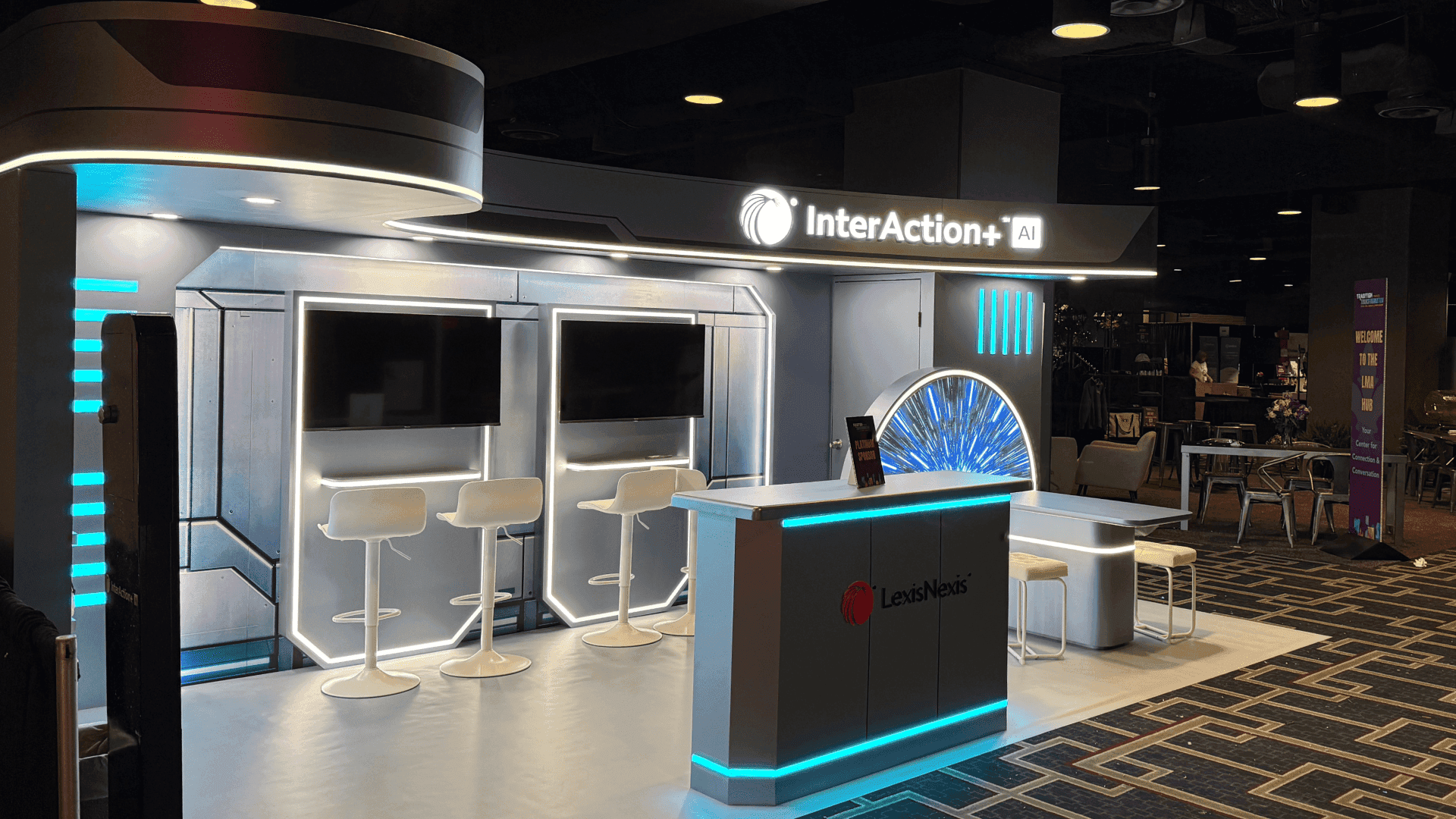
A 20x20 booth can be a strong choice when the product story is focused and the team does not need several separate demo areas. It gives exhibitors enough room for one clear workflow, one main demo counter, branded graphics, and a compact staff flow.
Focused product demo
A 20x20 booth works best when the exhibitor has one primary demo story. This may be a SOC dashboard, threat intelligence workflow, endpoint security platform, cloud security interface, identity security tool, or another focused cybersecurity solution.
The booth should make the product category easy to understand from the aisle. Visitors should quickly see what the product does, where the demo starts, and who they should speak with.
One main screen-led message
In a 20x20 booth, the main screen should support one clear product story. There is usually not enough room for several competing messages or multiple technical workflows.
A practical 20x20 layout may include:
one primary screen or dashboard view
one main demo counter
one reception or qualification point
limited storage
a clear branded backwall
space for a compact booth team
This works best when the booth does not need a formal meeting area or multiple demo tracks.
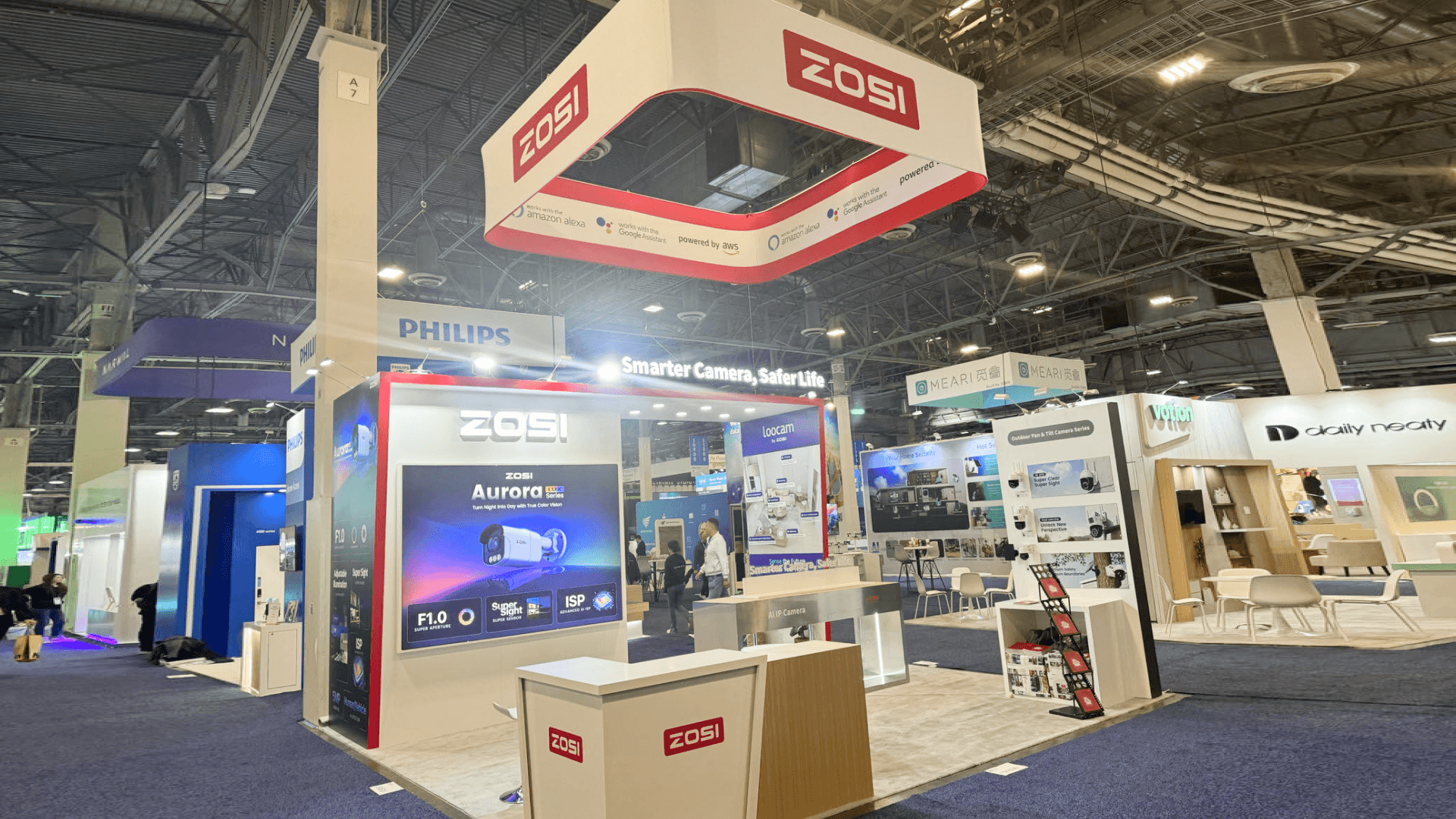
A 20x20 booth works best when the product story is focused and one main demo station can support most visitor conversations.
Compact staff flow
The advantage of a 20x20 booth is focus. The limitation is traffic management. If too many visitors stop at once, conversations can overlap quickly.
A simple staff path usually works best:
greet from the aisle
qualify the visitor quickly
guide them to one demo counter
capture the lead
schedule deeper follow-up when needed
For exhibitors with one clear product message, a 20x20 booth can stay efficient, readable, and easier to manage.
What Does a 20x30 Booth Solve for Black Hat USA Exhibitors?
A 20x30 booth gives cybersecurity exhibitors more room to separate activities. This matters when the product requires multiple screens, more staff, technical explanation, meeting space, storage, or stronger visibility from the aisle.
Multiple demo stations
A 20x30 booth can support more than one demo point. This is useful when different visitor types need different conversations.
For example:
a security engineer may want to see dashboard logic
a CISO may want to understand business impact
a partner may want to discuss integrations or channel fit
a buyer may need a short overview before scheduling a meeting
Instead of forcing every conversation through one counter, a 20x30 layout can separate demo zones more clearly.
Meeting and technical discussion space
A 20x30 booth can create room for semi-private conversations. This may be a side table, a small discussion zone, or a more protected area away from the main aisle.
For cybersecurity exhibitors, this matters because some conversations are too detailed for the front demo counter. Questions about integrations, alerts, workflows, architecture, deployment, or enterprise fit often need space that does not block the main demo.

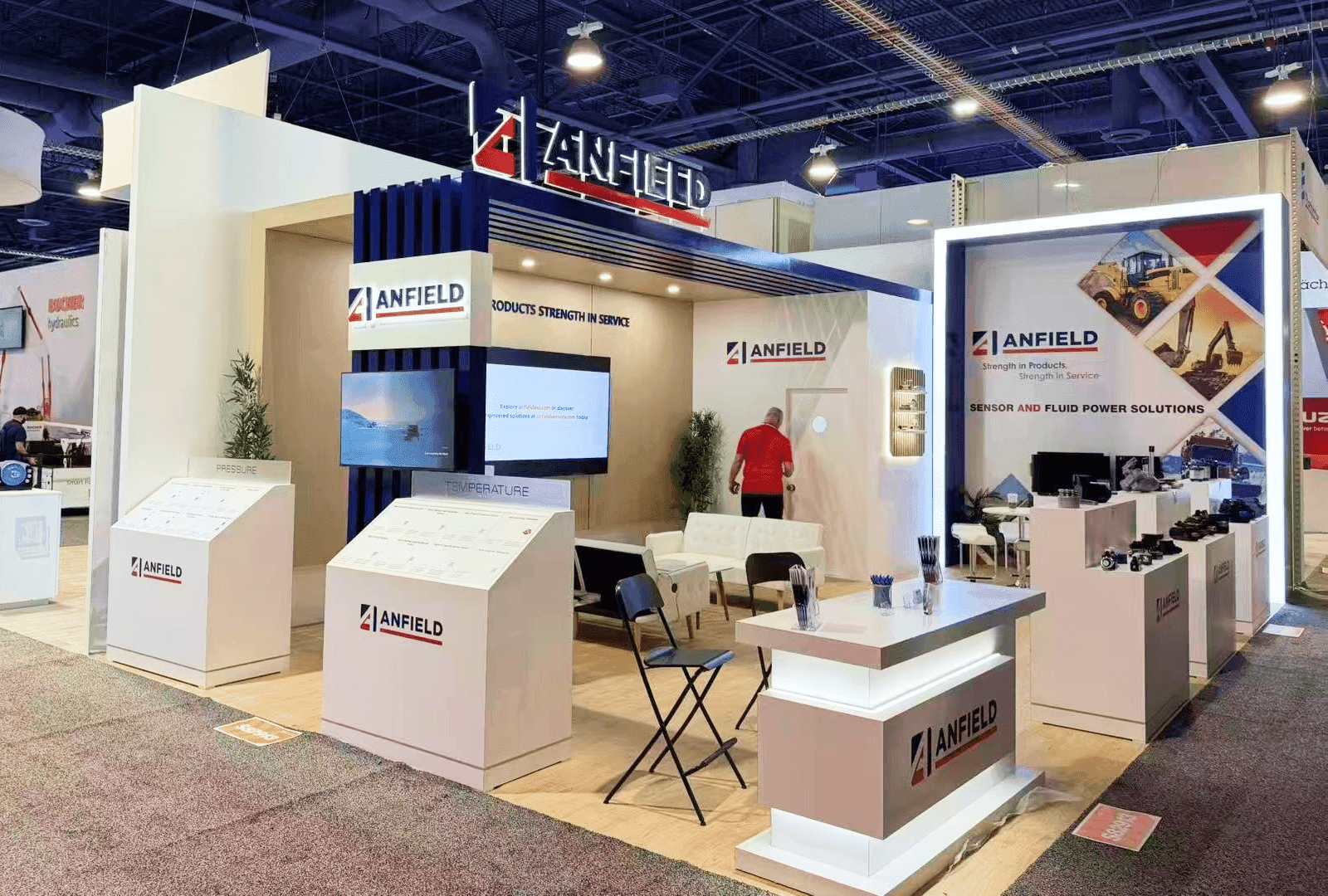
A 20x30 booth gives Black Hat exhibitors more flexibility for multiple demos, technical conversations, and side meeting space.
Better separation between sales and technical conversations
In a 20x30 booth, one area can handle first contact and qualification, another can support product demos, and a side area can handle deeper technical or sales conversations.
This separation helps the booth stay organized during busy show hours. It also helps qualified visitors reach the right person faster.
For exhibitors planning around software demos and screen-led workflow, Black Hat SaaS demo booth planning can support the software-specific side of the layout.
20x20 vs 20x30 Booth Planning for Black Hat USA
A booth size decision should be based on how many conversations the booth needs to support at the same time. It should not be based only on floor space.
Before reviewing the comparison below, think about the booth as a working environment. The right size should support screen visibility, demo flow, staff handoff, storage, meeting needs, and the visitor path.
Planning Factor | 20x20 Booth | 20x30 Booth |
|---|---|---|
Best fit | One focused product demo | Multiple demos or a more complex product story |
Demo stations | Usually one main demo point | Two or more demo points can be planned |
Screen visibility | Works best with one strong screen-led message | Allows stronger screen placement and better viewing angles |
Staff flow | Compact team with simple handoff | Separate roles for greeting, demo, technical, and sales |
Meeting space | Limited or informal | Better fit for side meetings or deeper conversations |
Storage | Basic storage only | More space for devices, materials, and staff items |
Visitor traffic | Works when traffic is moderate and focused | Better for higher traffic and longer conversations |
Technical discussion | Usually happens at the main demo counter | Can move to a side area without blocking the demo |
Best exhibitor type | Focused cybersecurity product or single workflow | SaaS, SOC, cloud security, endpoint, or multi-solution exhibitor |
Main risk | Crowding if too many conversations happen at once | Requires stronger layout planning so the booth does not feel empty or unfocused |
The table does not mean every exhibitor should choose the larger booth. A 20x20 booth can perform well when the message is focused. A 20x30 booth becomes more useful when the team needs to support multiple conversations at once.
How Black Hat Demo Flow Changes the Size Decision
Black Hat USA exhibitors often need to explain technical products quickly. Visitors may compare several tools, ask detailed workflow questions, or move from a quick product overview into a deeper technical conversation. That makes demo flow a key part of booth size planning.
Cybersecurity product demos
A cybersecurity product demo may need to show alerts, dashboards, workflows, integrations, risk views, compliance steps, or investigation paths.
If the demo can be explained through one screen and one staff member, a 20x20 booth may be enough. If the demo requires several views or staff roles, a 20x30 booth can reduce crowding.
SaaS workflow demos
SaaS exhibitors often need to show workflow rather than a physical product. Screen placement, message hierarchy, and staff positioning become very important.
A 20x20 booth can work for one clear SaaS workflow. A 20x30 booth may be better when the exhibitor needs to show multiple workflows, compare user roles, or separate product overview from technical review.
SOC dashboard and screen-led demos
SOC dashboards, detection workflows, and threat intelligence demos depend heavily on visibility. If the screen cannot be seen from the aisle, the booth may lose visitors before the conversation begins.
A 20x30 booth gives more flexibility for screen placement and viewing distance. It can also create a better path from screen interest to demo counter to follow-up conversation.
For broader event context, this article can connect back to Black Hat USA booth planning while keeping the main focus on booth size decision.
When Should Exhibitors Choose Each Size?
The safest way to choose between 20x20 and 20x30 is to match the booth size to the number of active conversations, not only to the product category.
Choose a 20x20 booth when the product story is focused
A 20x20 booth is usually a good fit when:
the company has one main product or workflow to explain
one primary screen is enough
the team expects a compact staff group
the booth does not need a formal meeting area
most conversations can happen at one demo counter
storage needs are limited
the goal is focused product explanation rather than multi-zone engagement
For exhibitors comparing this size more broadly, 20x20 booth planning can help connect layout decisions with demo counters, graphics, storage, and visitor flow.
Choose a 20x30 booth when the booth needs to handle more conversations
A 20x30 booth is usually a better fit when:
the team needs two or more demo stations
several staff roles will work at the same time
technical and sales conversations need separation
the booth needs meeting or side discussion space
the product story includes multiple workflows
screen visibility is a major part of the booth experience
storage and equipment needs are higher
the exhibitor expects more active traffic during peak hours
For event-specific size planning, Black Hat 20x30 booth planning should be the main reference point.
Review the booth plan before finalizing the size
Before selecting the booth size, exhibitors should check how many visitors and staff members may be active in the booth at the same time. They should also review screen visibility, staff handoff, storage, demo flow, and side conversation needs.
A focused 20x20 booth can perform better than a poorly organized 20x30 booth. At the same time, a 20x30 booth can create a stronger experience when the team truly needs more space for demos, meetings, and technical conversations.
Final Takeaway
For Black Hat USA exhibitors, the choice between a 20x20 and 20x30 booth should be based on demo complexity, screen visibility, staff flow, meeting needs, and the number of conversations the booth must support at the same time. A 20x20 booth works best for one focused product story. A 20x30 booth is stronger when the team needs multiple demo stations, clearer handoff, storage, and space for technical or sales follow-up. For event-specific planning, start with Black Hat 20x30 booth planning.
FAQ
Is a 20x20 booth enough for Black Hat USA exhibitors?
A 20x20 booth can be enough when the exhibitor has one focused product demo, one main screen, a compact staff team, and limited meeting or storage needs. It works best when the visitor path is simple.
When should a Black Hat exhibitor choose a 20x30 booth?
A 20x30 booth is usually a better fit when the team needs multiple demo stations, stronger screen visibility, a side meeting area, more storage, or separate paths for technical and sales conversations.
Which size works better for cybersecurity product demos?
It depends on demo complexity. A 20x20 booth can support one focused cybersecurity demo, while a 20x30 booth is better for multiple workflows, SOC dashboard demos, SaaS product tours, or technical conversations that need more space.
Does a 20x30 booth help with staff handoff?
Yes. A 20x30 booth gives the team more room to separate greeting, demo, technical review, and sales follow-up. This can reduce crowding and help qualified visitors reach the right staff member faster.
Should exhibitors choose booth size based only on budget?
No. Budget matters, but booth size should also reflect the number of demos, staff roles, screens, meeting needs, storage requirements, and expected visitor flow.