Sabre Industries brought a 20x20 booth to NATE UNITE in 2025 with a clear communications infrastructure message: present engineered telecom structures, tower support solutions, and contractor-facing capabilities in a booth that felt strong, direct, and easy to discuss on the show floor. At an event focused on tower, wireless, broadcast, and communications infrastructure professionals, the booth needed to communicate technical credibility without becoming visually heavy.
The layout was built around practical infrastructure storytelling. Instead of overloading the space with technical details, the booth needed a clean structure, clear message surfaces, and enough open meeting space for conversations with contractors, network builders, service providers, and infrastructure buyers. That mattered at NATE UNITE, where visitors often want to understand how solutions apply to real deployment, maintenance, and field-use conditions.
The final booth gave Sabre Industries a balanced 20x20 environment inside Raleigh Convention Center, combining brand visibility, solution clarity, and contractor-ready conversation flow.
💼
Client:
📅
Year/Exhibition:
📍
Location:
📐
Size:
🏢
Industry:
🏢
Venue Context:
Challenge
he main challenge was message clarity. Sabre Industries needed to present a technical infrastructure story in a setting where visitors were comparing tower services, wireless infrastructure products, safety solutions, and field support capabilities. The booth could not depend on dense product language. It had to make the company’s role in telecom infrastructure easy to understand from the aisle.
The second challenge was balancing structural presence with open discussion. A 20x20 booth can carry strong vertical branding, but it still needs to remain accessible for contractors and infrastructure buyers who want practical conversations around towers, mounts, components, deployment needs, and long-term support. That made design and engineering important, because the booth had to translate a field-driven infrastructure business into a clean, buildable show-floor environment.
The third challenge was on-site control. At Raleigh Convention Center, the booth had to move from freight staging to structural setup, graphic placement, lighting, furniture installation, and final reset without losing its clean contractor-facing presentation. In a 20x20 island footprint, even small alignment or staging problems can make the booth feel crowded or unfinished.
Design vs. On-site Execution
The concept focused on a clear, engineered presence. Sabre Industries did not need a booth filled with unnecessary visual noise. It needed a space where visitors could quickly recognize the brand, understand the infrastructure category, and move into a direct conversation about telecom structures, support components, and field deployment needs.
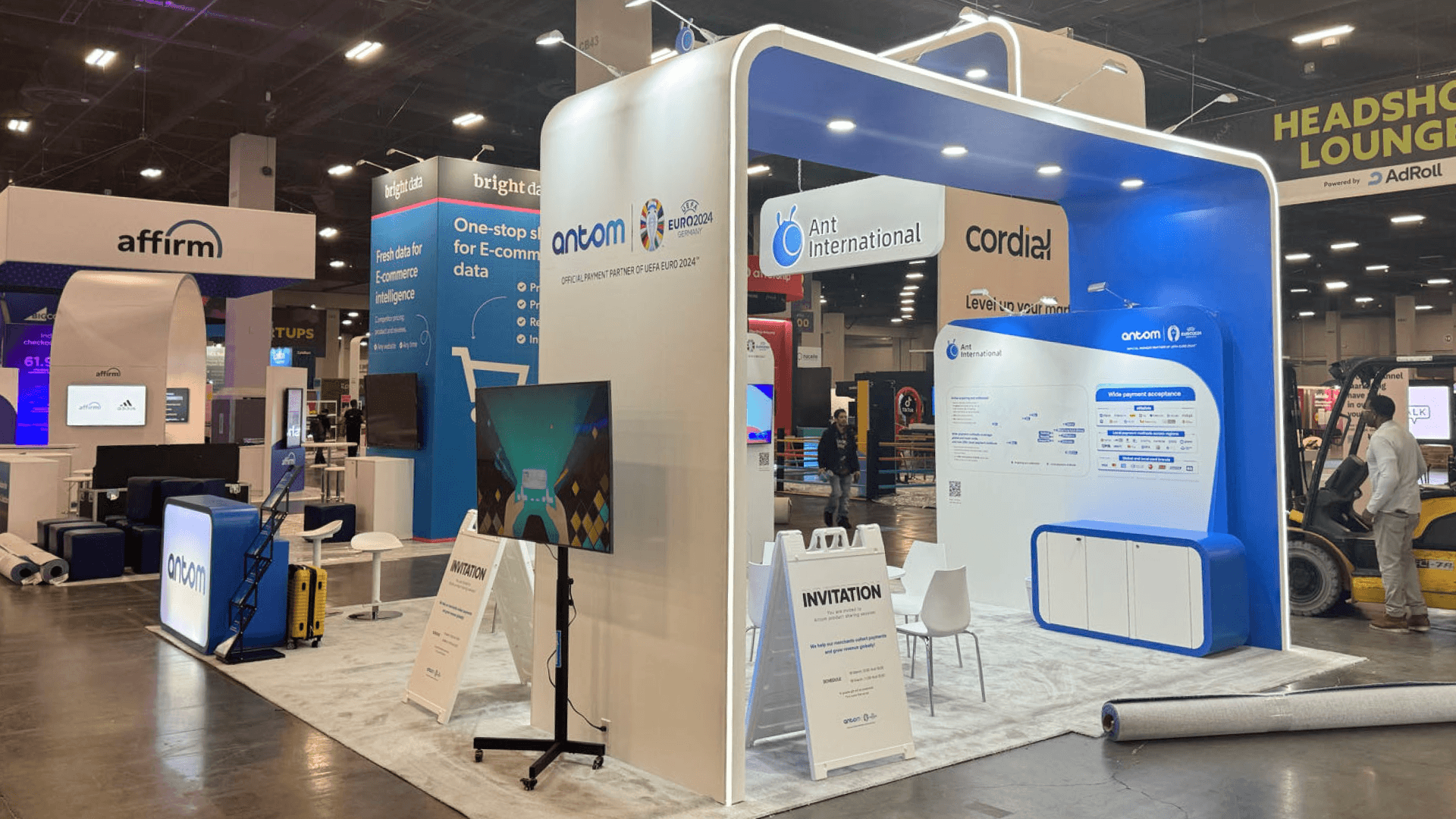
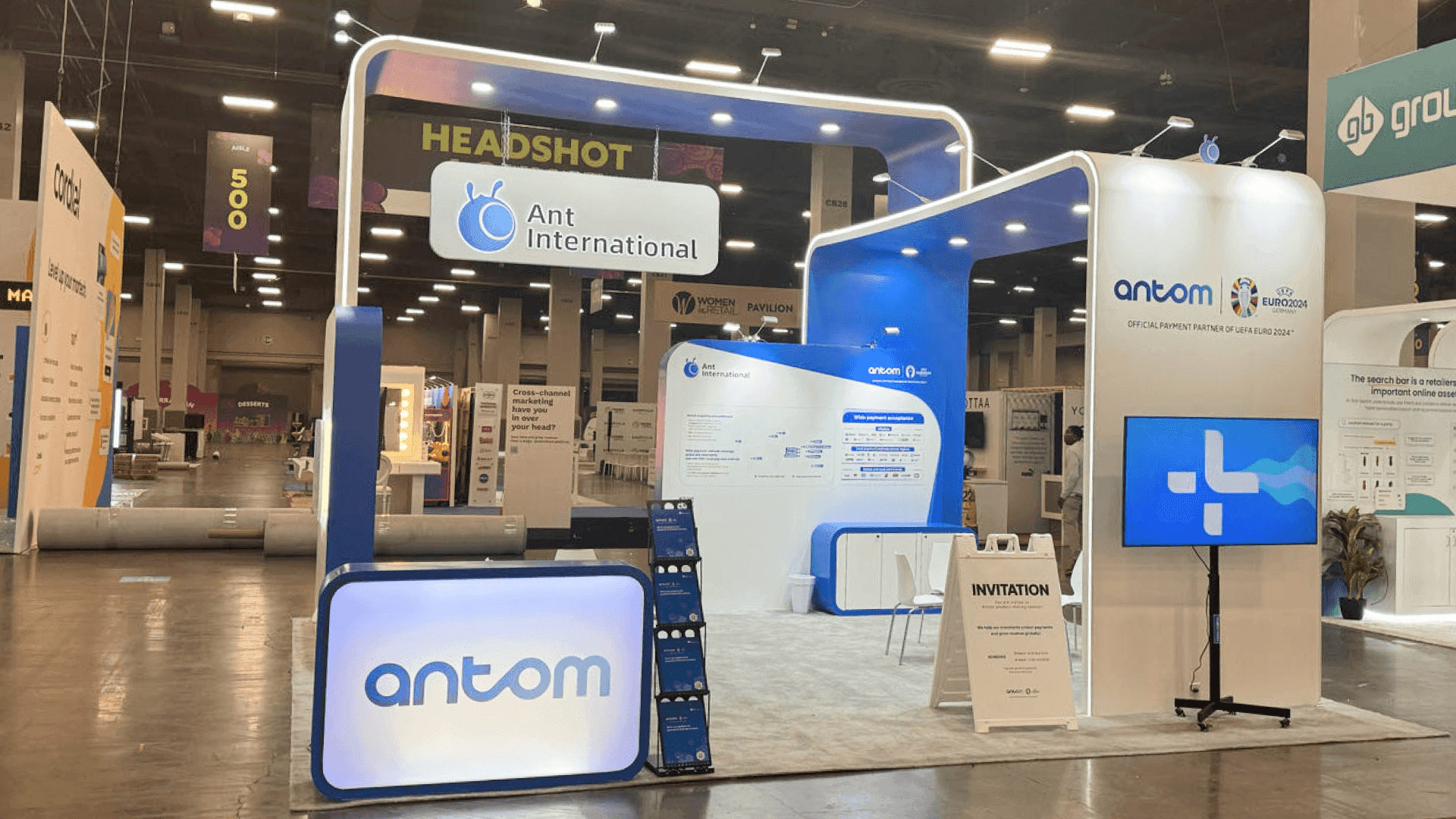
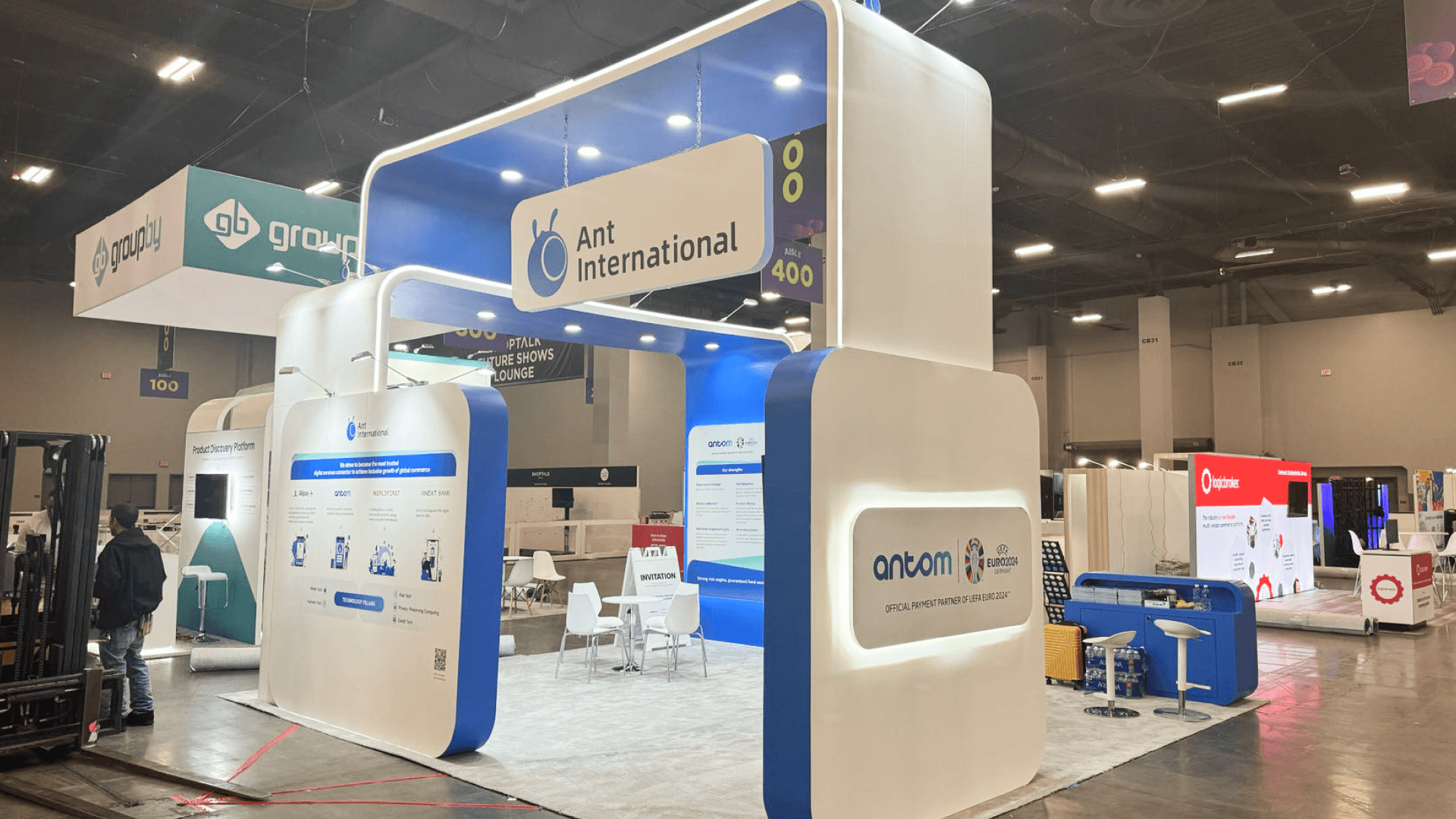
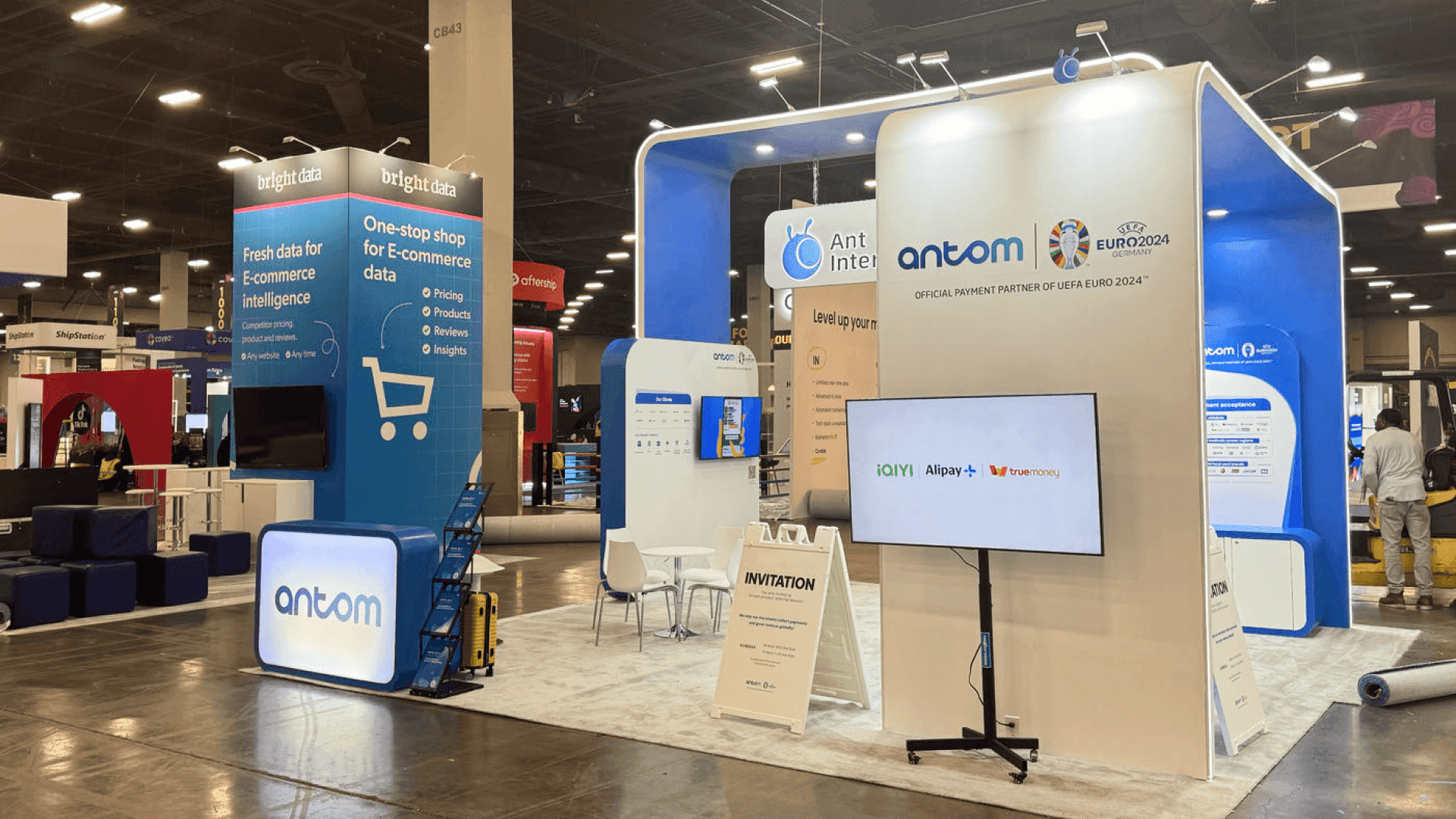
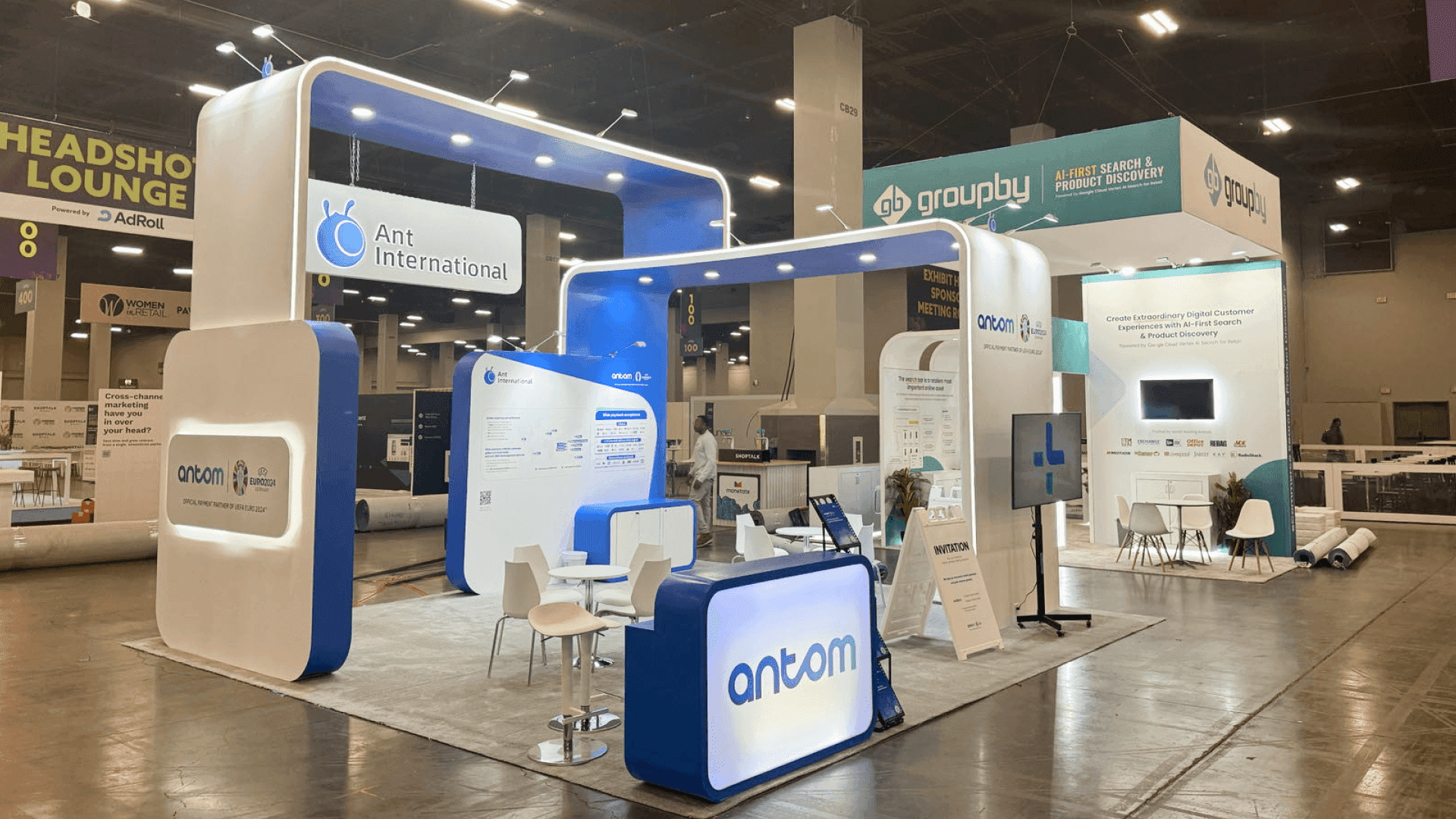
For a 20x20 trade show booth, every side has to carry a role. The front edge creates the first read. The message wall explains the infrastructure value. The open meeting area supports contractor discussion. The overhead structure gives the booth stronger recognition across the show floor without closing off the island layout.
On site, the execution depended on keeping the space open and orderly. Structural elements, graphics, lighting, seating, and reception points had to be placed in a way that preserved movement through the booth. Once the pieces came together, the booth felt less like a static display and more like a working meeting space for communications infrastructure conversations.
Front Reception and Brand Anchor
The front reception point gave visitors a clear place to stop, ask questions, and begin a conversation about Sabre’s telecom infrastructure capabilities.
Telecom Solutions Message Wall
The main message surface helped organize Sabre’s infrastructure story, making tower structures, mounts, components, and network support solutions easier to understand from the aisle.
Contractor Meeting Zone
The open meeting area supported direct conversations with contractors, service providers, infrastructure partners, and buyers who needed practical discussion rather than passive product browsing.
Overhead Structure and Aisle Recognition
The overhead structure strengthened long-range visibility and helped define the 20x20 island footprint, making the booth easier to locate across the NATE UNITE show floor.
On-site Highlights
This booth depended on disciplined structural execution. The 20x20 layout needed to feel open, credible, and contractor-ready while still carrying enough brand presence for a focused communications infrastructure event. The on-site execution focused on frame alignment, message-wall placement, lighting balance, meeting-zone setup, and final reset so the booth could support both quick walk-up conversations and deeper infrastructure discussions.
Telecom Infrastructure Meeting Flow for a 20×20 Island
Overhead Frame Coordination
Infrastructure Message Wall Placement
Power and Lighting Readiness
Drayage and Structural Staging
Traffic Flow and Final Reset
Outcome
The booth helped Sabre Industries present a technical infrastructure story in a way that was easier to scan, understand, and discuss on the show floor.
The open meeting-focused layout gave visitors a natural place to stop, ask questions, and move from first interest into deeper infrastructure discussion.
The overhead structure, clean message surfaces, and organized footprint helped the booth stand out without making the space feel overbuilt.
With controlled staging, lighting checks, and final reset, the booth opened in a polished condition suited to NATE UNITE’s communications infrastructure audience.
What made this booth effective was its restraint. Sabre Industries needed to communicate engineering capability, but the booth did not need to feel like a technical catalog. The structure, message surfaces, meeting space, and open circulation created an environment where visitors could understand the offer and stay long enough for a practical conversation.
The practical takeaway is that telecom infrastructure booths should be planned around clarity and usability. Buyers and contractors at NATE UNITE often compare solutions quickly, so a booth has to communicate category relevance first and then support meaningful discussion around deployment, components, structural needs, and field support. For exhibitors preparing for NATE UNITE or another infrastructure-focused event, an experienced trade show booth builder can help turn a 20x20 footprint into a clearer, more usable meeting and presentation environment.
Quick Q&A
Q: Why does a telecom infrastructure booth need a clear first-read message?
A: NATE UNITE visitors compare many tower, wireless, and infrastructure solutions quickly. A clear message helps them understand the booth before stepping into a longer conversation.
Q: Why use an open meeting layout in a 20x20 booth?
A: Communications infrastructure conversations often need practical discussion around structures, deployment needs, and support conditions. An open layout gives visitors room to stop and talk.
Q: What mattered most during installation?
A: Frame alignment, message-wall placement, lighting balance, furniture staging, and final reset were the key execution points.
Q: Why keep the booth structured but not overloaded?
A: Infrastructure buyers need technical confidence, but too much visual or product density can make the booth harder to read.
Q: Why is this layout a good fit for NATE UNITE?
A: The layout supports fast traffic, contractor-facing meetings, and clear infrastructure messaging while staying manageable within a focused exposition environment.


