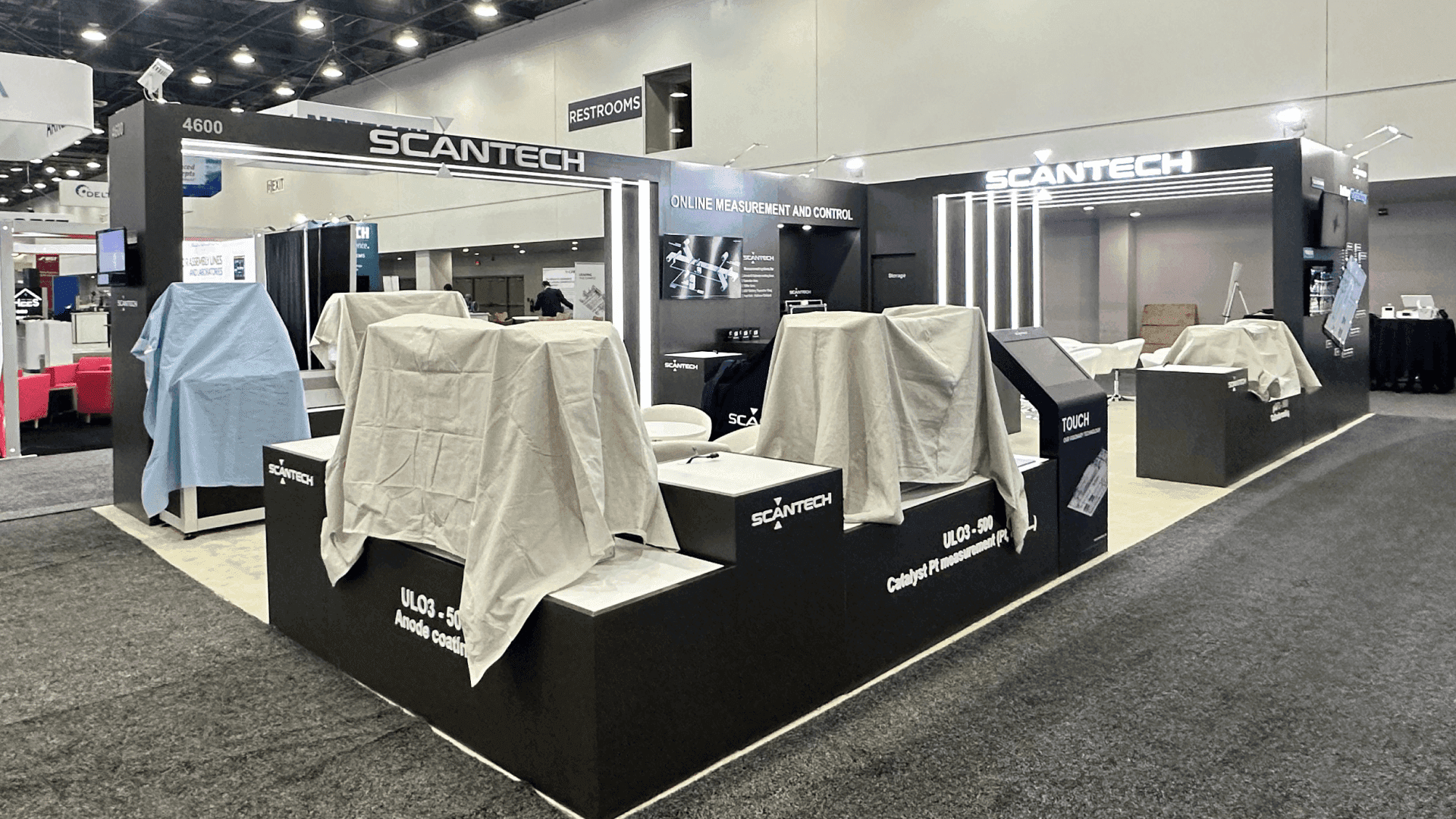
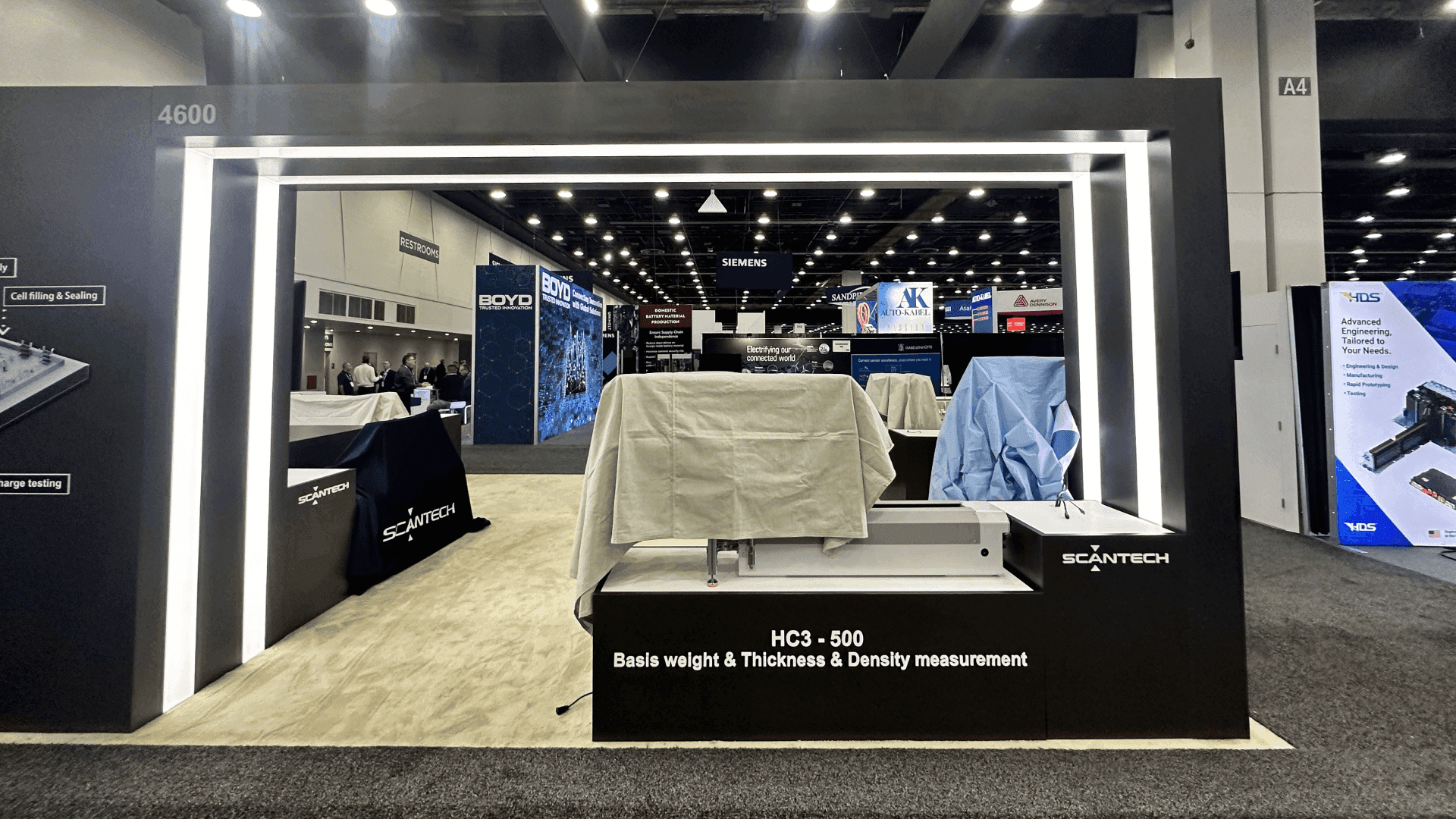
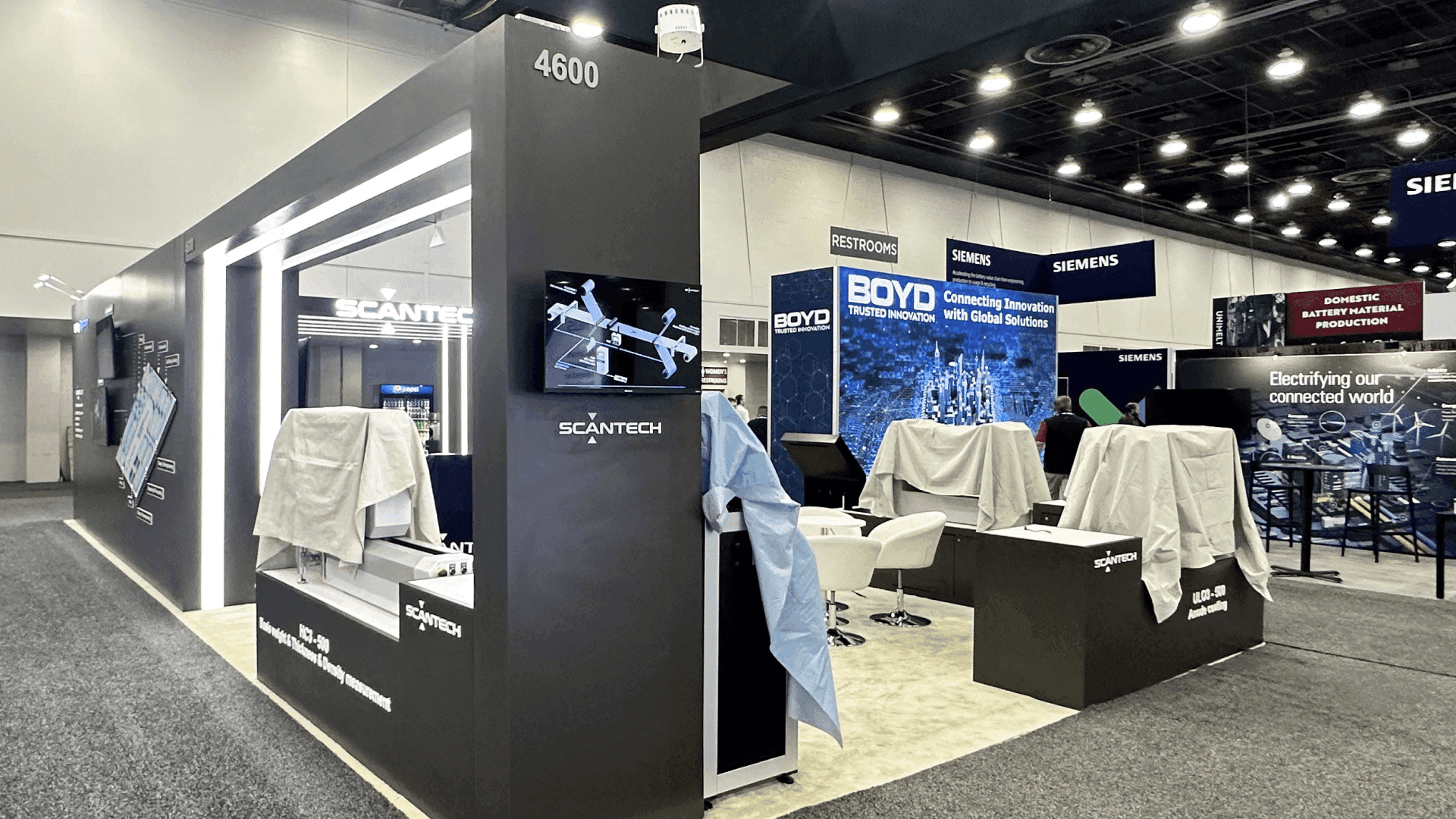
Scantech brought a 20x40 booth to The Battery Show North America 2024 in Detroit, built to present battery and energy technology in a way engineers, OEM teams, and procurement visitors could understand quickly on a dense technical show floor. Instead of treating the footprint like a generic industrial display, the booth needed to support equipment-oriented presentation, engineering conversations, and product scrutiny without turning the front line into a traffic jam. In an environment where attendees compare battery systems, EV components, test equipment, and manufacturing solutions in one pass, the layout had to make “what this booth shows” readable in seconds while still leaving room for deeper technical discussion.
Because Battery Show traffic is hardware-heavy and engineering-driven, we treated display structure, product zoning, monitor visibility, and aisle-facing readability as part of the booth system from day one. That allowed the space to support quick hardware inspection at the edge while still giving the team room for more detailed conversations around battery modules, power systems, and technical performance. For a footprint like this, the real value of design & engineering is not just aesthetics. It is making sure equipment display, structural support, and visitor flow all work together before fabrication begins.
To keep the build predictable at Huntington Place, we planned the booth around freight timing, staged deliveries, power planning, and the install order required to get screens, structures, and product zones ready before traffic built. That same execution logic is why this case also connects naturally to on-site installation and dismantle services, because technical exhibits like this depend on clean install sequencing and show-ready validation before opening morning.


💼
Client:
📅
Year/Exhibition:
📍
Location:
📐
Size:
🏢
Industry:
🏢
Venue Context:
Challenge
The main challenge was density with discipline. A 20x40 energy booth gives room for larger equipment presentation, but once hardware display, technical screens, engineer conversations, and buyer traffic all happen at once, the footprint can feel crowded very quickly. Scantech needed the space to feel like a credible engineering environment rather than a warehouse of components. Visitors had to be able to inspect products, understand what systems were being shown, and move naturally between quick booth-side review and more detailed technical discussion. That challenge aligns closely with The Battery Show event page, which says exhibitors must balance hardware display with engineering discussions and prepare for both technical specialists and business teams at the same time.
The second challenge came from execution. Battery-industry booths depend on more than graphics. Product supports, equipment staging, power routing, stable platforms, and freight order all affect whether the booth feels trustworthy on show day. That is why this case also supports booth fabrication and pre-build checks in Las Vegas. At a show like this, readiness protects both equipment presentation and the final engineering-readiness of the booth before demonstrations begin.
Design vs. On-site Execution
The concept was built around structured clarity. Instead of filling the booth with too many competing industrial objects, the layout needed to organize hardware presentation, technical screens, and discussion space into a sequence visitors could read quickly. The goal was to make the booth feel like an engineering environment rather than a generic industrial stand. For a brand showing energy and battery technology, that meant the footprint had to support inspection, explanation, and practical conversation in the same open system.
On site, that concept only worked because the install sequence protected the same priorities as the layout. Equipment zones had to stay clean, screen-led explanation had to remain readable, and the booth needed enough breathing room to prevent hardware congestion at the edge. In a booth like this, layout logic and installation order are tightly connected. The goal was not just to make the booth look large, but to make it feel organized, equipment-ready, and engineer-friendly throughout the day.
This project was also featured in our portfolio gallery, showcasing real show-floor visuals and exhibit highlights from the event.
View the SCANTECH booth at The Battery Show 2024 Detroit project gallery for on-site photos and visual references.
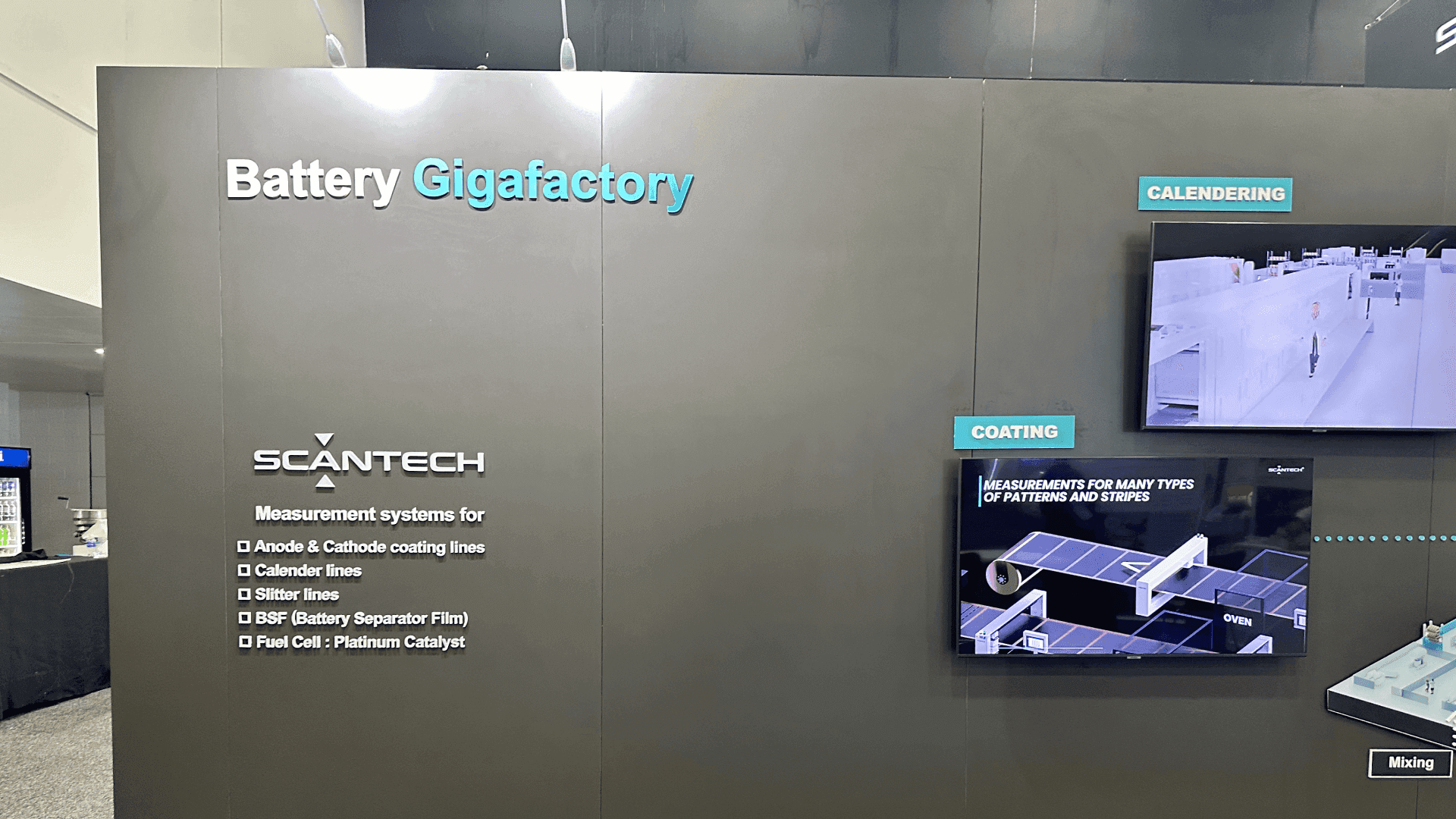
Front-Edge Equipment Display Zone
A front-facing hardware zone helped visitors understand the booth immediately and supported quick inspection of key energy products without forcing them too deep into the footprint on first contact.
Technical Screen & Data Explanation Area
A monitor-led explanation area helped turn engineering performance into a visible system story, making it easier for visitors to connect hardware with testing, validation, and process logic.
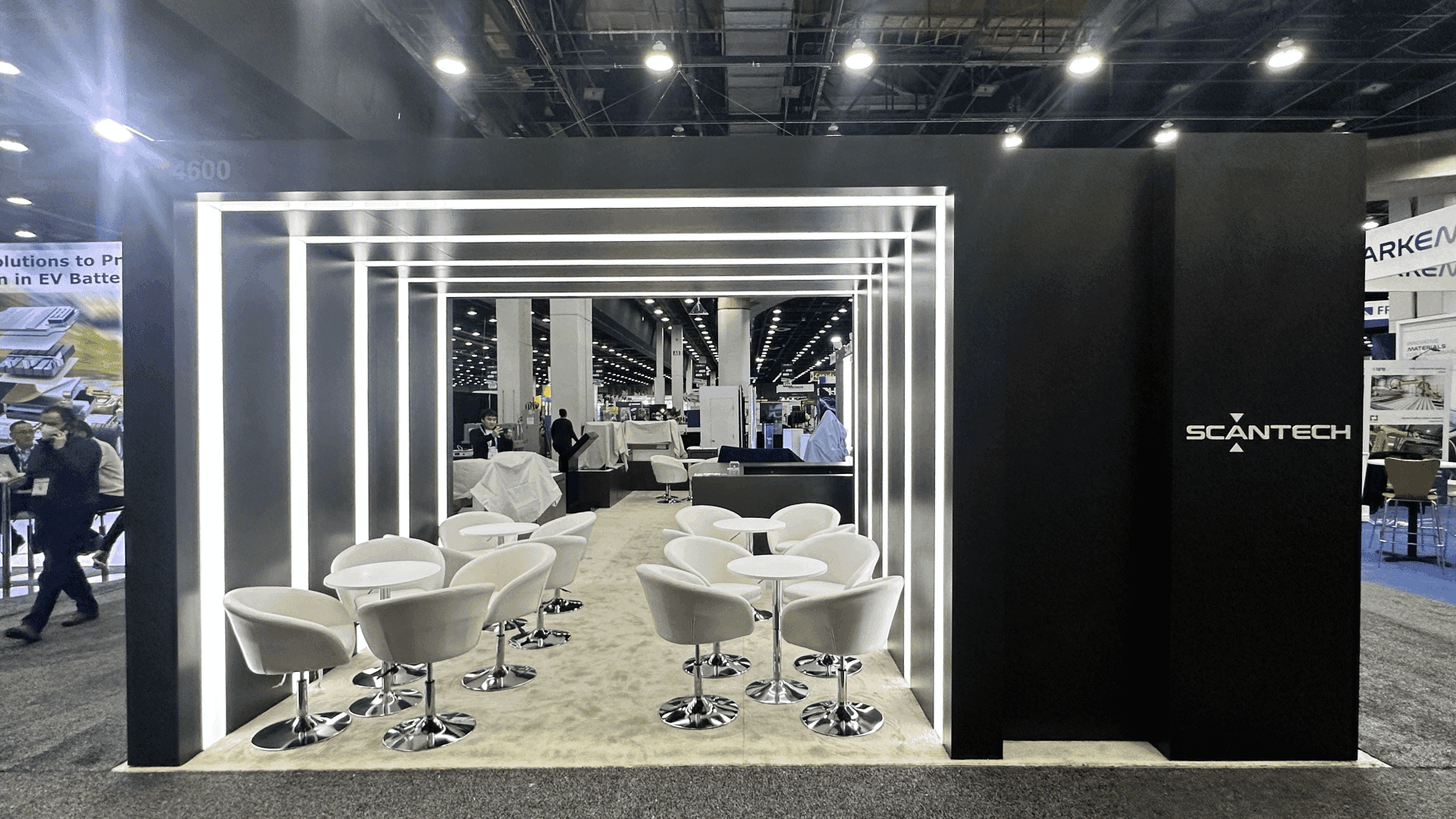

Structured Product Support Zone
A dedicated support area helped keep modules, components, and engineering displays organized so the booth felt more controlled and easier to evaluate under heavy traffic.
Engineer-to-Buyer Conversation Zone
A more focused discussion area allowed the team to move from quick product inspection into technical or commercial conversations without interrupting the main hardware-viewing rhythm.
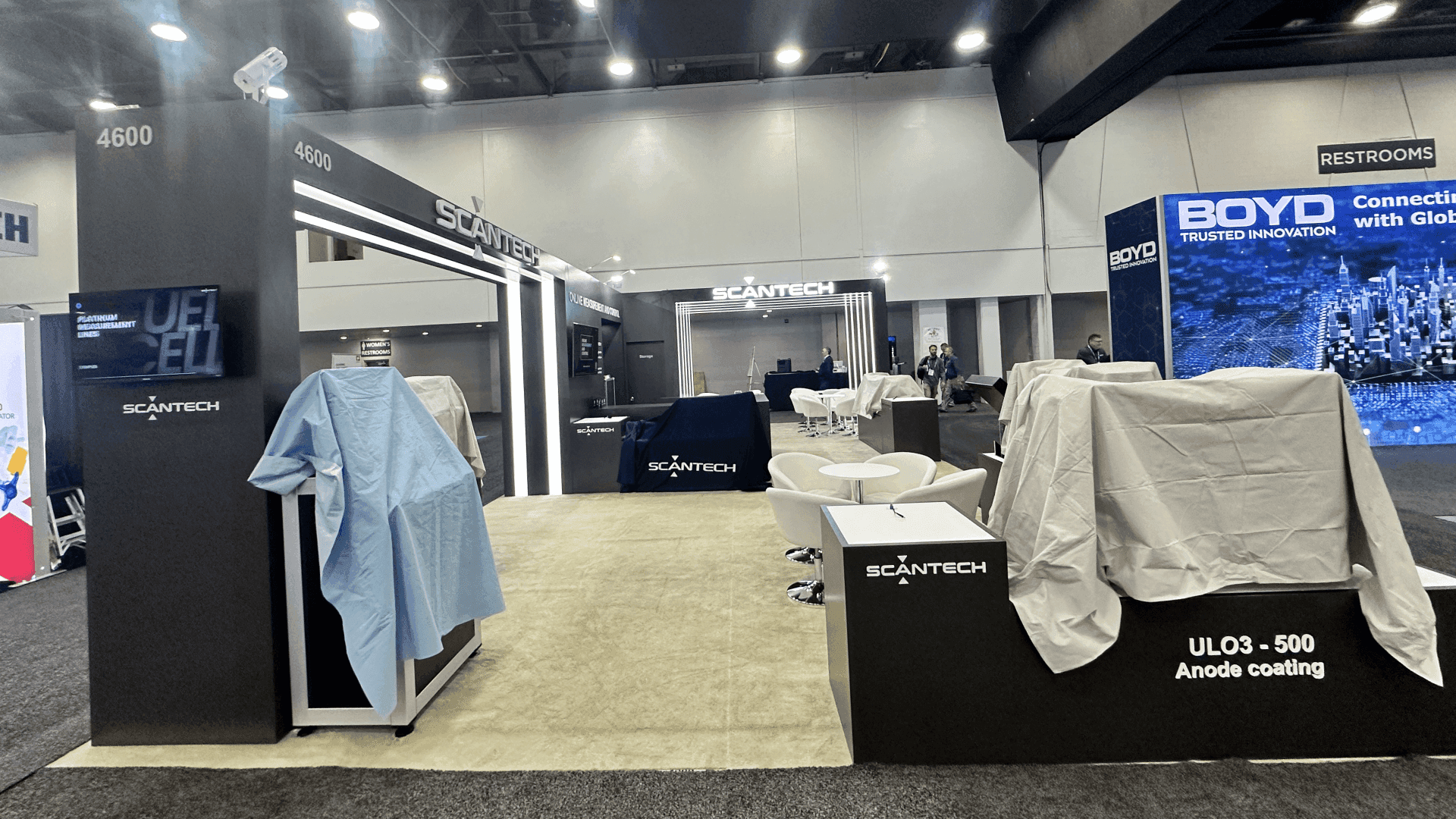

On-site Highlights
This booth worked because the execution system protected the same qualities that made the concept effective: equipment readability, technical credibility, and controlled conversation flow. In a Battery Show environment, power coordination, freight timing, staged deliveries, labor sequencing, and stable display structure all influence whether a 20×40 booth can open as a true engineering-ready exhibit. The following highlights show how show-floor execution helped keep the Scantech booth structured, readable, and operational under real Huntington Place conditions.
On-Site Execution Highlights
Structure + Equipment Staging Coordination
Power + Data Routing for Technical Screens
Drayage + Staging Control for Hardware-First Setup
Labor Sequencing + Display Protection
Install Closeout + Engineer-Ready Opening Condition
Outcome
The booth made battery and energy hardware easier to inspect in a short amount of time, helping visitors move from quick recognition into more technical conversations.
By combining structured hardware zones with technical explanation surfaces, the booth felt more like a working engineering exhibit than a generic industrial display.
The 20x40 booth stayed open enough for walk-up inspection while still holding enough structure for guided explanation and longer engineer-to-buyer conversations.
Because the booth was planned around equipment staging, power readiness, and installation order, it could open in a cleaner and more operational condition for show traffic.
What made this booth effective was not just the industrial scale. It was the fact that the layout behaved like an engineering environment. At The Battery Show, that matters more than visual impact alone. Visitors do not just want to see large hardware. They want to understand what systems are being shown, how components relate to each other, and whether the booth supports a credible technical conversation. By giving the booth structured display zones, readable technical surfaces, and a controlled conversation flow, the space turned hardware comparison into something easier to approach.
Practical takeaway: if a battery or energy booth needs to support hardware display and engineer-level discussion at the same time, do not solve it by adding more objects. Solve it with sequence and support. The strongest booths are the ones where freight order, power planning, structural support, and buyer flow already work together before the hall opens.
Quick Q&A
Q: What made this Scantech booth different from a generic industrial display?
A: The project page identifies it as a 20×40 energy booth, while the event page emphasizes the need to combine hardware display with engineering discussion, which points to a layout built around technical readability rather than generic branding.
Q: Why was a 20×40 footprint suitable for this booth?
A: The project page confirms the 20×40 size, and the event page shows that exhibitors often need room for equipment display, engineering screens, and buyer conversations at the same time.
Q: What execution factor matters most for a Battery Show booth like this?
A: Power coordination and install order, because the event page explicitly highlights technical readiness, equipment staging, and structured sequencing before opening day.
Q: Why is freight timing important in a hardware-heavy booth?
A: The event page notes that battery components, test equipment, and manufacturing tools require careful freight handling, protected staging, and orderly install sequencing.
Q: What is the most overlooked detail in a large engineering booth?
A: Re-handling risk. When structure, screens, and equipment do not arrive or install in the right sequence, the booth loses clarity and setup becomes less efficient. This is an inference grounded in the event page’s staging and sequencing guidance.