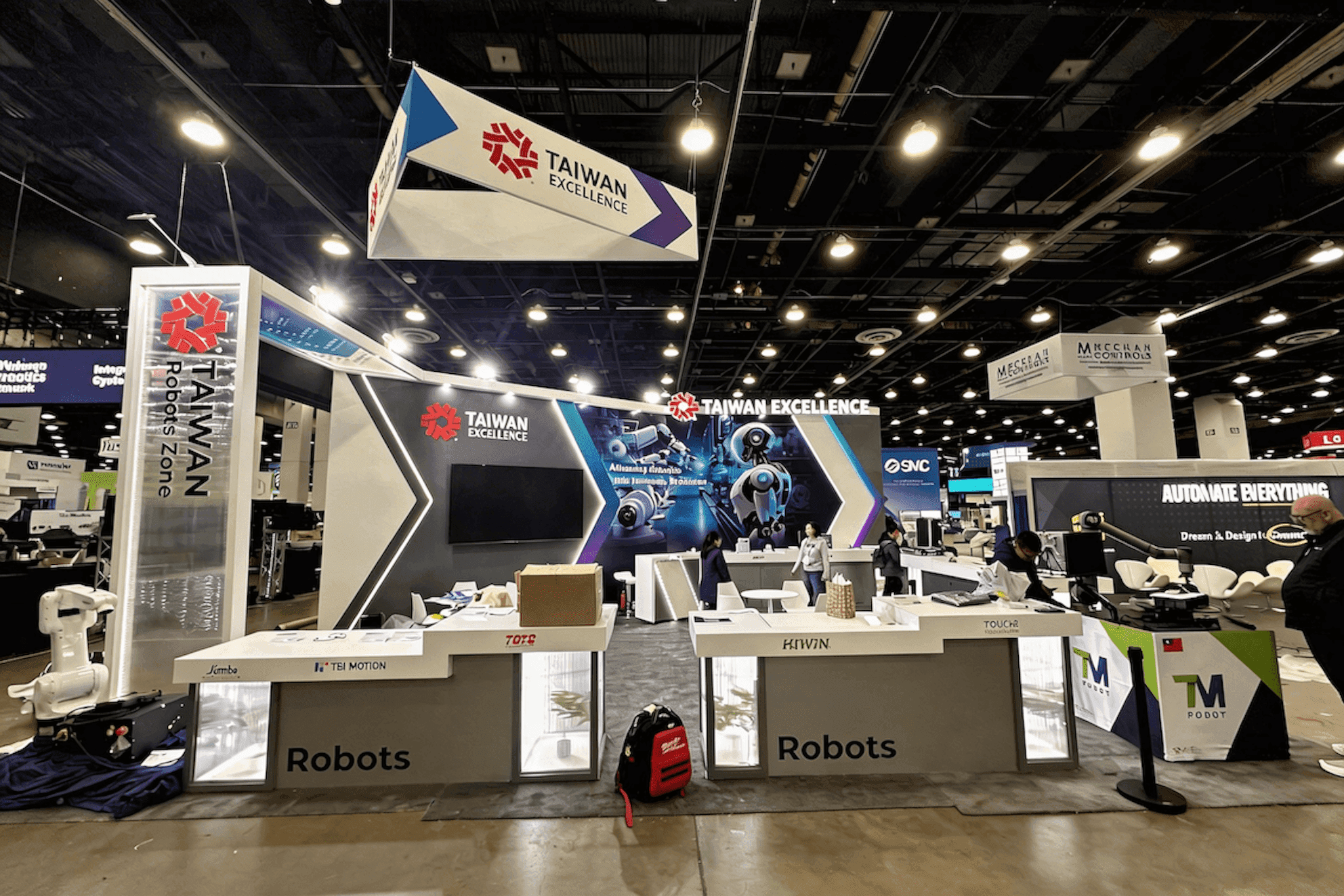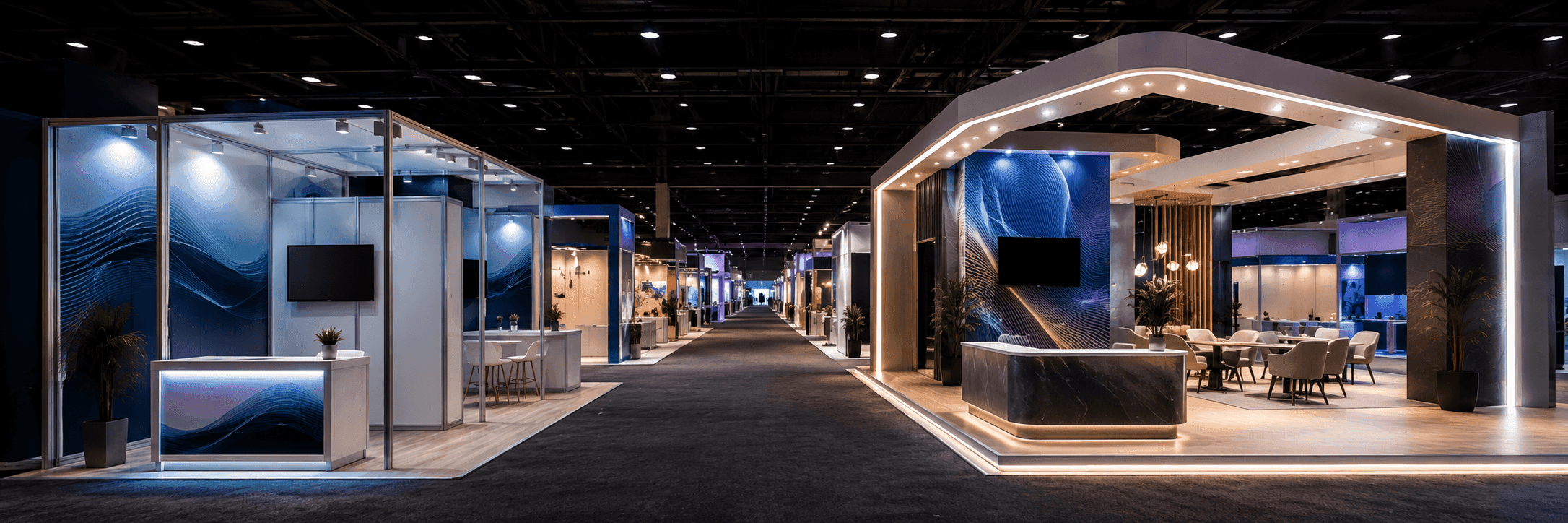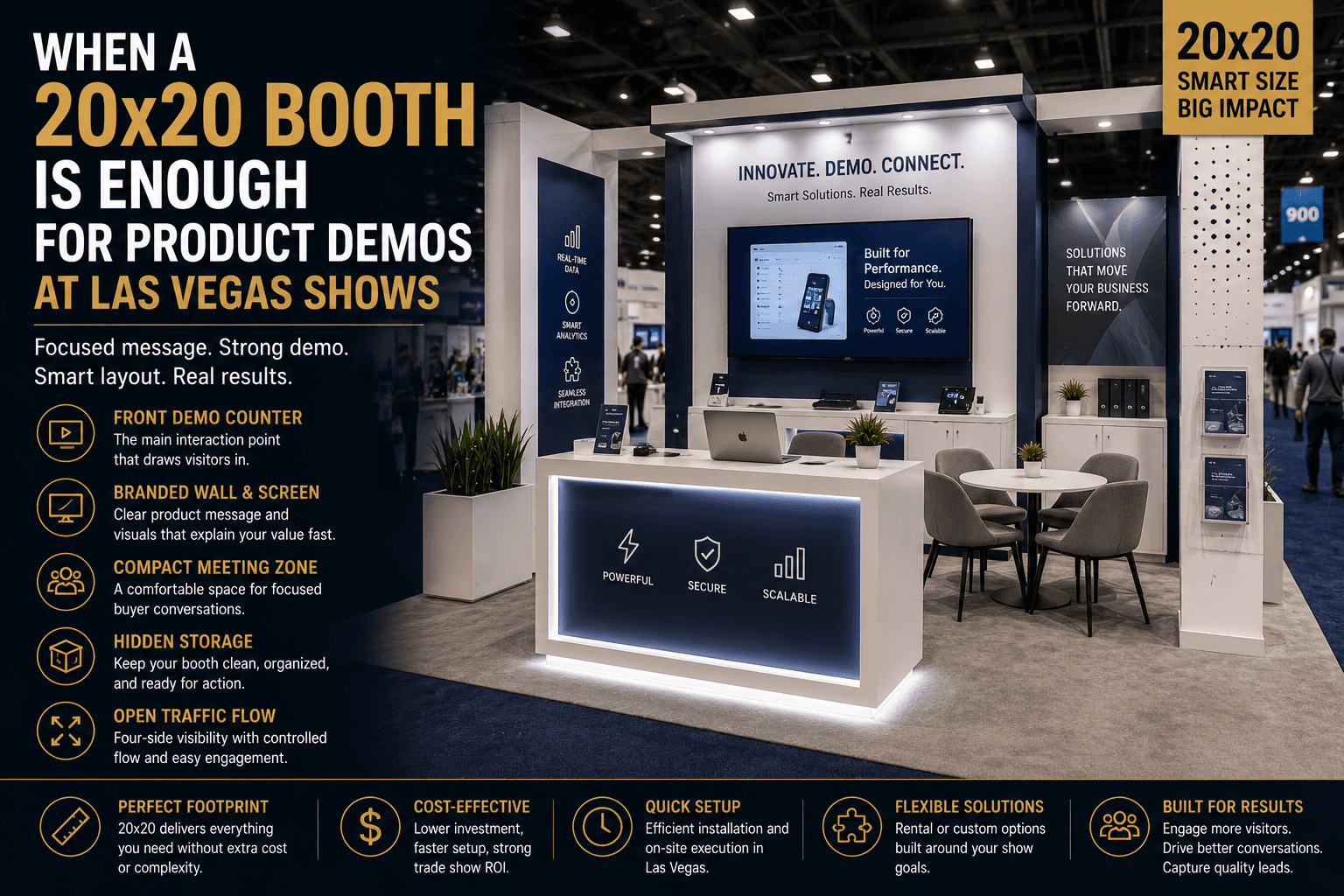
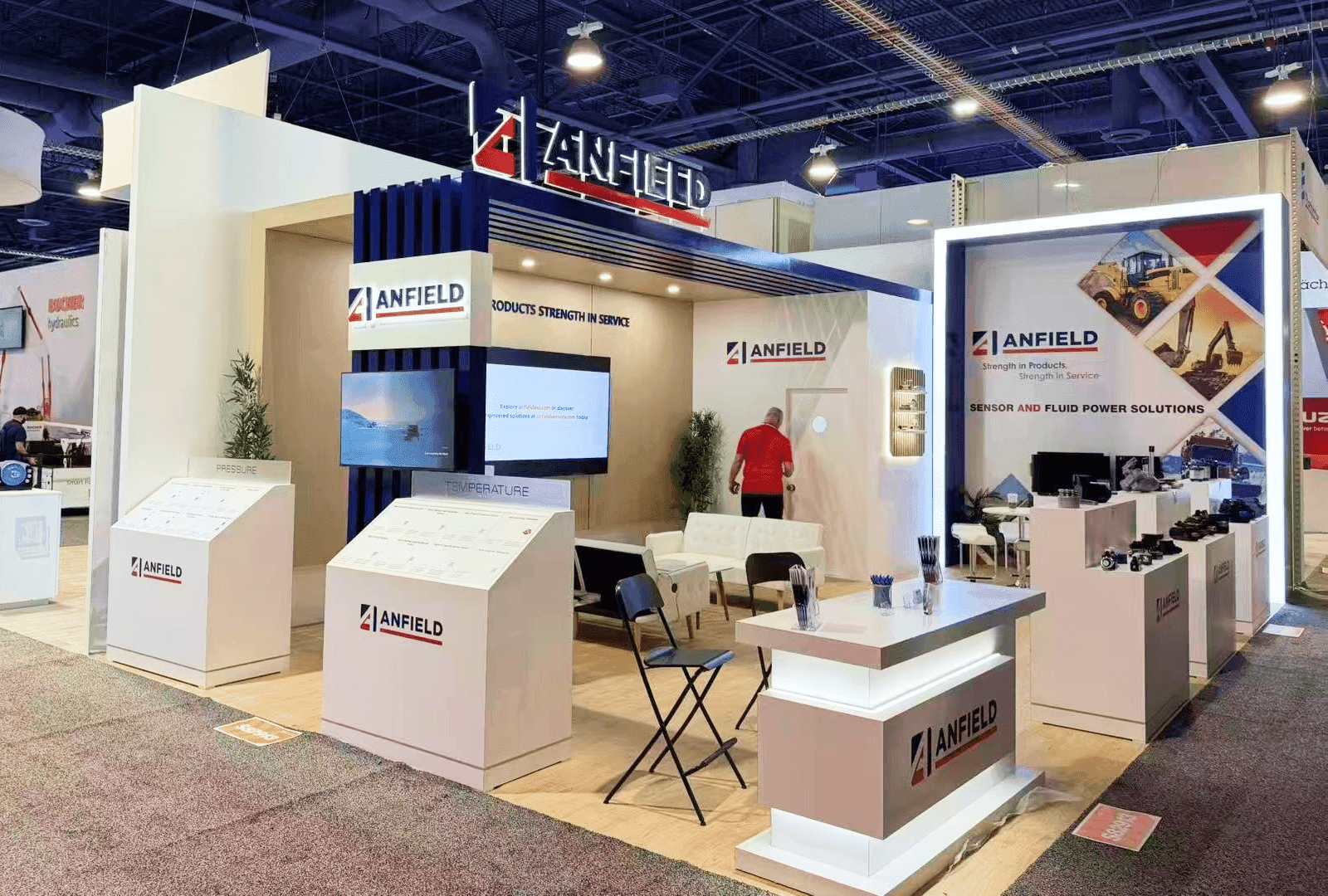
20x20 trade show booth with front product demo counter, branded wall, screen message, compact meeting zone, hidden storage, and controlled visitor flow at a Las Vegas show

/

/

/

/

When a 20x20 Booth Is Enough for Product Demos at Las Vegas Shows

When a 20x20 Booth Is Enough for Product Demos at Las Vegas Shows

When a 20x20 Booth Is Enough for Product Demos at Las Vegas Shows

When a 20x20 Booth Is Enough for Product Demos at Las Vegas Shows

Published:

Jan 6, 2026

Updated:

Jan 6, 2026

Circle Exhibit Team

Industry professionals

Exhibition industry professional dedicated to delivering the latest insights and curated recommendations to you.

Exhibition industry professional dedicated to delivering the latest insights and curated recommendations to you.

A 20x20 booth can work well when demo flow, message hierarchy, and meeting space are planned with discipline. It is enough when the exhibitor needs one clear demo point, a branded wall, compact storage, and controlled visitor movement.

A 20x20 booth can work well when demo flow, message hierarchy, and meeting space are planned with discipline. It is enough when the exhibitor needs one clear demo point, a branded wall, compact storage, and controlled visitor movement.

A 20x20 booth can work well when demo flow, message hierarchy, and meeting space are planned with discipline. It is enough when the exhibitor needs one clear demo point, a branded wall, compact storage, and controlled visitor movement.

20x20 booth layouts for product demos, 20x20 booth planning, 20x20 trade show booth, 20x20 rental booth planning, customizable 20x20 rental booth, product demo booth layout, Las Vegas trade show booth, CES booth planning, branded wall booth, front demo counter, compact meeting zone, booth traffic control, Las Vegas exhibit build support

20x20 booth layouts for product demos, 20x20 booth planning, 20x20 trade show booth, 20x20 rental booth planning, customizable 20x20 rental booth, product demo booth layout, Las Vegas trade show booth, CES booth planning, branded wall booth, front demo counter, compact meeting zone, booth traffic control, Las Vegas exhibit build support

Quick Answer: When is a 20x20 booth enough for product demos?

A 20x20 booth is enough for product demos when the exhibitor needs one clear demo counter, a branded wall, compact meeting space, storage, and controlled visitor flow. It works best when the product message is focused and the booth does not need multiple large demo zones.

Quick Answer: When is a 20x20 booth enough for product demos?

A 20x20 booth is enough for product demos when the exhibitor needs one clear demo counter, a branded wall, compact meeting space, storage, and controlled visitor flow. It works best when the product message is focused and the booth does not need multiple large demo zones.

A 20x20 booth is often large enough for product demos, but only when the layout stays focused. The booth should not try to behave like a 20x30 or 30x40 exhibit. It needs one strong product message, one clear demo counter, enough room for short buyer conversations, and a visitor path that does not collapse into the aisle during busy show hours.


A 20x20 Booth Works Best When the Demo Goal Is Focused

A 20x20 booth is enough when the product demo has one clear purpose.

The booth does not need to show everything at once. It needs to help visitors understand the product quickly, step into the right demo point, and move into a short conversation without blocking the aisle.

For exhibitors reviewing 20x20 booth layouts for product demos, the first question should not be “Can everything fit?”

The better question is:

Can the booth support the demo without crowding the visitor path?

A strong 20x20 demo booth usually needs:

  • one branded wall or screen message

  • one front demo counter

  • one compact meeting corner

  • one hidden storage point

  • clear staff positions

  • open entry from at least two sides

  • enough space for visitors to pause without blocking traffic

A 20x20 booth is not small when the goal is focused.

It becomes small when the exhibitor tries to force too many activities into the same footprint.

The Demo Counter Should Be the Main Interaction Point

The demo counter should act as the booth’s working center.

In a 20x20 layout, the demo counter often carries the first real product interaction. It may support a software walkthrough, product sample, device demo, ingredient sample, screen-based presentation, or staff-led explanation.

A good demo counter should answer three questions:

  • Where does the visitor stop first?

  • What product behavior should they understand?

  • Where does the conversation move after the demo?

The counter should not sit so close to the aisle that people block entry. It should also not sit so far inside the booth that visitors hesitate to step in.

For many 20x20 booths, the best position is near the front but slightly pulled inward. That gives visitors a reason to enter and gives staff a little control over the conversation.

A Branded Wall Should Explain the Product Before the Demo Starts

The branded wall should make the product category clear before staff begin talking.

A 20x20 booth does not have unlimited surfaces, so the main wall needs to work hard. It should not carry too many product claims. It should make the product message readable from the aisle and support the demo counter nearby.

A strong branded wall may include:

  • product category

  • key benefit

  • one simple use case

  • clean visual hierarchy

  • screen or product image support

  • enough empty space for readability

The wall should help visitors decide whether to stop.

If the wall only shows a logo or vague slogan, staff have to explain too much before the demo even starts. That slows down the booth and weakens traffic control.

A 20x20 booth performs better when the message is clear before the conversation begins.

Screen Messages Should Stay Simple

Screen content should support the demo, not overload it.

For technology, software, consumer product, clean energy, security, or healthcare exhibitors, a screen can help visitors understand the product faster. But in a 20x20 booth, screen content should be disciplined.

A screen should usually show:

  • one product action

  • one workflow

  • one dashboard view

  • one demo sequence

  • one before-and-after explanation

  • one buyer-relevant use case

It should not run through every feature.

The screen has to support quick understanding because visitors may only watch for a few seconds before deciding whether to step closer. That is especially true for CES booth planning context, where technology exhibitors often compete for attention with large screens, live demos, and fast-moving aisle traffic.

In a 20x20 booth, the screen should make the demo easier to start.

It should not become another distraction.

A Compact Meeting Corner Can Be Enough

A 20x20 booth can support buyer conversations when the meeting area stays compact.

The meeting zone does not need to be large. It just needs to be separate enough from the demo counter so that a serious conversation does not block new visitors.

A compact meeting area may include:

  • one small table

  • two to three seats

  • a side counter

  • a standing conversation area

  • a rear corner near the branded wall

  • a small tablet or document review surface

The meeting space should not dominate the booth.

It should support follow-up after the demo. If the booth needs long enterprise conversations, multiple buyer meetings, or private technical discussions throughout the day, a 20x20 footprint may start to feel tight.

But for short product-fit conversations, a compact meeting corner is usually enough.

Compact Storage Keeps the Booth Usable

Storage is one of the easiest things to underestimate in a 20x20 booth.

Even a focused demo booth needs space for staff items, samples, cables, literature, devices, chargers, spare parts, cleaning materials, or product trays. If storage is not planned, these items often end up under counters, behind chairs, or visible from the aisle.

A 20x20 booth should plan storage into the layout from the beginning.

Storage can be placed in:

  • a reception counter

  • a demo counter cabinet

  • a back-wall cabinet

  • a side storage unit

  • a hidden corner

  • a modular rental structure

The storage should be close enough for staff to use but hidden enough to keep the booth clean.

A 20x20 booth feels larger when operating materials are not visible.

Four-Side Visibility Needs Controlled Entry

A 20x20 booth often benefits from open visibility, but that visibility needs control.

If the booth is open from multiple sides, visitors may enter from different angles. That can be useful, especially in Las Vegas show environments with heavy aisle movement. But it also means the booth needs one clear visual anchor so visitors know where to stop first.

The booth should define:

  • main entry angle

  • secondary entry angle

  • demo counter position

  • staff greeting point

  • meeting corner

  • storage area

  • first visible product message

A 20x20 booth should feel open, not directionless.

If visitors can enter from every side but no side tells them what to do next, the booth loses engagement.

20x20 Product Demo Booth Zone Planning

Booth Zone

Main Role

Planning Focus

Branded wall

Explain the product category and main benefit

Keep message clear, readable, and close to the demo

Front demo counter

Start the product interaction

Pull visitors slightly into the booth without blocking entry

Screen or product display

Support the demo visually

Show one focused action, workflow, or use case

Compact meeting corner

Continue buyer conversations

Keep away from the busiest demo path

Hidden storage

Hold samples, cables, staff items, and materials

Keep accessible but out of sight

Staff position

Guide visitors through the booth

Avoid blocking the demo counter or branded wall

This layout logic keeps the booth focused.

It also prevents the 20x20 footprint from feeling overloaded.

When a Customizable 20x20 Rental Booth Makes Sense

A customizable 20x20 rental booth can be enough when the exhibitor wants a professional presentation without a fully custom build.

For exhibitors that do not need a fully custom build, a customizable 20x20 rental booth planning approach can still support a branded wall, front demo counter, compact meeting corner, and clean visitor flow when the layout is planned around the show goal.

A 20x20 rental booth can work well when the exhibitor needs:

  • branded graphics

  • one demo counter

  • one screen or product display

  • one compact meeting point

  • hidden storage

  • clean lighting

  • controlled visitor entry

  • faster setup planning

The key is customization.

Rental should not mean a generic layout. It should mean using a flexible structure to support the actual demo and conversation plan.

When a 20x20 Booth Is Better Than a Larger Footprint

A 20x20 booth can be the better choice when the product message is focused.

Larger booths create more options, but they also require more staffing, more structure, more graphics, more logistics, and more installation control. If the exhibitor only needs one product demo and one conversation path, a larger footprint may add complexity without improving the booth.

A 20x20 booth may be enough when:

  • the product category is easy to explain

  • one demo counter can handle the main interaction

  • buyer conversations are short or moderate

  • the booth does not need several product stations

  • staff count is limited

  • storage needs are modest

  • the goal is clean lead capture and product explanation

A larger booth is not always better.

The better booth is the one that supports the show goal without adding unnecessary friction.

When a 20x20 Booth Is Not Enough

A 20x20 booth becomes limited when too many activities need to happen at once.

The footprint may not be enough if the exhibitor needs multiple product demos, several meeting zones, large product displays, a live presentation area, private rooms, or heavy equipment staging.

You may need to upgrade to a 20x30 or 30x40 booth when the plan includes:

  • two or more active demo stations

  • a large LED wall with viewing distance

  • multiple buyer meetings at the same time

  • large physical product displays

  • equipment or vehicle staging

  • sampling plus meetings plus storage

  • long technical sales conversations

  • dedicated private meeting space

  • larger staff teams

The decision should not be based on size alone.

It should be based on how many booth behaviors need to happen at the same time.

How 20x20, 20x30, and 30x40 Booths Differ for Product Demos

Booth Size

Product Demo Fit

Best Use

20x20

One focused demo counter with compact meeting space

Product launch, software walkthrough, device demo, simple sample presentation

20x30

Demo zone plus clearer meeting and product display areas

More complete product storytelling and buyer conversation flow

30x40

Multiple zones for larger demos, meetings, and product displays

Large products, equipment, vehicle displays, multi-demo programs

A 20x20 booth works when the demo is focused.

A 20x30 or 30x40 booth becomes stronger when the exhibitor needs separation between different visitor actions.

Las Vegas Setup Still Matters for 20x20 Booths

A smaller booth still needs show-site execution.

A 20x20 booth may be more compact than a 30x40 exhibit, but it still depends on structure, graphics, lighting, power, storage, installation sequence, and final readiness. If the demo counter needs power, if the screen needs cable routing, or if the branded wall must be installed before graphics, setup planning still matters.

This is where Las Vegas exhibit build support helps connect the booth size with real venue execution.

A 20x20 booth should be planned for:

  • freight timing

  • structure setup

  • graphic fit

  • counter placement

  • power access

  • screen placement

  • lighting alignment

  • storage readiness

  • final cleaning and demo testing

The booth may be compact, but the setup still needs control.

Common 20x20 Product Demo Booth Mistakes

Most 20x20 problems come from trying to do too much.

Common mistakes include:

  • placing the demo counter too close to the aisle

  • using a branded wall that does not explain the product

  • adding too much furniture

  • putting the meeting area in the demo path

  • leaving storage visible

  • using screens without a clear message

  • placing staff where they block entry

  • trying to support two or three demos in one footprint

  • treating rental structure as a fixed package instead of a planned layout

A 20x20 booth should feel simple, but not empty.

It should feel controlled, not crowded.

20x20 Product Demo Booth Checklist

A practical checklist helps decide whether 20x20 is enough.

Checklist

  • Does the booth need only one main demo counter?

  • Can the product message be explained on one branded wall or screen?

  • Is the meeting area compact enough for the footprint?

  • Can storage stay hidden?

  • Can visitors enter without blocking the demo?

  • Can staff stand without covering the wall or screen?

  • Does the demo need power, screen support, or cable routing?

  • Will the booth work with a customizable rental structure?

  • Can the booth support peak traffic without crowding?

  • Is the product story focused enough for a 20x20 layout?

  • Would adding more space actually improve the demo?

  • Or would it only add cost, structure, and installation complexity?

This checklist keeps the size decision tied to real booth behavior.

It also helps exhibitors avoid choosing a larger booth when the 20x20 footprint already fits the goal.

Final Takeaway

A 20x20 booth is enough for product demos when the goal is focused and the layout is disciplined.

It can support a branded wall, front demo counter, compact meeting corner, hidden storage, and clean visitor flow. It works especially well when the booth needs one strong message and one controlled product interaction.

It is not enough when the exhibitor needs several demo stations, larger physical products, multiple meeting areas, or a more complex presentation path.

The right question is not “Is 20x20 big enough?”

The better question is:

Can this 20x20 booth support the demo, conversation, storage, and staff flow without crowding the visitor path?

If the answer is yes, the booth size is likely enough.
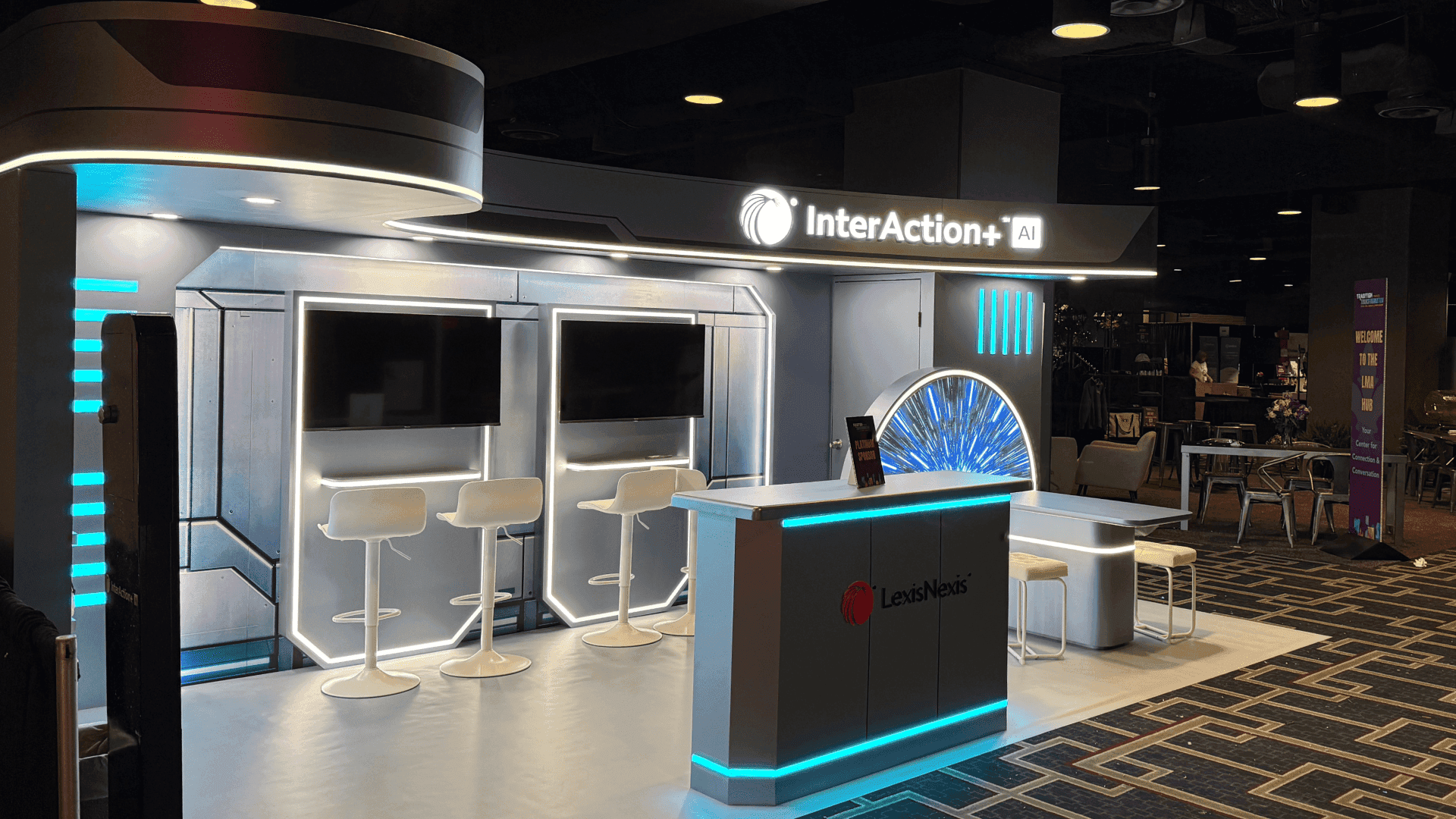
A 20x20 Booth Works Best When the Demo Goal Is Focused

A 20x20 booth is enough when the product demo has one clear purpose.

The booth does not need to show everything at once. It needs to help visitors understand the product quickly, step into the right demo point, and move into a short conversation without blocking the aisle.

For exhibitors reviewing 20x20 booth layouts for product demos, the first question should not be “Can everything fit?”

The better question is:

Can the booth support the demo without crowding the visitor path?

A strong 20x20 demo booth usually needs:

  • one branded wall or screen message

  • one front demo counter

  • one compact meeting corner

  • one hidden storage point

  • clear staff positions

  • open entry from at least two sides

  • enough space for visitors to pause without blocking traffic

A 20x20 booth is not small when the goal is focused.

It becomes small when the exhibitor tries to force too many activities into the same footprint.

The Demo Counter Should Be the Main Interaction Point

The demo counter should act as the booth’s working center.

In a 20x20 layout, the demo counter often carries the first real product interaction. It may support a software walkthrough, product sample, device demo, ingredient sample, screen-based presentation, or staff-led explanation.

A good demo counter should answer three questions:

  • Where does the visitor stop first?

  • What product behavior should they understand?

  • Where does the conversation move after the demo?

The counter should not sit so close to the aisle that people block entry. It should also not sit so far inside the booth that visitors hesitate to step in.

For many 20x20 booths, the best position is near the front but slightly pulled inward. That gives visitors a reason to enter and gives staff a little control over the conversation.

A Branded Wall Should Explain the Product Before the Demo Starts

The branded wall should make the product category clear before staff begin talking.

A 20x20 booth does not have unlimited surfaces, so the main wall needs to work hard. It should not carry too many product claims. It should make the product message readable from the aisle and support the demo counter nearby.

A strong branded wall may include:

  • product category

  • key benefit

  • one simple use case

  • clean visual hierarchy

  • screen or product image support

  • enough empty space for readability

The wall should help visitors decide whether to stop.

If the wall only shows a logo or vague slogan, staff have to explain too much before the demo even starts. That slows down the booth and weakens traffic control.

A 20x20 booth performs better when the message is clear before the conversation begins.

Screen Messages Should Stay Simple

Screen content should support the demo, not overload it.

For technology, software, consumer product, clean energy, security, or healthcare exhibitors, a screen can help visitors understand the product faster. But in a 20x20 booth, screen content should be disciplined.

A screen should usually show:

  • one product action

  • one workflow

  • one dashboard view

  • one demo sequence

  • one before-and-after explanation

  • one buyer-relevant use case

It should not run through every feature.

The screen has to support quick understanding because visitors may only watch for a few seconds before deciding whether to step closer. That is especially true for CES booth planning context, where technology exhibitors often compete for attention with large screens, live demos, and fast-moving aisle traffic.

In a 20x20 booth, the screen should make the demo easier to start.

It should not become another distraction.

A Compact Meeting Corner Can Be Enough

A 20x20 booth can support buyer conversations when the meeting area stays compact.

The meeting zone does not need to be large. It just needs to be separate enough from the demo counter so that a serious conversation does not block new visitors.

A compact meeting area may include:

  • one small table

  • two to three seats

  • a side counter

  • a standing conversation area

  • a rear corner near the branded wall

  • a small tablet or document review surface

The meeting space should not dominate the booth.

It should support follow-up after the demo. If the booth needs long enterprise conversations, multiple buyer meetings, or private technical discussions throughout the day, a 20x20 footprint may start to feel tight.

But for short product-fit conversations, a compact meeting corner is usually enough.

Compact Storage Keeps the Booth Usable

Storage is one of the easiest things to underestimate in a 20x20 booth.

Even a focused demo booth needs space for staff items, samples, cables, literature, devices, chargers, spare parts, cleaning materials, or product trays. If storage is not planned, these items often end up under counters, behind chairs, or visible from the aisle.

A 20x20 booth should plan storage into the layout from the beginning.

Storage can be placed in:

  • a reception counter

  • a demo counter cabinet

  • a back-wall cabinet

  • a side storage unit

  • a hidden corner

  • a modular rental structure

The storage should be close enough for staff to use but hidden enough to keep the booth clean.

A 20x20 booth feels larger when operating materials are not visible.

Four-Side Visibility Needs Controlled Entry

A 20x20 booth often benefits from open visibility, but that visibility needs control.

If the booth is open from multiple sides, visitors may enter from different angles. That can be useful, especially in Las Vegas show environments with heavy aisle movement. But it also means the booth needs one clear visual anchor so visitors know where to stop first.

The booth should define:

  • main entry angle

  • secondary entry angle

  • demo counter position

  • staff greeting point

  • meeting corner

  • storage area

  • first visible product message

A 20x20 booth should feel open, not directionless.

If visitors can enter from every side but no side tells them what to do next, the booth loses engagement.

20x20 Product Demo Booth Zone Planning

Booth Zone

Main Role

Planning Focus

Branded wall

Explain the product category and main benefit

Keep message clear, readable, and close to the demo

Front demo counter

Start the product interaction

Pull visitors slightly into the booth without blocking entry

Screen or product display

Support the demo visually

Show one focused action, workflow, or use case

Compact meeting corner

Continue buyer conversations

Keep away from the busiest demo path

Hidden storage

Hold samples, cables, staff items, and materials

Keep accessible but out of sight

Staff position

Guide visitors through the booth

Avoid blocking the demo counter or branded wall

This layout logic keeps the booth focused.

It also prevents the 20x20 footprint from feeling overloaded.

When a Customizable 20x20 Rental Booth Makes Sense

A customizable 20x20 rental booth can be enough when the exhibitor wants a professional presentation without a fully custom build.

For exhibitors that do not need a fully custom build, a customizable 20x20 rental booth planning approach can still support a branded wall, front demo counter, compact meeting corner, and clean visitor flow when the layout is planned around the show goal.

A 20x20 rental booth can work well when the exhibitor needs:

  • branded graphics

  • one demo counter

  • one screen or product display

  • one compact meeting point

  • hidden storage

  • clean lighting

  • controlled visitor entry

  • faster setup planning

The key is customization.

Rental should not mean a generic layout. It should mean using a flexible structure to support the actual demo and conversation plan.

When a 20x20 Booth Is Better Than a Larger Footprint

A 20x20 booth can be the better choice when the product message is focused.

Larger booths create more options, but they also require more staffing, more structure, more graphics, more logistics, and more installation control. If the exhibitor only needs one product demo and one conversation path, a larger footprint may add complexity without improving the booth.

A 20x20 booth may be enough when:

  • the product category is easy to explain

  • one demo counter can handle the main interaction

  • buyer conversations are short or moderate

  • the booth does not need several product stations

  • staff count is limited

  • storage needs are modest

  • the goal is clean lead capture and product explanation

A larger booth is not always better.

The better booth is the one that supports the show goal without adding unnecessary friction.

When a 20x20 Booth Is Not Enough

A 20x20 booth becomes limited when too many activities need to happen at once.

The footprint may not be enough if the exhibitor needs multiple product demos, several meeting zones, large product displays, a live presentation area, private rooms, or heavy equipment staging.

You may need to upgrade to a 20x30 or 30x40 booth when the plan includes:

  • two or more active demo stations

  • a large LED wall with viewing distance

  • multiple buyer meetings at the same time

  • large physical product displays

  • equipment or vehicle staging

  • sampling plus meetings plus storage

  • long technical sales conversations

  • dedicated private meeting space

  • larger staff teams

The decision should not be based on size alone.

It should be based on how many booth behaviors need to happen at the same time.

How 20x20, 20x30, and 30x40 Booths Differ for Product Demos

Booth Size

Product Demo Fit

Best Use

20x20

One focused demo counter with compact meeting space

Product launch, software walkthrough, device demo, simple sample presentation

20x30

Demo zone plus clearer meeting and product display areas

More complete product storytelling and buyer conversation flow

30x40

Multiple zones for larger demos, meetings, and product displays

Large products, equipment, vehicle displays, multi-demo programs

A 20x20 booth works when the demo is focused.

A 20x30 or 30x40 booth becomes stronger when the exhibitor needs separation between different visitor actions.

Las Vegas Setup Still Matters for 20x20 Booths

A smaller booth still needs show-site execution.

A 20x20 booth may be more compact than a 30x40 exhibit, but it still depends on structure, graphics, lighting, power, storage, installation sequence, and final readiness. If the demo counter needs power, if the screen needs cable routing, or if the branded wall must be installed before graphics, setup planning still matters.

This is where Las Vegas exhibit build support helps connect the booth size with real venue execution.

A 20x20 booth should be planned for:

  • freight timing

  • structure setup

  • graphic fit

  • counter placement

  • power access

  • screen placement

  • lighting alignment

  • storage readiness

  • final cleaning and demo testing

The booth may be compact, but the setup still needs control.

Common 20x20 Product Demo Booth Mistakes

Most 20x20 problems come from trying to do too much.

Common mistakes include:

  • placing the demo counter too close to the aisle

  • using a branded wall that does not explain the product

  • adding too much furniture

  • putting the meeting area in the demo path

  • leaving storage visible

  • using screens without a clear message

  • placing staff where they block entry

  • trying to support two or three demos in one footprint

  • treating rental structure as a fixed package instead of a planned layout

A 20x20 booth should feel simple, but not empty.

It should feel controlled, not crowded.

20x20 Product Demo Booth Checklist

A practical checklist helps decide whether 20x20 is enough.

Checklist

  • Does the booth need only one main demo counter?

  • Can the product message be explained on one branded wall or screen?

  • Is the meeting area compact enough for the footprint?

  • Can storage stay hidden?

  • Can visitors enter without blocking the demo?

  • Can staff stand without covering the wall or screen?

  • Does the demo need power, screen support, or cable routing?

  • Will the booth work with a customizable rental structure?

  • Can the booth support peak traffic without crowding?

  • Is the product story focused enough for a 20x20 layout?

  • Would adding more space actually improve the demo?

  • Or would it only add cost, structure, and installation complexity?

This checklist keeps the size decision tied to real booth behavior.

It also helps exhibitors avoid choosing a larger booth when the 20x20 footprint already fits the goal.

Final Takeaway

A 20x20 booth is enough for product demos when the goal is focused and the layout is disciplined.

It can support a branded wall, front demo counter, compact meeting corner, hidden storage, and clean visitor flow. It works especially well when the booth needs one strong message and one controlled product interaction.

It is not enough when the exhibitor needs several demo stations, larger physical products, multiple meeting areas, or a more complex presentation path.

The right question is not “Is 20x20 big enough?”

The better question is:

Can this 20x20 booth support the demo, conversation, storage, and staff flow without crowding the visitor path?

If the answer is yes, the booth size is likely enough.
Planning a 20x20 Booth for Product Demos?

Start with the demo goal, then plan the branded wall, front counter, compact meeting corner, storage, power access, and visitor flow around that goal.

The first two hours of setup can affect floor marking, crate access, structure staging, graphics checks, power confirmation, and final closeout. Circle Exhibit teams help exhibitors plan on-site installation and dismantle support so booth components move into place with a clear crew sequence.