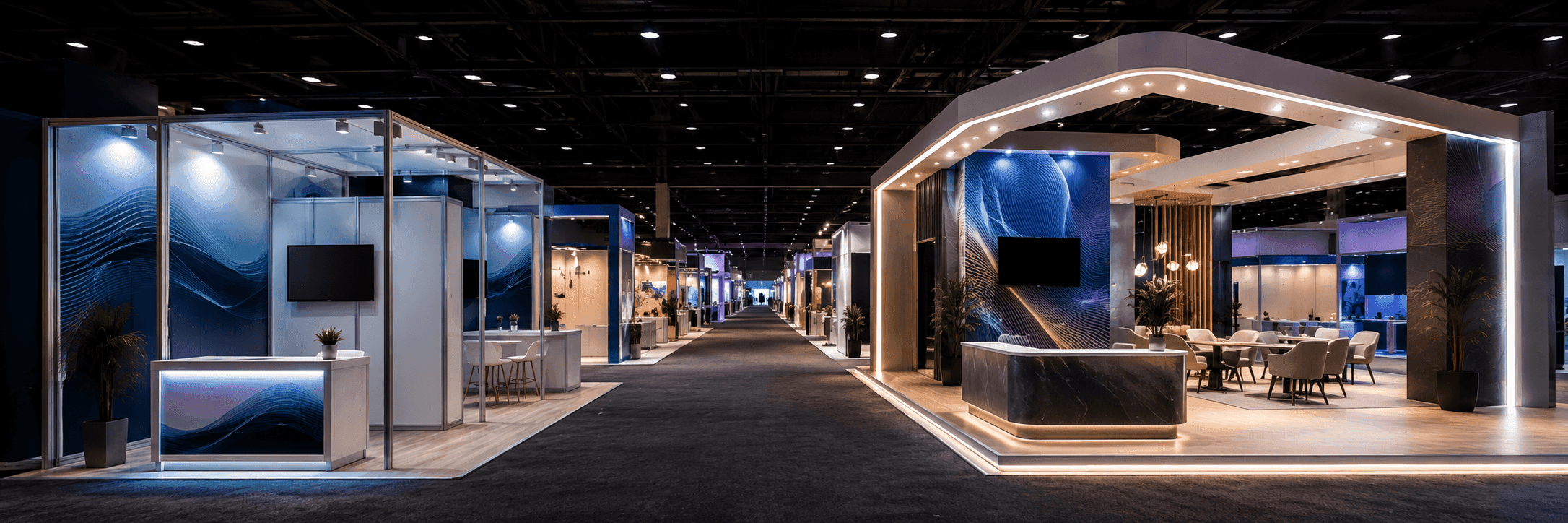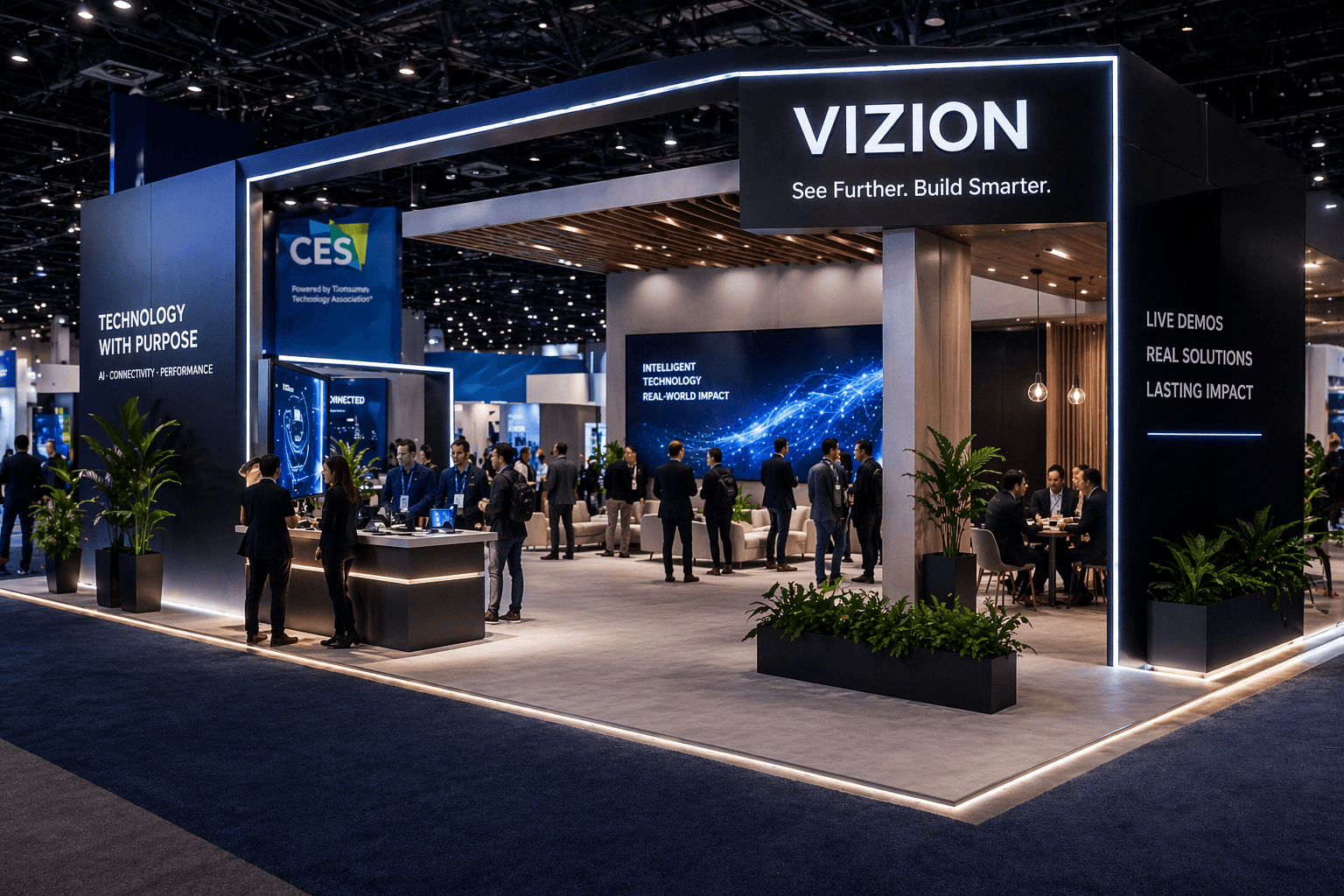
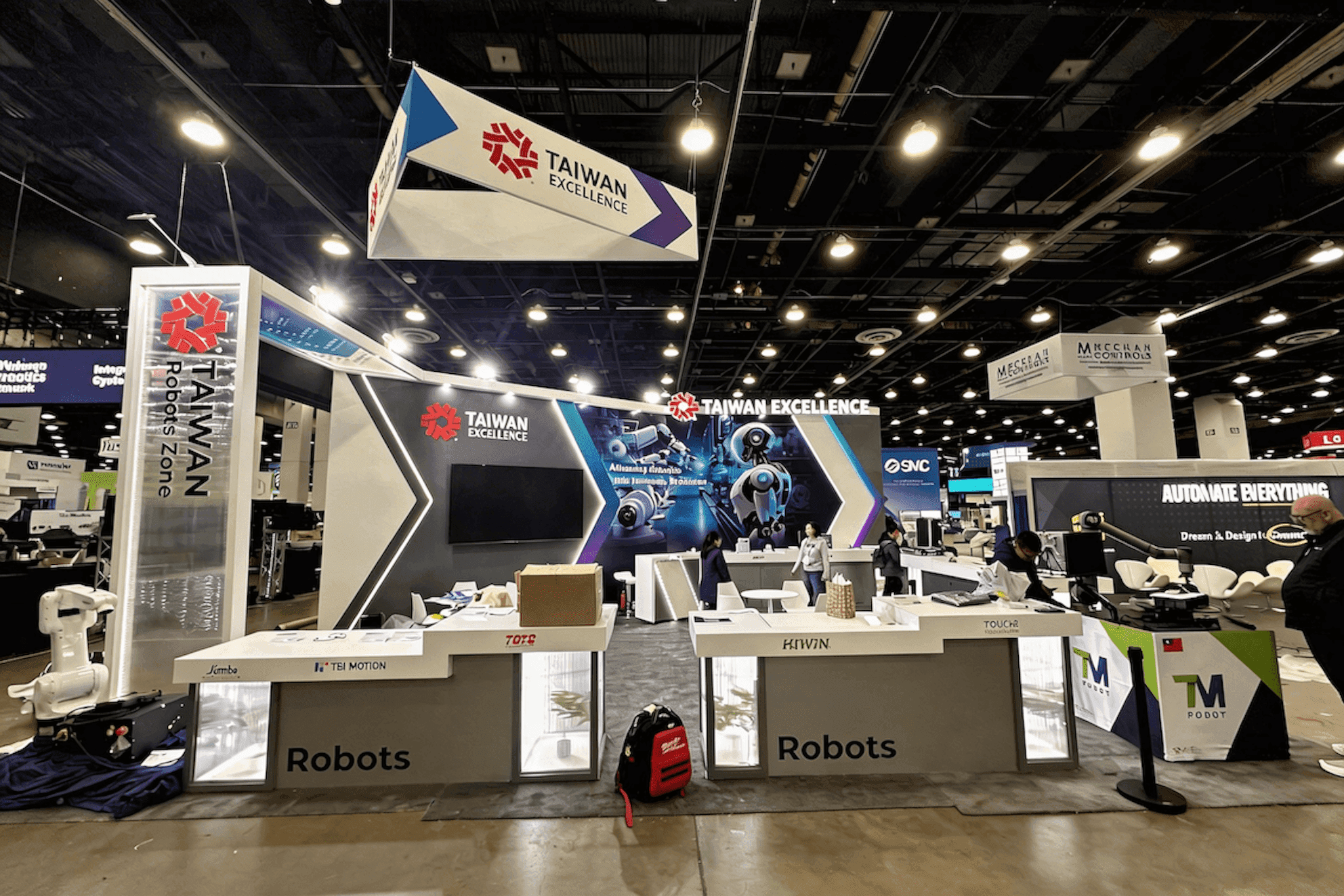
Premium CES booth in Las Vegas with an open perimeter, controlled tech layout, clear demo space, and a high-end presentation environment

What Makes a CES Booth Feel Premium Without Feeling Closed Off

What Makes a CES Booth Feel Premium Without Feeling Closed Off

Circle Exhibit Team

Industry professionals

Exhibition industry professional dedicated to delivering the latest insights and curated recommendations to you.

Exhibition industry professional dedicated to delivering the latest insights and curated recommendations to you.

At CES, a high-end booth does not come from adding more walls, screens, or structure. It comes from control. The best premium booths feel clear, open, and intentional from the aisle all the way through the demo.

At CES, a high-end booth does not come from adding more walls, screens, or structure. It comes from control. The best premium booths feel clear, open, and intentional from the aisle all the way through the demo.

At CES, a high-end booth does not come from adding more walls, screens, or structure. It comes from control. The best premium booths feel clear, open, and intentional from the aisle all the way through the demo.

A lot of CES booths try to look premium by becoming heavier.

More structure. More walls. More lighting. More enclosed meeting space. More surfaces trying to signal that the brand belongs in the top tier.

Sometimes that works for a few seconds. Then the booth starts feeling harder to enter.

That is the trade-off many exhibitors underestimate. At CES, a booth can look expensive and still lose people at the aisle if it feels too closed, too guarded, or too self-important from the outside. A premium booth should not make visitors work to understand where they can step in. It should feel confident enough to stay open.

That is usually the real difference between a booth that feels high-end and a booth that just feels overbuilt.

At CES in Las Vegas, premium usually comes from control, not from density. It comes from knowing what the booth should say first, where people should stop, what the product moment is, and how the space should hold a conversation once interest turns real. When those things are clear, the booth feels elevated without trying too hard. When they are not, even an expensive build can start feeling crowded, theatrical, or strangely closed off.

The perimeter is where that feeling begins.

A booth with a strong open perimeter does not mean a booth with no structure. It means the outer edge is doing the right job. People can read the brand. They can see the product story. They can understand where the main interaction is happening. And they do not feel like they are crossing into a private room just to learn what the company does.

That matters more at CES than at a slower show. Traffic is fast. Stops are quick. Attendees are constantly deciding whether a booth looks worth entering. If the front edge is too blocked with walls, oversized counters, awkward partitions, or visual clutter, the booth can start sending the wrong signal. It may feel exclusive, but not in a good way. It feels unavailable.

Premium booths usually feel edited.

They do not put every idea on the perimeter. They do not use enclosure as a substitute for hierarchy. They let the outer edge stay readable, then use the inside of the booth to deepen the experience. That is what gives the booth a sense of calm. It feels like the brand knows exactly what belongs in front and what belongs deeper in the space.

This is one reason a 20x20 trade show booth can work so well at CES when it is planned properly. A 20x20 is not automatically premium, but it is often the first size where the booth can create real breathing room around the main message, the live demo, and the conversation space. When that footprint is used with discipline, it feels more refined than a larger booth that is trying to do too many things at once.

The front-facing graphics matter a lot here too. A booth does not feel premium because the graphics are louder. It feels premium when the messaging is clear enough that the booth does not need to shout. Strong graphics and brand presentation help a premium booth feel composed. The product category is obvious. The headline is short enough to read fast. The visual hierarchy makes sense from the aisle. Nothing looks like it was added because there was empty space to fill.

That same principle applies to screens. A premium booth does not need constant motion on every surface. It needs one strong visual layer that gives the space confidence. Too much equal movement makes the booth feel noisy, not elevated. The more controlled the content hierarchy is, the more expensive the booth tends to feel.

Furniture plays a role too, but not because lounge pieces automatically create a premium atmosphere. What matters is where those pieces sit and what they do to the edge of the booth. If stools, counters, or meeting tables start crowding the perimeter, the booth begins losing its openness. A premium feeling usually comes from keeping the outer zone clean and letting the interior zones handle the slower interactions.

This is also where many exhibitors make the wrong move with meeting space. They want the booth to feel high-level, so they put a visible meeting pod or enclosed seating zone too close to the aisle. That often makes the booth feel occupied before a new visitor has even entered. It may look polished in a rendering, but on the floor it can send the message that the booth is for people already inside, not for people deciding whether to come in.

A better booth usually keeps the first layer open, the middle layer active, and the deeper layer quieter.

That sequence is what makes the booth feel premium without feeling closed. People can see enough to be interested. They can step in without friction. They can experience the product without immediately colliding with sales conversations or private seating. The booth feels organized, not overdesigned.

This is one reason many exhibitors benefit from planning the perimeter with a Las Vegas trade show booth builder instead of treating openness as whatever space is left after everything else is placed. The edge of the booth is not leftover space. It is where the brand makes its first physical impression. If that edge is handled well, the booth feels confident. If it is blocked or overloaded, the whole space becomes harder to trust.

The strongest CES booths usually understand that premium is not the same as protected. People do not need to feel shut out in order to feel that a brand is serious. In fact, at CES, the opposite is often true. The booths that feel most premium are often the ones that stay visually calm, spatially clear, and easy to enter while still holding a strong sense of order.

That is what makes the space feel high-end.

Not more structure. Not more enclosure. Not more effort to prove the point.

Just better control.

Planning a booth for CES in Las Vegas?
Start with CES booth planning, then shape the layout with a Las Vegas trade show booth builder approach that keeps the booth premium, open, and easy to enter.
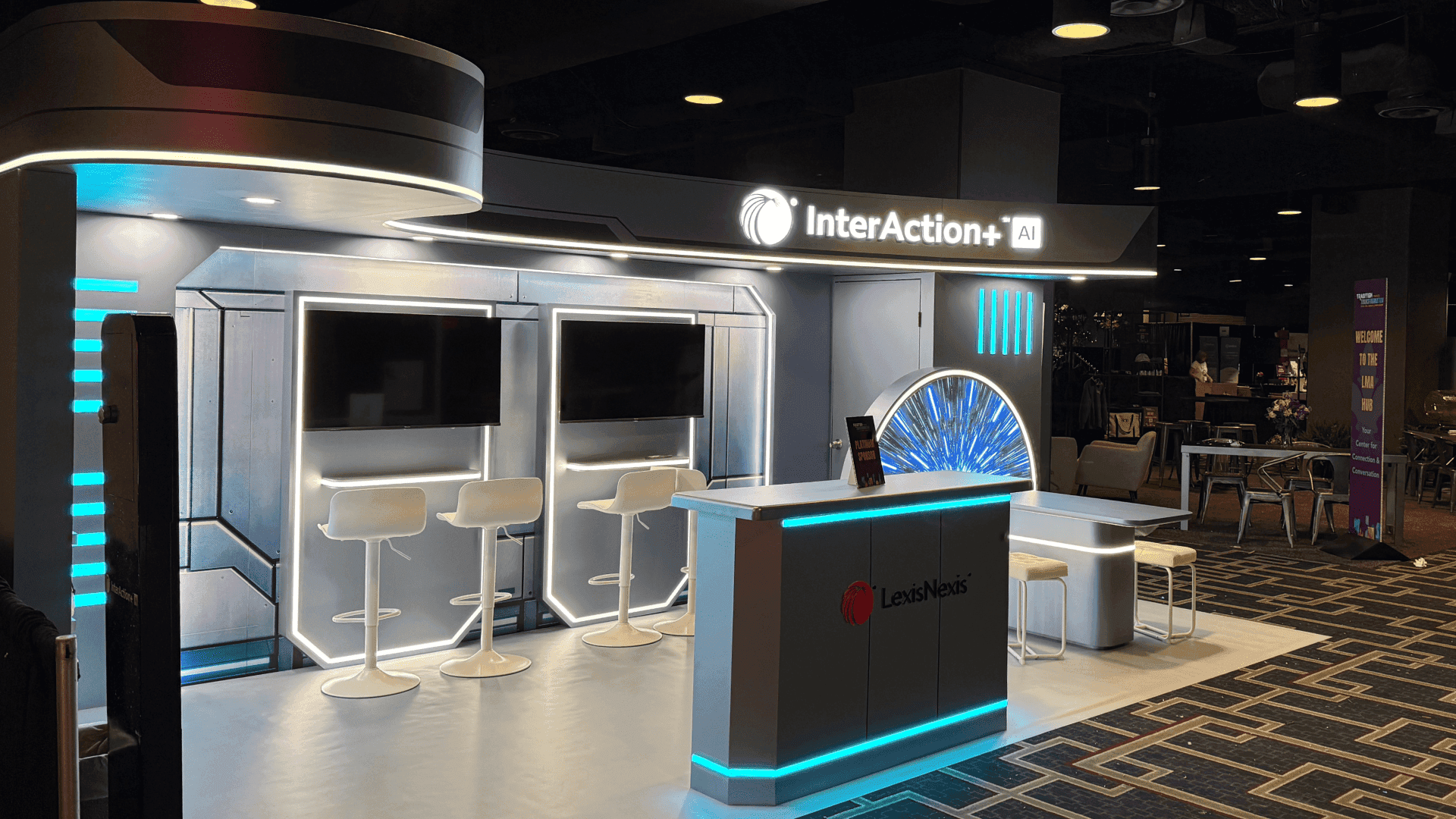
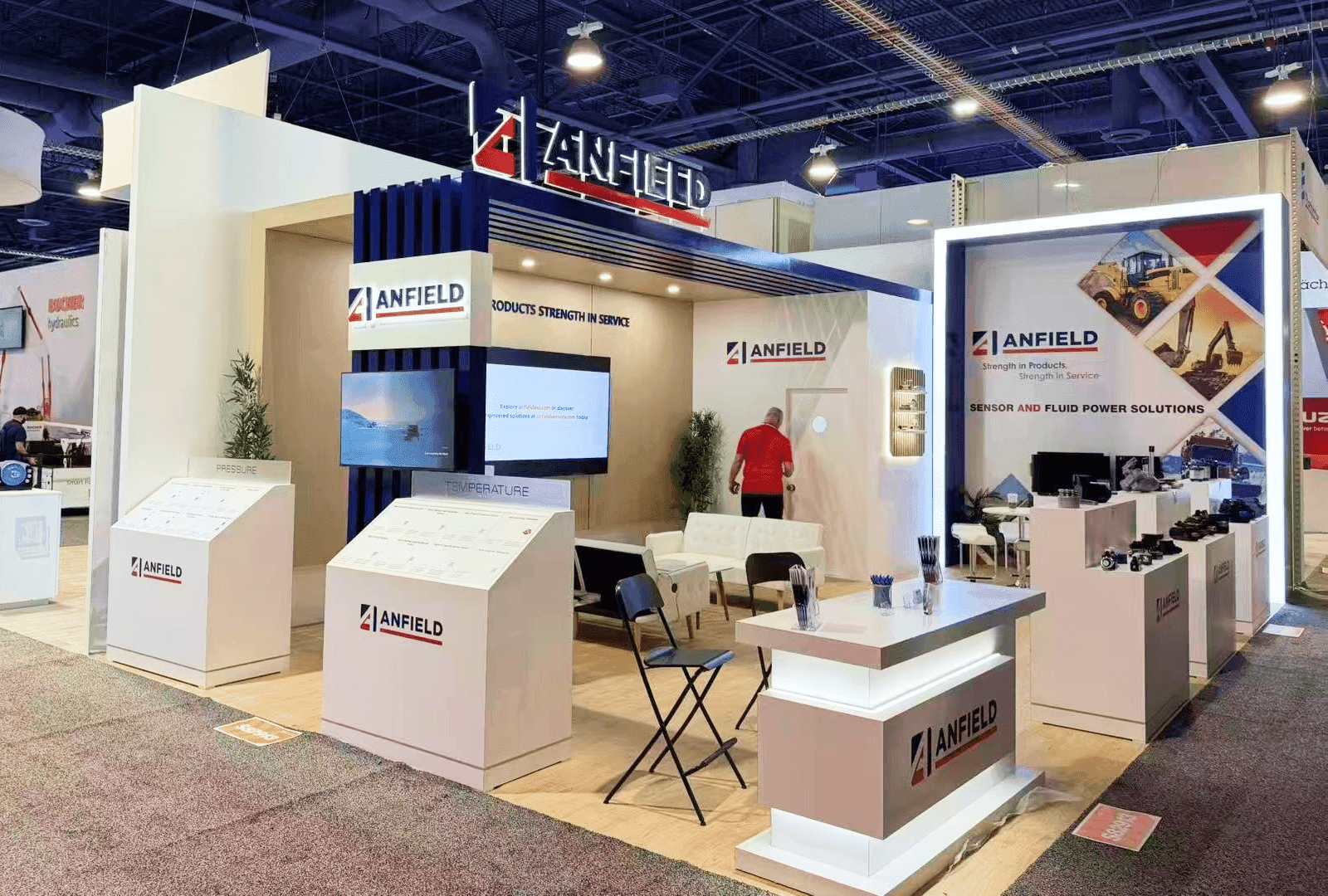
A lot of CES booths try to look premium by becoming heavier.

More structure. More walls. More lighting. More enclosed meeting space. More surfaces trying to signal that the brand belongs in the top tier.

Sometimes that works for a few seconds. Then the booth starts feeling harder to enter.

That is the trade-off many exhibitors underestimate. At CES, a booth can look expensive and still lose people at the aisle if it feels too closed, too guarded, or too self-important from the outside. A premium booth should not make visitors work to understand where they can step in. It should feel confident enough to stay open.

That is usually the real difference between a booth that feels high-end and a booth that just feels overbuilt.

At CES in Las Vegas, premium usually comes from control, not from density. It comes from knowing what the booth should say first, where people should stop, what the product moment is, and how the space should hold a conversation once interest turns real. When those things are clear, the booth feels elevated without trying too hard. When they are not, even an expensive build can start feeling crowded, theatrical, or strangely closed off.

The perimeter is where that feeling begins.

A booth with a strong open perimeter does not mean a booth with no structure. It means the outer edge is doing the right job. People can read the brand. They can see the product story. They can understand where the main interaction is happening. And they do not feel like they are crossing into a private room just to learn what the company does.

That matters more at CES than at a slower show. Traffic is fast. Stops are quick. Attendees are constantly deciding whether a booth looks worth entering. If the front edge is too blocked with walls, oversized counters, awkward partitions, or visual clutter, the booth can start sending the wrong signal. It may feel exclusive, but not in a good way. It feels unavailable.

Premium booths usually feel edited.

They do not put every idea on the perimeter. They do not use enclosure as a substitute for hierarchy. They let the outer edge stay readable, then use the inside of the booth to deepen the experience. That is what gives the booth a sense of calm. It feels like the brand knows exactly what belongs in front and what belongs deeper in the space.

This is one reason a 20x20 trade show booth can work so well at CES when it is planned properly. A 20x20 is not automatically premium, but it is often the first size where the booth can create real breathing room around the main message, the live demo, and the conversation space. When that footprint is used with discipline, it feels more refined than a larger booth that is trying to do too many things at once.

The front-facing graphics matter a lot here too. A booth does not feel premium because the graphics are louder. It feels premium when the messaging is clear enough that the booth does not need to shout. Strong graphics and brand presentation help a premium booth feel composed. The product category is obvious. The headline is short enough to read fast. The visual hierarchy makes sense from the aisle. Nothing looks like it was added because there was empty space to fill.

That same principle applies to screens. A premium booth does not need constant motion on every surface. It needs one strong visual layer that gives the space confidence. Too much equal movement makes the booth feel noisy, not elevated. The more controlled the content hierarchy is, the more expensive the booth tends to feel.

Furniture plays a role too, but not because lounge pieces automatically create a premium atmosphere. What matters is where those pieces sit and what they do to the edge of the booth. If stools, counters, or meeting tables start crowding the perimeter, the booth begins losing its openness. A premium feeling usually comes from keeping the outer zone clean and letting the interior zones handle the slower interactions.

This is also where many exhibitors make the wrong move with meeting space. They want the booth to feel high-level, so they put a visible meeting pod or enclosed seating zone too close to the aisle. That often makes the booth feel occupied before a new visitor has even entered. It may look polished in a rendering, but on the floor it can send the message that the booth is for people already inside, not for people deciding whether to come in.

A better booth usually keeps the first layer open, the middle layer active, and the deeper layer quieter.

That sequence is what makes the booth feel premium without feeling closed. People can see enough to be interested. They can step in without friction. They can experience the product without immediately colliding with sales conversations or private seating. The booth feels organized, not overdesigned.

This is one reason many exhibitors benefit from planning the perimeter with a Las Vegas trade show booth builder instead of treating openness as whatever space is left after everything else is placed. The edge of the booth is not leftover space. It is where the brand makes its first physical impression. If that edge is handled well, the booth feels confident. If it is blocked or overloaded, the whole space becomes harder to trust.

The strongest CES booths usually understand that premium is not the same as protected. People do not need to feel shut out in order to feel that a brand is serious. In fact, at CES, the opposite is often true. The booths that feel most premium are often the ones that stay visually calm, spatially clear, and easy to enter while still holding a strong sense of order.

That is what makes the space feel high-end.

Not more structure. Not more enclosure. Not more effort to prove the point.

Just better control.

Planning a booth for CES in Las Vegas?
Start with CES booth planning, then shape the layout with a Las Vegas trade show booth builder approach that keeps the booth premium, open, and easy to enter.
Message

Leave your message and we will get back to you ASAP

Send a Message

We’ll Be in Touch!

Message

Leave your message and we will get back to you ASAP

Address:

4915 Steptoe Street #300

Las Vegas, NV 89122