Start with the Hardest Thing to Explain
Start with the part of the offer that would be hardest to grasp without seeing it in person. For a tangible product, material, finish, scale, or construction may tell the story quickly. A digital product may remain abstract until someone sees a real task completed. An experiential offer may only make sense while it is happening, while an advisory service may need a concrete example before its relevance becomes apparent.
A useful test is to ask what would make someone say, “Now I see how this works.” That answer should shape the opening interaction. Some visitors will get enough from that encounter to keep moving, while others will want to stop and look more closely. The same choice matters in Wedding MBA booth interaction planning, because the exhibit still has to work when a quick look develops into a longer evaluation.

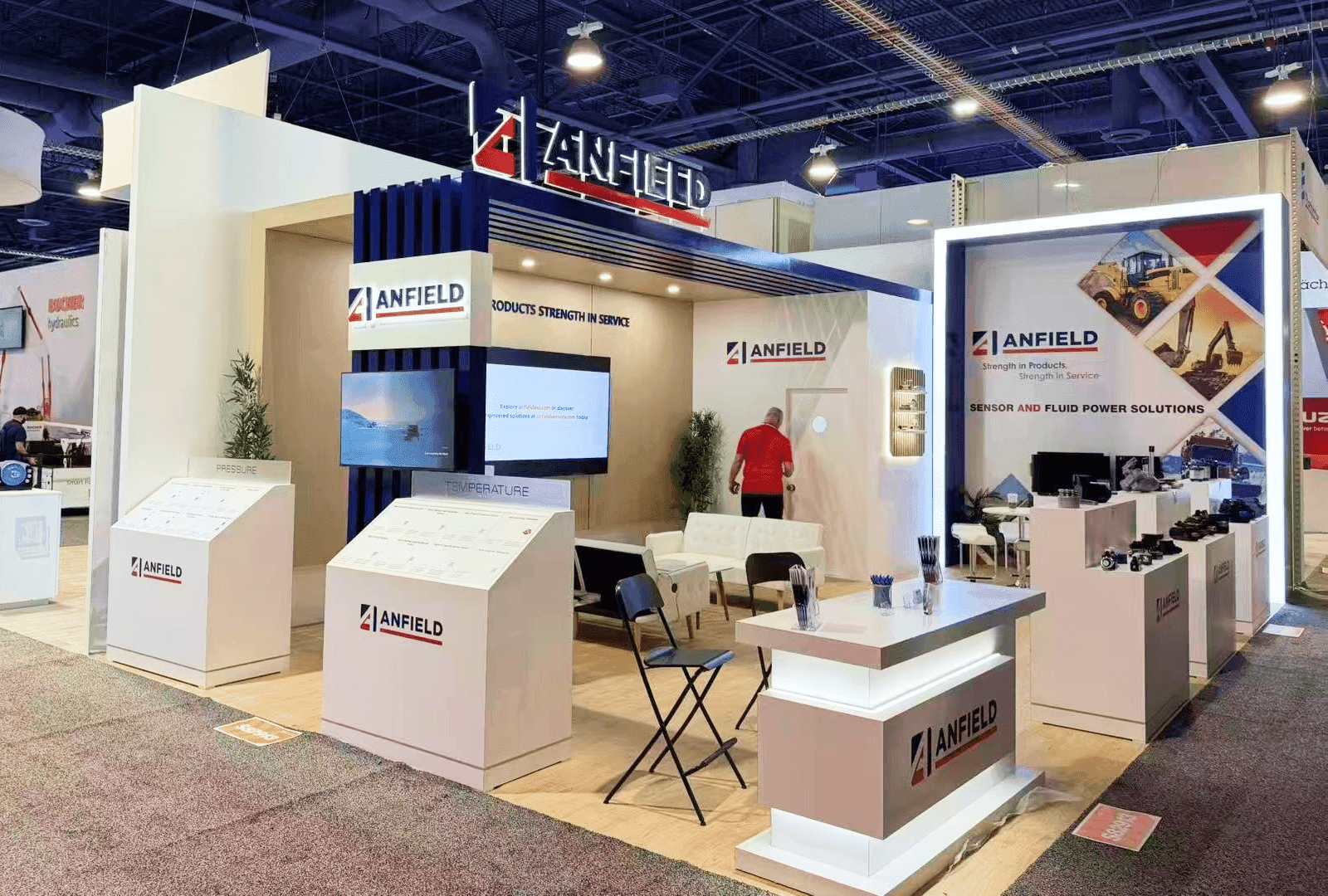
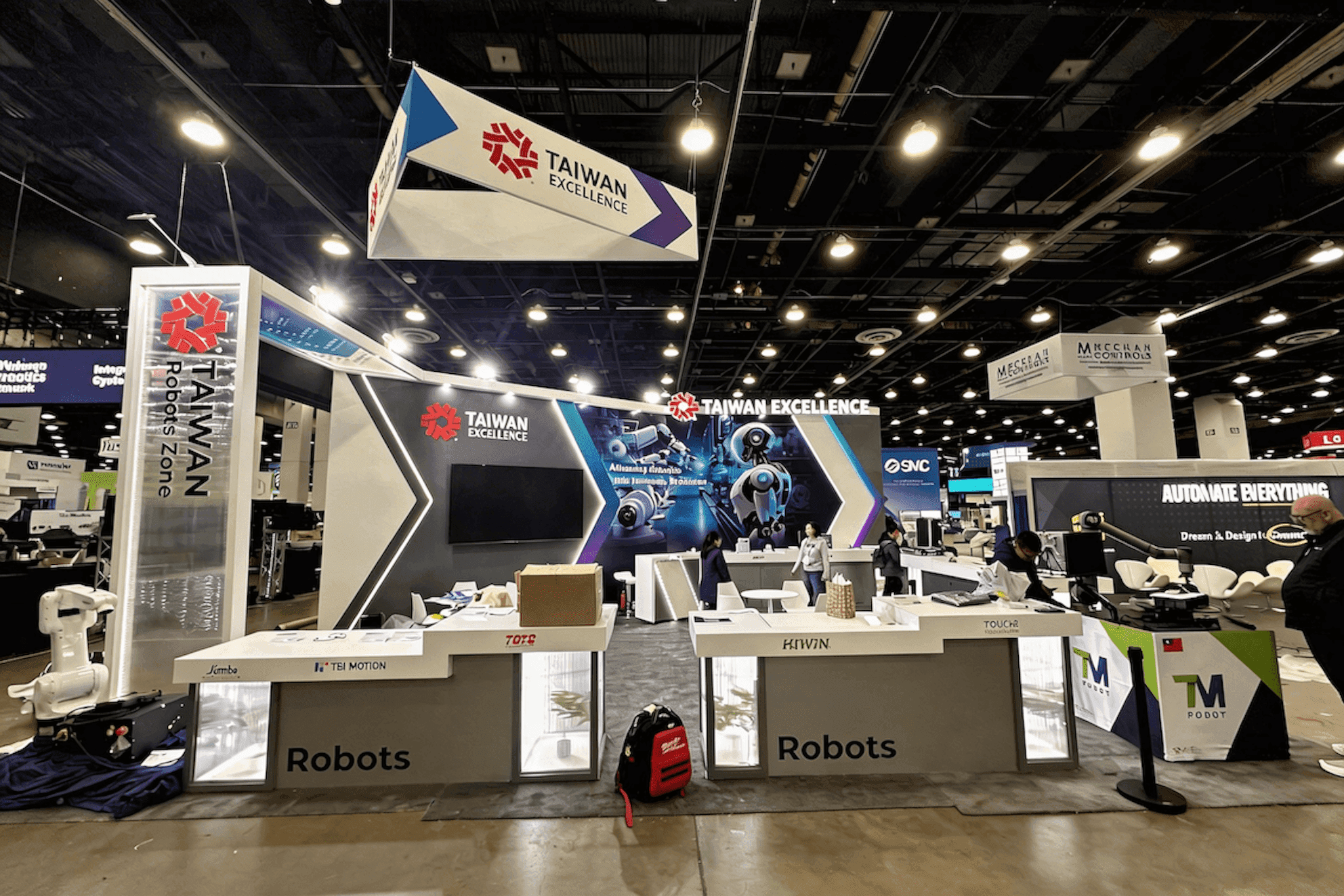
Physical products work best when visitors can inspect materials, finishes, scale, and side-by-side differences directly.
Let the Product Lead When Buyers Need to Inspect It
For décor, floral, linen, furniture, rental products, materials, and other tangible wedding products, the item itself is often the strongest evidence. Color, texture, scale, finish, construction, and side-by-side differences are difficult to replace with a screen. If attendees need to touch something, inspect a detail, or compare options before making a judgment, keep those products visible and easy to evaluate. Booth graphics and brand presentation should help clarify the category, application, or key difference without competing with the physical product itself.
Make the Workflow Visible on Screen
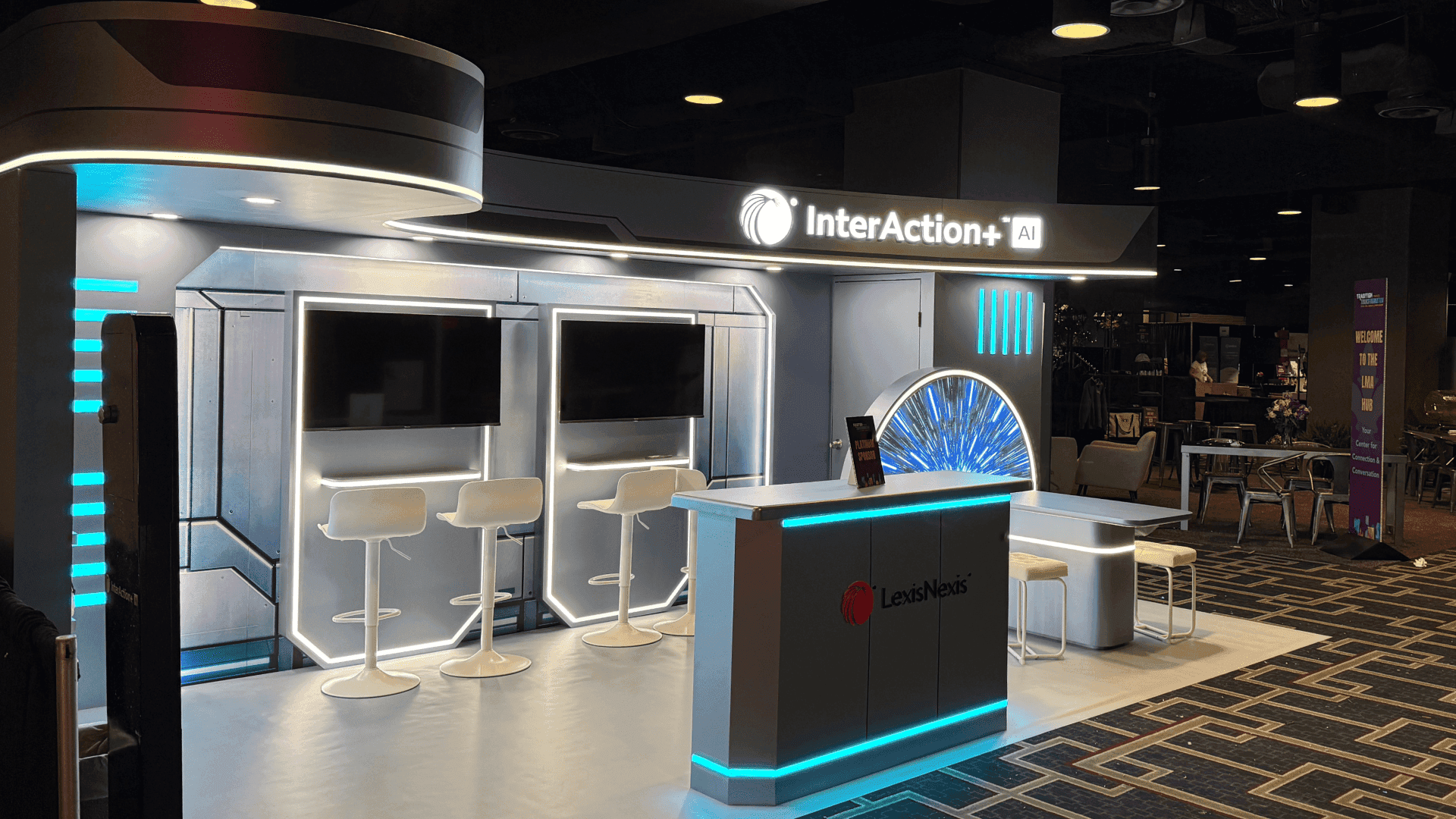
Software, CRM platforms, AI tools, booking systems, and other digital products face a different challenge: the interface alone may not show why the tool matters. Instead of running through a feature list, use the screen to complete one recognizable task. A booking platform might show how an inquiry becomes a confirmed event, a CRM could show how client information moves through a workflow, and an AI tool might demonstrate where a manual step disappears or where time is saved. In each case, the screen turns an otherwise invisible process into something visitors can judge.
A useful walkthrough stops once the central task is clear. Every dashboard, setting, and secondary feature can wait until the visitor wants to go deeper.
Use a Live Demo Only When Motion Proves the Point
A live demo deserves to lead when watching the product or service operate reveals something that a sample, screen, or explanation cannot. That may be a visible transformation, an interactive experience, a real-time process, or a performance where the result needs to be witnessed.
The demonstration also has to survive normal show-floor use. It should be short enough to repeat, simple enough to reset, and not so dependent on one specialist, equipment, or connectivity that the experience becomes unreliable.
A useful boundary is simple: if the live action disappeared, would the most convincing evidence disappear with it? If not, a simpler format may communicate the point faster. If yes, the live demonstration has a clear reason to lead.

Digital exhibitors can use a focused screen walkthrough to show one real workflow before moving into deeper product questions.
When Expertise Is the Product, Start with a Relevant Example
Consulting, insurance, advisory services, and other expertise-based offers may have no physical item to inspect and no process that makes sense as a live demonstration. In those cases, a specific business example, measurable result, or recognizable problem can communicate more than an abstract service description. That does not mean every interaction should begin with a long sales discussion: a visitor still needs something concrete to respond to, such as a problem they recognize, an outcome that matters, or an example close enough to their business to make the conversation useful. The discussion can become more specific once that connection is established.
Choose One Starting Proof, Then Support It
A Wedding MBA booth can use several presentation formats, but one should establish the starting point.
Offer type | What the visitor needs to verify | Recommended starting format |
|---|---|---|
Tangible product | Material, finish, scale, quality, or side-by-side differences | Physical product or sample comparison |
Software or workflow tool | How one real task moves from input to result | Short screen walkthrough |
Experience or performance | What happens when the offer is actually used | Short, repeatable live demo |
Professional or advisory service | Relevance to a specific business problem or outcome | Concrete example or focused conversation |
These are decision cues, not rigid booth formulas. A physical product may still benefit from a screen, software can include a live demonstration, and a service provider may use graphics or case examples to support the discussion. Problems arise when screens, samples, demonstrations, and meetings all compete equally for attention.
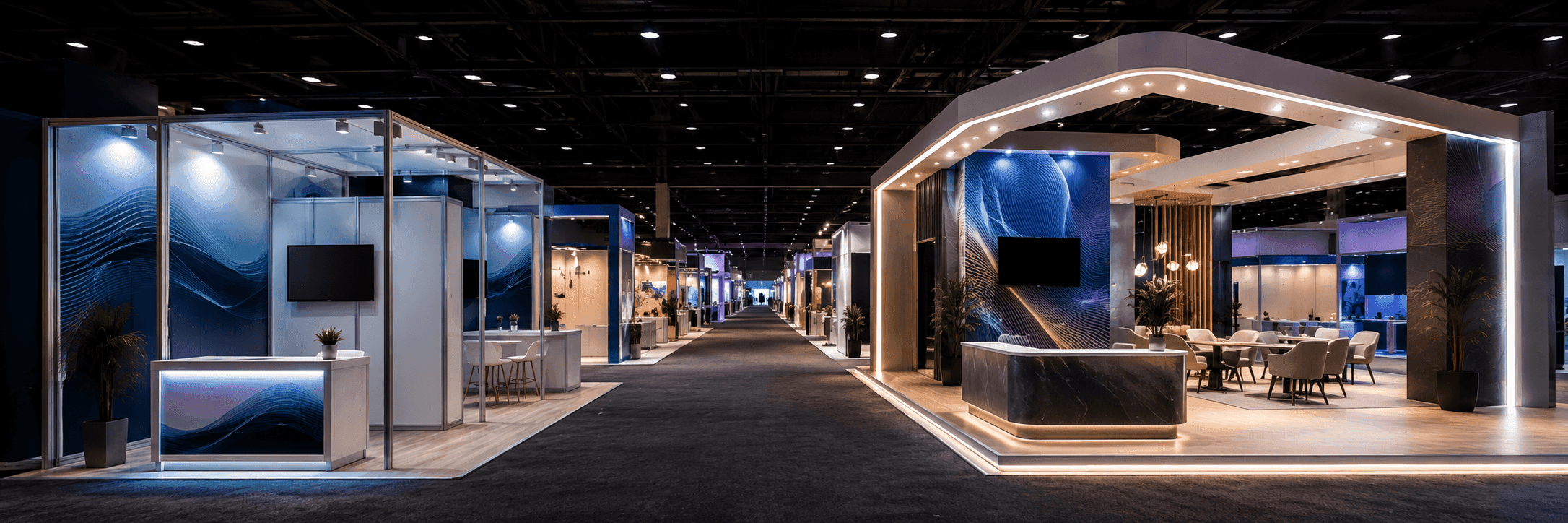
Once that starting point is settled, exhibitors considering a Las Vegas trade show booth rental have a much clearer brief: the structure needs to support the product displays, screens, demo elements, counters, storage, and conversation space that the interaction actually requires.
FAQ
Should a Wedding MBA booth use more than one presentation format?
Yes. Different formats can support different stages of evaluation. A physical product may be supported by a screen, or a live demo may lead into a conversation, but one format should still give visitors the clearest place to start.
Is a live demo always better than a screen walkthrough?
No. A live demo is useful when the action itself proves something that needs to be witnessed. If a short workflow or digital example communicates the point more efficiently and reliably, a screen walkthrough may be the better opening format.
What if the offer combines a physical product and software?
Start with whichever part makes the overall solution easiest to grasp. The physical product may establish what the solution is, while the software explains how it is managed, customized, or used. Together, they should form a sequence rather than two competing presentations.