TISE Traffic Arrives With Different Levels of Intent
Normal aisle traffic often begins with recognition: a visitor notices a product, material, brand, or message and decides whether to stop. Scheduled demos, education, and other show-floor programming can create a different pattern, with attention shifting back into the expo floor in a shorter burst after a nearby session or demonstration ends.
Program-driven traffic: visitors who arrive during or after scheduled demos, education, or related show-floor programming rather than through ordinary aisle browsing.
Sourcing-focused buyers may arrive much further along. They may already know the material category, application, specification, or supplier capability they want to evaluate. A scheduled Connect+ meeting starts from a different point again because the buyer and exhibitor already have an agreed reason to meet. Those conditions call for different first responses rather than one default staffing pattern.

TISE booth coverage should shift with visitor intent, using quick qualification for traffic surges and faster specialist handoffs for sourcing-focused buyers.
Surge Mode: Qualify Demo-Driven Traffic Quickly
When a short burst of visitors reaches the booth after nearby programming, the front-line team has one immediate job: find out why each person stopped before specialist time gets consumed.
recognize → qualify → route
Some visitors only need to understand what the company offers, while others already have an application, sourcing requirement, specification question, or technical issue in mind. The first exchange should separate those situations quickly. A visitor with a defined need can move to the appropriate product or technical person; someone who is still exploring may only need a concise explanation, a relevant product reference, and a clear follow-up path.
Deeper conversations still happen—they simply begin after the visitor has shown a reason to need one. That keeps a temporary traffic spike from tying up every product specialist, technical expert, or staff member reserved for a scheduled conversation.
Sourcing Mode: Move Qualified Buyers to Product Specialists Faster
A buyer who already knows the material category, application, or performance requirement should not have to restart at “What brings you to the show?” The opening conversation can be more specific:
What are you comparing?
Where will the product be used?
Which requirement is driving the decision?
Are you evaluating suppliers for a current project or a future need?
Once that intent is clear, the product specialist should take over early. The conversation can move from category fit into application, specification, availability, and the next commercial step without making a prepared buyer repeat information they already know. A useful sourcing conversation should leave with something concrete—sample follow-up, a specification review, pricing or availability discussion, technical confirmation, or a deeper supplier conversation.
This matters in SURFACES, where some buyers may be comparing several flooring or surface options within limited time on the floor. When product comparison becomes the buyer's main task, staffing is only part of the answer. The display side is covered in SURFACES booth planning; here, the narrower question is how quickly the right product person can take over.
Appointment Mode: Protect Connect+ Meeting Capacity
For exhibitors with scheduled Connect+ appointments, the meeting should not depend on whoever happens to be free when the buyer arrives. Each appointment needs a clear owner who knows who is expected, what the buyer wants to discuss, which product person may be relevant, and whether technical expertise should be available. The owner does not need to answer every question, but the handoff should already be understood before the attendee reaches the booth.
The conversation itself also needs protected time and attention when aisle traffic gets busier. A specialist expected for an appointment should not be pulled into an open-ended first-contact discussion immediately beforehand. Flexible staff can absorb walk-in traffic while that scheduled resource remains available.
A practical handoff is:
identify the buyer → alert the meeting owner → involve the required specialist → confirm the next step
That allows scheduled conversations and normal booth traffic to run at the same time without one repeatedly displacing the other.
Use Technical Escalation Across All Three Coverage Modes
A fabrication-focused visitor on the STONE side of TISE may arrive with a question about process, material performance, tooling, or equipment application. That is a stronger technical signal than a casual stop, but it still does not mean every visitor should begin with the technical specialist.
Technical escalation: moving a qualified conversation from sales or product staff to a technical specialist when the question requires deeper expertise.
Front-line or product staff can usually handle category fit, product differences, common applications, and many specification questions. Deeper expertise becomes more useful when the discussion reaches equipment compatibility, fabrication constraints, process requirements, performance limits, integration, or operating conditions.
For STONE exhibitors, close material inspection and equipment evaluation create a separate planning problem. The STONE booth planning guide covers that side of the exhibit; the operating rule here is narrower: bring in technical expertise when the buyer's question actually requires it.
That rule applies across all three modes. In Surge Mode, it keeps expert time from being absorbed by temporary traffic. In Sourcing Mode, it gives a qualified buyer faster access once a real technical need appears. In Appointment Mode, it allows that expertise to be reserved before the meeting starts.
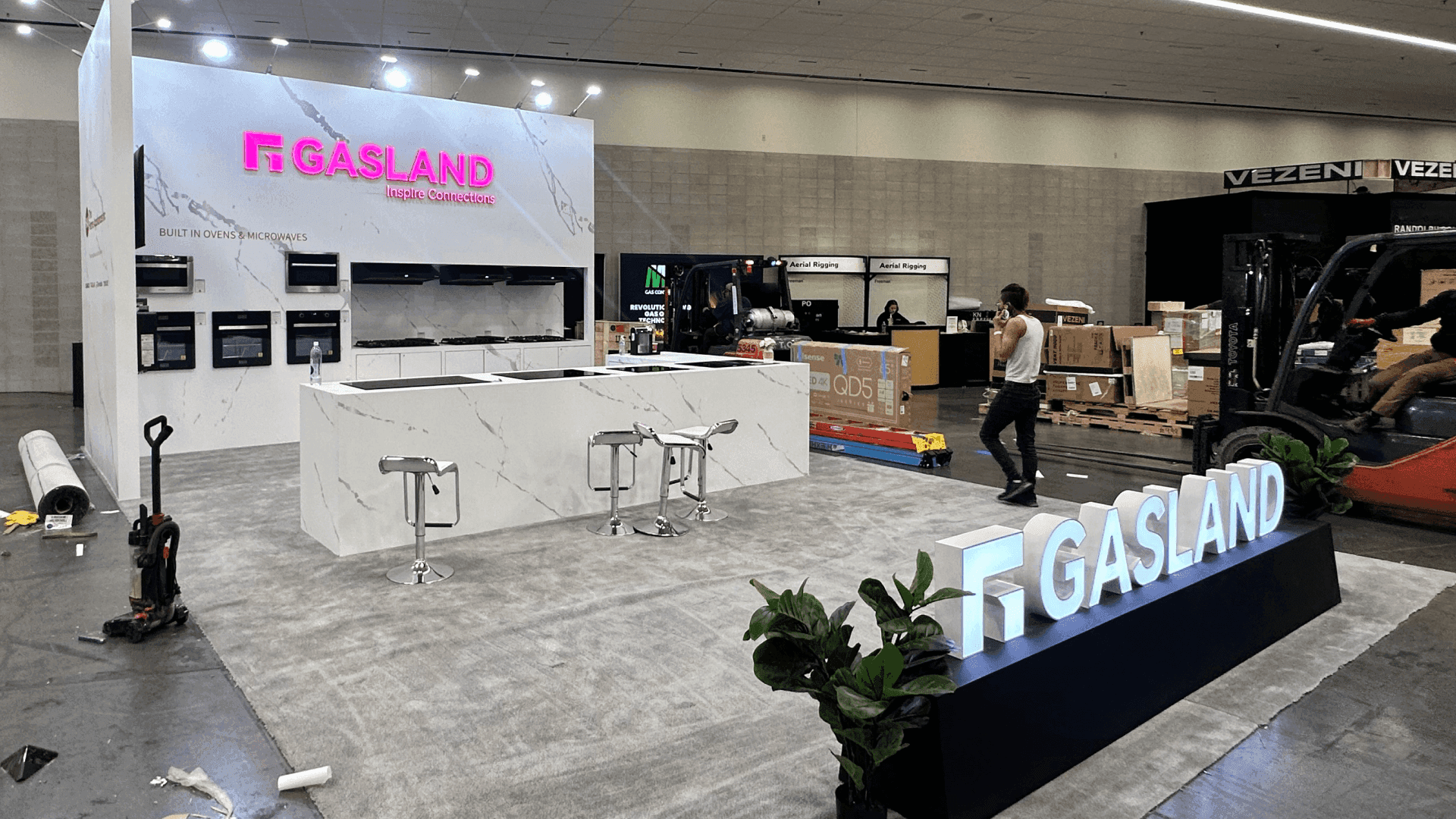
Scheduled meetings and technical conversations need protected staff capacity so deeper buyer discussions can continue even when general booth traffic increases.
Turn the Three Coverage Modes Into a Show-Day Schedule
A useful staffing plan should show more than who is assigned to the booth. It should show how the same team changes its response as the traffic condition changes.
Coverage Mode | Use When | First Response | Specialist Use | Capacity to Protect | Follow-Up Owner |
|---|---|---|---|---|---|
Surge | A demo, education session, or nearby show-floor activity creates a short increase in related traffic | Identify why the visitor stopped and qualify quickly | Bring in product or technical staff only when a clear need appears | Product specialists, technical resources, and scheduled-meeting availability | Staff member who records the lead and next action |
Sourcing | A buyer arrives with a defined product, application, specification, or sourcing objective | Confirm what they are evaluating and what requirement matters most | Move the buyer to the product specialist early; add technical expertise only when needed | Technical expertise for deeper specification or application questions | Product or sales owner |
Appointment | A Connect+ or other scheduled buyer meeting is due | Recognize the buyer and connect them with the assigned meeting owner | Use the product or technical resources planned for that meeting | Meeting owner, required specialist time, and uninterrupted conversation capacity | Meeting owner |
This is an operating framework, not a fixed staffing formula. A smaller team may combine several roles, while a larger exhibit may assign them separately. What matters is knowing which responsibility and capacity must remain covered under each traffic condition.
Once the coverage schedule is clear, the layout has a job to do. Quick qualification should happen without blocking product conversations, specialists need a usable place to continue qualified discussions, and scheduled meetings need capacity that still works when traffic increases. Those relationships are easier to resolve during design and engineering than after the exhibit reaches the show floor.
FAQ
How many people should staff a TISE booth?
There is no single headcount that fits every exhibit. Start with the roles that may need to operate at the same time—first contact, product expertise, technical support, and scheduled meetings—then determine how many people are needed to cover those responsibilities without leaving a critical conversation unattended.
Should sales and technical staff have different roles at TISE?
Usually, yes. Sales or product staff can handle qualification and most product-level questions, while technical specialists are more useful once the buyer reaches a specific process, specification, compatibility, or application issue.
Do Connect+ meetings need a dedicated meeting owner?
A scheduled meeting should have one person responsible for recognizing the buyer, starting the conversation, bringing in the right specialist, and confirming follow-up. That person does not need to answer every question, but the meeting should not depend on finding an available staff member after the buyer arrives.