What the Exhibitor Package Changes Before Booth Planning Begins
The main value of the Exhibitor Package Plan is that it separates the show-service baseline from the exhibit-specific decisions that shape the booth.
For The Clean Show exhibitors, that distinction matters because a machinery display, an automation system, and a product-focused exhibit can require very different planning inputs even when they begin with the same event framework.
The package creates a clearer starting point for budgeting, coordination, and preparation. It helps define what belongs to the event framework and what still depends on the exhibitor, the products being shown, and the exhibit team responsible for turning those requirements into a workable plan.
With that foundation in place, exhibitors can focus earlier on the decisions that shape the exhibit itself: what buyers need to see, what needs to be demonstrated, what information the design team needs, and what the booth must support.
The result is a stronger planning foundation, not a finished booth solution.
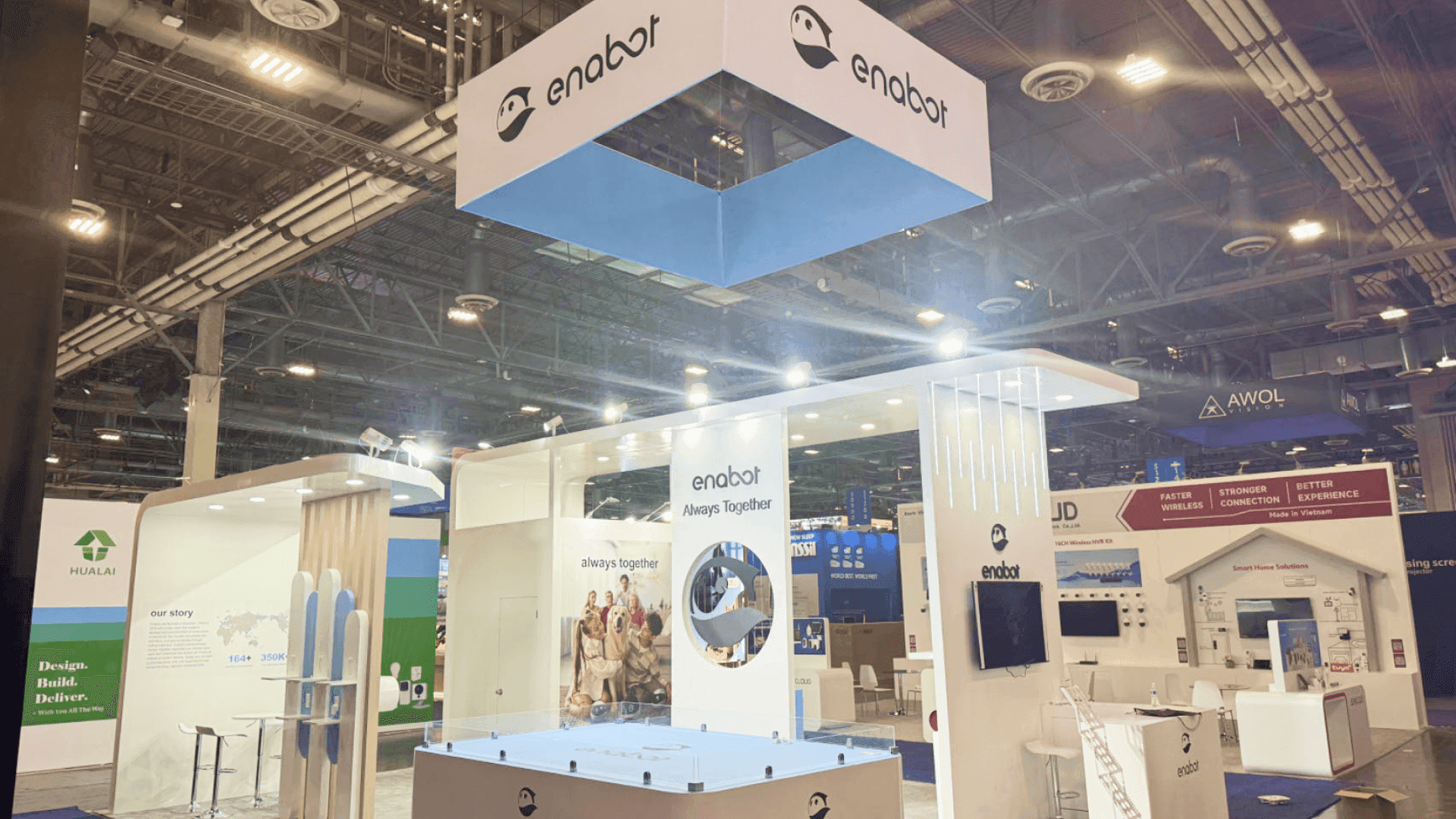
A clear booth planning process separates event service requirements from exhibitor-specific decisions such as products, demonstrations, and exhibit objectives.
What the Package Does Not Resolve for Your Booth
The package creates a clearer service framework, but it does not replace the decisions required to create a workable exhibit.
An included service can simplify how a requirement is handled, but it does not remove the planning work behind that requirement.
Included Does Not Mean Unspecified
Even when a service is covered through the event package, the exhibitor still needs to define the actual requirement.
A machine, product display, or demonstration still requires clear information about specifications, operating needs, access requirements, and any conditions that affect the exhibit plan.
A service may answer part of the commercial question, but the design team still needs the technical details required to create a workable solution.
Included Does Not Mean Location-Independent
A service being available does not mean it is separate from the booth plan.
Utility availability, for example, does not determine where equipment should be placed, how access should work, or how the surrounding visitor experience should function. The connection may exist, but the exhibit still needs to account for the products and systems that depend on it.
This is especially important for equipment-focused exhibits, where service availability must be considered alongside the physical requirements of the machinery being shown.
The same principle applies to other production and setup requirements. Even when coordination is simplified through the package, the exhibit team still needs enough information to understand what is arriving, what requires support, and what conditions must be resolved before opening.
Simplified service coordination reduces uncertainty, but it does not replace exhibit planning.
What the Package Helps Clarify vs. What Still Requires an Exhibit Decision
Planning Area | What the Package Helps Clarify | What Exhibitors Still Need to Define |
|---|---|---|
Show-service baseline | A clearer starting framework for event coordination | The requirements created by the specific exhibit |
Budget planning | A more predictable baseline for event-related costs | Product, equipment, demonstration, structure, and special requirements |
Technical preparation | A clearer path for coordination | Equipment details, utility needs, access conditions, and operating requirements |
Production preparation | A more organized preparation process | What needs to be designed, built, placed, connected, and tested |
Exhibit decisions | A defined planning starting point | What buyers need to see, understand, and discuss inside the exhibit |
The Package Does Not Decide Your Exhibit Strategy
The decisions that define the exhibit still belong to the exhibitor and exhibit team.
The package does not decide what products or equipment come to the floor, how they should be presented, how much space is needed for buyer discussions, or what support functions the booth must provide.
It also does not determine whether the exhibit requires a modular structure, a customized approach, a physical demonstration, or a system-focused presentation. Those choices depend on what buyers need to understand and what the booth must accomplish.
If the broader exhibit strategy is still being defined, the The Clean Show booth planning guide provides the overall planning framework before package details become design decisions.
What Exhibitors Still Need to Confirm Before Design Starts
The package defines part of the framework, but the design team still needs a project brief built around the actual exhibit.
A product brochure or general service list is not enough. The design needs to reflect the objects, demonstrations, and visitor interactions that will happen on the show floor.
What Is Actually Coming to the Booth
The first input is the physical scope of the exhibit: which products, machines, samples, or representative components will be present, how many will be displayed, and which elements matter most to the visitor experience.
The design team needs to plan around real objects rather than assumptions. If the product or equipment list changes late, the impact can extend into access, storage, utilities, freight, and production decisions.
How Each Product or System Will Be Demonstrated
The team needs to understand whether a product will operate, remain static, represent only part of a process, or rely on screens and interfaces to explain information that cannot be shown physically.
The demonstration approach affects the support the booth requires before detailed design begins. Without that understanding, it is difficult to define the space and technical support required for the visitor experience.
Physical Dimensions and Access Requirements
Dimensions are only the starting point. Products and equipment may also involve access points, service areas, loading requirements, moving components, or other physical conditions that affect how the exhibit functions.
Those requirements should be identified before design begins. Otherwise, a concept may appear workable while leaving important operational needs unresolved.
Utility and Connectivity Requirements
Any exhibit element that depends on electricity, steam, water, drainage, air, gas, data, or network access should be defined early.
Even when a service is available through the event framework, the exhibit team still needs to understand the actual demand and how the requirement affects the overall plan.
Availability alone does not define what needs to connect or what conditions the exhibit must support.
Buyer Conversation and Support Needs
The booth also needs to support what happens after a visitor sees the product or understands the system.
Some exhibitors need simple standing conversations. Others require technical discussions, product documentation, storage, demo support materials, or staff handoff areas.
These functions shape what the booth needs beyond the visible display.

Before booth design begins, exhibitors need to define products, equipment requirements, demonstration needs, technical inputs, and visitor interaction goals.
How the Remaining Planning Scope Changes by Exhibit Type
Once the package scope is understood, the remaining planning work depends on what the exhibitor is bringing to the show. Different exhibit types may start from the same event framework but require different design inputs.
Operating Equipment Exhibitors
For operating equipment exhibitors, the remaining planning work is mainly physical. The team needs to understand the equipment envelope, operating requirements, utilities, buyer viewing needs, and support functions before moving into detailed exhibit planning.
That equipment-specific process continues in the operating equipment planning guide.
Automation & Material Flow Exhibitors
Automation and material-flow exhibitors face a different challenge. The system itself may be much larger than the booth, so the remaining decisions focus on what buyers need to understand, which elements should be represented physically, and which parts can be explained through digital content.
The workflow-focused approach continues in the automation workflow planning guide.
Product & Supply Exhibitors
Product-focused exhibitors follow a different path, with planning centered on product priority, comparison, samples, application examples, and the type of buyer conversation the display should create.
These decisions remain part of the broader The Clean Show booth planning process.
When the Booth Is Ready to Move Into Design and Engineering
The goal is not to have every design detail solved before involving the exhibit team. The goal is to provide enough defined information so the team is designing around requirements rather than assumptions.
A simple design-ready test is whether the team can answer five questions:
What is being shown?
How will it be demonstrated or explained?
What physical space does it require?
What services or utilities does it depend on?
What should the buyer be able to do next?
When those answers are clear, the project is ready to move into trade show design and engineering.
FAQ
What remains the exhibitor’s responsibility after the Package Plan is considered?
The exhibitor remains responsible for defining the exhibit requirements that the package does not determine, including product, equipment, demonstration, and operational needs.
Does an included utility mean equipment placement is already resolved?
No. The actual utility demand, equipment requirements, access conditions, and connection needs still have to be defined before the exhibit plan is finalized.
What should machinery exhibitors prepare before booth design?
They should prepare equipment dimensions, access requirements, demonstration needs, utility requirements, and the type of buyer interaction the equipment needs to support.
Does the Exhibitor Package determine booth size?
No. The required footprint still depends on what is being displayed, how it will be demonstrated, and how much space is needed for discussion, storage, and support functions.
When should an exhibit design team become involved?
The design team should be involved once the main products or equipment, demonstration requirements, utility needs, and support functions are reasonably clear. That allows the project to move forward based on real requirements instead of assumptions.