How Modular Rental Booths Work for 20x20 and 20x30 Las Vegas Trade Shows

Circle Exhibit Team
Industry professionals
Exhibition industry professional dedicated to delivering the latest insights and curated recommendations to you.
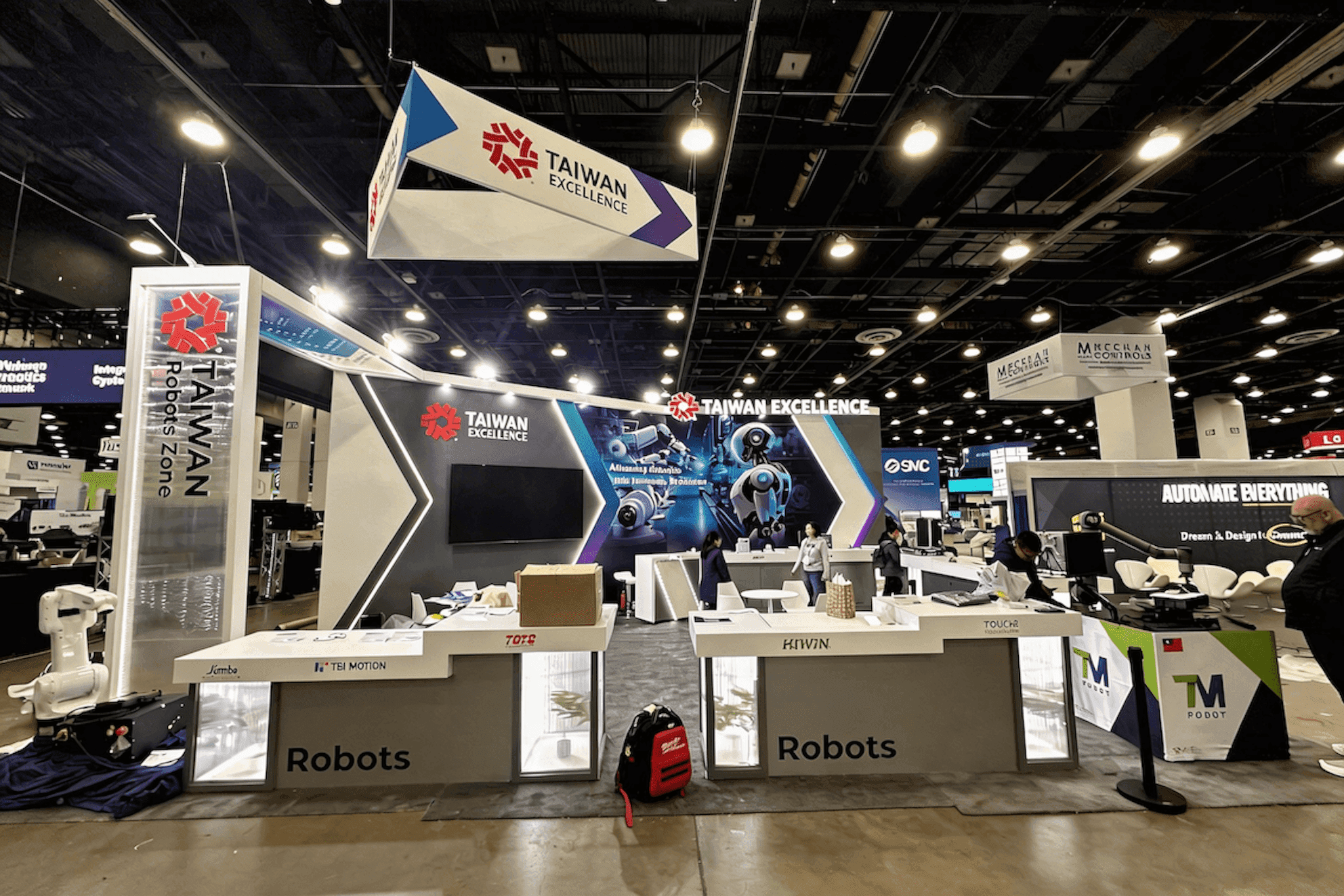
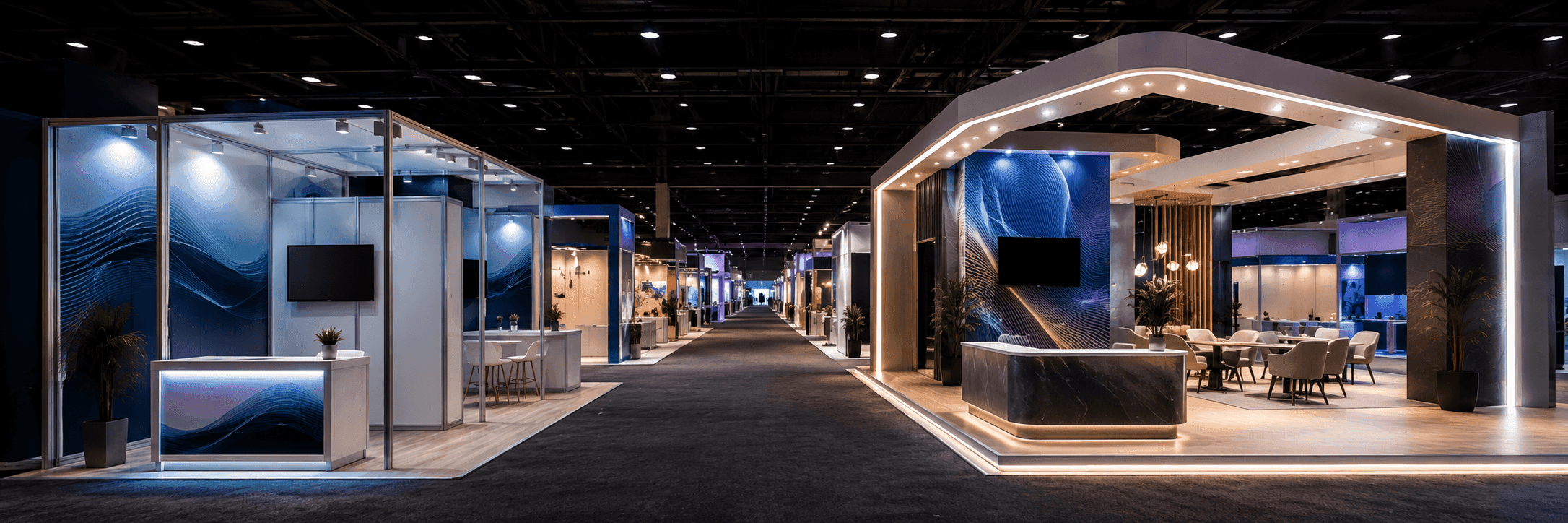
Modular rental booths help exhibitors move faster without losing a custom branded look, especially when 20x20 and 20x30 layouts are planned around graphics, demo counters, meeting zones, product displays, and show-site installation.
A modular rental booth works best when the booth size, brand graphics, demo needs, and install schedule are planned together.
For Las Vegas exhibitors, this is especially useful in 20x20 and 20x30 spaces. These booth sizes need more than standard walls. They often need a clear front message, demo counters, meeting areas, product displays, storage, lighting, and a layout that can be installed without creating show-site pressure.
Quick Answer
Modular rental booths help 20x20 and 20x30 Las Vegas exhibitors build a polished branded space faster by using reusable wall systems, counters, shelving, graphics, and meeting components. The booth can still feel custom when the layout is planned around demo flow, visitor movement, product display, and venue install timing.
That is why customizable rental booth support is useful for exhibitors who need speed, brand control, and practical show-floor execution without building every structure from scratch.
What Makes a Modular Rental Booth Different From a Standard Rental Setup?
A modular rental booth is not just a rented wall package.
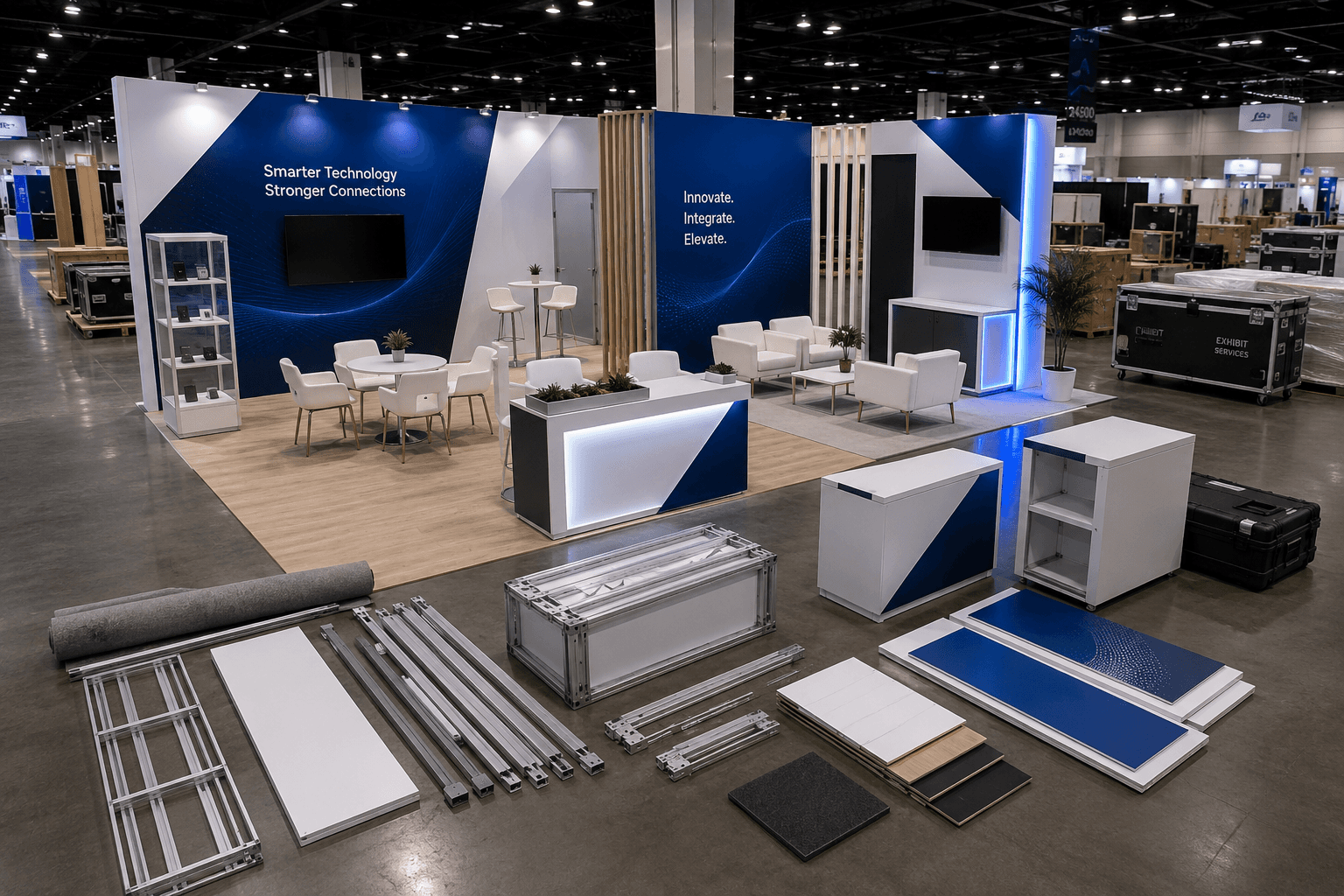
It is a configurable booth system planned around the exhibitor’s real show behavior. The same base structure can support branded wall graphics, counters, shelving, monitor zones, meeting furniture, and storage, but the layout should change based on booth size and traffic flow.
For a 20x20 booth, the system needs to control pressure quickly. Visitors enter from nearby aisles, staff need room to work, and the demo area cannot block the front of the booth.
For a 20x30 booth, the system has more room to separate functions. The booth can hold a stronger brand wall, a demo counter, a product display zone, and a small meeting area without forcing every activity into the same corner.
The modular structure creates the framework. The layout decides whether the booth actually works.
How Does a 20x20 Modular Rental Booth Handle Traffic Pressure?
A 20x20 rental booth needs a clear first stop.
This footprint can feel open, but it fills up quickly when visitors, staff, counters, products, and storage all compete for space. Good 20x20 booth rental planning should decide where visitors pause before deciding where walls and counters go.
In most 20x20 rental layouts, the back wall carries the main brand message. A front or side counter handles product explanation, lead capture, or software demo activity. Storage should stay hidden because visible clutter makes the booth feel smaller.
A strong 20x20 modular booth usually needs:
one clear branded wall
one controlled demo counter
one small meeting or conversation area
hidden storage for staff materials
enough aisle-side space for visitors to stop without blocking entry
This keeps the booth simple, but not empty. The goal is to make the booth easy to read and easy to enter.
How Does a 20x30 Modular Rental Booth Separate Demo, Meeting, and Display Zones?
A 20x30 rental booth gives exhibitors more working space, but it also needs stronger zone control.
With 600 square feet, the booth can support multiple functions at once. The issue is not whether those functions fit. The issue is whether visitors can understand the layout without staff explaining it.
Good 20x30 rental booth layouts often separate the booth into four areas: reception, demo, product display, and meeting. This creates a more organized visitor path than a fully open layout.
The extra 10 feet can support a wider graphic wall, a larger demo counter, more product shelving, or a semi-private meeting table. It can also help staff hold conversations without blocking the main aisle.
For Las Vegas shows, this matters because 20x30 booths often sit in busier aisles or near larger island booths. If the booth does not control movement, visitors may pass by without understanding where to stop.
20x20 vs 20x30 Modular Rental Booth Planning
Planning Area | 20x20 Rental Booth | 20x30 Rental Booth |
|---|---|---|
Main layout pressure | Traffic builds quickly near the aisle | More space, but more zones to control |
Best use of graphics | One strong brand wall or visual anchor | Larger brand wall plus secondary product messaging |
Demo counter role | One focused interaction point | One main demo counter with possible support station |
Meeting area | Small, open conversation zone | More defined meeting or semi-private area |
Product display | Selective display with limited density | More room for shelving, samples, or category grouping |
Install behavior | Faster setup, but tight spacing | More components, more staging coordination |
Best fit | Focused brand presence and quick demos | Broader presentation with separated booth functions |
Where Do Branded Graphics Create the Custom Look?
Graphics do most of the visual work in a modular rental booth.
The structure gives the booth shape, but the graphics make it feel specific to the exhibitor. Large wall panels, side returns, counter fronts, monitor backdrops, and lightbox areas can all carry brand identity without requiring a fully custom build.
For 20x20 booths, graphics should be direct. Visitors are close to the booth before they decide whether to enter, so the message needs to be easy to read from a short distance.
For 20x30 booths, graphics can create a stronger hierarchy. The main wall can introduce the brand, while secondary panels explain product categories, service lines, or demo themes.
The mistake is trying to use every surface for a message. A modular rental booth looks more polished when the graphic system has restraint: one primary message, one visual rhythm, and a clean path from aisle to demo.
What Should the Demo Counter Do in a Modular Rental Booth?
A demo counter should control where people stop.
In a 20x20 booth, the counter often works best near the front edge, but not directly in the entry path. It should let visitors pause, ask a question, or watch a quick product explanation without blocking the booth.
In a 20x30 booth, the counter can do more. It may support product samples, touchscreen demos, lead capture, or a short presentation supported by a nearby monitor.
The counter should match the demo behavior:
quick lead capture needs a smaller, faster counter
product explanation needs more surface space
software demos need screen visibility and cable planning
sample displays need storage and staff access behind the counter
A modular rental booth becomes stronger when the demo counter is treated as an operating point, not just a furniture piece.
How Should Meeting Areas Fit Inside 20x20 and 20x30 Rental Booths?
Meeting areas should match the booth’s real conversation style.
A 20x20 booth usually cannot afford a large meeting area. It works better with a small table, two to four chairs, or a side conversation zone that does not block the demo counter.
A 20x30 booth can support a more defined meeting area. The extra depth or width gives the team room to separate quick aisle conversations from longer buyer discussions.
The key is balance. If the meeting area is too large, the booth may lose product clarity. If it is too small, staff may end up holding important conversations in the aisle.
In modular rental planning, meeting furniture should be placed after the visitor path is defined. The booth needs to show visitors where to look first, where to stop, and where to continue the conversation.
Why Do Fabrication Checks Still Matter for Rental Booths?
Rental booths still need production control.
Even when the structure uses modular components, the booth depends on accurate graphics, clean panel fit, counter finishing, shelving alignment, lighting placement, and packing logic. That is why booth fabrication and prebuild checks still matter for rental booth projects.
This becomes more important in Las Vegas because move-in schedules can be tight. At venues such as LVCC, booth setup may involve drayage release, union labor coordination, freight staging, and dock-to-booth timing before the booth is ready for final graphics and lighting.
A rental booth should save time on-site, not move hidden problems into the hall.
Pre-show checks help confirm that the graphics fit the system, counters are ready, components are labeled, and the install crew can understand the build sequence before show-floor pressure begins.
How Can Modular Rental Booths Support Reuse Across Multiple Shows?
Modular rental booths support reuse by keeping the structure flexible and refreshing the branded layer.
An exhibitor may use a similar 20x20 or 20x30 footprint across several shows, but change the campaign, product focus, or graphic message. This is where modular planning creates value. The wall system, counters, shelving, and monitor zones can stay familiar, while graphics and layout details adjust by show.
This is different from repeating the exact same booth.
The goal is to keep the planning system efficient while giving each show enough brand and product relevance. A company may use one layout for a product-heavy show and another layout for a meeting-focused show without starting from zero.
For broader background on system-based exhibit planning, this article on modular exhibition systems explains how modular structures can support flexible booth programs. For this article, the practical point is narrower: 20x20 and 20x30 rental booths work better when reuse is planned before the booth is installed.
What Should Exhibitors Confirm Before Choosing a Modular Rental Booth?
A modular rental booth works best when the exhibitor confirms the booth behavior early.
Before choosing the structure, the team should understand what the booth needs to support on the show floor. A rental system can be fast and polished, but only if the layout matches the real use case.
Planning Checklist
What is the booth size: 20x20 or 20x30?
What should visitors notice first from the aisle?
Does the booth need one demo counter or multiple interaction points?
Will the product display use shelves, counters, samples, or screens?
Does the team need a small meeting area or a more defined conversation zone?
How much hidden storage is needed for staff materials?
Will the graphics change for future shows?
Are there Las Vegas venue factors such as drayage, union labor, move-in timing, or dock access?
Can the booth be checked before it reaches the show floor?
These questions keep the rental booth from becoming a generic setup. They turn the modular structure into a working exhibit environment.
When Does a Modular Rental Booth Make the Most Sense?
A modular rental booth makes the most sense when the exhibitor needs a branded, show-ready environment with faster planning and practical reuse.
It is especially useful for 20x20 and 20x30 Las Vegas trade shows where the booth needs clear graphics, a demo counter, a meeting area, and product display space, but does not require fully custom architecture.
The booth can still feel tailored when the rental system is planned around:
visitor stopping points
demo flow
graphic hierarchy
meeting behavior
storage needs
install sequence
Las Vegas venue timing
That is the main difference between a basic rental package and a strong modular rental booth. One fills the space. The other supports how the booth actually works.
Planning a 20x20 or 20x30 Rental Booth in Las Vegas?
Circle Exhibit supports modular rental booth layouts with branded graphics, demo counters, meeting areas, product display zones, fabrication checks, and Las Vegas show-site installation planning.
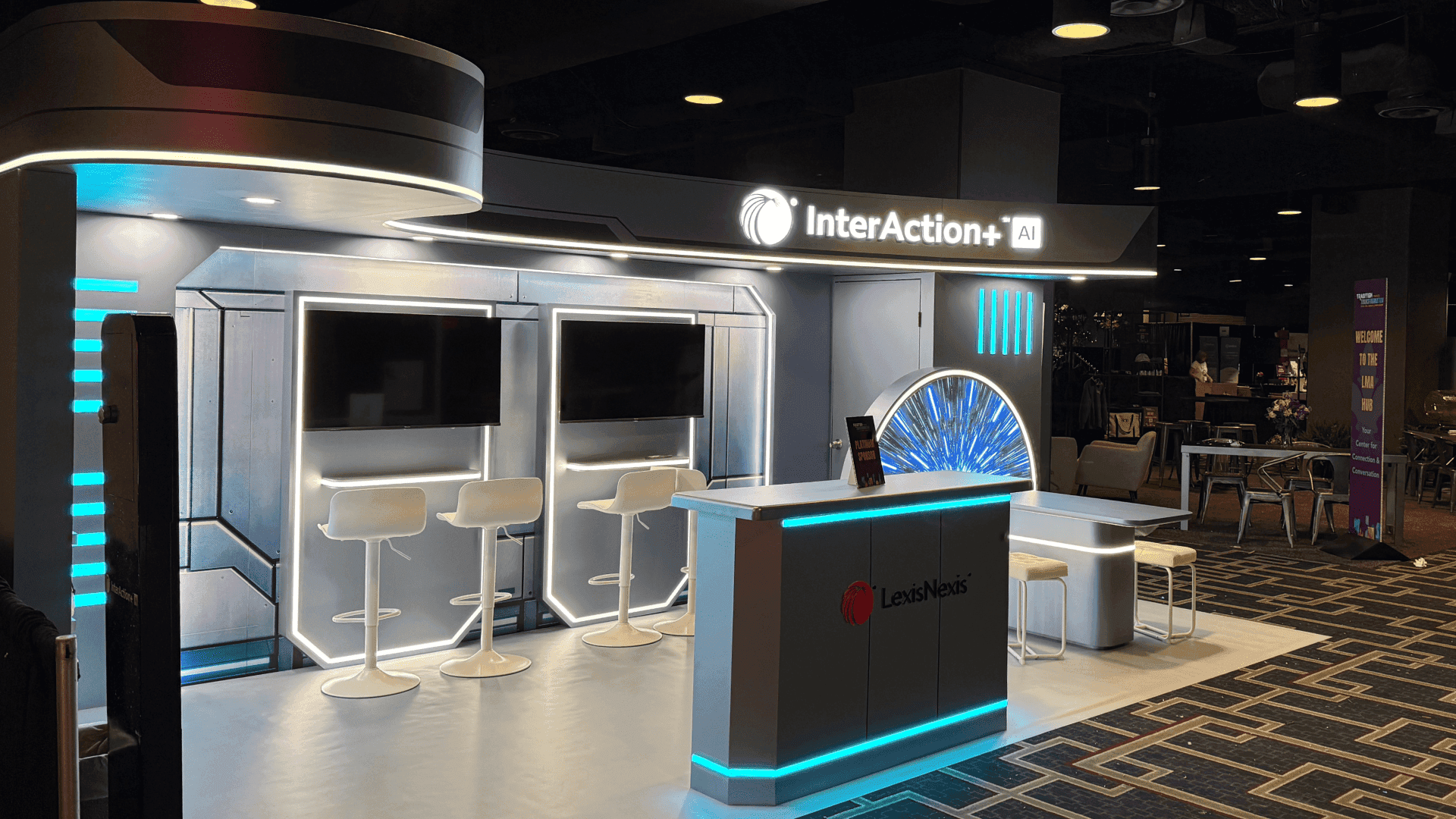
A modular rental booth works best when the booth size, brand graphics, demo needs, and install schedule are planned together.
For Las Vegas exhibitors, this is especially useful in 20x20 and 20x30 spaces. These booth sizes need more than standard walls. They often need a clear front message, demo counters, meeting areas, product displays, storage, lighting, and a layout that can be installed without creating show-site pressure.
Quick Answer
Modular rental booths help 20x20 and 20x30 Las Vegas exhibitors build a polished branded space faster by using reusable wall systems, counters, shelving, graphics, and meeting components. The booth can still feel custom when the layout is planned around demo flow, visitor movement, product display, and venue install timing.
That is why customizable rental booth support is useful for exhibitors who need speed, brand control, and practical show-floor execution without building every structure from scratch.
What Makes a Modular Rental Booth Different From a Standard Rental Setup?
A modular rental booth is not just a rented wall package.
It is a configurable booth system planned around the exhibitor’s real show behavior. The same base structure can support branded wall graphics, counters, shelving, monitor zones, meeting furniture, and storage, but the layout should change based on booth size and traffic flow.
For a 20x20 booth, the system needs to control pressure quickly. Visitors enter from nearby aisles, staff need room to work, and the demo area cannot block the front of the booth.
For a 20x30 booth, the system has more room to separate functions. The booth can hold a stronger brand wall, a demo counter, a product display zone, and a small meeting area without forcing every activity into the same corner.
The modular structure creates the framework. The layout decides whether the booth actually works.
How Does a 20x20 Modular Rental Booth Handle Traffic Pressure?
A 20x20 rental booth needs a clear first stop.
This footprint can feel open, but it fills up quickly when visitors, staff, counters, products, and storage all compete for space. Good 20x20 booth rental planning should decide where visitors pause before deciding where walls and counters go.
In most 20x20 rental layouts, the back wall carries the main brand message. A front or side counter handles product explanation, lead capture, or software demo activity. Storage should stay hidden because visible clutter makes the booth feel smaller.
A strong 20x20 modular booth usually needs:
one clear branded wall
one controlled demo counter
one small meeting or conversation area
hidden storage for staff materials
enough aisle-side space for visitors to stop without blocking entry
This keeps the booth simple, but not empty. The goal is to make the booth easy to read and easy to enter.
How Does a 20x30 Modular Rental Booth Separate Demo, Meeting, and Display Zones?
A 20x30 rental booth gives exhibitors more working space, but it also needs stronger zone control.
With 600 square feet, the booth can support multiple functions at once. The issue is not whether those functions fit. The issue is whether visitors can understand the layout without staff explaining it.
Good 20x30 rental booth layouts often separate the booth into four areas: reception, demo, product display, and meeting. This creates a more organized visitor path than a fully open layout.
The extra 10 feet can support a wider graphic wall, a larger demo counter, more product shelving, or a semi-private meeting table. It can also help staff hold conversations without blocking the main aisle.
For Las Vegas shows, this matters because 20x30 booths often sit in busier aisles or near larger island booths. If the booth does not control movement, visitors may pass by without understanding where to stop.
20x20 vs 20x30 Modular Rental Booth Planning
Planning Area | 20x20 Rental Booth | 20x30 Rental Booth |
|---|---|---|
Main layout pressure | Traffic builds quickly near the aisle | More space, but more zones to control |
Best use of graphics | One strong brand wall or visual anchor | Larger brand wall plus secondary product messaging |
Demo counter role | One focused interaction point | One main demo counter with possible support station |
Meeting area | Small, open conversation zone | More defined meeting or semi-private area |
Product display | Selective display with limited density | More room for shelving, samples, or category grouping |
Install behavior | Faster setup, but tight spacing | More components, more staging coordination |
Best fit | Focused brand presence and quick demos | Broader presentation with separated booth functions |
Where Do Branded Graphics Create the Custom Look?
Graphics do most of the visual work in a modular rental booth.
The structure gives the booth shape, but the graphics make it feel specific to the exhibitor. Large wall panels, side returns, counter fronts, monitor backdrops, and lightbox areas can all carry brand identity without requiring a fully custom build.
For 20x20 booths, graphics should be direct. Visitors are close to the booth before they decide whether to enter, so the message needs to be easy to read from a short distance.
For 20x30 booths, graphics can create a stronger hierarchy. The main wall can introduce the brand, while secondary panels explain product categories, service lines, or demo themes.
The mistake is trying to use every surface for a message. A modular rental booth looks more polished when the graphic system has restraint: one primary message, one visual rhythm, and a clean path from aisle to demo.
What Should the Demo Counter Do in a Modular Rental Booth?
A demo counter should control where people stop.
In a 20x20 booth, the counter often works best near the front edge, but not directly in the entry path. It should let visitors pause, ask a question, or watch a quick product explanation without blocking the booth.
In a 20x30 booth, the counter can do more. It may support product samples, touchscreen demos, lead capture, or a short presentation supported by a nearby monitor.
The counter should match the demo behavior:
quick lead capture needs a smaller, faster counter
product explanation needs more surface space
software demos need screen visibility and cable planning
sample displays need storage and staff access behind the counter
A modular rental booth becomes stronger when the demo counter is treated as an operating point, not just a furniture piece.
How Should Meeting Areas Fit Inside 20x20 and 20x30 Rental Booths?
Meeting areas should match the booth’s real conversation style.
A 20x20 booth usually cannot afford a large meeting area. It works better with a small table, two to four chairs, or a side conversation zone that does not block the demo counter.
A 20x30 booth can support a more defined meeting area. The extra depth or width gives the team room to separate quick aisle conversations from longer buyer discussions.
The key is balance. If the meeting area is too large, the booth may lose product clarity. If it is too small, staff may end up holding important conversations in the aisle.
In modular rental planning, meeting furniture should be placed after the visitor path is defined. The booth needs to show visitors where to look first, where to stop, and where to continue the conversation.
Why Do Fabrication Checks Still Matter for Rental Booths?
Rental booths still need production control.
Even when the structure uses modular components, the booth depends on accurate graphics, clean panel fit, counter finishing, shelving alignment, lighting placement, and packing logic. That is why booth fabrication and prebuild checks still matter for rental booth projects.
This becomes more important in Las Vegas because move-in schedules can be tight. At venues such as LVCC, booth setup may involve drayage release, union labor coordination, freight staging, and dock-to-booth timing before the booth is ready for final graphics and lighting.
A rental booth should save time on-site, not move hidden problems into the hall.
Pre-show checks help confirm that the graphics fit the system, counters are ready, components are labeled, and the install crew can understand the build sequence before show-floor pressure begins.
How Can Modular Rental Booths Support Reuse Across Multiple Shows?
Modular rental booths support reuse by keeping the structure flexible and refreshing the branded layer.
An exhibitor may use a similar 20x20 or 20x30 footprint across several shows, but change the campaign, product focus, or graphic message. This is where modular planning creates value. The wall system, counters, shelving, and monitor zones can stay familiar, while graphics and layout details adjust by show.
This is different from repeating the exact same booth.
The goal is to keep the planning system efficient while giving each show enough brand and product relevance. A company may use one layout for a product-heavy show and another layout for a meeting-focused show without starting from zero.
For broader background on system-based exhibit planning, this article on modular exhibition systems explains how modular structures can support flexible booth programs. For this article, the practical point is narrower: 20x20 and 20x30 rental booths work better when reuse is planned before the booth is installed.
What Should Exhibitors Confirm Before Choosing a Modular Rental Booth?
A modular rental booth works best when the exhibitor confirms the booth behavior early.
Before choosing the structure, the team should understand what the booth needs to support on the show floor. A rental system can be fast and polished, but only if the layout matches the real use case.
Planning Checklist
What is the booth size: 20x20 or 20x30?
What should visitors notice first from the aisle?
Does the booth need one demo counter or multiple interaction points?
Will the product display use shelves, counters, samples, or screens?
Does the team need a small meeting area or a more defined conversation zone?
How much hidden storage is needed for staff materials?
Will the graphics change for future shows?
Are there Las Vegas venue factors such as drayage, union labor, move-in timing, or dock access?
Can the booth be checked before it reaches the show floor?
These questions keep the rental booth from becoming a generic setup. They turn the modular structure into a working exhibit environment.
When Does a Modular Rental Booth Make the Most Sense?
A modular rental booth makes the most sense when the exhibitor needs a branded, show-ready environment with faster planning and practical reuse.
It is especially useful for 20x20 and 20x30 Las Vegas trade shows where the booth needs clear graphics, a demo counter, a meeting area, and product display space, but does not require fully custom architecture.
The booth can still feel tailored when the rental system is planned around:
visitor stopping points
demo flow
graphic hierarchy
meeting behavior
storage needs
install sequence
Las Vegas venue timing
That is the main difference between a basic rental package and a strong modular rental booth. One fills the space. The other supports how the booth actually works.
Planning a 20x20 or 20x30 Rental Booth in Las Vegas?
Circle Exhibit supports modular rental booth layouts with branded graphics, demo counters, meeting areas, product display zones, fabrication checks, and Las Vegas show-site installation planning.
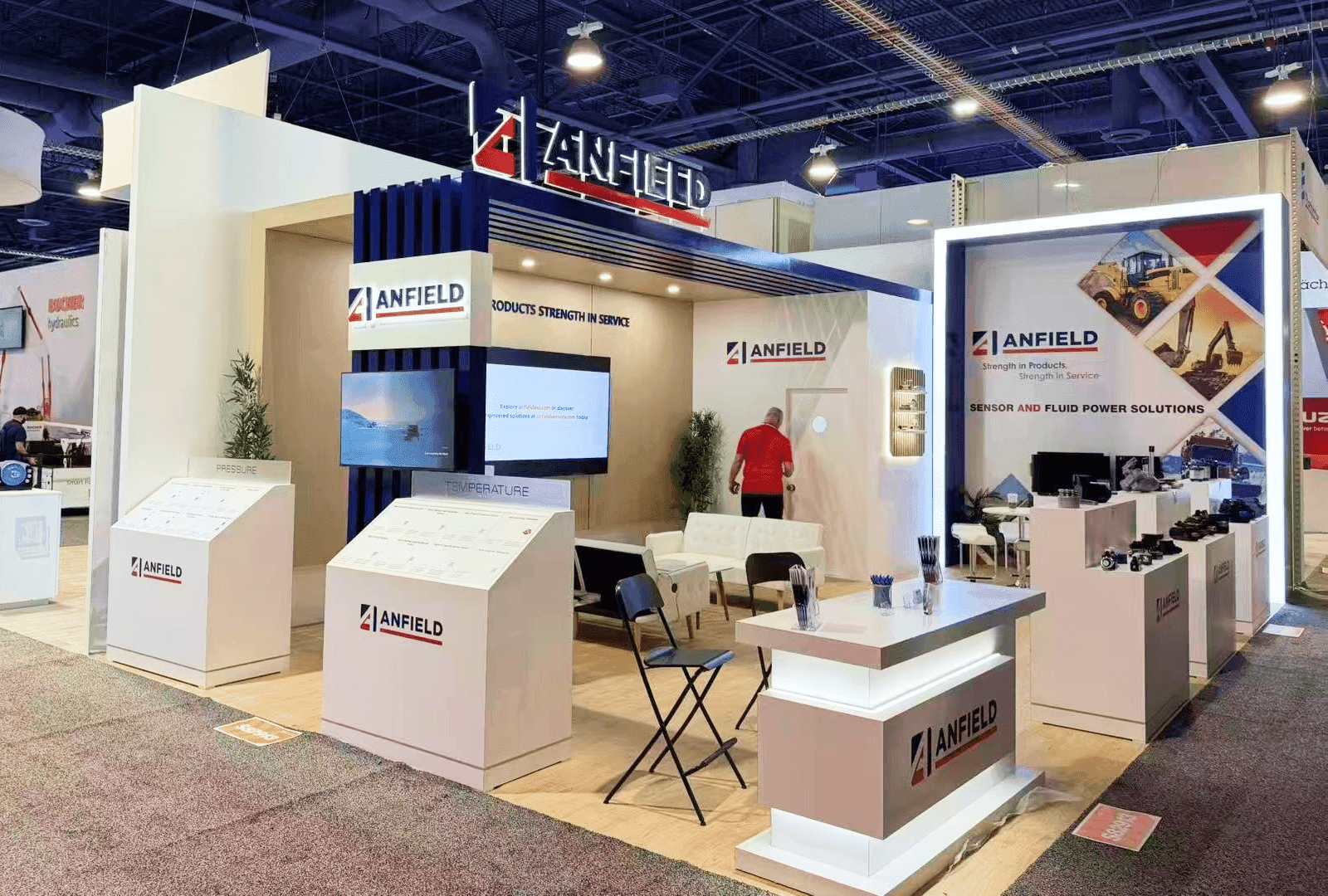
Exhibition Cases
Message
Leave your message and we will get back to you ASAP
Send a Message
We’ll Be in Touch!
Message
Leave your message and we will get back to you ASAP
Address:
4915 Steptoe Street #300
Las Vegas, NV 89122