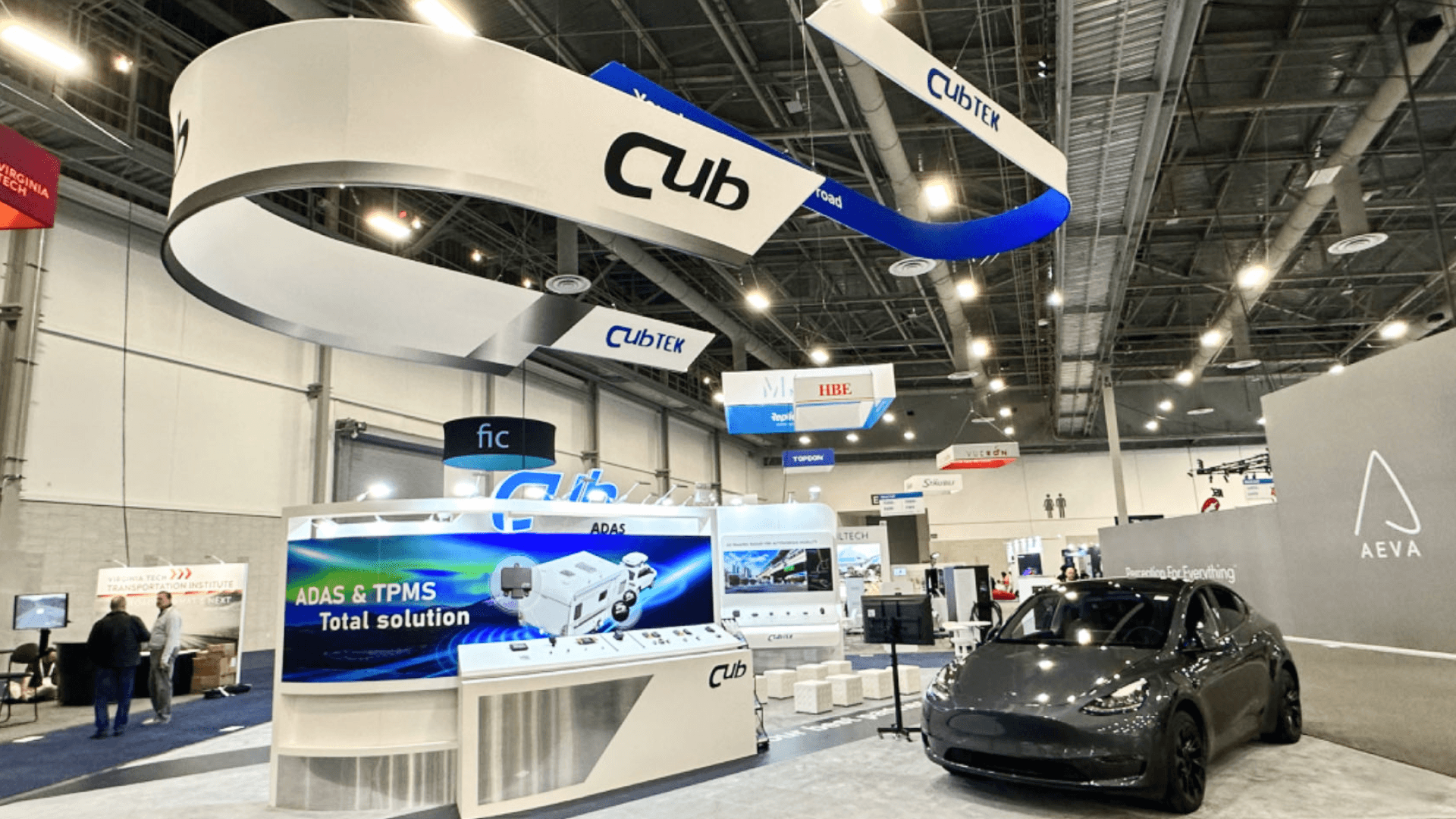
Start With Product Display and Sample Inspection
A Mandalay Bay booth should be planned around what buyers need to see, touch, review, or discuss. For SupplySide and ingredient-focused exhibitors, the booth often needs to support product samples, ingredient displays, literature, documentation, certifications, and buyer meetings in one footprint.
A strong Mandalay Bay Convention Center booth planning process should answer:
Which products or samples should buyers notice first?
Where should sample counters be placed?
How much space is needed for product inspection?
Where should staff explain ingredients, applications, or documentation?
Is there enough room for buyer meetings?
Where will extra samples, brochures, and packaging be stored?
The booth should not feel like a storage table. It should guide buyers from product discovery to focused conversation.
Comparison Table
Planning Area | Product Display Booth Need | Why It Matters at Mandalay Bay |
|---|---|---|
Product Display | Counters, shelves, sample stations, display walls | Helps buyers understand what is being offered |
Sample Area | Clean counters, organized product samples, staff access | Supports inspection and quick explanation |
Buyer Meetings | Seated or semi-private meeting space | Allows serious conversations after product interest |
Graphics | Clear product category, ingredient use, brand messaging | Helps buyers understand the booth from the aisle |
Storage | Hidden space for samples, brochures, packaging, staff items | Keeps the booth clean during peak traffic |
Logistics | Freight timing, crate labels, sample handling | Reduces setup confusion and missing materials |
Installation | Counter placement, graphics alignment, final booth checks | Ensures the booth is ready before opening day |
Product Display Booths Need Clear Counter Planning
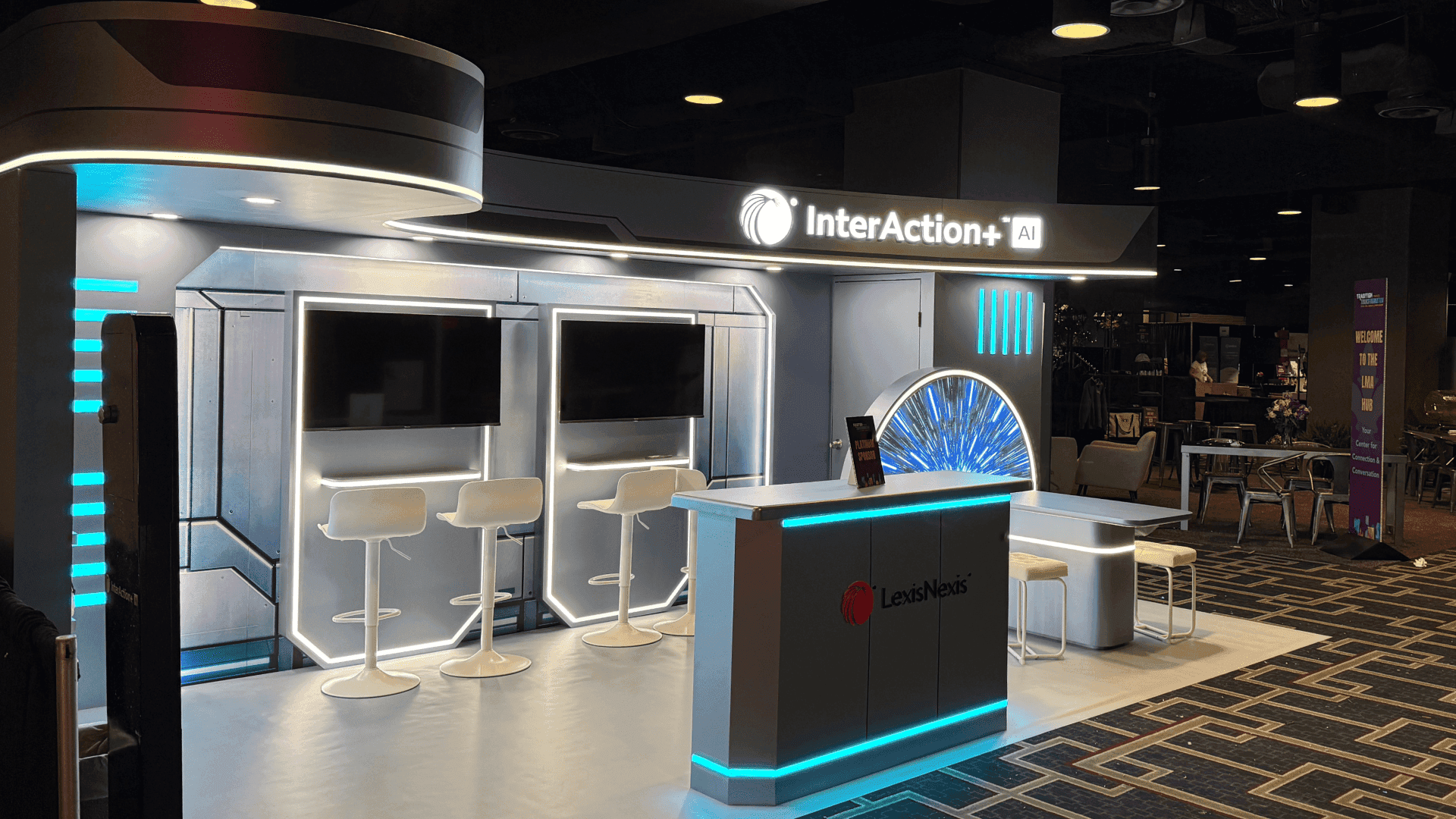
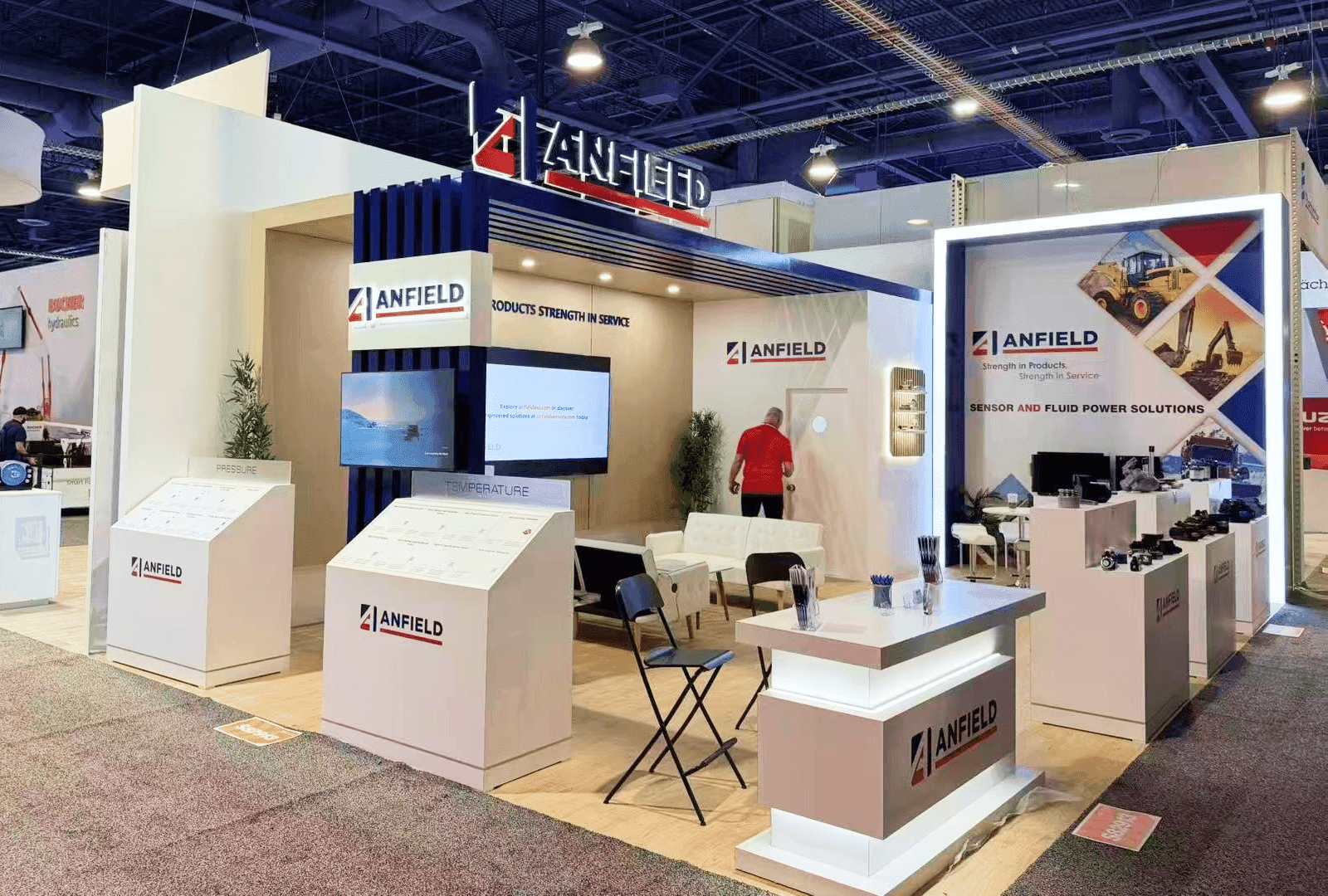
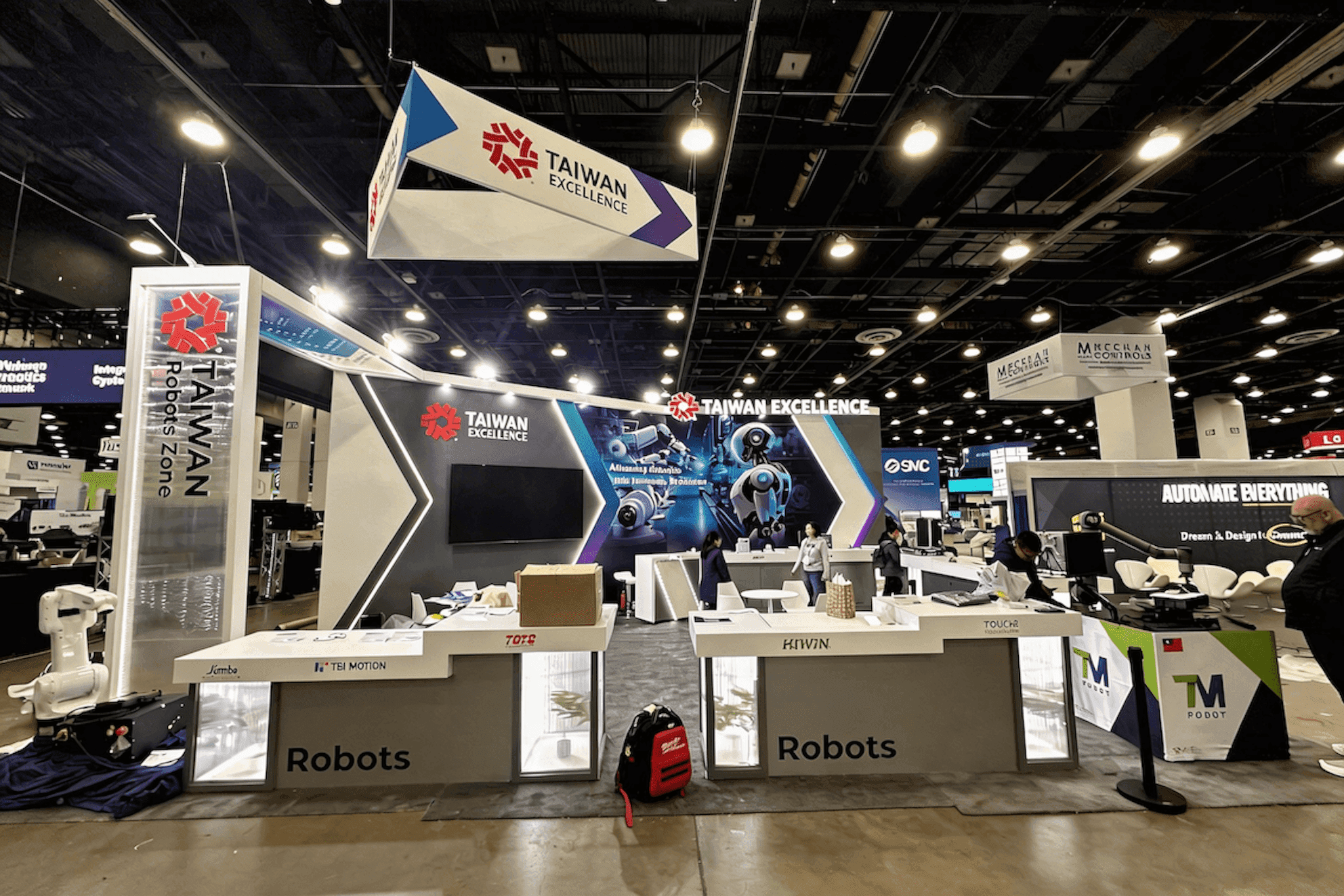
Product display booths at Mandalay Bay should make it easy for buyers to identify product categories, inspect samples, and ask questions without crowding the aisle. Counters should not be placed only for appearance. They should support how buyers interact with the product.
For SupplySide exhibitors, sample counters often need to hold product samples, ingredient cards, brochures, QR codes, demo materials, or small containers. If counters are too narrow, the booth can feel messy. If they are too deep or poorly placed, buyers may not know where to stop.
A practical product display layout should include:
front-facing product visibility
one clear sample inspection point
staff access behind or beside counters
clean graphics near the product zone
hidden storage for extra materials
a path from sample review to buyer meeting
This is where booth layout, graphics, and storage need to work together.
20x30 Booth Planning Works Well for Product Displays and Meetings
A 20x30 booth can be a strong fit for Mandalay Bay exhibitors because it gives more room for product display, sample counters, meeting space, and staff circulation than a smaller booth.
With 20x30 booth planning, exhibitors can separate the booth into useful zones:
product display area
sample inspection counter
buyer meeting table
reception or staff greeting point
hidden storage
branded backwall or graphic surface
The goal is to avoid making every part of the booth do the same job. Product samples should have their own area. Buyer meetings should feel focused. Storage should stay out of sight. Graphics should help buyers understand the product category before they speak with staff.
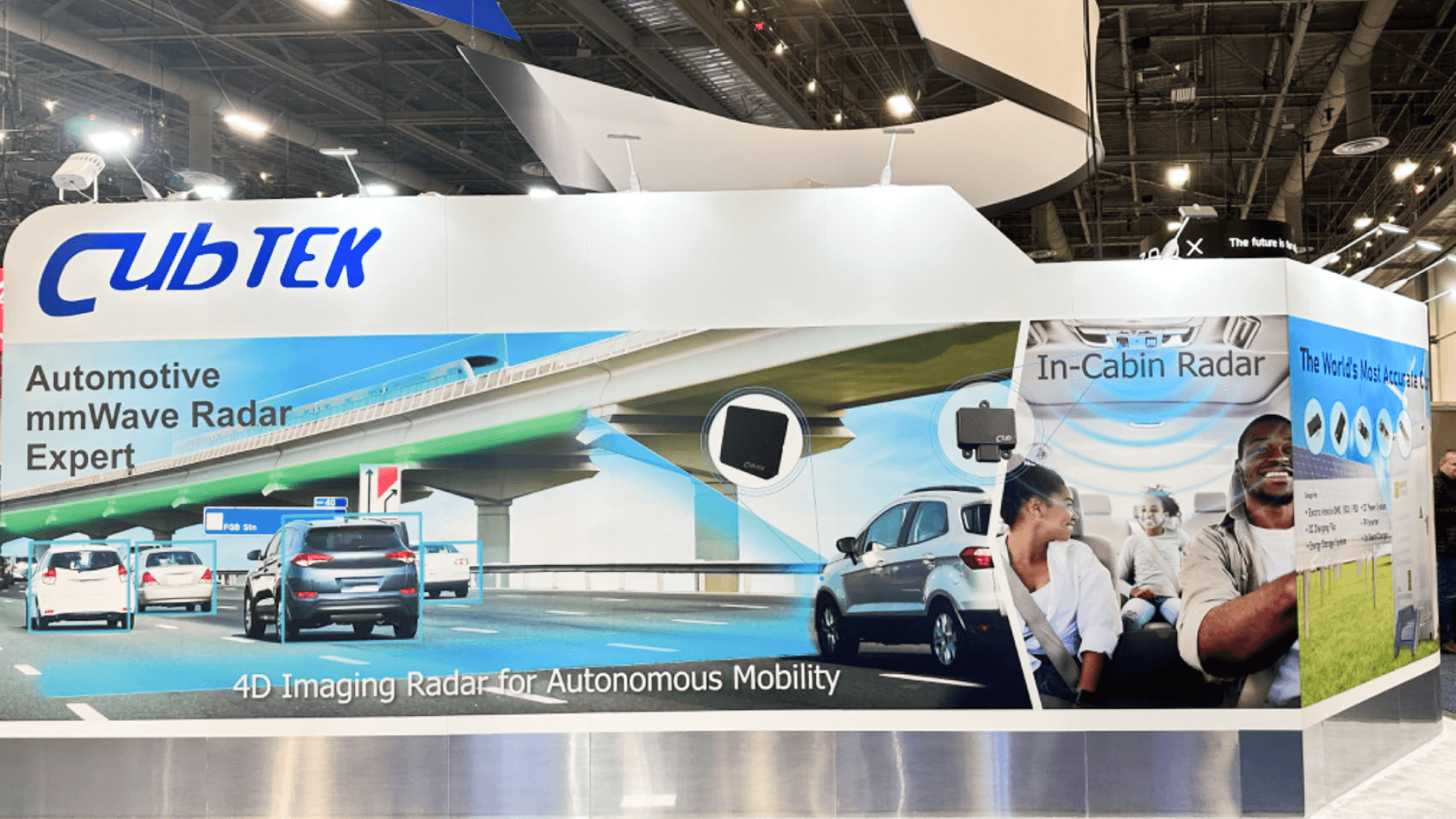
A 20x30 booth can support product samples, buyer meetings, storage, graphics, and staff movement when each zone has a clear role.
Graphics Should Explain the Product Category Quickly
At Mandalay Bay, buyers may walk past many similar product, ingredient, or supply-side booths in a short time. Graphics should help them understand the product category before they stop.
Good booth graphics should make the following clear:
company name
product category
application or use case
key differentiator
where to inspect samples
where to ask questions
For product-focused booths, graphics should not overpower the samples. Backwalls, counter graphics, lightboxes, and small signage should support the product display rather than compete with it.
If the booth includes product samples, ingredient claims, or technical benefits, the graphics should stay simple and easy to read from the aisle.
Logistics and Pre-Show Coordination Are Critical
Mandalay Bay booth planning should include logistics before the booth reaches the show floor. Product display booths often involve samples, printed materials, counters, shelving, storage items, and sometimes temperature-sensitive or fragile materials.
For logistics and pre-show coordination, exhibitors should confirm:
freight timing
crate labeling
sample packing
booth counter locations
storage needs
graphics delivery
installation sequence
outbound packing after the show
Poor logistics can create booth problems before the event even opens. Missing samples, misplaced crates, delayed graphics, or unclear storage plans can affect buyer meetings and product presentation.
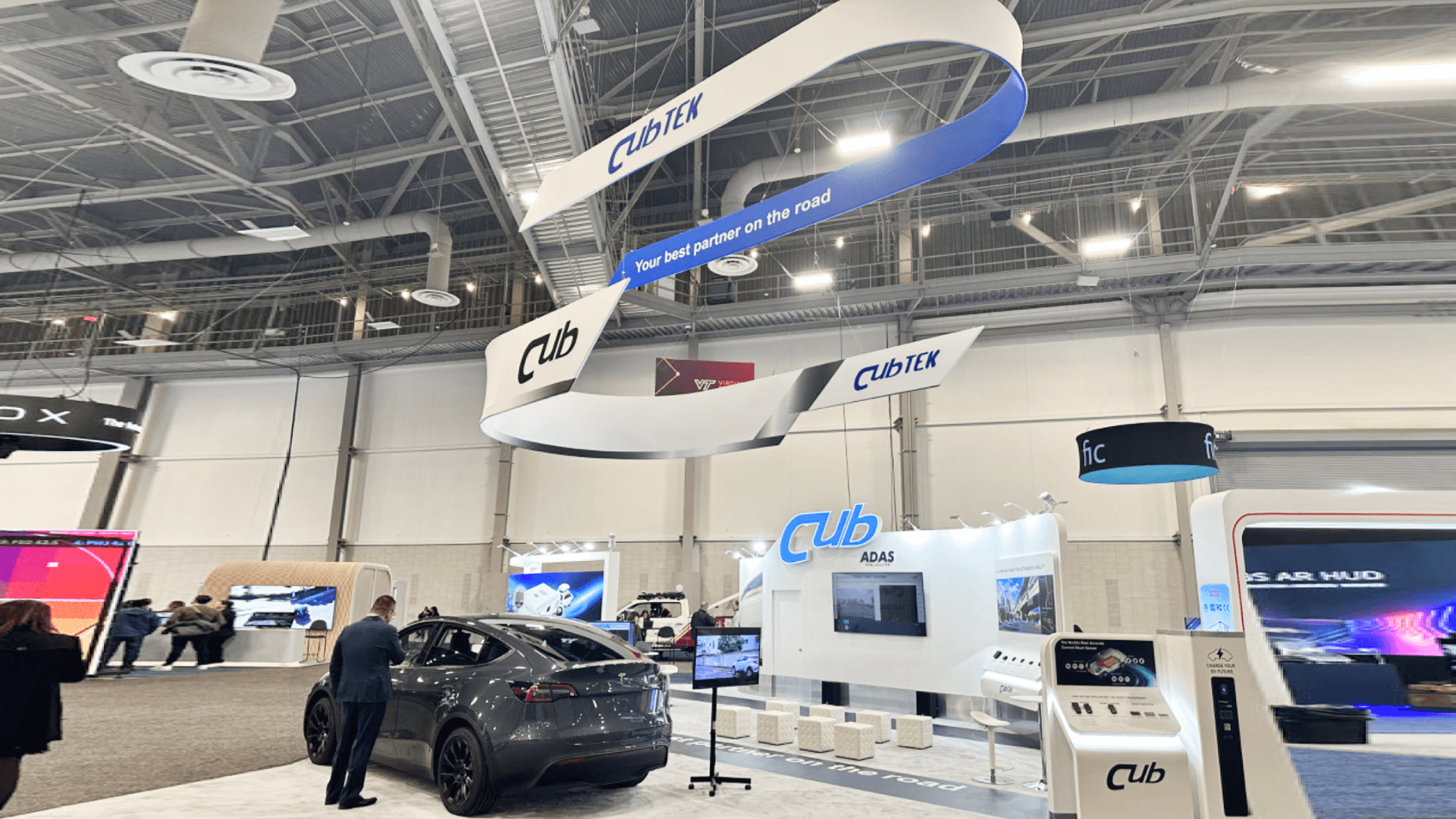
Product display booths need coordinated sample handling, storage, graphics, and setup sequence before buyers enter the booth.
SupplySide Booth Planning Should Support Buyer Conversations
SupplySide booth planning is not only about showing products. It is about helping buyers understand whether a product, ingredient, or solution fits their needs.
A strong SupplySide booth should make it easy to move from sample inspection to conversation. Staff should know where to greet buyers, where to explain product details, and where to continue a serious meeting. If the booth has too many samples but no conversation area, buyers may leave without discussing next steps.
For Mandalay Bay exhibitors, the best booth plan balances:
product discovery
sample inspection
technical explanation
buyer meetings
storage
booth cleanliness
opening-day readiness
Final Takeaway
Mandalay Bay booth planning works best when exhibitors connect product display, sample counters, buyer meetings, storage, graphics, logistics, and installation sequence.
For SupplySide and product-focused exhibitors, the booth should not be treated as a simple display structure. It should work as a buyer-facing environment where visitors can understand the product, inspect samples, ask questions, and move into a meaningful conversation.