What Buyers Are Actually Comparing
An attractive display can stop a buyer without giving them a reliable basis for choosing between products. Before deciding how to mount or light anything, finish this sentence:
After viewing this display, the buyer should be able to decide…
The answer may involve beam spread, color appearance, glare control, dimming behavior, surface illumination, or control response. Several fixtures can appear in the same area, but the viewing setup should still support one primary decision.
Buyer decision | Useful comparison reference | What could distort the result |
|---|---|---|
Which fixture or optic provides the more suitable beam distribution or surface illumination? | The same target surface, matched mounting geometry, and a fixed viewing point | Unequal distance or aim, overlapping beams, or ambient light spill |
How does each option affect color appearance? | The same material or surface under a consistent ambient condition | Different surface colors, reflectance, or surrounding light sources |
Which option controls glare more effectively from the intended viewpoint? | A defined sightline and comparable mounting positions | Changing viewing angles, unequal shielding, or undisclosed dimming settings |
How do dimming or control behaviors differ? | The same starting state, input sequence, timing, and visible reference | Different starting levels, inconsistent operator timing, or unrelated automation |
That primary decision should determine the viewing conditions; secondary specifications can remain nearby without becoming part of the visual test.
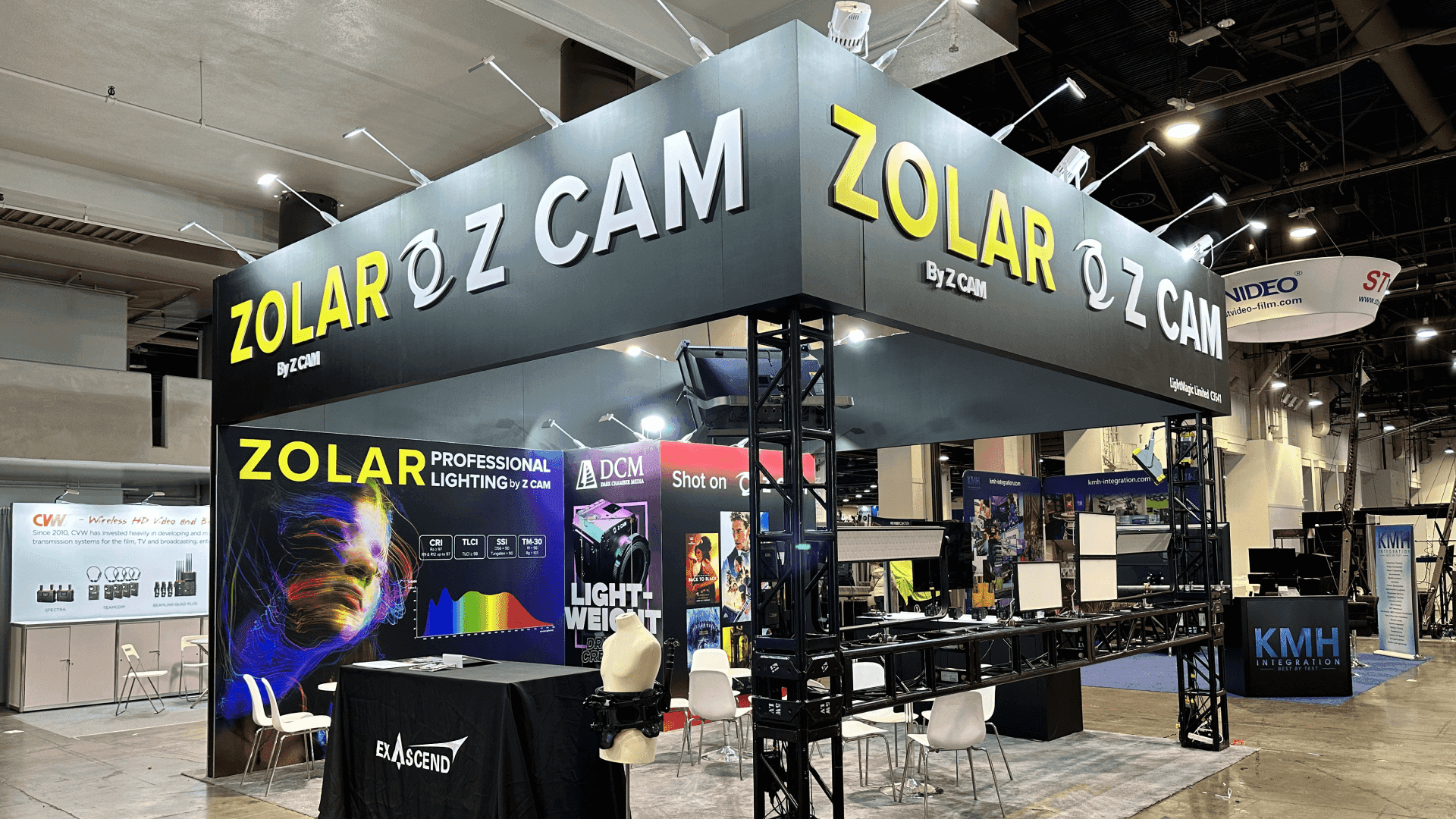
A side-by-side display works when mounting geometry, target surfaces, viewing positions, and surrounding light are controlled closely enough for buyers to judge the intended product difference.
Which Viewing Conditions Need to Stay Stable?
Once the decision is clear, separate the variable you intend to change from the conditions used as references. If both change at once, the display may show a difference without explaining its cause.
Variable changed deliberately | Reference conditions to document or hold steady |
|---|---|
Fixture model or product family | Mounting height, aim, and fixture-to-surface distance |
Beam distribution or optic | Target surface, buyer viewing distance, and viewing angle |
Color temperature setting | Surface material, surrounding colors, and ambient light |
Dimming level or dimming curve | Starting level, input command, transition timing, and sequence |
Control mode or product configuration | Input action, visible reference, and demonstration sequence |
This is a planning framework, not a universal test procedure. The reference conditions shown are the ones most likely to affect each judgment; depending on the product, others may also need to be held steady or disclosed.
Matched conditions carry the most weight when similar products are compared directly. If the fixture model and another relevant setting change together, identify both so buyers are not left to infer the cause.
Different applications may require different scenes. A wall washer and a narrow-beam accent fixture should not be forced into identical mounting positions merely to create symmetry; the display should instead explain that the question has shifted from like-for-like comparison to application fit.
These booth demonstrations support visual evaluation and technical discussion. They are not certified laboratory tests or substitutes for verified photometric and product data.
Ambient Light Can Change the Result
A fully darkened enclosure is not the default. The goal is to control enough of the surrounding light that buyers can see the intended difference without unrelated sources changing the result. Interference usually comes from three places:
Exhibition hall lighting: Overhead fixtures can reduce contrast or make beam patterns appear less defined.
Nearby product displays: Spill from adjacent fixtures can overlap the comparison surface.
Brand and decorative lighting: Illuminated graphics or LED features may introduce color, reflection, or glare.
Partial shielding and directional partitions can block predictable spill without enclosing the entire display. A controlled surface gives each fixture a consistent target, while adequate spacing helps prevent overlapping beams; where separation is limited, a sequential demonstration can place each result on the same surface at a different time.
Booth lighting has a separate job: illuminating graphics, counters, and circulation paths without contaminating the evaluation area. Choosing between LED and halogen booth lighting affects heat, power demand, and general illumination, but either source should be positioned so it does not alter the comparison surface. Decorative lighting can still support the booth identity as long as it stays out of the buyer’s sightline and does not change the result being evaluated.
Side-by-Side, Sequential, or Application-Based?
The display format should follow the buyer’s decision, not a preset booth template.
Display method | Best used when buyers need to judge | Main limitation |
|---|---|---|
Side-by-side | Immediate differences between similar products, such as beam spread, glare, or color appearance | Adjacent beams and reflected light may interfere with one another |
Sequential | How fixtures, settings, or control states perform on the same surface | Buyers must remember the previous result |
Application-based | How a fixture performs on a specific surface, object, or intended use | It explains application fit more clearly than it supports a strict direct comparison |
Side-by-side viewing works when simultaneous observation matters and spill can be controlled. Sequential switching is stronger when using the same surface matters more than seeing both results at once, while an application-based display is more credible when each product needs its intended context. Product count, controlled inputs, viewing distance, and switching speed will determine which approach buyers can follow without extra explanation.

Clear product labels connect each visible result to the correct fixture, while nearby technical information moves the conversation from visual evaluation to application and specification.
Make the Result Traceable to the Fixture
A visible difference has little value if the buyer cannot identify the fixture that produced it. Each beam, illuminated surface, or control response should connect clearly to the correct product name, model, series, and comparison feature, with identification close enough to follow without covering the fixture or viewing surface.
Fixed labels and specification references can identify the product and show only the setting or value needed to understand the comparison.
On-screen status prompts can indicate which fixture, scene, or setting is active during a sequential demonstration.
QR codes and technical sheets can carry detailed product information after the buyer has made the initial visual judgment.
Screens should confirm what the buyer is seeing rather than become the main attraction. The display does not need to reproduce a complete specification sheet; it only needs to make the active product and the relevant comparison feature easy to verify.
From Visual Difference to a Specification Discussion
Once the result is clear and traceable, staff need a short path from observation to specification:
See the difference → Confirm the product → Connect it to the application → Review the relevant specification → Continue the discussion
Begin with the difference the buyer noticed, then relate that observation to the intended application and bring in only the specifications needed to explain it. Drawings, samples, technical sheets, and specification references should remain within reach but outside the main sightline, preserving the connection between the visible result and the data behind it without crowding the viewing area.
At Light + Intelligent Building North America, fixture evaluation often shares space with controls, broader product families, and scheduled buyer meetings. Exhibitors planning that mix can use the Light + fixture comparison booth plan for booth size, visitor flow, display needs, and show-site setup, while this article stays focused on the narrower question of viewing conditions.
FAQ
Does a lighting fixture comparison booth need a fully dark room?
No. A fully dark room is only necessary when the product or intended comparison requires it. The practical requirement is enough environmental control for buyers to see the relevant difference without unrelated light changing their judgment.
Can different types of lighting fixtures be compared side by side?
Yes, if the exhibit identifies a characteristic that is genuinely comparable. Products designed for different applications or mounting conditions should not be presented as a strict like-for-like test; an application-based display may explain them more accurately.
Which viewing conditions should remain consistent?
For a direct comparison, exhibitors should usually stabilize or document the mounting position, fixture-to-surface distance, buyer viewing distance, viewing angle, target surface, ambient light, input, and demonstration sequence.
What if convention hall lighting cannot be fully controlled?
Narrow the comparison to a difference that remains visible, then use partial shielding, controlled surfaces, fixture separation, or sequential switching. State the limitation instead of presenting the setup as fully controlled.
Conclusion
A credible lighting fixture comparison begins with one buyer decision, followed by a deliberate choice about which product variable will change and which viewing conditions must remain stable or be disclosed. The display does not need to be elaborate; it needs to connect each visible result to the correct fixture and give buyers a clear basis for judgment.