How Many Buyer Conversations Need to Run at Once?
The appointment calendar is more useful than the total number of meetings when planning booth capacity. A team may have several appointments scheduled during the day without needing several full meeting areas at the same time.
Look instead for periods when conversations could overlap. A scheduled buyer meeting may still be running when another buyer arrives, or one team member may need to continue a discussion while another begins the next appointment. A late-running conversation can also overlap with the next buyer even when the calendar shows separate meeting slots.
That simultaneous demand should define meeting capacity first. Tables, chairs, reception, screens, and circulation can then be fitted around the actual operating requirement rather than added before the schedule is understood.

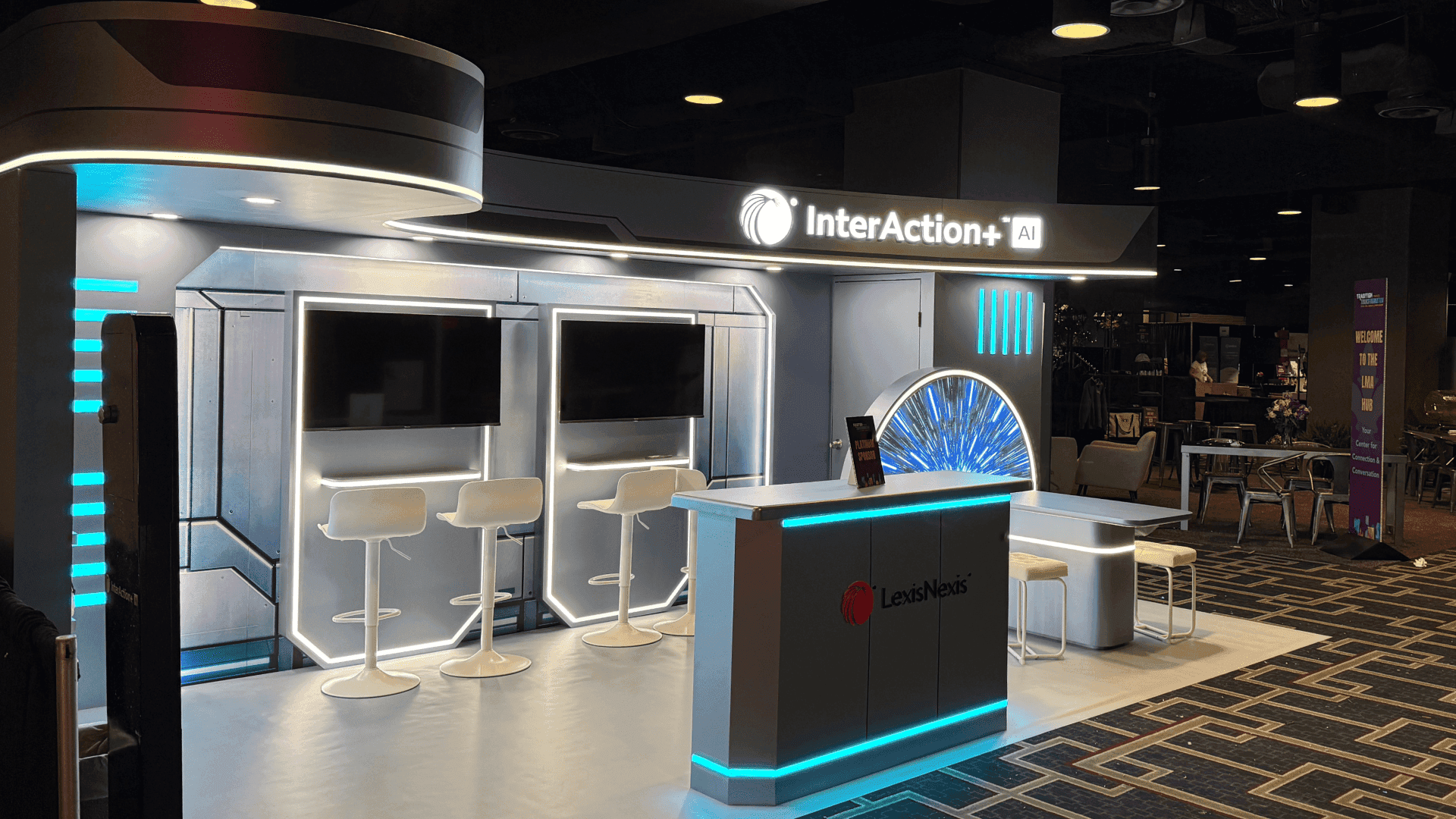
A meeting-focused IMEX booth should be planned around overlapping appointments, clear buyer arrival, and enough conversation capacity for the team.
Not Every Buyer Conversation Needs a Meeting Table
Different IMEX conversations ask different things from the booth. A quick destination or partner introduction may only need a standing discussion near reception. A standard buyer appointment may need seated space, while a group appointment or booth presentation may depend more on shared viewing and clear sightlines.
Event technology exhibitors may also use a screen or short demonstration as part of the conversation, while destination, venue, or hotel teams may move a buyer between a general introduction and a more specific partner discussion.
Treating all of these as identical seated meetings can consume space without improving the buyer experience. When those functions have to share a smaller footprint, IMEX America 10x10 meeting booth planning looks more closely at what can realistically operate inside a compact booth.

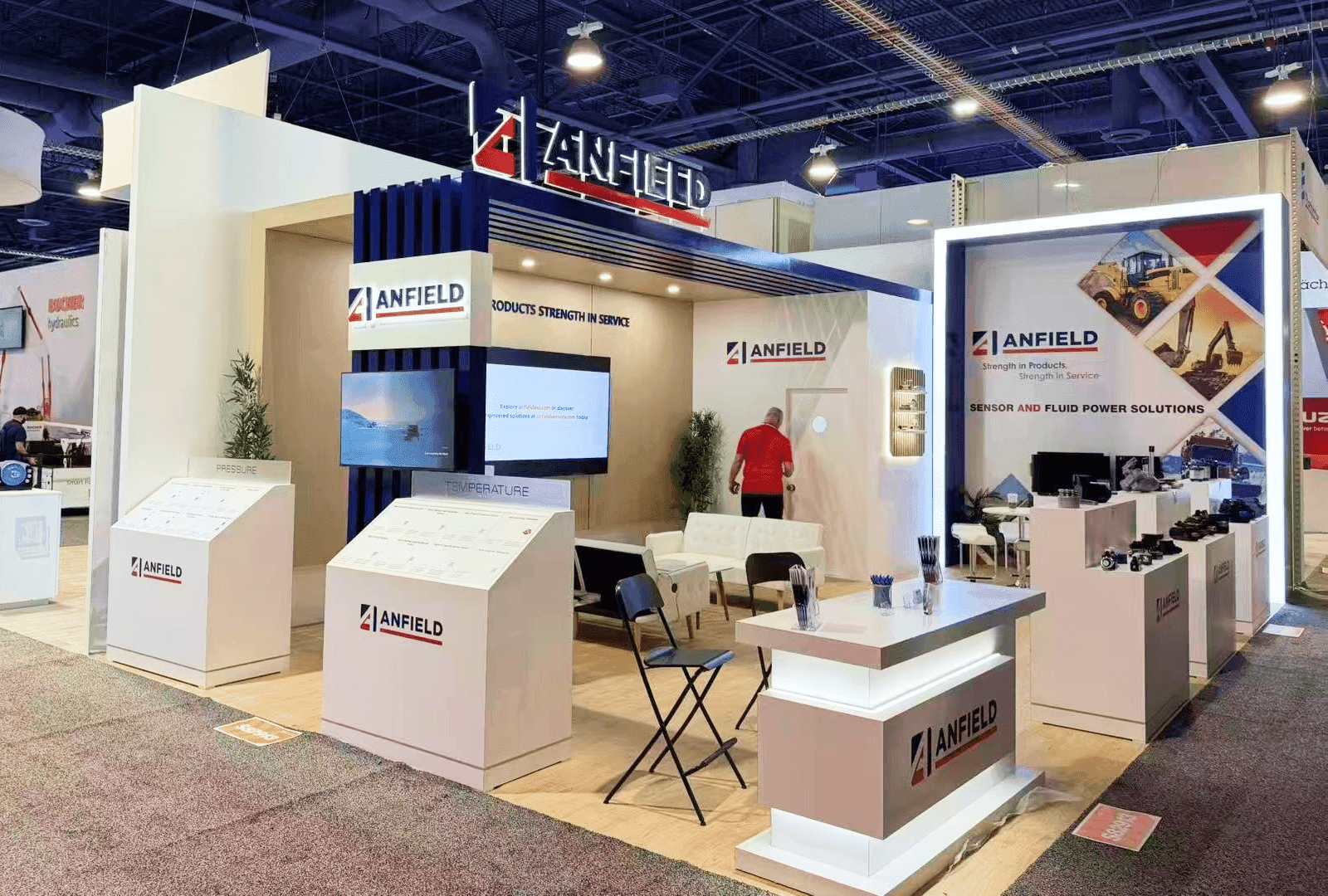
Not every buyer conversation needs the same setup. Seated meetings, short introductions, group appointments, and walk-in discussions can use different parts of the booth.
Scheduled Buyers Shouldn’t Block Walk-In Conversations
Scheduled appointments need a clear route into the booth, but the appointment system should not make the space feel closed to everyone else. Reception can identify arriving buyers and direct them to the correct person without becoming a waiting area that blocks the entrance.
Walk-in visitors can follow a lighter path. A short introduction near reception or a standing conversation point may be enough to establish whether there is a reason to continue the discussion.
The objective is not to give scheduled and walk-in visitors identical treatment. It is to protect booked meetings while still leaving room for useful conversations that were not on the calendar.
Who Owns the Buyer From Check-In to Handoff?
A buyer should not have to work out who they are supposed to meet after arriving at the booth. Someone needs to confirm the appointment, identify the correct team member, and move the conversation forward.
Ownership becomes more important when several partners or specialists are represented. A buyer may begin with a destination representative, continue with a venue or hotel partner, or need a specialist brought into the discussion. For destination or convention-bureau exhibitors representing several local partners, this is especially important because one buyer may move between more than one specialist during the same visit.
Those transitions should be deliberate. The team should know who receives the buyer, who leads the current conversation, when a handoff is needed, and who remains responsible for what happens next.
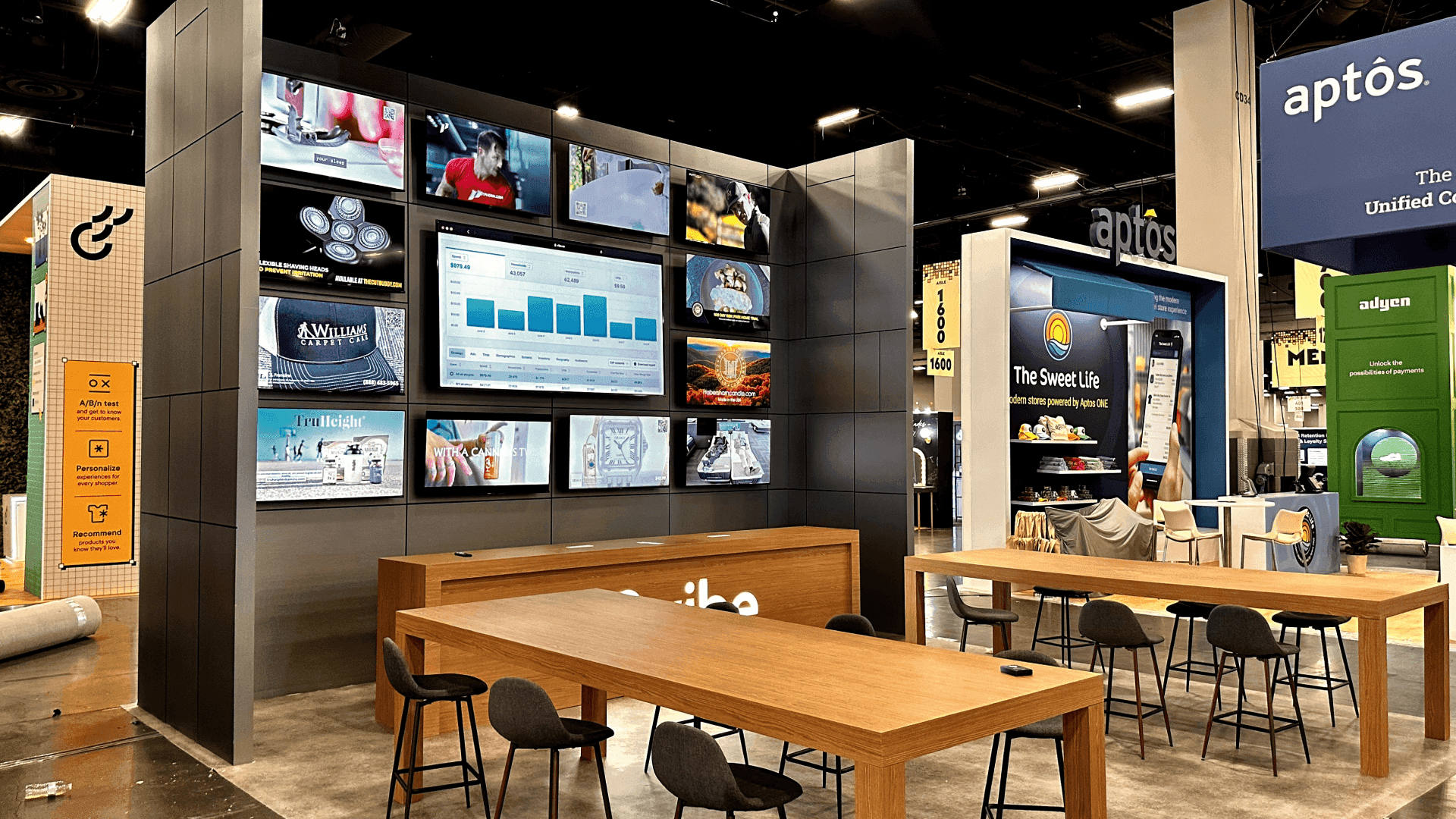
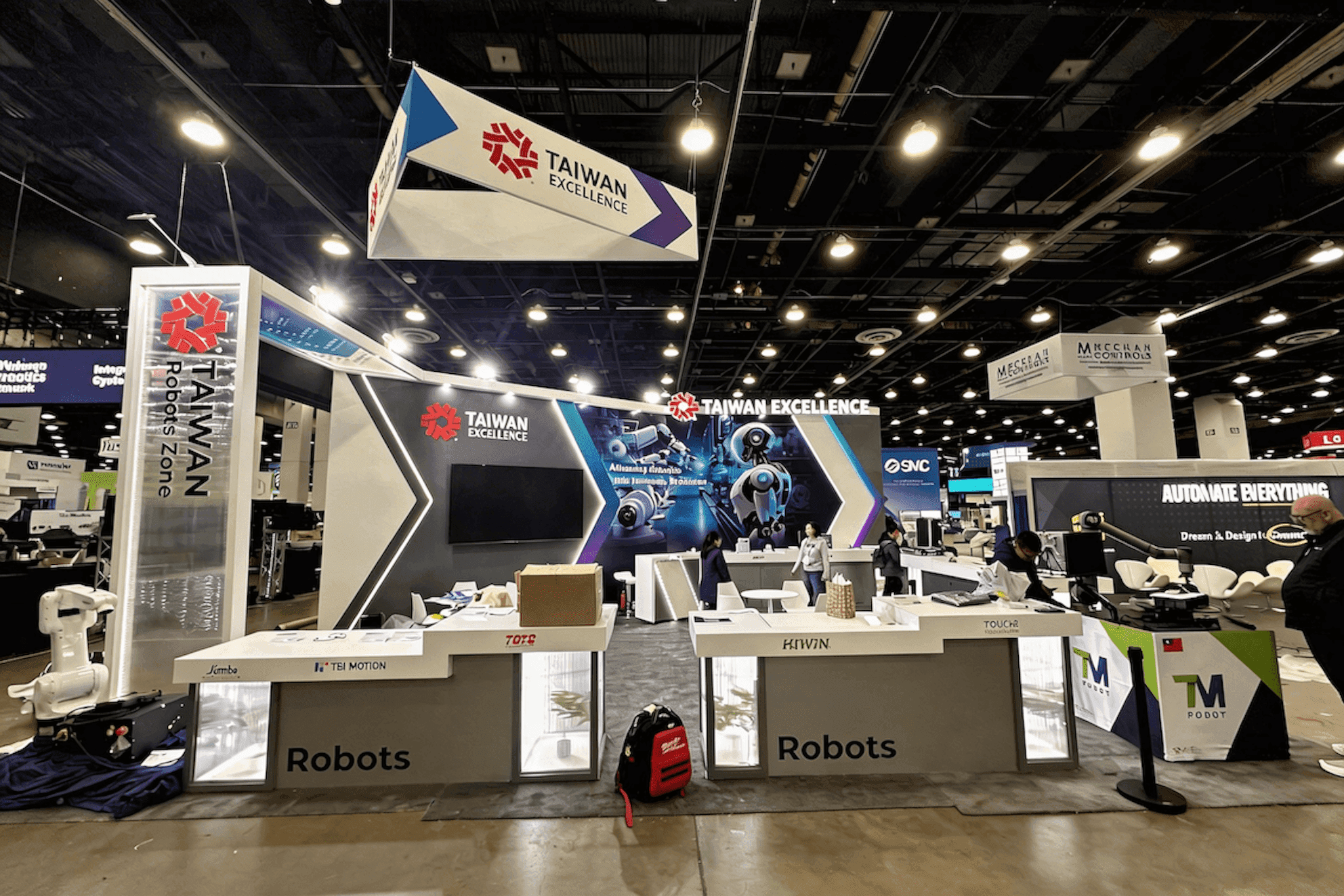
Clear staff ownership helps move each buyer from check-in to the right specialist, while notes, follow-up responsibility, and a quick reset prepare the booth for the next appointment.
End Each Meeting With a Clear Next Step
A badge scan can identify the buyer, but it does not capture what was agreed during the meeting. Notes should record the useful part of the conversation while it is still fresh, and one person should own the next action.
That next step might be venue information, a partner introduction, a proposal, additional technical material, or another meeting. Assigning ownership before the buyer leaves makes the follow-up less dependent on someone reconstructing the conversation later.
The physical meeting point also needs a quick reset. Materials should be cleared, screens returned to the appropriate content, and the conversation area made ready before the next appointment arrives. At IMEX, follow-up and reset are both part of keeping a busy meeting schedule usable throughout the day.
Hosted-Buyer Meeting FAQs
How many meeting areas should an IMEX America booth plan for?
Plan around the number of conversations that may need to happen at the same time, not the total number of appointments on the calendar. Some teams may only need one main seated meeting area plus a smaller conversation point, while overlapping group meetings or presentations require more capacity.
How should scheduled meetings and walk-ins share the booth?
Scheduled buyers should have a clear route from arrival to the right team member. Walk-ins can use reception, a standing conversation point, or another shorter interaction without interrupting an active appointment.
Who should manage follow-up after an IMEX buyer meeting?
Each conversation should have a clear follow-up owner. That person should capture the key notes, confirm the next action, and make sure promised materials, introductions, proposals, or additional meetings are handled after the buyer leaves.