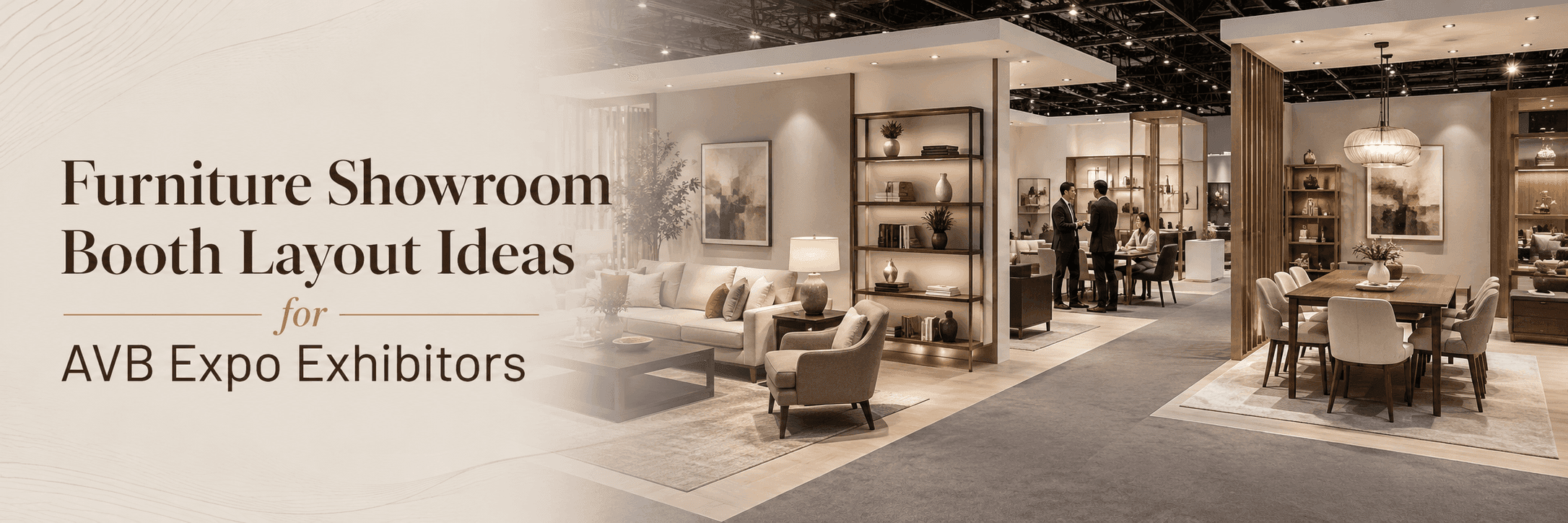
Why Furniture Booths Should Feel Like Showrooms
A furniture display booth works best when visitors can understand the product in context. Instead of placing every item in a straight line, AVB Expo exhibitors should think in terms of room scene layout, product vignette display, and furniture display zoning. These planning concepts help the booth feel organized, realistic, and easier for buyers to evaluate.
For furniture exhibitors, the booth should answer one simple question: how will this product look and function in a real retail or home environment? A sofa needs enough space around it to show scale. A dining set needs a clear viewing angle. Accent pieces need context, not just placement. If the booth feels too crowded, buyers may miss the design details, material quality, or collection story.
For furniture-specific event planning, use AVB Expo furniture display booth planning as the main reference before choosing booth size, product count, and showroom layout.
Build the Layout Around Room Scenes
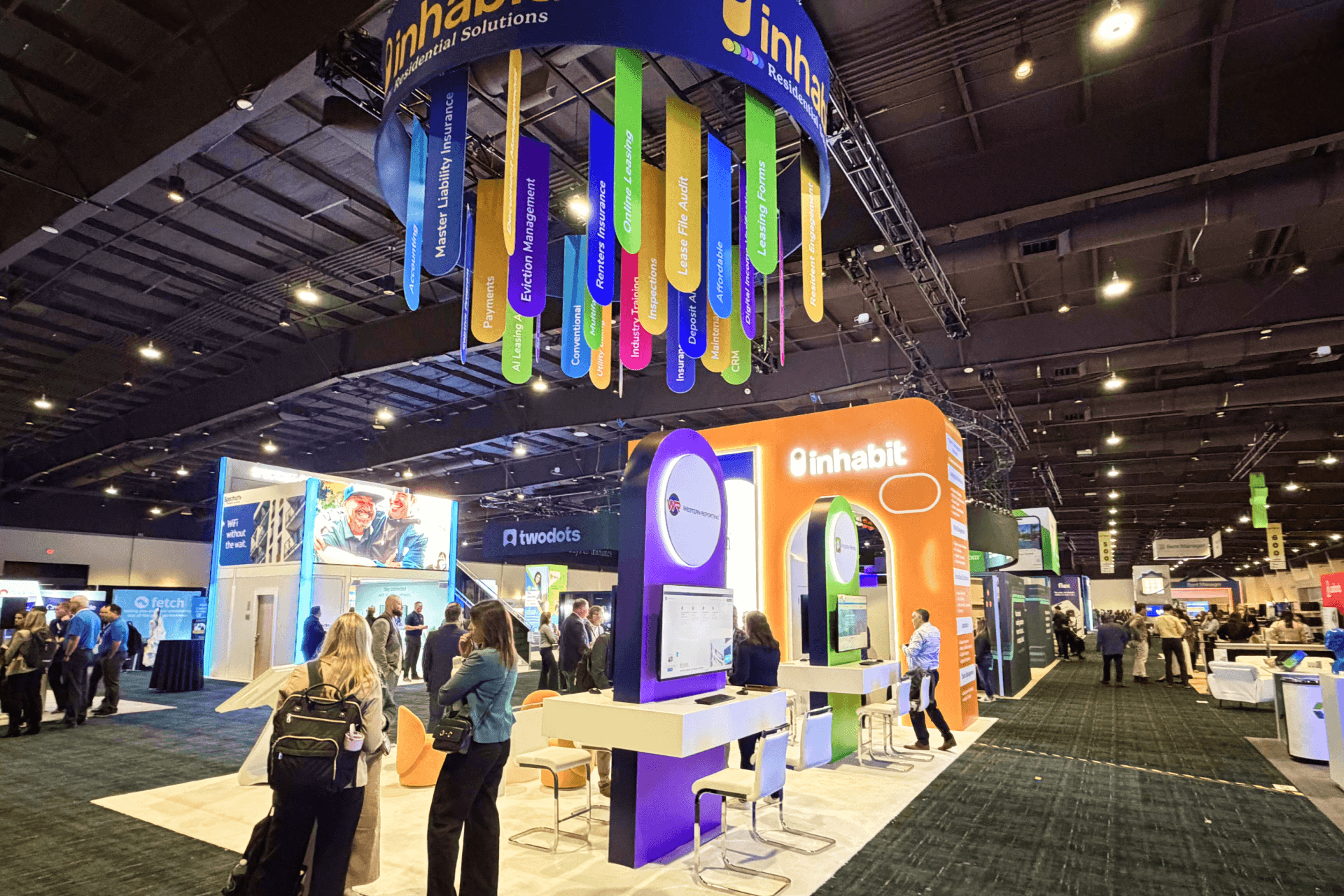
The strongest furniture showroom booths are usually built around scenes. A scene may show a living room setup, dining area, office corner, accent furniture display, or retail-style collection. Each scene should have a clear purpose and enough room for visitors to step closer without blocking the aisle.
A room scene layout helps buyers imagine how pieces work together. It also gives staff an easier way to explain collections, finishes, materials, and product positioning. Instead of presenting furniture as separate items, the booth can show how each piece belongs in a larger lifestyle setting.
The booth should not use too many scenes. A focused layout with two or three strong product zones is usually easier to understand than a crowded layout with too many mixed categories. The goal is not to show everything. The goal is to show the right products clearly.
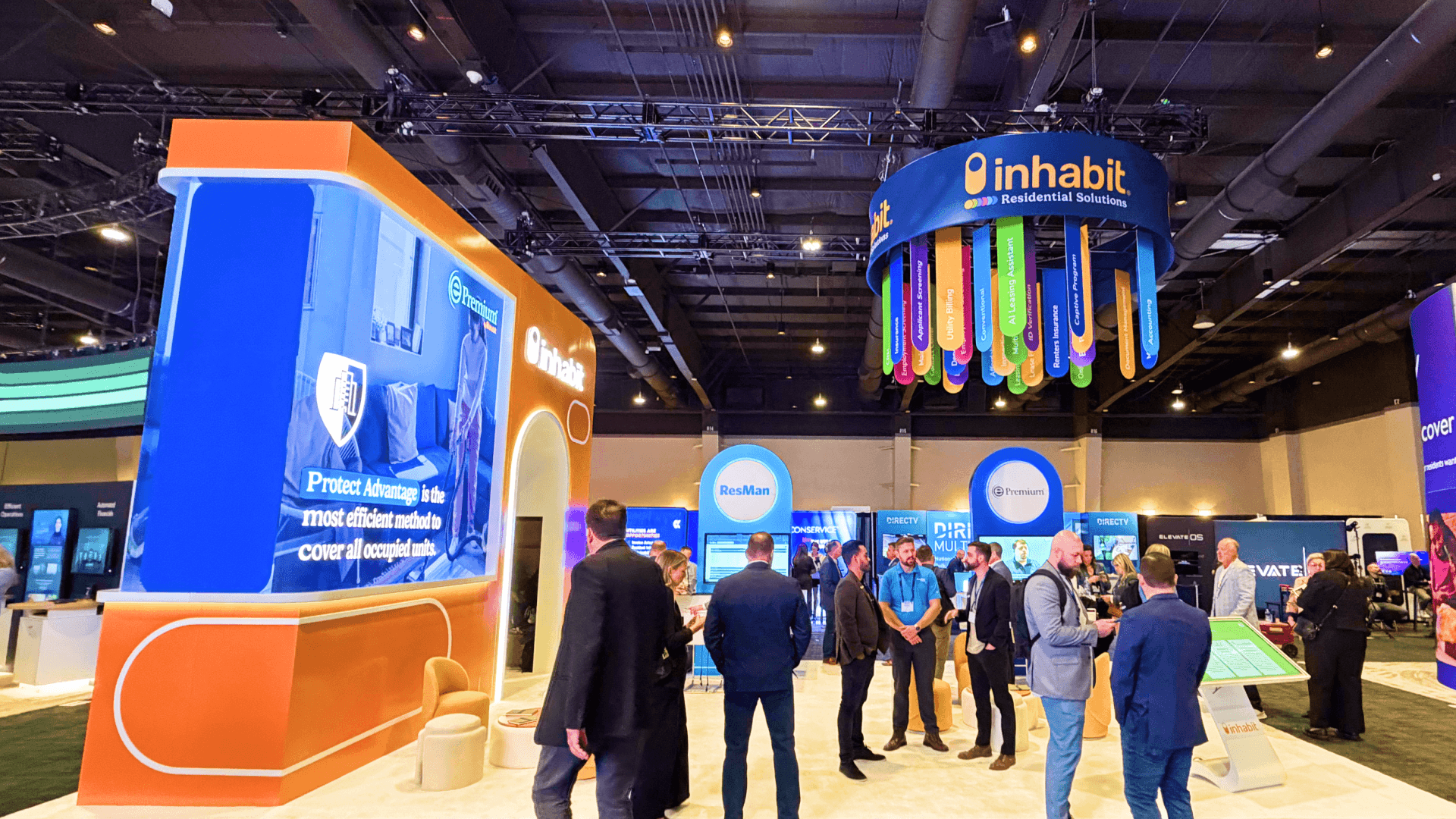
Product vignette displays make a furniture booth feel more like a showroom by grouping related pieces, finishes, and lifestyle details together.
Plan the Visitor Walking Path
Furniture takes up more floor space than many other product categories, so visitor walking path planning is critical. Visitors should be able to enter the booth, move around the featured pieces, pause for a conversation, and exit without feeling trapped.
A good walking path should avoid blocked entrances, sharp corners, and narrow gaps between large furniture pieces. Staff should have enough room to greet visitors without standing in front of the main display. Meeting space should be close to the furniture, but not placed where it interrupts traffic.
For many furniture exhibitors, 20x30 booth planning can provide more flexibility when the booth needs multiple room scenes, open walking space, and a small buyer meeting area.
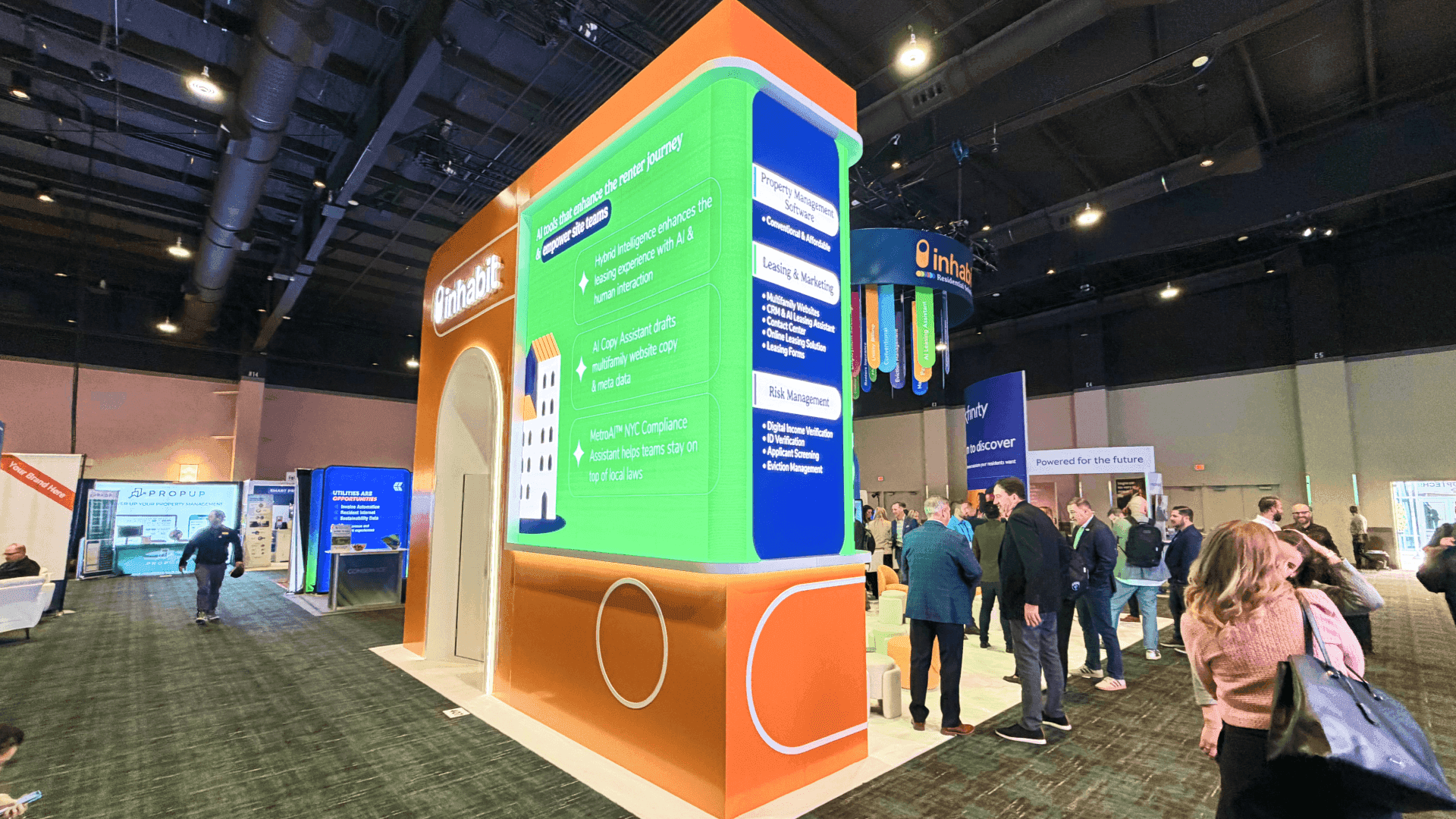
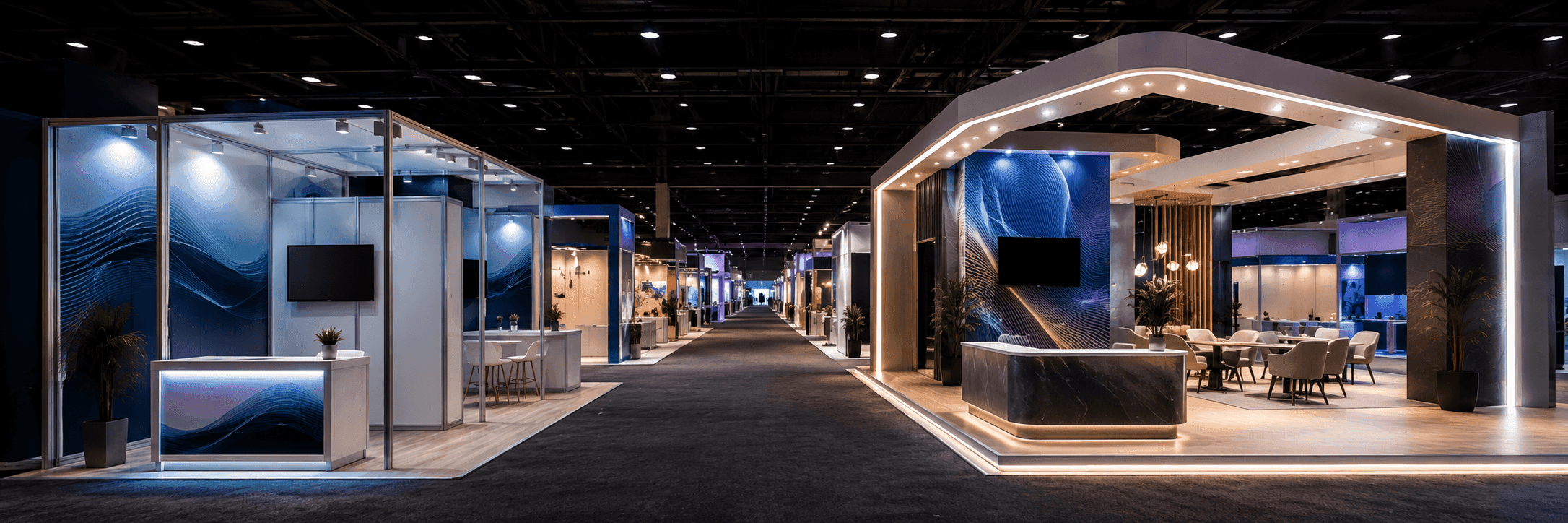
A furniture booth should leave enough open space for visitors to walk through the display, compare products, and hold buyer conversations without blocking traffic.
Furniture Showroom Booth Layout Planning Table
Planning Area | What to Plan | Why It Matters |
|---|---|---|
Room scene layout | Living room, dining area, office corner, or accent furniture setup | Helps buyers understand how furniture works in a real retail or home setting |
Product vignette display | Grouped furniture pieces, matching finishes, and lifestyle accessories | Makes the booth feel like a showroom instead of a product storage area |
Visitor walking path | Open entry points, clear spacing, and smooth movement around displays | Prevents crowding and helps visitors compare furniture from different angles |
Main collection placement | Featured sofa, dining set, cabinet group, or lifestyle collection near the aisle | Gives the booth a clear focus and improves visibility from the show floor |
Meeting area placement | Small table, conversation corner, or buyer discussion space | Supports longer conversations without blocking the main display |
Brand presentation | Backwall graphics, collection names, material callouts, and lifestyle messaging | Helps buyers understand the brand story and product value faster |
FAQ
How many furniture scenes should an AVB Expo booth include?
Most furniture exhibitors should focus on two or three strong scenes instead of trying to show every product. A smaller number of well-planned scenes usually creates a clearer showroom experience and gives buyers more space to compare furniture.
Where should the main furniture collection be placed?
The main collection should be visible from the aisle and supported by simple graphics or signage. It should not be hidden behind a desk, meeting table, or secondary product display.
Does every furniture booth need a meeting area?
Not every booth needs a full meeting area. A meeting area is useful when buyers need longer conversations, pricing discussion, or collection review. For smaller booths, a compact conversation corner may work better than a full table setup.
How should graphics support a furniture showroom booth?
Graphics should explain collection names, lifestyle themes, materials, or brand positioning. They should support the room scene instead of competing with the furniture itself.
Practical Setup Notes for AVB Expo Furniture Exhibitors
Before production, exhibitors should confirm product dimensions, delivery sequence, flooring needs, wall graphics, lighting, storage, and staff movement. Furniture should be placed after the booth structure, flooring, and major graphics are ready, so the final setup does not require repeated repositioning.
Lighting also matters. Sofas, tables, chairs, cabinets, and wood finishes can look different depending on overhead light, shadows, and surrounding booth colors. If the booth uses lifestyle graphics, those visuals should match the actual furniture style.
The main AVB Expo booth planning page can support broader event planning, while this article should stay focused on furniture showroom layout.
Final Takeaway
A strong furniture showroom booth for AVB Expo should make products feel intentional, easy to understand, and ready for buyer conversation. The layout should use room scenes, product zoning, open walking paths, lifestyle presentation, and practical meeting space. The best booth does not show the most furniture. It shows the right furniture in a layout that helps buyers see how each piece fits into a real environment.