AAA Precious Metals, Inc brought a 10x10 booth to Pawn Expo with a focused goal: make precious metal buying, refining support, and jewelry-related transaction services feel trustworthy, direct, and easy to understand for pawnbrokers moving quickly through the show floor. This was not a booth that could rely on oversized structure or long-form explanation. It had to communicate credibility fast, show that the company understood gold, silver, and jewelry transactions, and create a clean point for practical conversations around valuation, resale, refining, and precious-metal handling. Pawn Expo 2024 was held at Paris Las Vegas from July 22–25, 2024, and the event is positioned by the National Pawnbrokers Association as a place where exhibitors connect with pawnbrokers looking for products and solutions.
For a booth at this size, the visual system had to do most of the work. Instead of depending on a complicated demo or oversized product storytelling, the space needed to prioritize clarity, legitimacy, and a cleaner first read from the aisle. That made graphics and brand presentation especially important, because the booth had to translate precious-metals expertise into something pawnbrokers could understand in seconds: who the company is, what it handles, and why the conversation is worth starting. AAA Precious Metals describes itself as a family-owned precious-metals refinery serving mining and jewelry industries, which made straightforward brand communication even more important in a compact trade show footprint.
A 10x10 booth also creates useful discipline. It gives just enough room for a strong front-facing message, a secure display surface, and a direct conversation point, but it does not allow wasted space or visual confusion. That matters at Pawn Expo, where attendees are not browsing casually. They are comparing products, partners, margins, and operational value. In that environment, a 10x10 booth size guide is the right structural reference because it forces the booth to stay focused on brand trust, product relevance, and quick business readability.
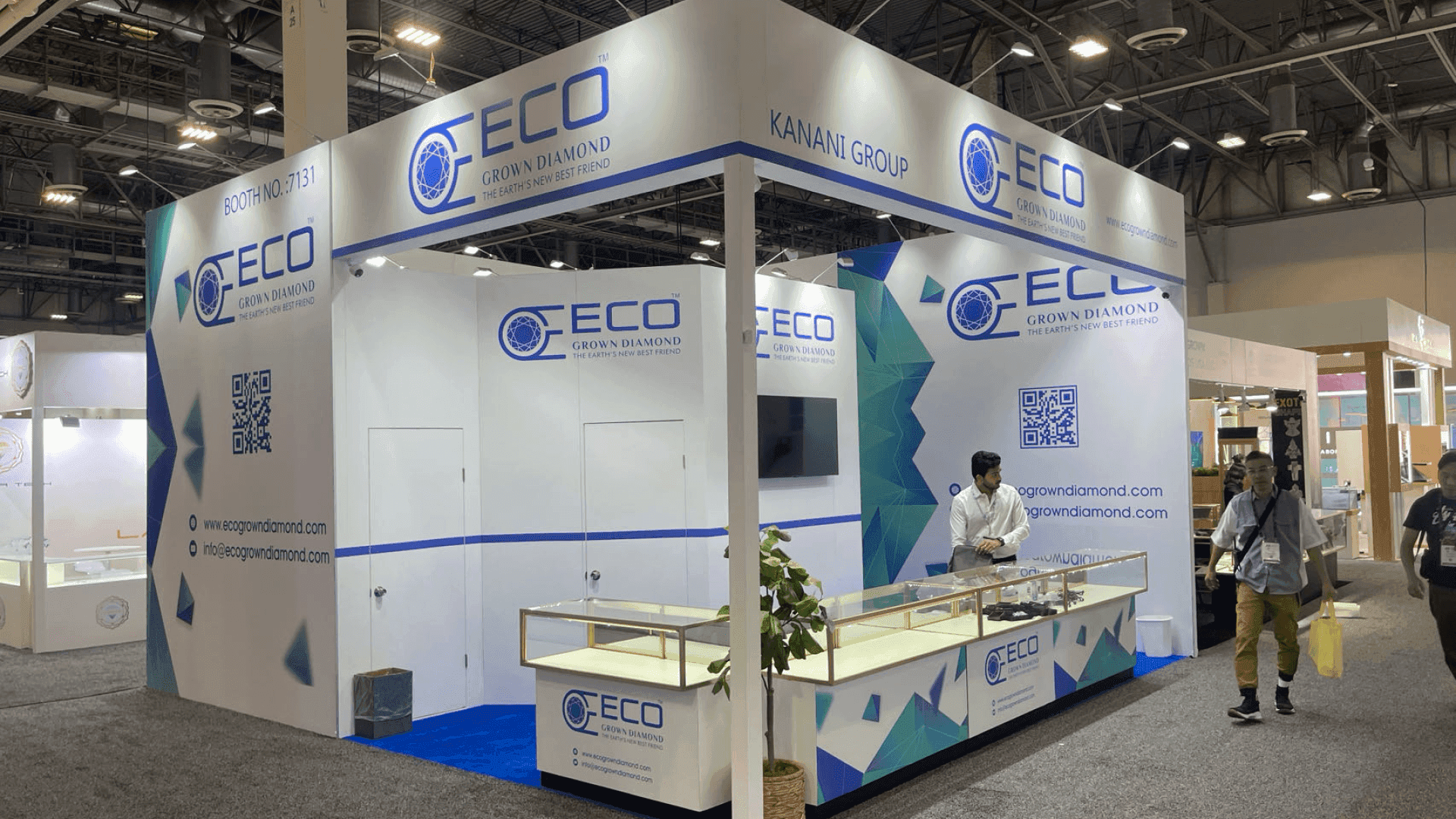
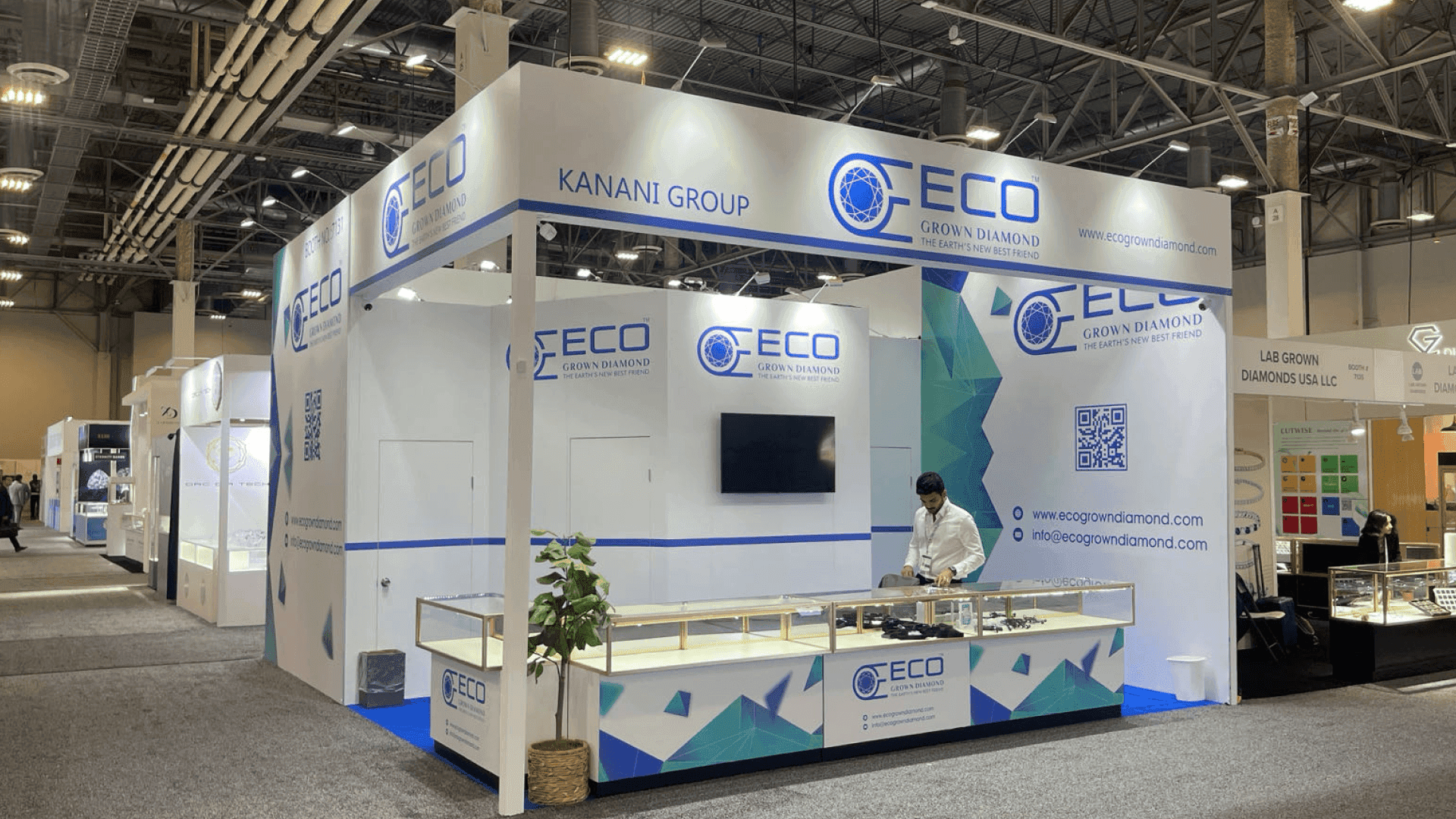
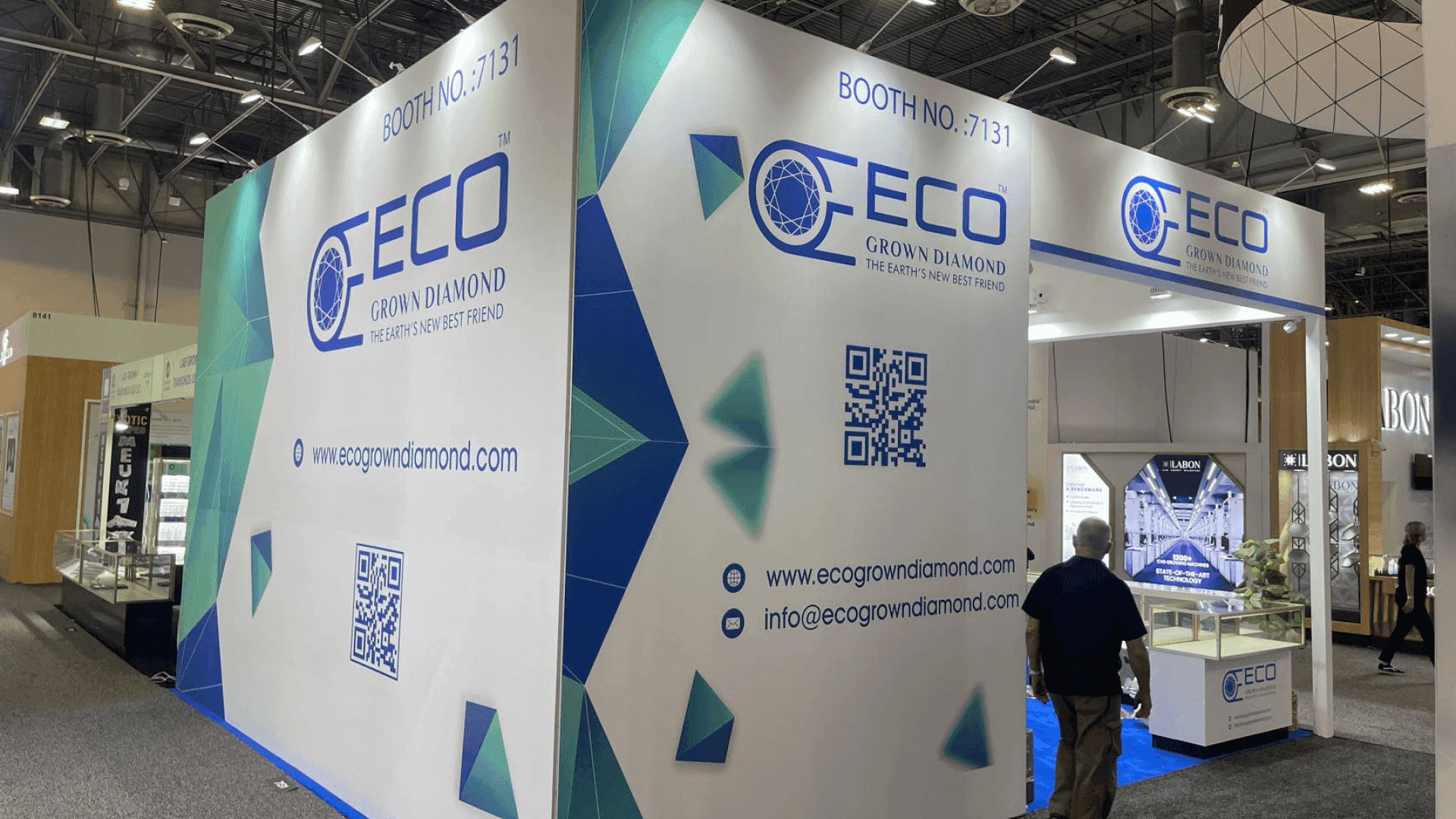
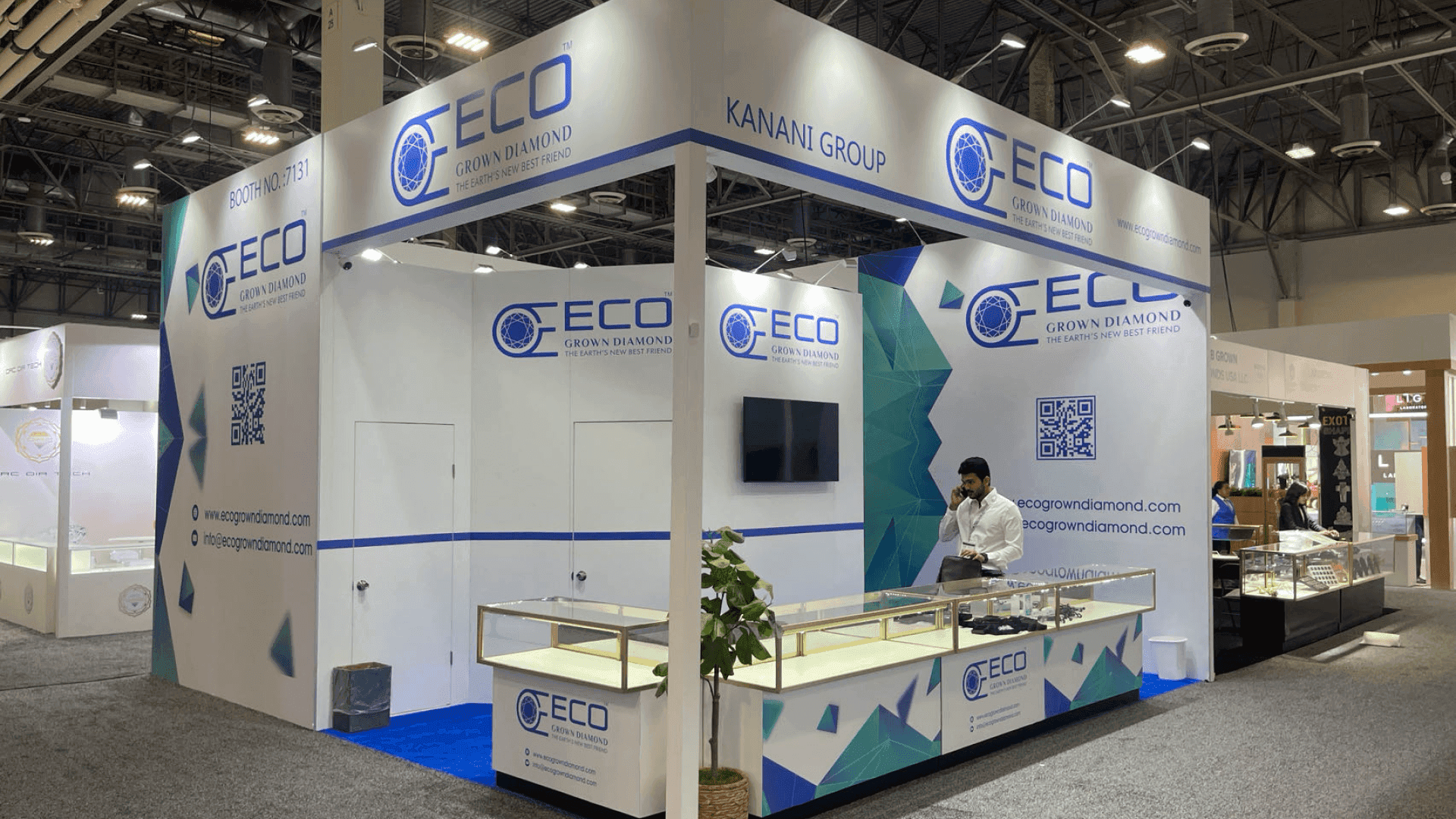
💼
Client:
📅
Year/Exhibition:
📍
Location:
📐
Size:
🏢
Industry:
🏢
Venue Context:
Challenge
Design vs. On-site Execution
The concept started with one rule: make the booth easy to trust from the aisle. That meant using a strong branded header, a clean wall system, and a controlled front display area instead of trying to build too many layers into the footprint. The goal was not to overload the booth with selling points. The goal was to help visitors understand, in seconds, that this was a serious precious-metals company positioned for real trade discussion.
A small booth only works when every element has one job. The overhead branding creates recognition. The wall surfaces carry the category signal. The glass counters support product-facing conversation. The open edge gives visitors a clear reason to stop without hesitation. That is exactly why a 10x10 booth size guide is the right structural reference here: it forces the booth to stay readable, practical, and useful instead of scattered.
A Las Vegas exhibit rental plan for this footprint should start with showcase access and lighting, then fit reception and graphics around product viewing.
Primary Brand Recognition Header
A strong top-line branded header helped the booth register quickly in a pawn-industry aisle where visitors were scanning for credible suppliers and category-fit vendors.
Precious-Metals Credibility Wall
Large clean wall surfaces gave the booth a more established presence and helped frame the business around precious metals, sourcing, and trade professionalism.
Glass Display Counter Edge
The front counter line created a practical place for product presentation, quick explanation, and short buyer conversations without forcing visitors too deep into the footprint.
QR and Contact Access Surface
Visible QR and contact points supported quick follow-up behavior, helping the booth stay useful even for visitors who only paused briefly.
On-site Highlights
This booth worked because the execution protected clarity. In a 10x10 precious-metals environment, there is very little room for visual confusion, weak first impressions, or poorly controlled conversation points. The structure, graphics, and counter edge had to open in a condition that felt clean, stable, and business-ready. The result was a booth that could support quick aisle recognition while still giving the AAA Precious Metals story enough substance to feel credible.
On-Site Execution Highlights
Strong Overhead Visibility
Clean Counter Presentation
Stable Wall Discipline
Fast Contact Access
Show-Ready Final Condition
Outcome
The booth made precious-metals services easier to understand from the aisle and faster to connect to buyer intent.
The clean structure and glass-counter layout helped the booth feel more credible, stable, and business-ready.
The compact footprint stayed open enough for product viewing, quick questions, and short trade conversations.
The focused layout gave visitors a clear reason to pause, scan, and move into a practical business discussion.
What made this booth work was control. In a small footprint, the instinct is often to add more claims, more categories, and more explanation. That usually makes the booth weaker, not stronger. For a precious-metals exhibitor, the better move is to establish confidence first: look stable, look clear, and make the business easy to understand from the aisle. Once that happens, the product conversation feels more credible.
In AAA Precious Metals’ 10x10 booth, the showcase and the conversation point had to share a small footprint. Working with an experienced Las Vegas trade show booth builder helps exhibitors plan counter access, lighting, and graphics around close product viewing without filling the entrance with extra furniture.
Quick Q&A
Q: Why is a 10x10 booth workable for a pawn-industry event?
A: Because the audience values clarity, trust, and category relevance more than oversized architecture.
Q: What matters most in a precious-metals booth?
A: A stable first impression. Visitors need to understand quickly that the company is credible, practical, and worth speaking with.
Q: Why are glass counters important in this kind of booth?
A: Because they create a natural place for product presentation, short explanation, and buyer-facing conversation.
Q: What is the biggest risk in a small booth like this?
A: Trying to say too much at once and turning a compact footprint into visual clutter.
Q: What execution detail matters most here?
A: First-read trust. If the booth does not feel clear and dependable in a few seconds, most aisle traffic keeps moving.


