Why This Decision Is Different at Workday Rising
Workday Rising takes place inside a Workday-centered ecosystem. HR, finance, and IT attendees are not simply walking a broad technology floor looking for an unfamiliar product category. Many already arrive with Workday-related processes, priorities, implementation questions, or business problems in mind.
That changes the sponsor's job. The booth rarely needs to explain what Workday is. It needs to make clear what the partner adds around Workday and what evidence a buyer needs next to judge that value.
For one partner, that evidence may be a working integration or workflow. For another, the useful evaluation cannot begin until the buyer explains an adoption, implementation, or transformation problem.
The important decision is therefore not which booth style looks more engaging. It is which interaction gives the buyer the proof needed to move forward.
How Buyers Evaluate Different Workday Partner Offers
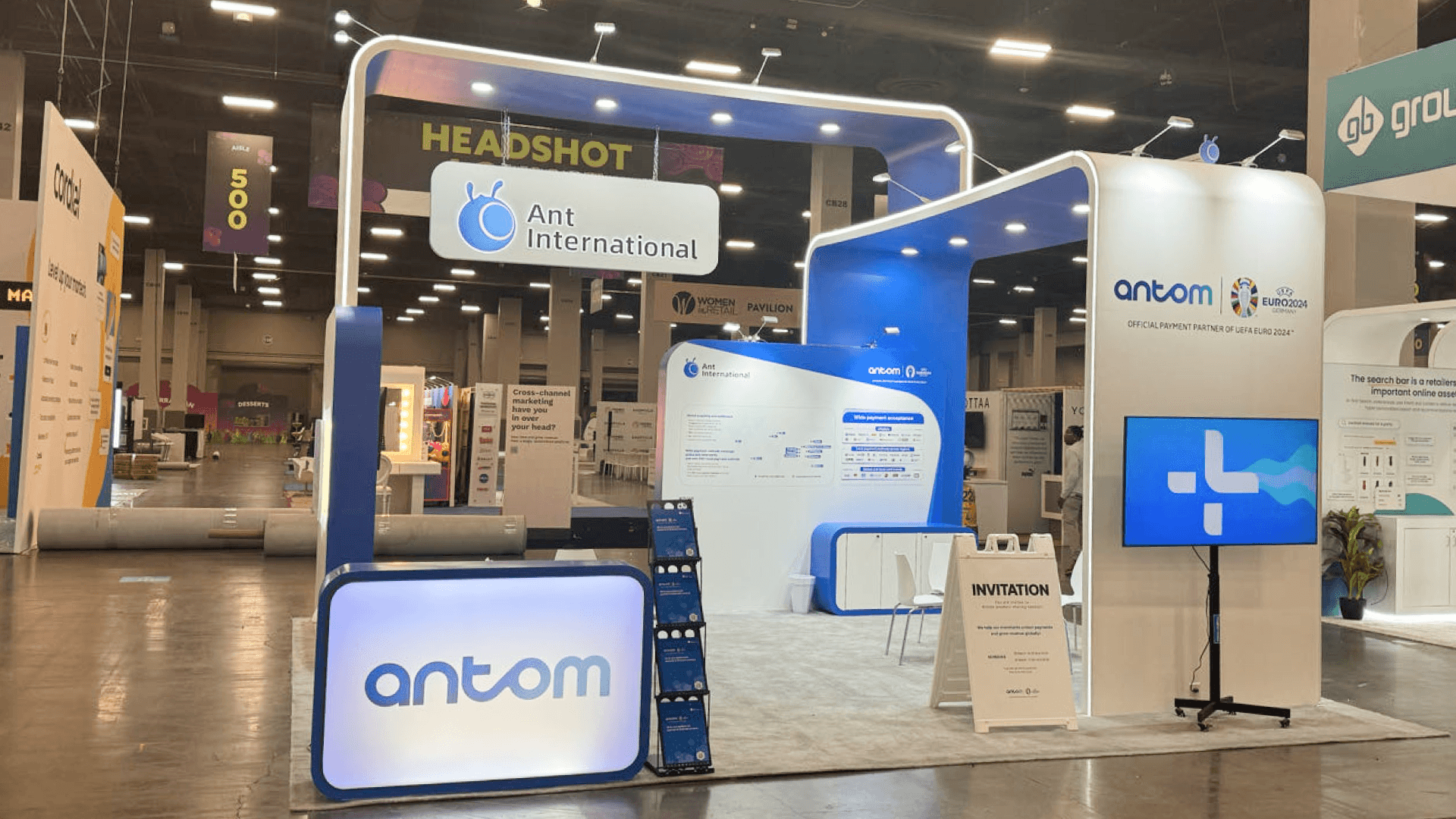
The right Workday Rising booth model depends on how buyers need to evaluate the offer—through working proof, expert discussion, or a connected sequence of both.
The most useful decision variable is not the partner label itself. It is how the buyer needs to evaluate the offer.
Primary proof is the evidence a buyer needs before deciding whether an offer is worth evaluating further. Sometimes that proof is visible product behavior. Sometimes it is the partner's ability to diagnose a situation and respond with relevant experience.
Technology and Innovation Offers
Apps, integrations, workflows, AI-enabled solutions, and other complementary technologies often depend on visible behavior. A claim such as “we improve this process” or “we extend this capability” is difficult to judge from messaging alone when the value lies in what the system actually does.
The workflow therefore becomes evidence. Buyers may need to see how information moves, where an integration changes a process, or what a user can accomplish before a deeper technical conversation becomes useful.
When product behavior carries the claim, showing the capability is part of proving it.
Services and Advisory Offers
A services buyer is rarely evaluating a fixed object. The useful answer may change with implementation stage, adoption problems, internal constraints, transformation priorities, or the buyer's existing Workday environment.
That makes the buyer's situation part of the evaluation itself. Diagnosis, judgment, and the ability to recognize relevant constraints become evidence of expertise.
For these offers, more demonstration does not necessarily create more clarity. The buyer may first need confidence that the partner understands the problem well enough to give a useful answer.
Use Buyer Evaluation—Not Partner Label—to Make the Decision
The table below is a quick way to identify the likely starting point. The sections that follow show where each model works—and where it can become the wrong choice.
Decision Factor | Demo-Led | Expert-Led | Hybrid |
|---|---|---|---|
Typical Offer Pattern | Apps, integrations, workflows, AI-enabled or technology-led solutions | Services, advisory, implementation, adoption, transformation | Technology combined with specialist or implementation expertise |
What the Buyer Must Verify | The solution actually works as claimed | The partner understands the situation and can respond credibly | The technology works and the partner can apply it to the buyer's situation |
Primary Proof | Product behavior, workflow, integration performance | Diagnosis, experience, specialist expertise | Working proof followed by expert evaluation |
Interaction Sequence | Demo → specific question → specialist | Qualification → expert discussion | Demo → question → specialist evaluation |
Main Risk if Overused | Demonstration becomes feature theater rather than useful proof | Conversation stays too abstract or takes too long to qualify | Two competing activities dilute the primary visitor path |
Choose When | The offer cannot be judged properly without seeing it work | A useful answer depends on understanding the buyer's situation first | Working proof is necessary but not sufficient to complete the evaluation |
Choose Demo-Led When Buyers Need to See It Work
A demo-led model fits offers that are difficult to judge without seeing the solution in action. It is especially relevant when workflow behavior, integration performance, or the way users interact with the technology is part of the value proposition.
Strong signals include:
the offer is difficult to explain through messaging alone;
the workflow itself demonstrates the value;
integration behavior matters to the buying decision;
the demonstration naturally creates technical questions;
a product or technical specialist can continue the evaluation afterward.
Here, the demo is not simply there to attract traffic. It is the first meaningful proof point. A specialist conversation becomes more valuable after the buyer has seen enough to ask a specific question.
Demo-Led is not automatically the right choice just because there is a product available to show. If buyers can understand and judge the core value without seeing system behavior, a continuous demo may add activity without adding much proof.
Choose Demo-Led when buyers cannot properly evaluate the offer without first seeing the solution work.
For sponsors that land on this model, the next planning step is innovation partner demo booth planning, where the working demo, technical support, and specialist handoff can be developed in more detail.
Choose Expert-Led When the Buyer Needs Diagnosis First
An expert-led model is usually stronger when a useful answer depends on information the buyer has to provide first. Implementation stage, adoption problems, internal constraints, transformation goals, and the current Workday environment can all change what the partner should recommend.
The proof works differently here. The buyer is judging whether the team can recognize the real problem, identify the relevant constraints, and respond with experience that fits the situation.
Expert-Led is a strong fit when:
the offer is not a standalone product;
the buyer's environment changes the recommended approach;
implementation, adoption, or transformation context matters;
expertise carries more weight than continuous product demonstration.
Selling services alone is not enough reason to choose this model. If a buyer can understand most of the value more quickly through visible workflow proof, an entirely conversation-first approach may slow the evaluation instead of helping it.
Choose Expert-Led when the value of the offer depends on understanding the buyer's situation before a useful answer can be given.
For an Expert-Led program, services partner booth planning is the next step for working through qualification, specialist access, and the conversation environment.

Start with the buyer’s evaluation path, then choose the booth interaction that provides the clearest proof before moving into footprint and layout planning.
Choose Hybrid When Proof Creates the Next Question
Hybrid makes sense when the buyer needs to see the solution working first, but the demonstration alone cannot complete the evaluation.
A buyer evaluation path is the sequence of interactions a visitor needs in order to judge whether an offer fits their situation. In a true hybrid model, the demo and expert discussion are connected steps in that same path:
See the capability → Understand what it changes → Ask how it applies → Continue with a specialist
The demonstration establishes credibility and gives the buyer enough context to ask a better question. Expert discussion then helps determine fit, implementation implications, or the next step.
Hybrid should not be treated as the safest option simply because demos and meetings both sound useful. It creates the highest risk of divided attention if neither interaction clearly leads.
If the demo and the conversation serve unrelated goals, the booth is not truly hybrid. It is simply trying to support two separate activities at once.
Choose Hybrid when working proof is necessary to establish credibility, but expert evaluation is still required before the buyer can decide whether the offer fits.
What Comes After the Engagement Model Is Clear
Once the engagement model is decided, footprint becomes easier to evaluate because the team knows which activity needs to lead and which one can remain secondary.
A program with one dominant interaction is usually easier to contain than a hybrid approach, where working proof and longer discussions both need room to function without interfering with one another.
If one activity clearly leads, a 20x20 booth is a practical footprint for testing whether the primary interaction, a compact secondary function, storage, and circulation can coexist without competing for space.
At this point, the question is only whether the selected engagement model fits the available footprint. Detailed size comparisons, layout planning, and build-method decisions come afterward.
FAQ
What if a Workday partner sells both technology and services?
Selling both does not automatically mean the booth should be hybrid. Use Hybrid only when buyers genuinely need working proof first and then need specialist expertise to complete the evaluation. Otherwise, let the stronger proof mechanism lead.
Can HR, finance, and IT buyers require different engagement paths?
Yes. The same offer may be evaluated differently by different buyer groups. The booth should still have one primary engagement model, with role-specific variations inside that model rather than several unrelated visitor journeys.
Should booth size be chosen before the engagement model?
Usually not. Decide how buyers need to evaluate the offer first, then test whether the available footprint can support that primary interaction and any necessary secondary function.
Choose the Engagement Model Before Designing Around It
The engagement model should be settled before the booth is designed around it. Once the team knows what buyers need in order to evaluate the partner's value, later decisions about footprint, layout, and build approach have a clear job to support.
The goal is not to fit every possible interaction into the booth. It is to give the primary evaluation path enough space and support to work well.