Rental Booths Are Not Just Fixed Packages
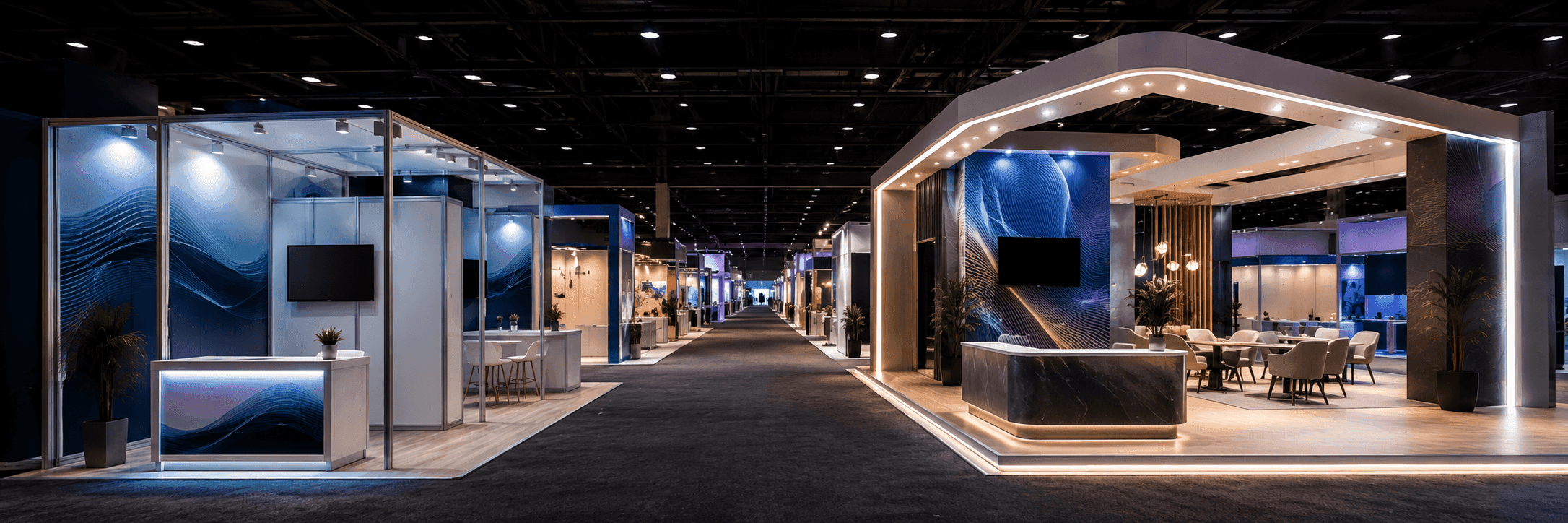
Rental inventory is a starting system, not a finished exhibit. The structure may rely on reusable components, but the final booth still needs to work for the brand, the product, the staff, and the visitors at that specific show.
That flexibility is the main advantage of a customizable trade show booth rental in Las Vegas: the underlying structure can remain practical while graphics, counters, screens, storage, and layout details change around the project.
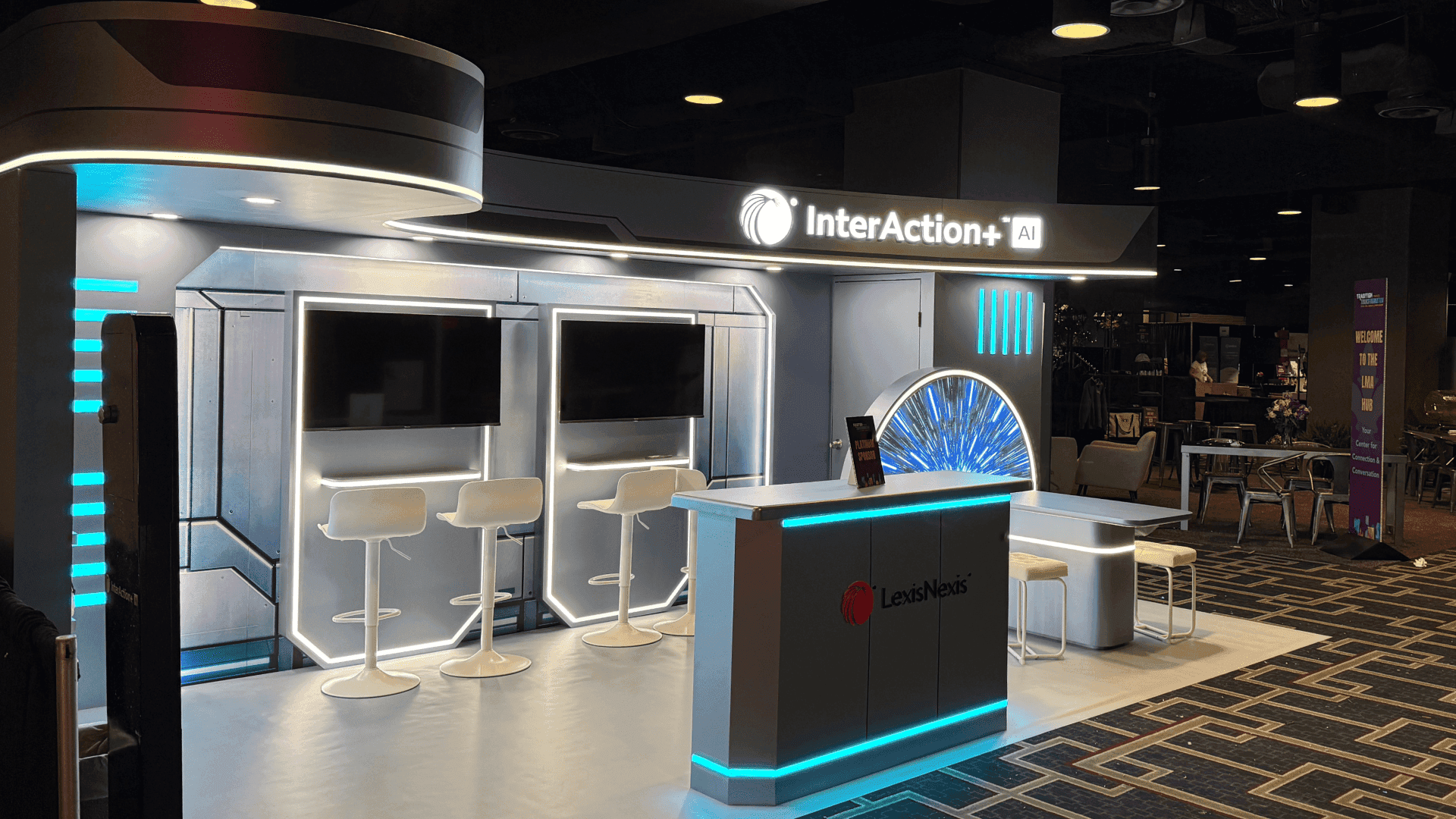
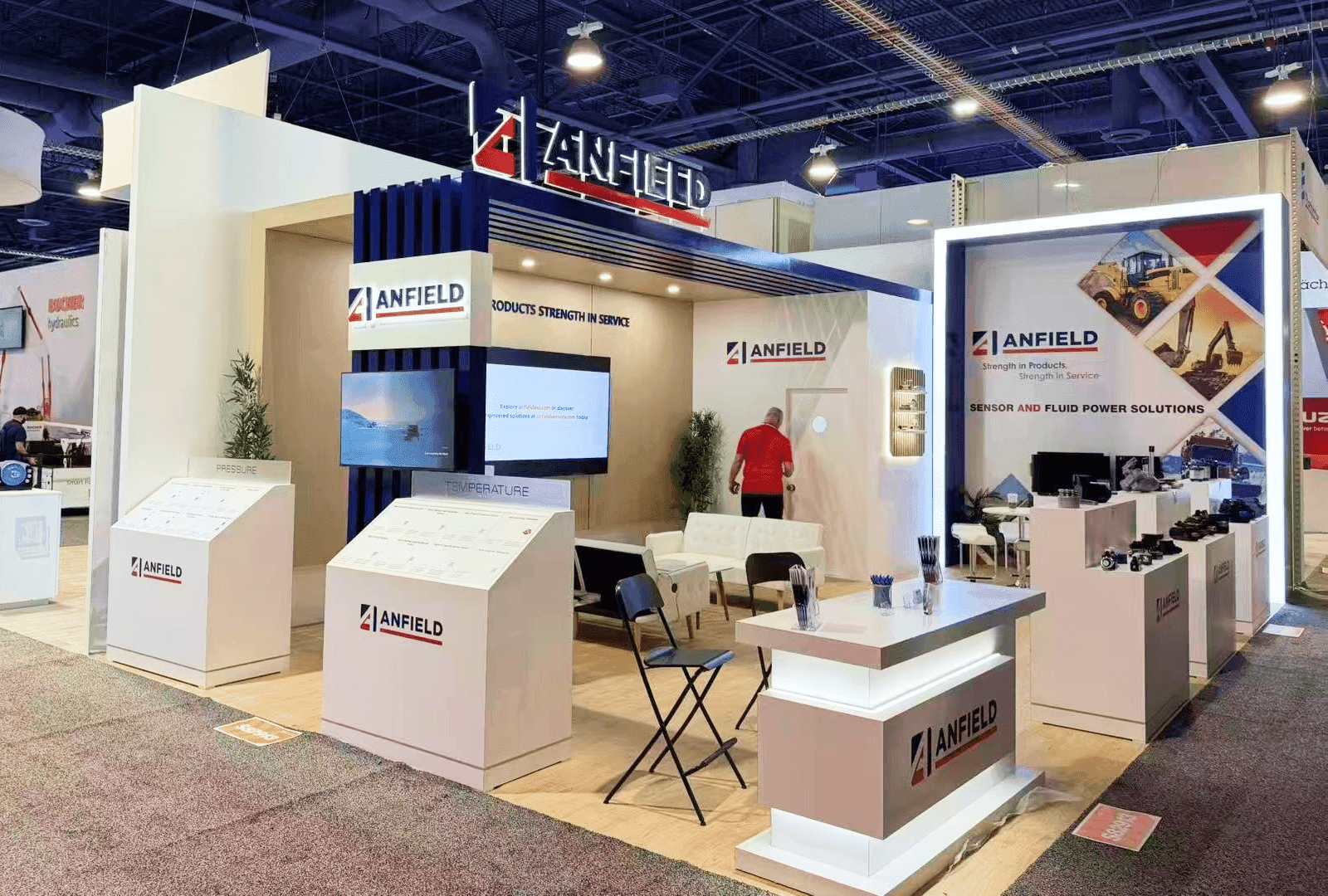
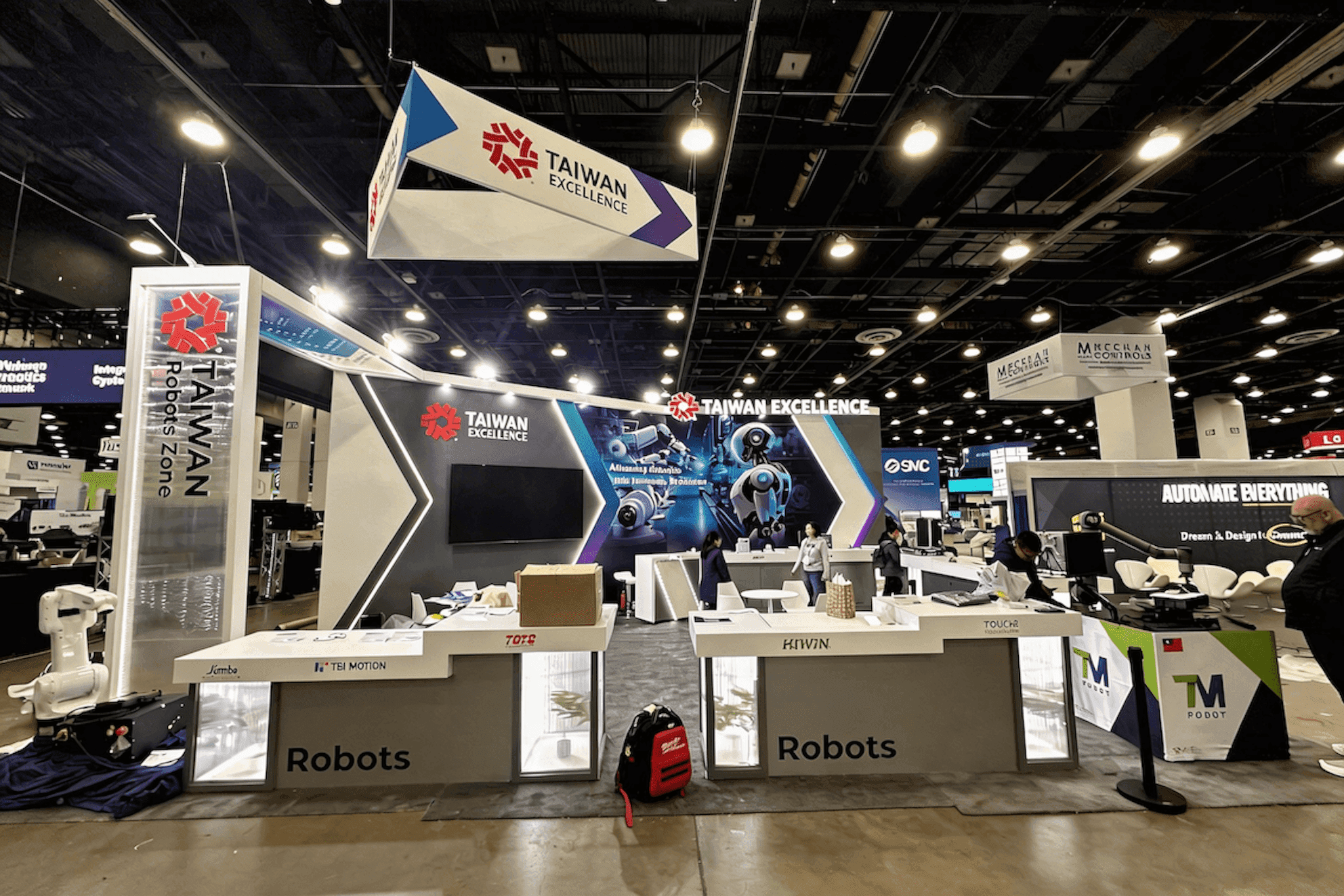
A software exhibitor may need demo stations and conversation space. A product brand may need shelving, counters, storage, and stronger graphic surfaces. A technology or equipment exhibitor may need more power, AV integration, freight access, or installation support.
The real question is not only “Can this booth be rented?” It is “Can this rental structure support the way the booth needs to work during the show?”

A rental booth should support the way the exhibit needs to work—from product demos and visitor flow to branding, meetings, and AV integration.
Can the Rental Support the Main Booth Function?
The rental structure needs to support the booth’s primary visitor activity, not simply fit inside the assigned square footage.
A booth built around live demonstrations may require counters, screens, powered equipment, working clearances, nearby storage, and room for visitors to gather. A meeting-led exhibit may need more open floor area and enough separation from aisle traffic for productive conversations. Product-focused booths may require shelving, inspection space, access around equipment, or heavier technical integration.
If the rental structure cannot accommodate those needs without compromising visitor movement, staff workflow, or product presentation, the configuration is not a good fit—even if it technically fits inside the booth footprint.
Once the booth function begins to dictate detailed zoning and circulation, that work belongs in size-specific planning rather than in the rental-selection stage.
Does the Rental System Fit the Booth Footprint?
Booth size changes what the rental system has to support. A 10x10 booth may only need one clear message, a reception point, and a branded backwall. A 20x20 footprint may need demonstrations, meeting space, storage, screens, and multiple visitor paths within the same structure.
Larger 20x30 or 30x40 footprints add more structural, graphic, utility, freight, and installation dependencies. A larger footprint does not rule out rental, but it does require a system that can support several functions without becoming a collection of unrelated components.
If the booth is already confirmed at 20x20, decisions about demos, meetings, graphics, storage, utilities, and visitor flow belong in 20x20 rental booth planning.
How Much Branding Flexibility Does the Rental Need?
Branding is one of the main reasons exhibitors choose a customizable rental instead of a fixed package. The question is not how many graphic surfaces are available, but whether the rental system can carry the brand presentation required for the show.
Backwalls, SEG fabric graphics, lightboxes, screens, counters, hanging elements, and product visuals may all need to work within the same structural system. The more specific the presentation becomes, the more important it is to confirm that graphics, lighting, and display elements can be integrated without turning the project into extensive custom fabrication.
Evaluation Point | What to Check |
|---|---|
Aisle Visibility | Can the rental structure support a clear brand message at the required viewing distance? |
Graphic Surface Flexibility | Are suitable surfaces available for SEG graphics, lightboxes, counters, screens, and product messaging? |
Show-to-Show Updates | Can graphics and branded elements change for future events without replacing the main rental structure? |
Structural Compatibility | Can graphics, lighting, screens, and branded elements work with the rental system without requiring major custom fabrication? |
A flexible system should make it practical to update show-specific graphics while keeping useful structural components in place for future events.

Rental fit also depends on show-site practicality, including freight, drayage, utilities, labor, installation timing, and the ability to reuse key booth components.
Does the Rental Still Work Once Show-Site Requirements Are Added?
A rental configuration may look straightforward during design review, but Las Vegas show-site requirements can change the picture. Freight, drayage, move-in timing, electrical service, labor, venue rules, and other show-controlled services can turn a simple booth package into a project that requires much tighter coordination.
The practical question is whether the booth can still be delivered, installed, operated, and dismantled within the show schedule without adding unnecessary complexity.
That does not automatically make rental the wrong choice. It may simply mean the project needs more coordination than a standard package provides.
For projects with tight move-in windows, multiple service orders, or more complicated freight requirements, logistics and pre-show coordination becomes a separate execution task once the rental approach is confirmed.
When a Rental Project Needs More Than a Standard Package
A project can still be a good fit for rental even when a standard package is not enough.
Technical demonstrations, large or heavy products, multiple screens, complex branded graphics, larger footprints, repeat-show changes, or several show-service dependencies can all increase the amount of coordination required.
Those projects often need Las Vegas exhibit build support even when the booth structure itself remains rental-based. The added support may involve design review, technical integration, production coordination, logistics, or show-site execution.
If the structural direction itself is still unclear, a customizable rental vs. custom booth comparison is the better place to decide how much fabrication and architectural control the project actually requires.
Las Vegas Booth Rental Evaluation Checklist
Before moving a Las Vegas rental booth into detailed planning or proposal approval, review these points:
Evaluation Point | What to Decide |
|---|---|
Booth Function | Can the rental support the main demo, meeting, product display, reception, or lead-capture activity? |
Footprint Fit | Does the rental system work with the confirmed booth size, open sides, storage needs, and visitor circulation? |
Branding Flexibility | Can graphics, screens, counters, finishes, and product presentation be adapted to the brand? |
Product / AV Integration | Can products, screens, powered equipment, clearances, and staff workflow be integrated without forcing the layout? |
Reuse Potential | Which components can remain reusable, and what will need to change for future shows? |
Show-Site Practicality | Does the rental remain practical after freight, drayage, utilities, labor, venue timing, and show-service requirements are considered? |
Support Level | Is a standard rental package enough, or does the project require builder-level coordination? |
Rental Fit | Is the best path a standard rental, a customizable rental with added support, or a more custom or hybrid approach? |
Once the rental fit is clear, the written rental proposal and scope should reflect the agreed structure, graphics, AV requirements, logistics responsibilities, and show-site services before production begins.
Final Takeaway
A rental booth is the right fit when the structure can support the booth’s function, footprint, branding, technical requirements, reuse goals, and Las Vegas show-site conditions without forcing unnecessary compromises.
If a standard package falls short, the next decision is how much builder coordination or structural customization the project actually requires—not how to force the project into a package that no longer fits.
FAQ
Is a trade show booth rental a good fit for Las Vegas exhibitors?
A rental booth can be a good fit when the structure supports the required booth size, branding, demos or meetings, AV needs, reuse goals, and show-site requirements. The decision should be based on how well the rental approach supports the exhibit’s actual function, not only on price or available components.
How customizable can a trade show booth rental be?
A customizable rental can support branded graphics, counters, screens, lightboxes, product displays, storage, and different layout configurations while reusing an underlying structural system. The practical limit is reached when the project requires so much special fabrication or technical integration that the rental structure no longer provides a meaningful advantage.
Can a rental booth be reused for multiple trade shows?
Yes. Rental and modular structures can reuse core components while graphics, counters, accessories, product displays, or layout details change from show to show. When repeat-show reuse is a major goal, modular exhibit systems provide a deeper framework for planning reusable structure and reconfiguration.
When should exhibitors move beyond a standard rental booth package?
A standard package may not be enough when the exhibit requires technical demos, large products, multiple AV systems, complex graphics, or several show-service dependencies. A customizable rental can still work, but the project may need builder-level coordination or a different structural approach.