Introduction: Think Like a Merchant, Build Like an Operator
On the floor, every square foot is shelf space. Design your booth like a high-performing micro-store: window appeal at the aisle, discovery bays for trial, and decision corners where actions are easy—QR to cart, calendar holds, or tap-to-save brochures. Then back the experience with operational discipline—run sheets, A/B plans, and a KPI slate ready before show open.
Retail Journey Design
A retail journey reduces friction and increases intention. Stage a three-act path—attract, explore, decide—using sightline stacking, copy hierarchy, and sampling rituals. Keep hero messaging snackable at the edge, deepen with comparative displays at mid-zone, and provide seated clarity where decisions happen. This is retail logic adapted to trade-show tempo.
Interactive Systems as Assisted Selling
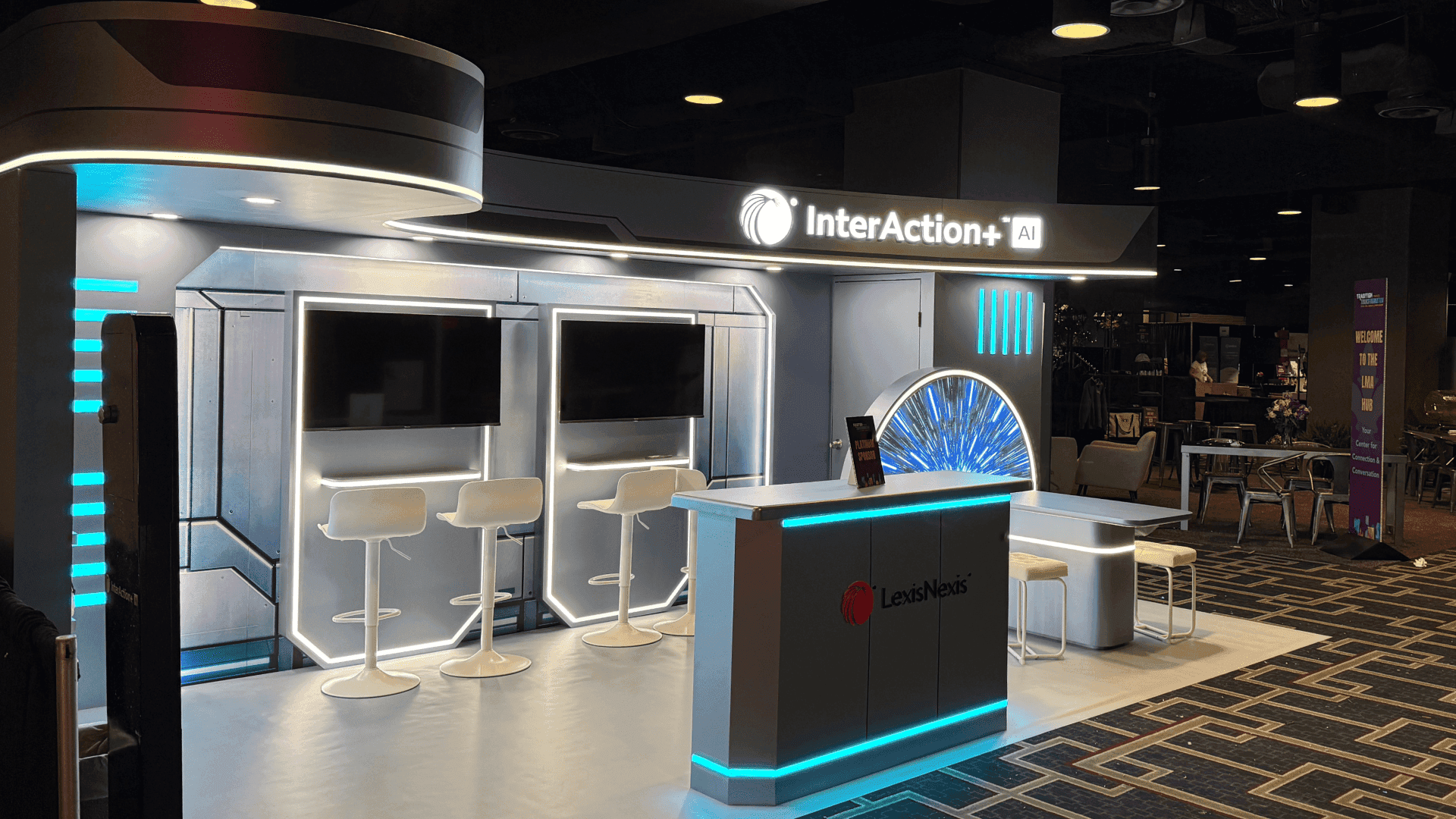
Configured well, interactive booth technology acts like your best associate on a busy Saturday. Gesture comparisons cut staff bottlenecks, RFID tables reveal product compatibility, and motion stingers revive attention lulls. Sync all canvases to a single content spine so facts and price logic align across screens and handouts.
Merchandising Math and Micro-Tests
Borrow store KPIs: exposure rate, scan-to-conversation ratio, trial-to-bundle add, and continuation rate from QR to post-show call. Swap planograms overnight—adjust shelf heights, flip graphic hierarchy, or move the hero wall toward a hotter aisle. Retail mechanics turn space planning into a series of measurable bets.
Program Discipline, Repeatable Wins
Results compound when operations are centralized. Use exhibit program management to standardize asset libraries, install checklists, and run-of-show scripts across markets. Dashboards tracking install hours per square meter, meeting utilization, and pipeline velocity make the next show smarter before it begins.
Why Fit Matters
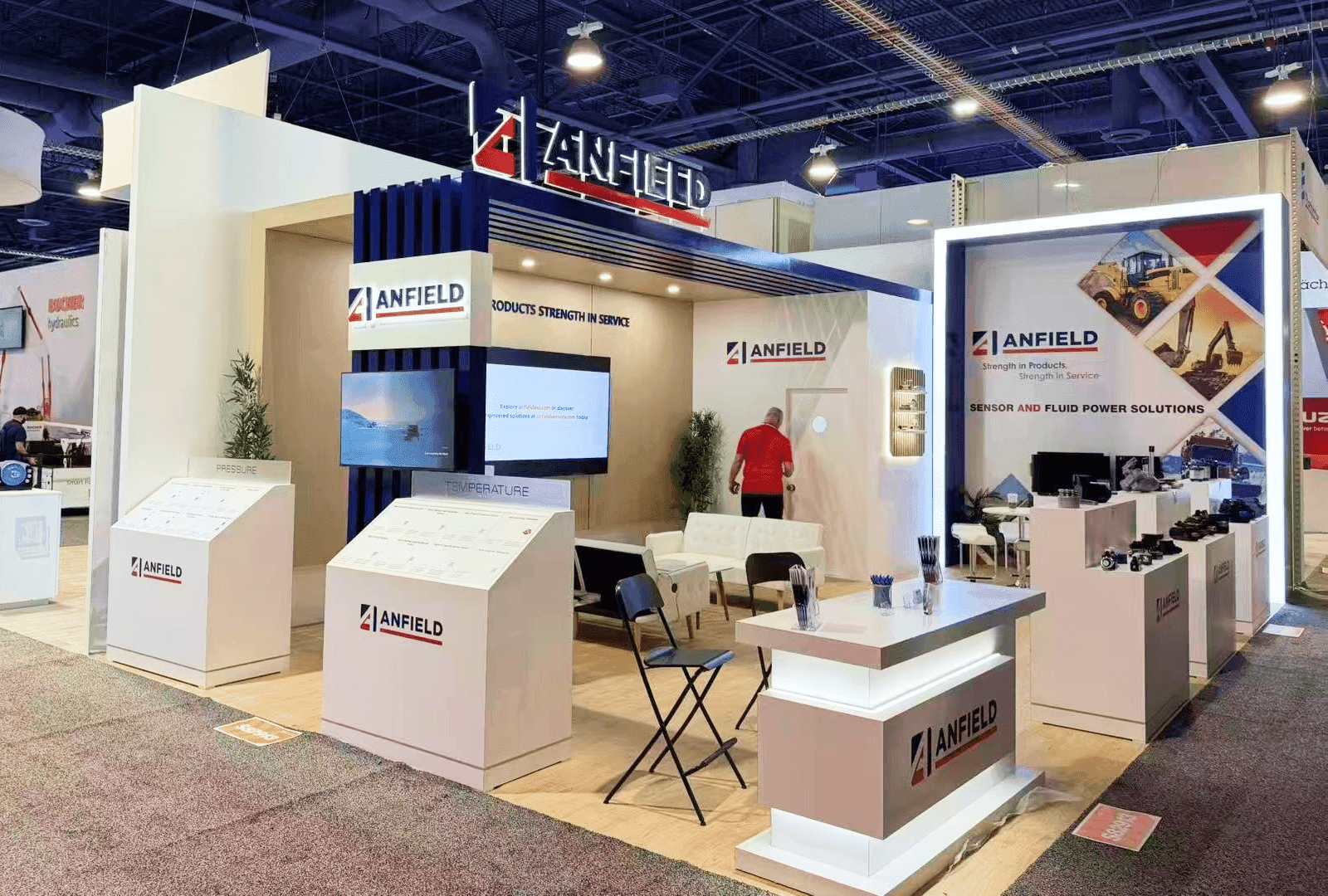
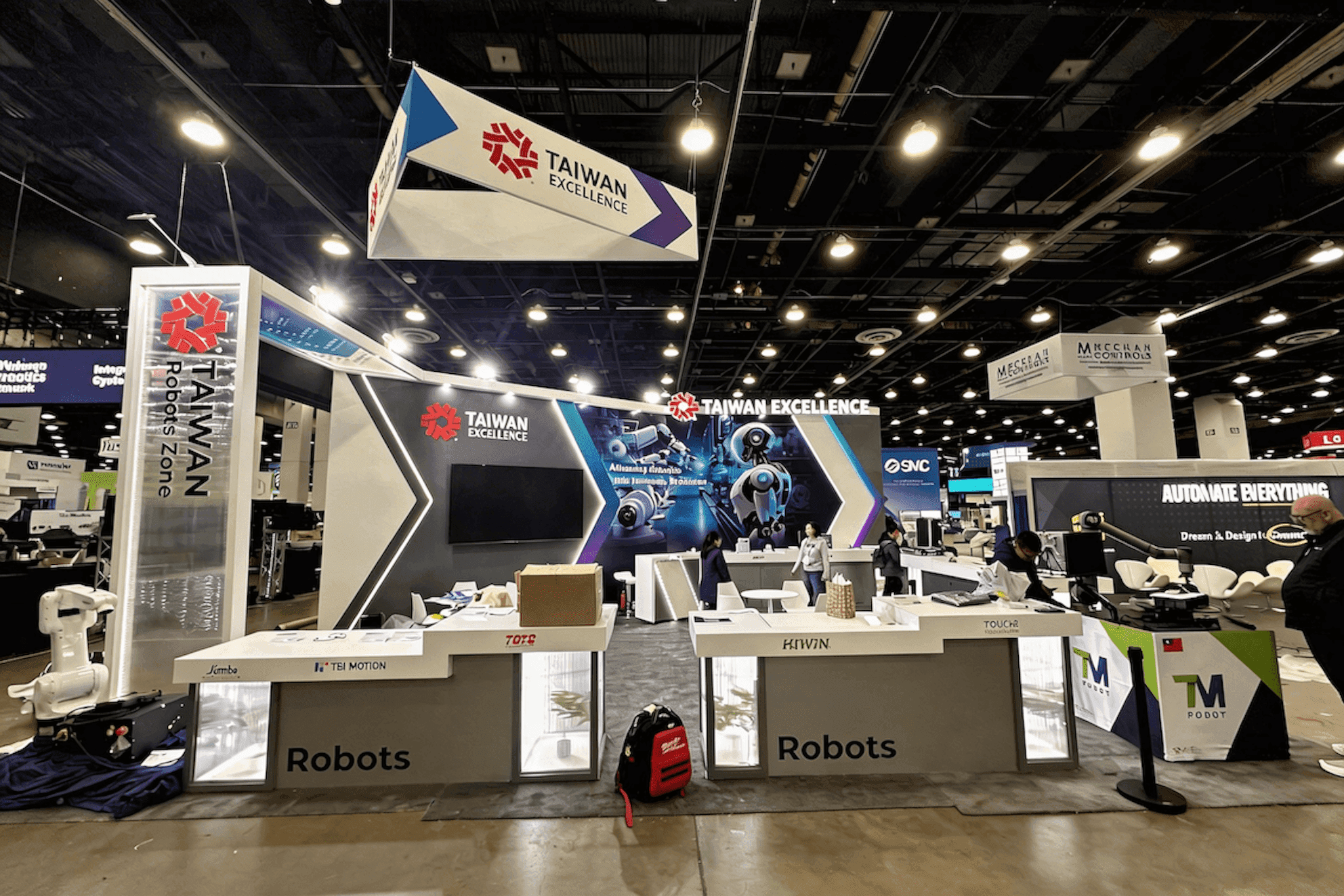
Clarity is a choice. With expert retail display design services, kiosks and islands feel like the same store in different sizes. A portable grammar—typographic scale, fascia ratios, and light temperatures—keeps recognition high and acquisition costs low.
Conclusion
When retail craft meets interactivity and program control, your booth stops performing like a display and starts performing like a store—memorable, measurable, and scalable.