Why Appliance Displays Need a Different Booth Plan
An appliance display booth is different from a general brand booth because the products are often large, heavy, and detail-driven. Buyers may want to open a refrigerator door, compare finishes, check oven controls, look at washer capacity, or understand how a compact appliance fits into a retail environment. If the booth is planned only around a backwall and reception counter, the product experience can quickly feel crowded.
For AVB Expo exhibitors, the booth should help buyers understand the appliance category from the aisle. Large appliances usually need stronger sightlines and open space around them. Smaller appliances may need a demo counter, product table, or feature display. If the booth includes a working appliance demo, the team should think about power access, cord control, counter height, and staff position before the layout is finalized.
This is where middle-level planning concepts matter: product demo zone, appliance booth layout, retail product display flow, demo counter placement, and power access planning. These are not just design details. They decide whether visitors can actually compare products and hold useful conversations during the show.
Key Display Zones to Plan
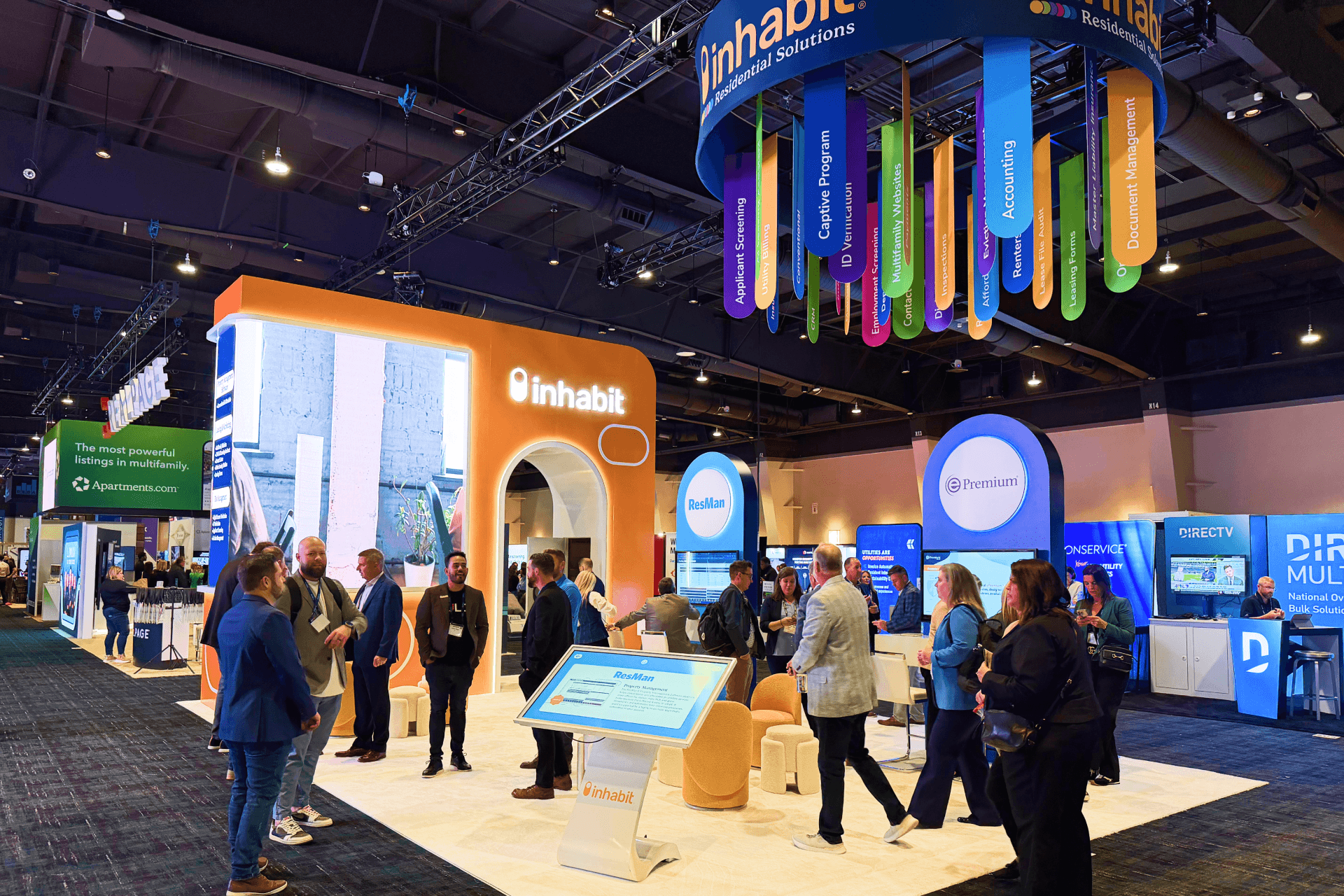
A practical appliance display booth usually needs three zones: a hero product area, a product comparison area, and a conversation or demo area.
The hero product area should make the most important appliance or product group visible from the aisle. It should not be hidden behind a counter or blocked by staff. If the exhibitor is showing a flagship refrigerator, appliance suite, connected kitchen product, or major product launch, this area should carry the clearest message.
The product comparison area should give buyers enough room to compare sizes, finishes, doors, controls, or category differences. The conversation and demo area may include a demo counter, screen, literature, sample display, or compact meeting point. It should stay close enough to the appliances for explanation, but not so close that every conversation blocks the main display.
For brand clarity, appliance exhibitors should also plan booth graphics early. Backwall graphics, category signs, feature callouts, and simple product messaging help buyers understand the display faster. For visual production support, connect the booth plan with graphics and brand presentation support.
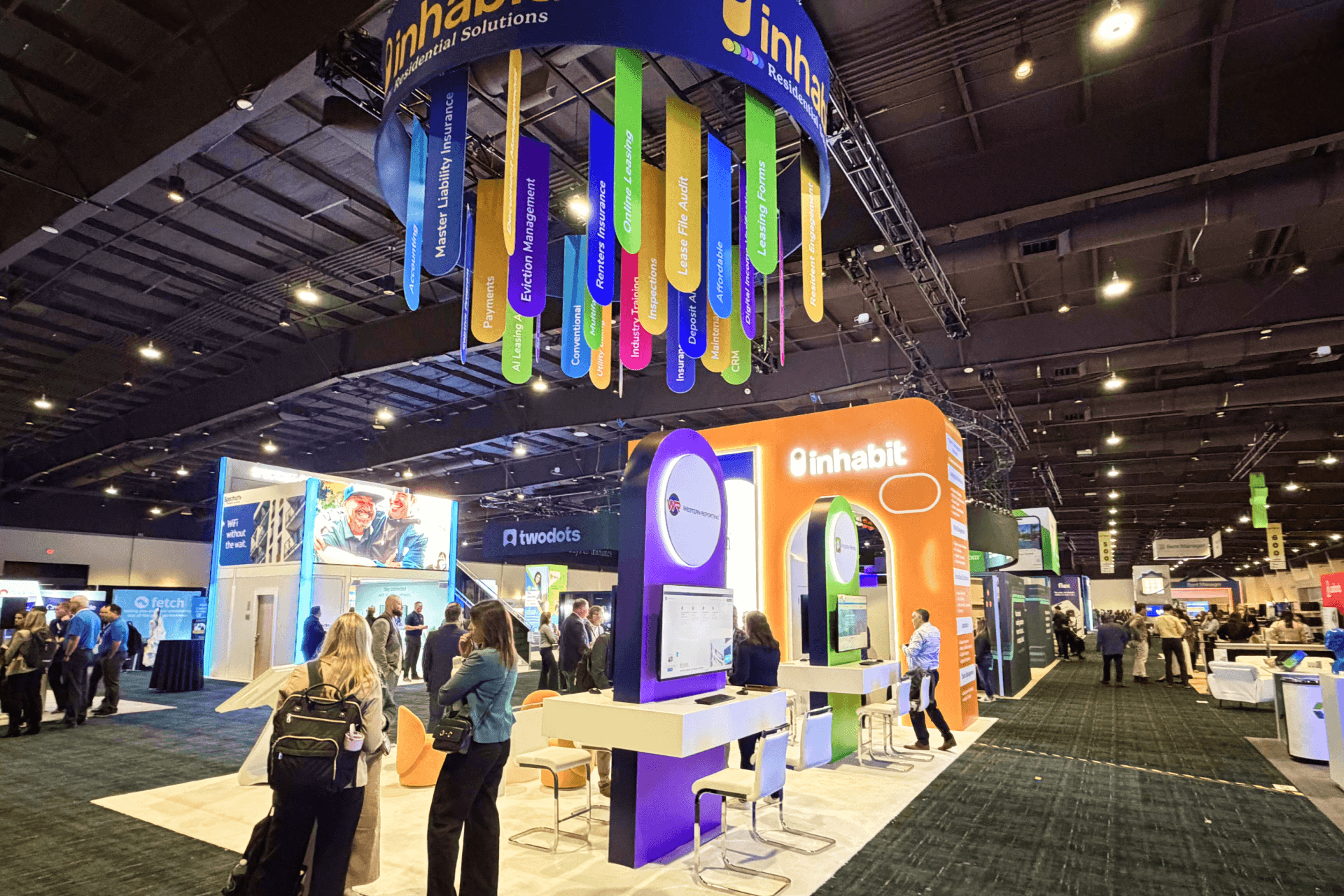
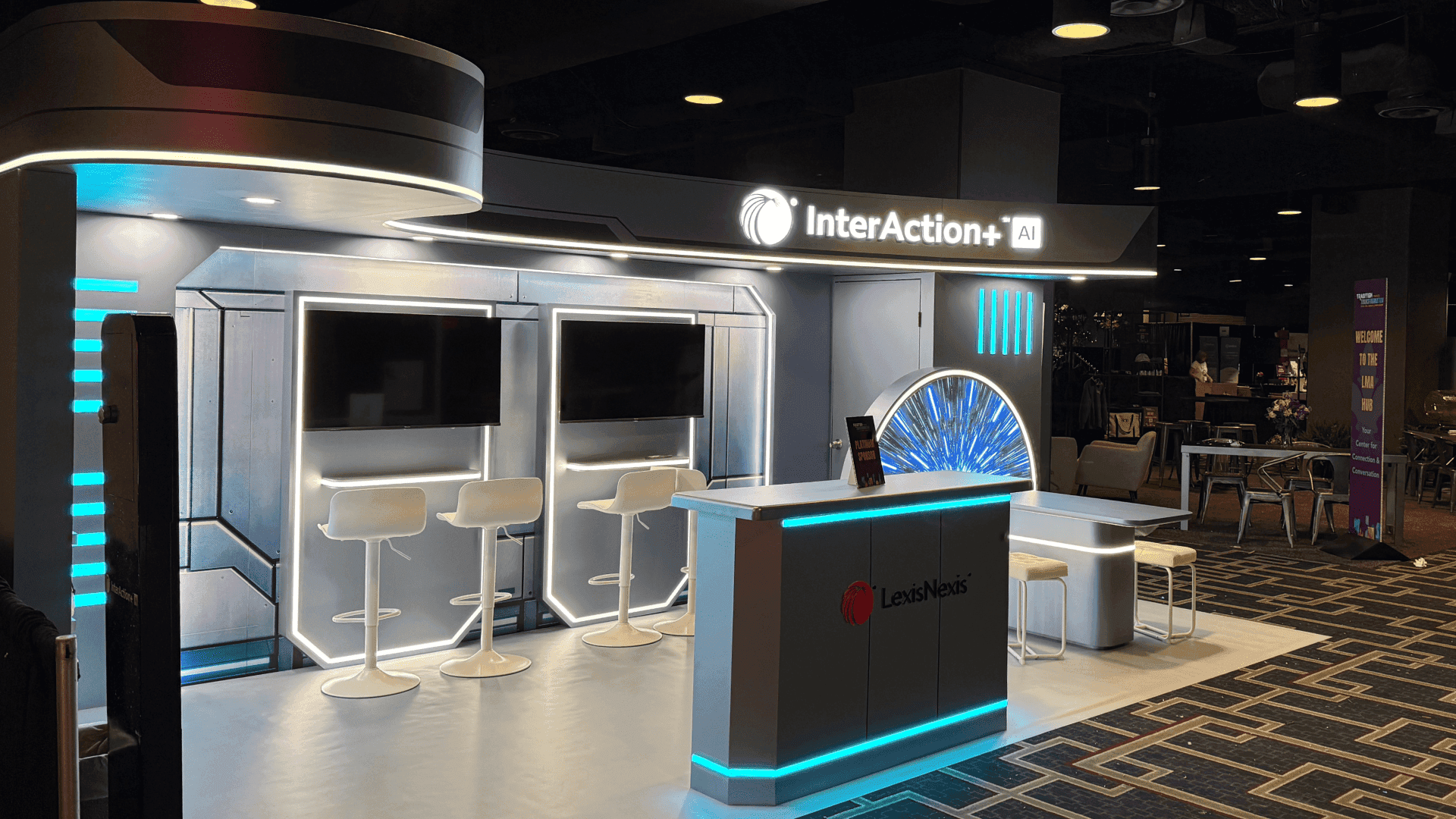
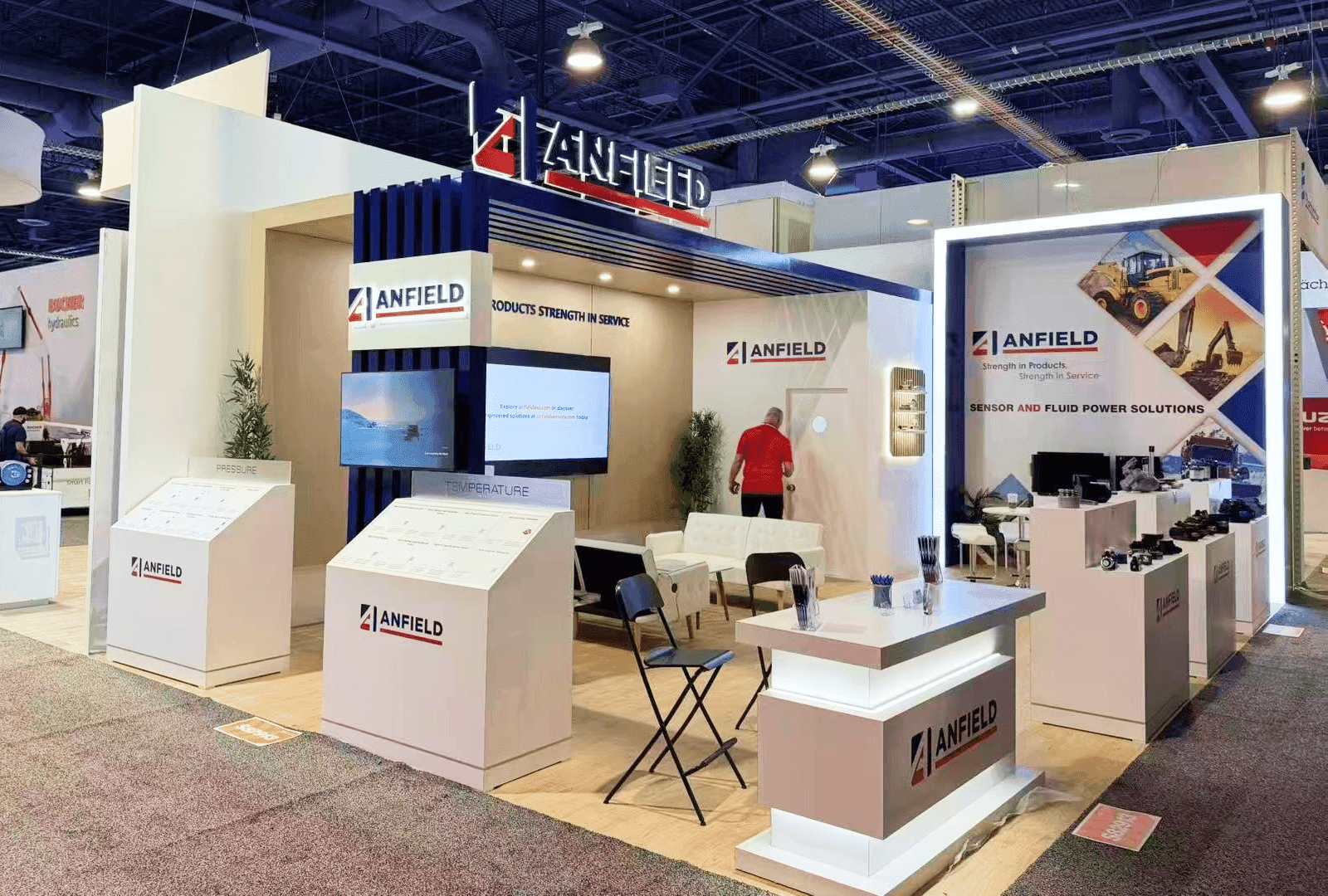
A demo counter and product comparison area help buyers compare finishes, controls, appliance features, and product value without blocking booth traffic.
Appliance Display Booth Planning Table
Planning Area | What to Plan | Why It Matters |
|---|---|---|
Hero product area | Main appliance, product suite, or featured category | Helps buyers understand the booth focus from the aisle |
Product comparison area | Finishes, sizes, controls, doors, and product groupings | Makes it easier for buyers to compare appliance options |
Demo counter | Countertop products, screens, samples, or staff explanation | Gives staff a clear place to explain features without blocking traffic |
Power access | Powered appliances, cords, outlets, and cable protection | Keeps demos clean, safe, and easier to manage on the show floor |
Graphics and signs | Backwall graphics, category labels, and feature callouts | Helps visitors understand product value quickly |
Visitor flow | Entry path, product spacing, staff position, and conversation zones | Prevents crowding and supports better buyer conversations |
Booth Layout and Visitor Flow
Visitor flow is one of the most important parts of appliance display planning. A product may look impressive in a rendering, but if visitors cannot move around it, the booth will feel difficult to use.
The layout should answer a few practical questions. Can visitors see the main product from the aisle? Can they step inside without running into a product corner? Can staff explain a feature without standing directly in front of the appliance? Is there enough space for two or three buyer conversations at the same time?
For many appliance exhibitors, a 20x20 booth can work well when the product story is focused and the display centers on one main appliance category. A 20x30 booth may make more sense when the booth needs multiple appliance groups, a larger demo counter, more open comparison space, or a clearer staff handoff area. The right size depends less on product count and more on how buyers are expected to move through the display.
For event-specific planning, use AVB Expo appliance display booth planning as the main reference before choosing the final layout, booth size, and product quantity.
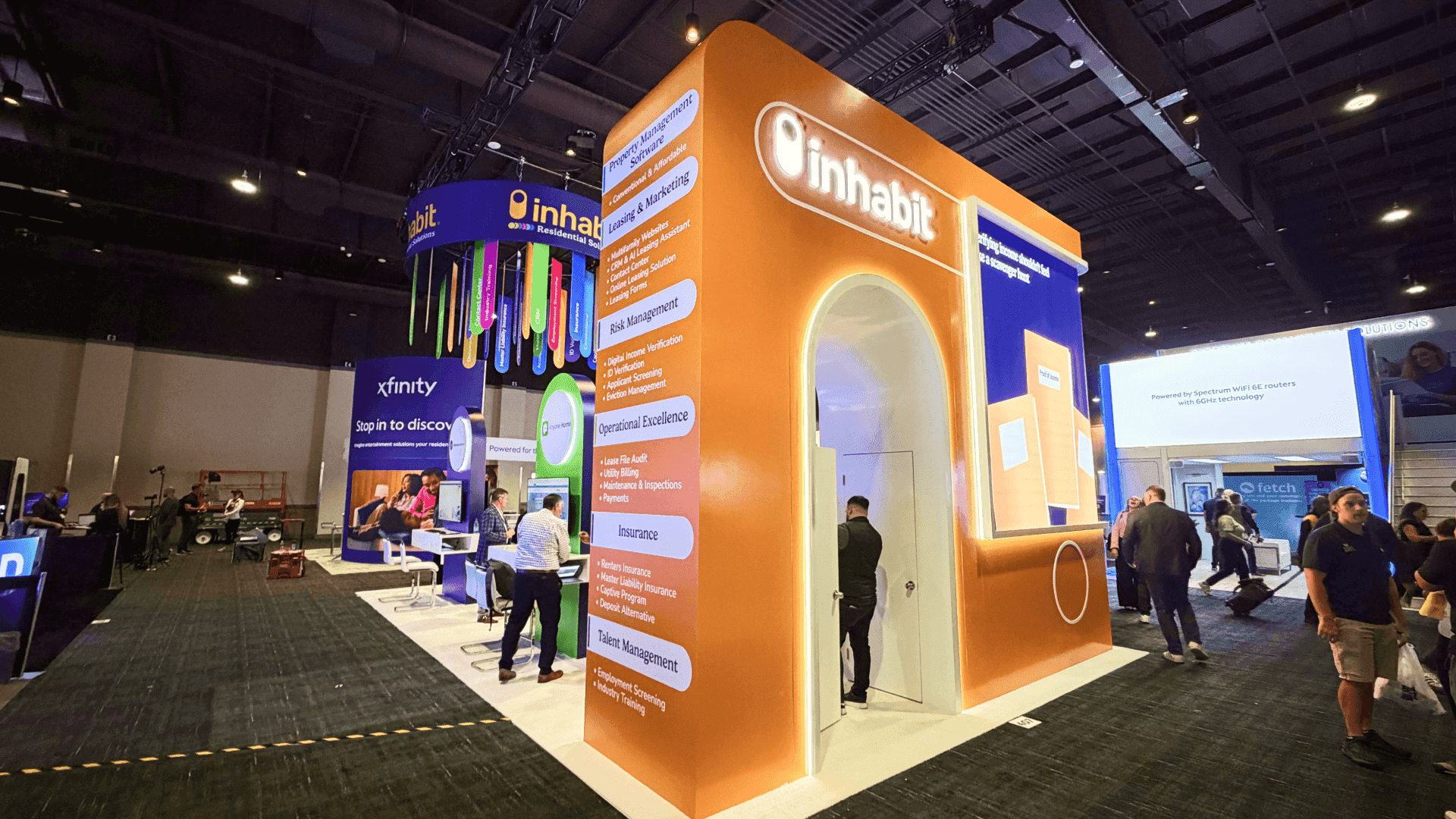
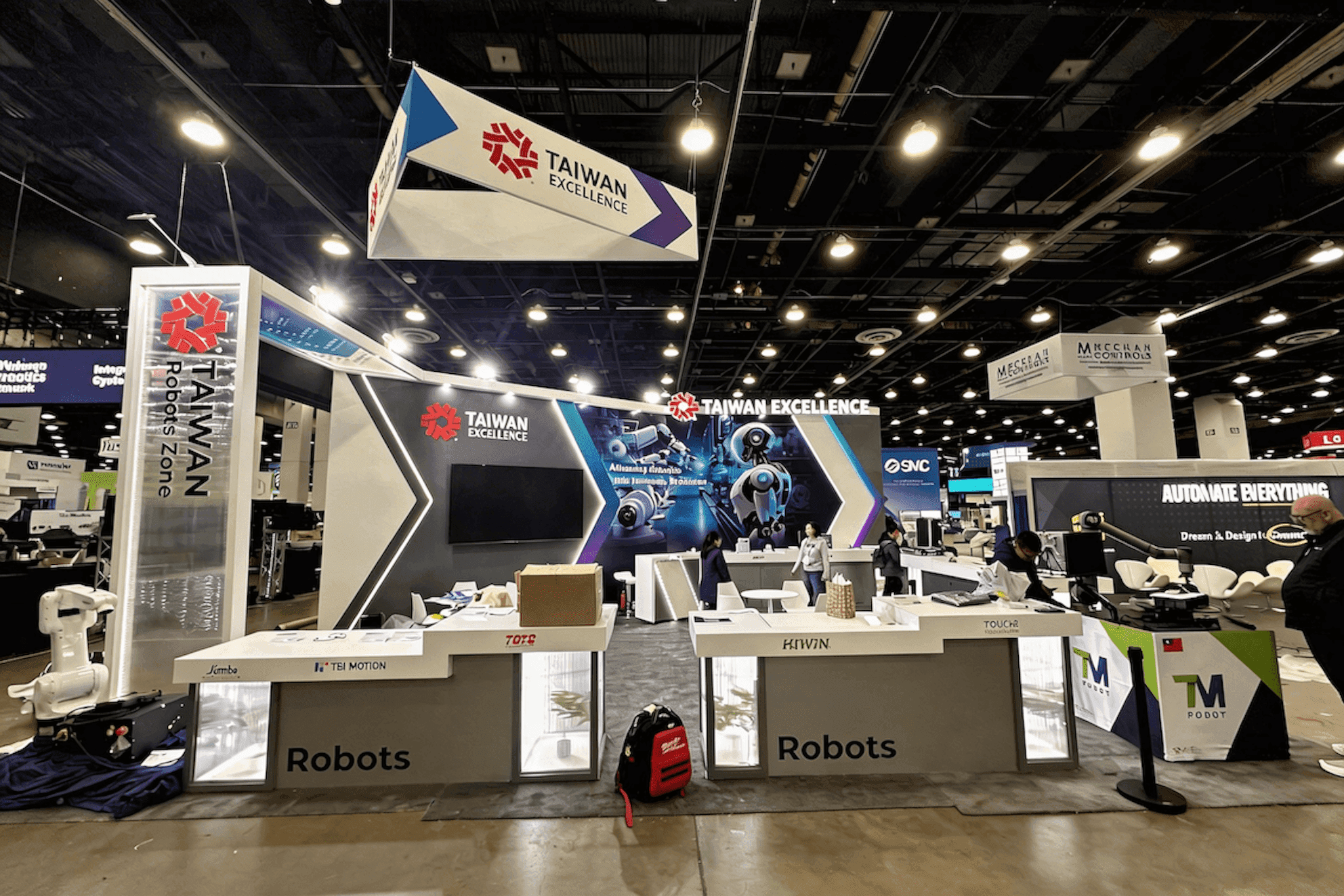
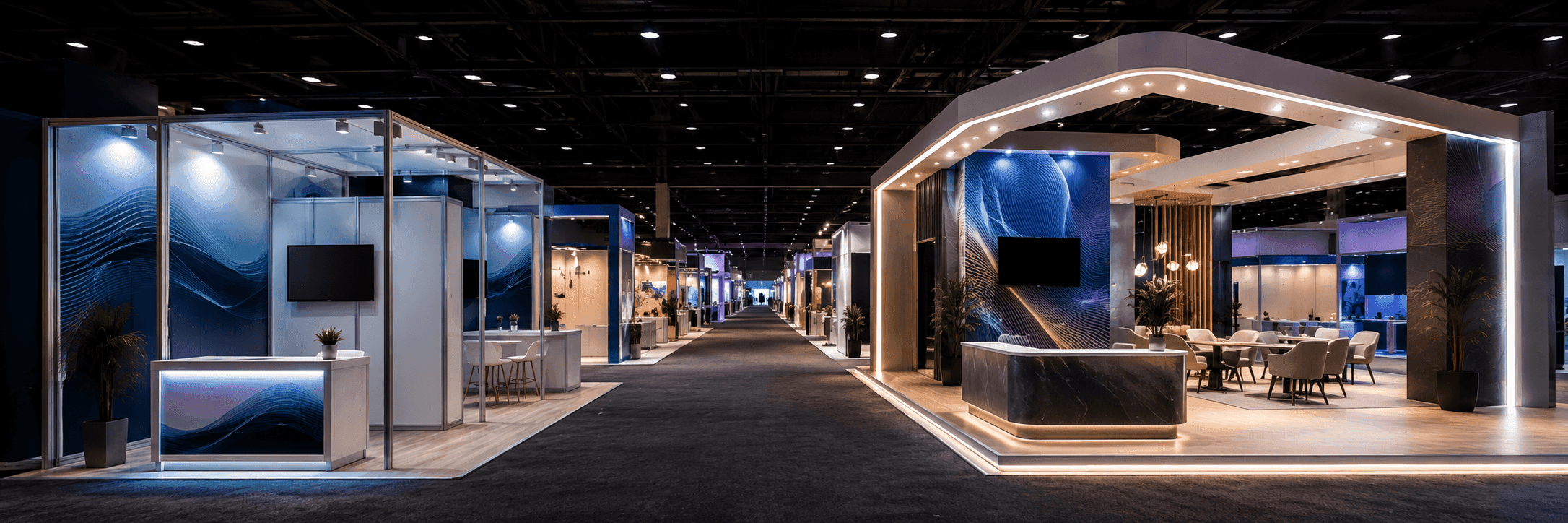
A strong appliance booth layout gives visitors enough space to enter, compare products, ask questions, and move through the display without confusion.
Practical Setup Notes for AVB Expo Exhibitors
Before production, appliance exhibitors should confirm the product list, display dimensions, electrical needs, flooring needs, shipping sequence, storage requirements, and show-site setup plan. Large appliances should not be treated like small props. They affect freight, installation timing, aisle access, booth cleaning, and final product positioning.
If a product needs power, the layout should show where power comes from and how cables will be hidden or protected. If products are heavy, the move-in order should be planned before show site. If the booth uses tall graphics, shelving, or feature walls, make sure those elements do not reduce product visibility.
The main AVB Expo booth planning page can support broader event planning, while this article should stay focused on appliance display execution.
Final Takeaway
A strong appliance display booth for AVB Expo should help buyers see products clearly, compare details easily, and move from aisle interest to product conversation without confusion. The best layouts do not simply place appliances inside a booth. They plan product zones, demo access, power needs, graphics, staff position, and visitor flow as one system. For appliance-specific layout decisions, start with AVB Expo appliance display booth planning before finalizing the display plan.