Separate Equipment Arrival From Gaming Demo Readiness
Gaming equipment and booth materials may arrive during the same move-in period, but they do not always become ready for operation at the same stage.
Unlike static displays, gaming cabinets depend on more than physical placement. Power, connectivity, system startup, peripherals, and the ability for staff to guide a live demonstration all affect whether the equipment can actually support visitor interaction.
A booth may receive gaming equipment while the surrounding environment is still changing. Flooring, structure, graphics, counters, and access paths may still require completion before the equipment can remain in its final operating position.
For exhibitors planning a complete G2E booth planning process, equipment timing must connect with booth construction, utilities, and final demo preparation.
The important question is not whether the gaming equipment has arrived. It is whether the booth can support the complete demo environment the equipment requires.
Two shipments may arrive at the same time without being ready to enter the booth at the same stage.
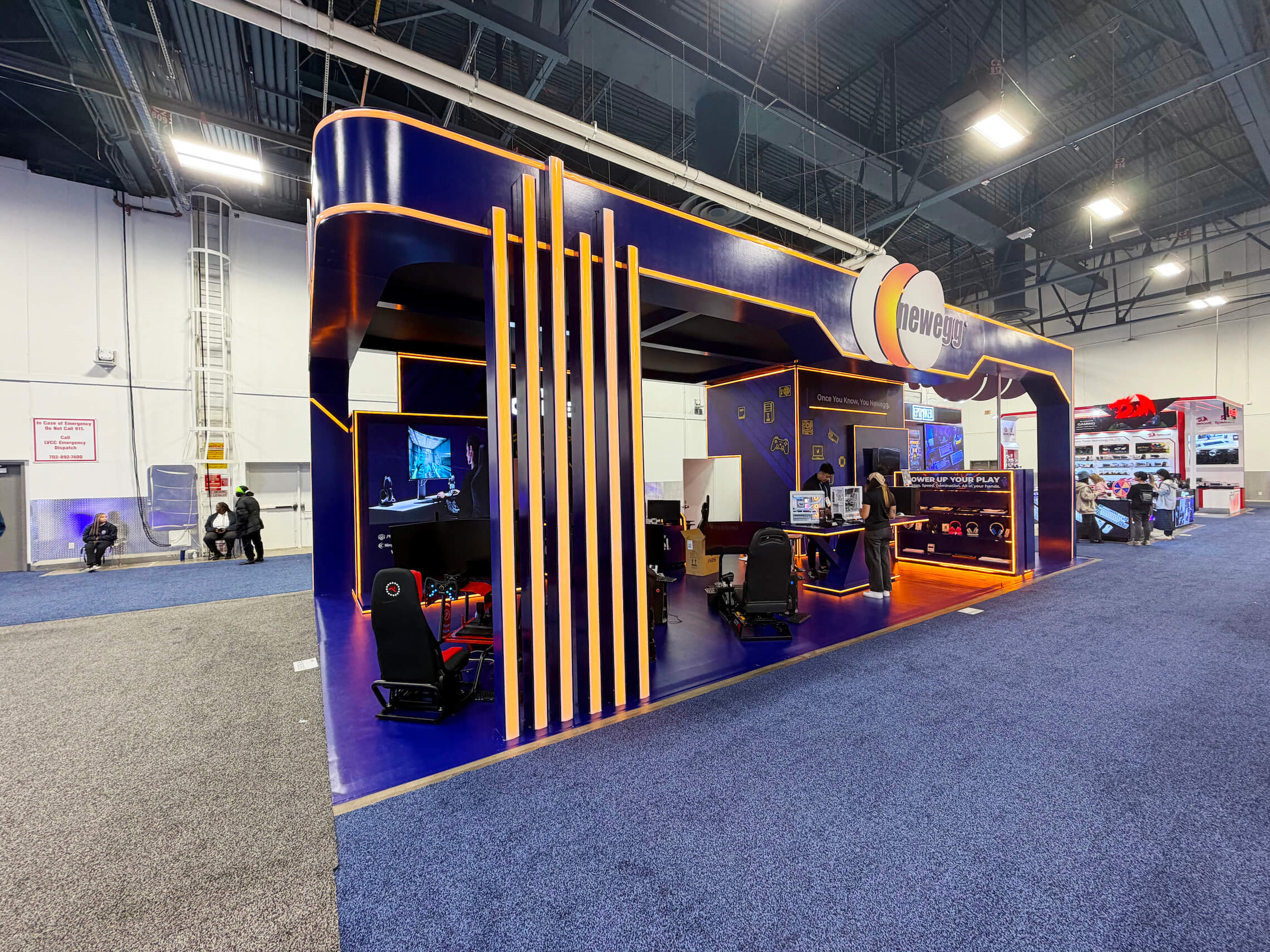
Gaming equipment should enter a G2E booth only when access paths, surrounding booth work, and final placement conditions are ready to avoid unnecessary movement and delays.
Balance Move-In Timing With Demo Readiness
The timing decision is not simply about choosing an early or late arrival. It is about finding the point where gaming equipment can enter without disrupting booth completion while still leaving enough time to prepare the demo experience.
Moving equipment in too early can:
block remaining structure installation;
reduce working access around the booth;
increase repeated handling;
create additional equipment protection requirements;
complicate cable and utility coordination.
For gaming exhibitors, the risk is not only installation delay. Moving equipment after setup can affect calibration, connections, and the consistency of the final demonstration.
Waiting too long creates another challenge. The remaining schedule may not provide enough time to resolve power issues, network problems, demo adjustments, or staff preparation before opening.
For exhibitors preparing at The Venetian Expo, the best arrival window supports both physical installation progress and the technical readiness required for live demonstrations.
The right move-in timing minimizes installation interference without consuming the testing buffer needed for a reliable G2E opening.
Use a Gaming Equipment Arrival Readiness Gate
Before gaming equipment reaches final placement, exhibitors should confirm that the booth has reached a stable stage where the equipment can remain in position through final preparation.
A gaming cabinet should only move into its final location when:
the required access route is clear;
major surrounding booth work no longer requires equipment movement;
final machine positions are confirmed;
electrical and network requirements are ready;
the equipment can remain in place after positioning;
enough time remains for testing and demo preparation.
A gaming cabinet being delivered to the booth does not mean it has reached installation readiness.
The practical test is simple:
If the machine must be moved again to complete surrounding booth work, final placement probably happened too early.
A successful move-in sequence places equipment at the point where the remaining project can continue forward without needing to move backward.
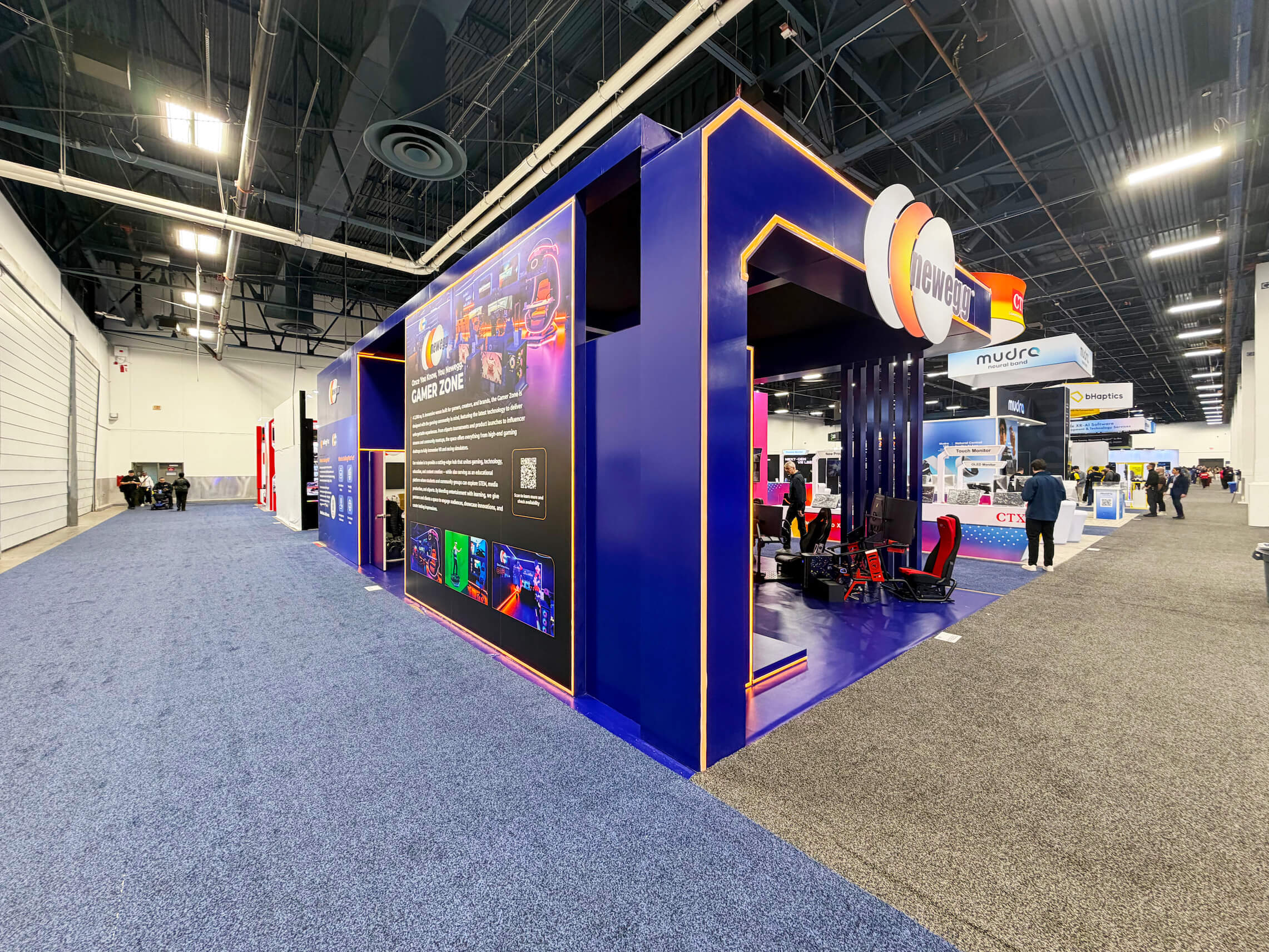
A gaming cabinet reaching the booth does not mean it is ready for visitors. Each stage from placement and connection to testing helps create a reliable show-ready demonstration environment.
Treat Equipment Readiness as a Path From Delivery to Visitor Evaluation
A gaming cabinet inside the booth does not mean the equipment is ready for G2E visitors. Physical placement is only one stage before the system can support real operator interaction.
The equipment readiness path is:
Delivered
→ Placed
→ Powered
→ Connected
→ Booted
→ Tested
→ Reset-Ready
→ Visitor-Ready
Each stage represents a different condition.
A machine can be positioned correctly but still require power, network connection, system startup, content verification, or demo workflow testing before staff can use it with visitors.
The first successful power-on is only one milestone.
A G2E demonstration is ready when staff can run the intended demo workflow, recover the equipment state when needed, and prepare the system for the next visitor interaction.
Placed does not mean powered.
Powered does not mean tested.
Tested once does not mean visitor-ready.
The goal is not simply having gaming equipment inside the booth. The goal is creating a reliable demonstration environment where operators can evaluate the product as intended.
Protect the Testing Window Before Visitor Interaction Begins
Testing time should be treated as a planned project requirement, not as leftover time after installation is complete.
Before G2E opens, exhibitors need enough time to verify:
power;
network connection;
screen and content operation;
login access;
controllers or peripherals;
final equipment position;
staff access;
reset workflow.
Testing should confirm more than whether a gaming cabinet turns on. It should confirm that the team can deliver the intended demo experience, recover the equipment state, and prepare the system for the next visitor interaction.
This coordination often depends on how booth installation, equipment placement, and final preparation are managed through on-site installation and dismantle services.
If every earlier delay is absorbed by testing time, the plan does not actually contain a readiness buffer.
Signs the Equipment Sequence Will Affect the G2E Demo Experience
A move-in sequence can appear on schedule while still creating problems that affect the final visitor experience.
Equipment arrives before the booth can support operation
The gaming cabinet reaches the booth, but access paths, surrounding construction, or working areas are not ready. The result is repeated movement and unnecessary handling.
Equipment reaches final position before the demo environment is stable
The machine may be physically placed, but unfinished booth work, utility changes, or connection adjustments can interrupt preparation.
Equipment becomes operational too late
The team may have enough time to power on the system but not enough time to validate the real demo workflow, prepare staff, or ensure consistent visitor interaction.
A good G2E equipment sequence does not simply move gaming cabinets into the booth. It creates a point where the equipment can support the first operator conversation of the show without requiring last-minute recovery.
FAQ
Should gaming equipment arrive at G2E before booth construction is complete?
Not necessarily. Gaming equipment should enter when the booth can support final placement without disrupting remaining work and while preserving enough time for testing and demo preparation.
What should be ready before a gaming cabinet reaches final placement?
The access route, final equipment location, surrounding booth environment, and required utility positions should be sufficiently resolved so the cabinet does not need to move again during normal booth completion.
When is gaming equipment ready for G2E visitors?
Gaming equipment is ready when it has been placed, powered, connected, booted, tested through the real demo workflow, reset-ready, and staff can consistently support visitor interaction under show-floor conditions.