What Must the Booth Represent Before Partners Join?
Start with the visitor’s task, not the number of organizations seeking booth visibility. A visitor may begin with a broad destination question and quickly move into venue capacity, hotel availability, local access, or meeting support. That shift does not automatically create a separate sales role for every partner.
A venue can supply capacity and availability details while the destination continues to guide the conversation. A hotel can answer accommodation questions without becoming an equal booth brand. Separate partner conversations are justified only when the offers require different next steps and each partner is ready to handle the resulting requests.
Before comparing the three models, answer these questions:
Is the visitor entering one main destination conversation?
Is there one primary next step for most qualified visitors?
Can one team qualify the visitor, route the lead, and send the first response?
If all three answers are yes, the booth can usually operate around one buyer journey. If partners need different conversations, next steps, and response teams, compare a shared model with separately assigned responsibilities.

Compare who leads the booth message, buyer conversation, lead routing, and follow-up before selecting a participation model.
Compare Three Destination Booth Participation Models
The matrix compares who leads the message, who speaks with the buyer, and what happens to the lead after the conversation.
Decision Area | Solo Destination Booth | Shared Partner Booth | Destination-Led Booth With Featured Partners |
|---|---|---|---|
Best Fit | One organization controls the destination story, qualification process, and follow-up. | Two or more partners need distinct buyer conversations and can take responsibility for different requests. | The destination remains primary while venues, hotels, or local partners add specific supporting information. |
Primary Brand | The destination organization. | A documented shared hierarchy or one agreed primary brand. | The destination organization. |
Buyer Conversation | One conversation covering destination fit and the next step. | Separate partner conversations tied to different offers or buyer needs. | The destination qualifies the visitor, then brings in a partner when its information is relevant. |
Partner Autonomy | Partners do not operate as separate sellers in the booth. | Each partner has a defined conversation, scope, and handoff responsibility. | Partners support the destination story rather than competing with it. |
Lead Ownership | The destination receives, categorizes, and manages the initial lead record. | Lead categories, access permissions, consent requirements, and owners are assigned before the show. | The destination receives the lead and routes qualified partner-specific requests. |
Follow-Up Ownership | The destination team sends the first response and continues qualification. | One named organization handles follow-up for each agreed lead category. | The destination responds first; a partner takes over after a qualified handoff. |
What Must Be Confirmed | Exhibitor of record, registrations, and lead-retrieval access. | Co-exhibitor status, partner identity, staffing, branding, data access, and subletting restrictions. | Permission for partners to appear in graphics, staff the booth, or receive routed lead information. |
If the team cannot name a separate conversation and follow-up owner for each participating partner, it is not ready to run a shared booth. Keep the destination primary until those responsibilities and the applicable event rules are clear.
The model names in this article are planning labels, not organizer registration categories. Any choice involving partner identity, staffing, branding, or lead access remains provisional until the organizer confirms the relevant conditions.
What Must Holiday Showcase Confirm?
The preferred model still has to work within Holiday Showcase rules. For the 2026 event, the exhibitor materials use a 10×10 booth as the standard unit, include two full conference registrations, and allow two additional registrations to be purchased. The published rules also limit a 10×10 booth to four representatives and identify a primary company for each space.
Those details establish a staffing baseline, but they do not show that a venue or hotel may participate as an independently identified co-exhibitor. Booth subletting is also prohibited, so a financial or operating agreement between partners should not be treated as organizer approval.
Before presenting partners as part of the exhibit, ask:
Who must be listed as the exhibitor of record or primary company?
Can venue or hotel partners appear by name or logo in booth graphics?
Are partner staff registered under the primary exhibitor or another approved identity?
Do the included and additional registrations cover the planned staffing schedule?
Can partners access lead-retrieval data or opt-in attendee information?
Do co-exhibitor, partner-identification, adjacent-space, or booth-subletting rules apply?
Record each response as confirmed or still open. Do not rely on another event’s rules, a prior-year arrangement, or an informal partner agreement as evidence of approval for Holiday Showcase.
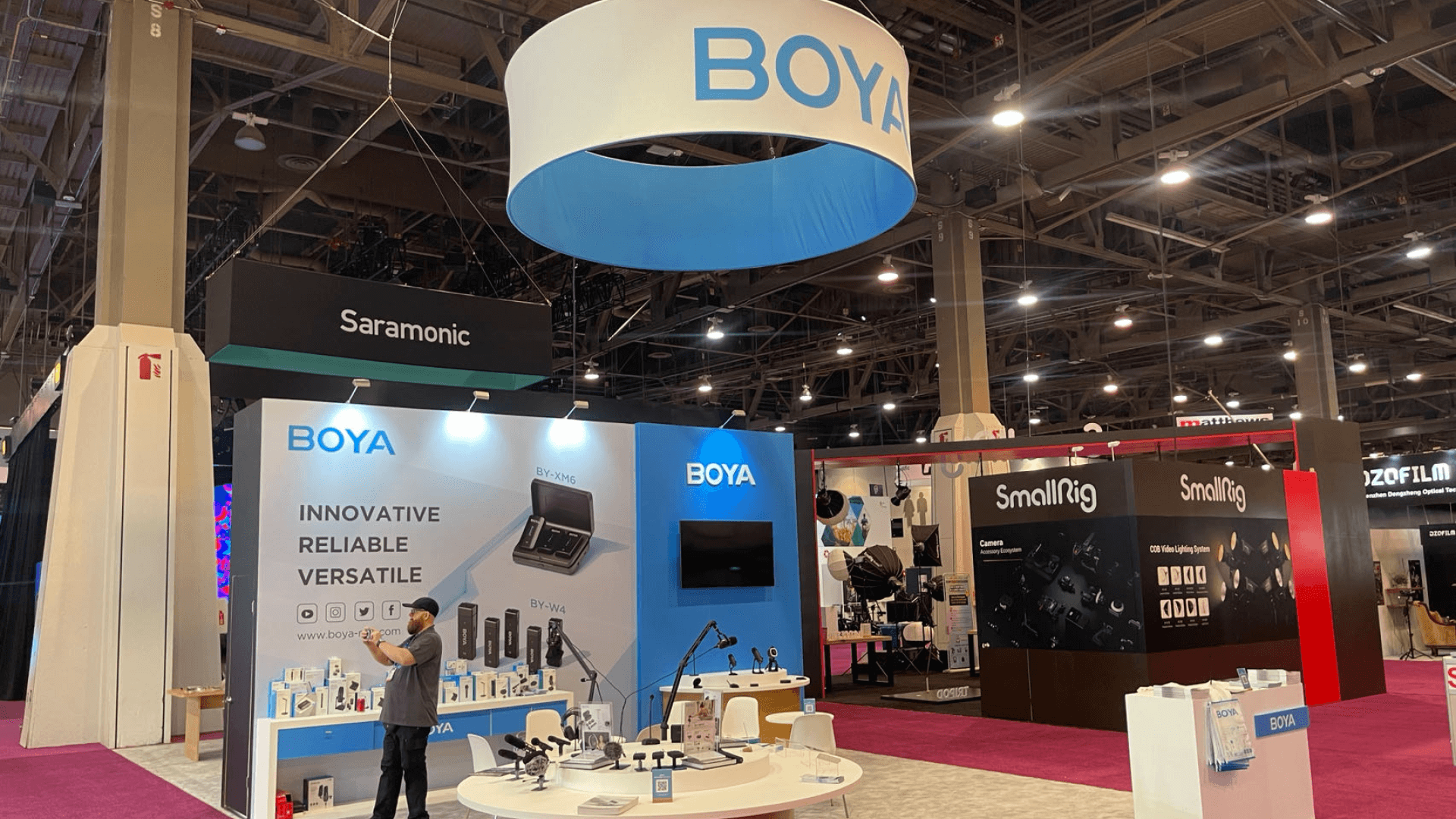
Define the exhibitor of record, primary brand, partner handoff rules, lead owner, and follow-up responsibility before booth design begins.
Assign Brand, Lead, and Follow-Up Responsibility
With the organizer constraints identified—whether confirmed or still open—assign each responsibility to a named organization. Registration status, front-of-booth branding, access to lead data, and post-show responsibility are connected decisions, but one does not automatically determine another.
Responsibility | What the Team Must Record |
|---|---|
Exhibitor of Record | The organization named in the event application and accountable to the organizer. |
Primary Brand | The brand visitors see first and associate with the main booth promise. |
Destination Role | Who presents the overall destination story, asks the first qualifying questions, and sets the primary next step. |
Venue Role | Which capacity, location, availability, or site-visit questions the venue may answer. |
Hotel or DMC Role | Which accommodation, local logistics, attendee experience, or destination-service questions the partner may answer. |
Lead Owner | Who first receives, records, classifies, and manages access to the lead data. |
Follow-Up Owner | Who responds after the show and moves the opportunity forward. |
Partner Handoff Rule | Which request triggers a handoff, such as a venue RFP, room-block discussion, site visit, or partner-specific proposal. |
A partner logo does not create shared brand authority, and joining a buyer conversation does not give that partner access to every lead collected in the booth. Once the roles are clear, the booth graphics and brand presentation can make that hierarchy visible without turning every participating organization into an equal headline.
Stop at role assignment in this article. Logo dimensions, partner-zone sizes, production files, and graphics approval belong in the design and execution stage.
Create a One-Page Destination Participation Brief
Before booth design begins, record the decisions that affect branding, partner participation, lead access, and follow-up. The brief should include:
Participation Model: Will the destination exhibit alone, share responsibility with partners, or remain primary while featuring partners?
Exhibitor and Primary Brand: Who is the exhibitor of record, and which brand should visitors recognize first?
Buyer Journey: What is the main conversation, and what should a qualified visitor do next?
Partner Roles: When should a venue, hotel, or DMC enter the conversation?
Lead Routing: Who receives the lead, and where should venue-, hotel-, or destination-specific requests go?
Follow-Up: Who sends the first response and continues the opportunity?
Organizer Conditions: Which branding, staffing, registration, and data-access questions are confirmed or still open?
Give the brief to a designer or partner who was not in the planning meeting. That person should be able to understand who leads the booth message, when partners become involved, and who handles each lead after the show.
If those answers remain unclear, keep the brief open. Booth size, partner display needs, graphics hierarchy, and rental or custom execution should follow the participation decision, not replace it.
Frequently Asked Questions
Can partners receive separate leads without becoming equal booth owners?
Yes, if the team defines who may view each lead, who responds first, and who handles follow-up. Confirm that the organizer and lead-retrieval system permit the planned access or data transfer; booth ownership alone does not determine lead access.
What must be confirmed before a partner appears in booth materials?
Confirm exhibitor status, partner naming and logo rules, registration allocation, and lead access before production. A partner logo may identify a supporting organization without giving that partner registered co-exhibitor status.
When should a partner conversation move from the booth to a scheduled meeting?
Move it when the buyer needs venue availability, room-block details, an RFP response, a site visit, or a partner-specific proposal. Record the request and name the person or team responsible for the next response before the visitor leaves.
Final Takeaway
If the team still cannot name who controls the booth message, who receives the lead, and who sends the first response, it is not ready to design the booth. Resolve those decisions, along with any unanswered organizer questions, before assigning logo space or partner display areas.