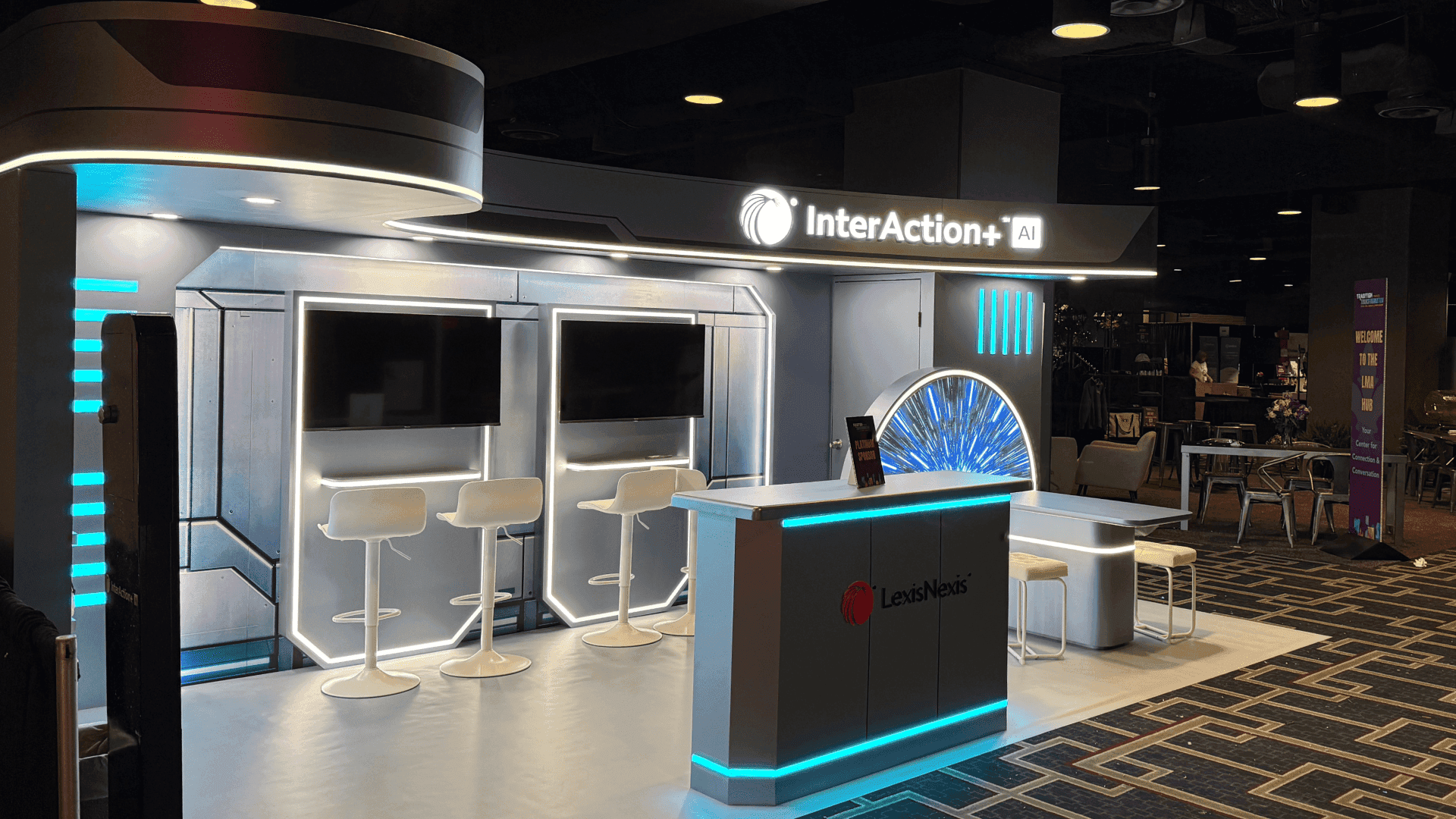
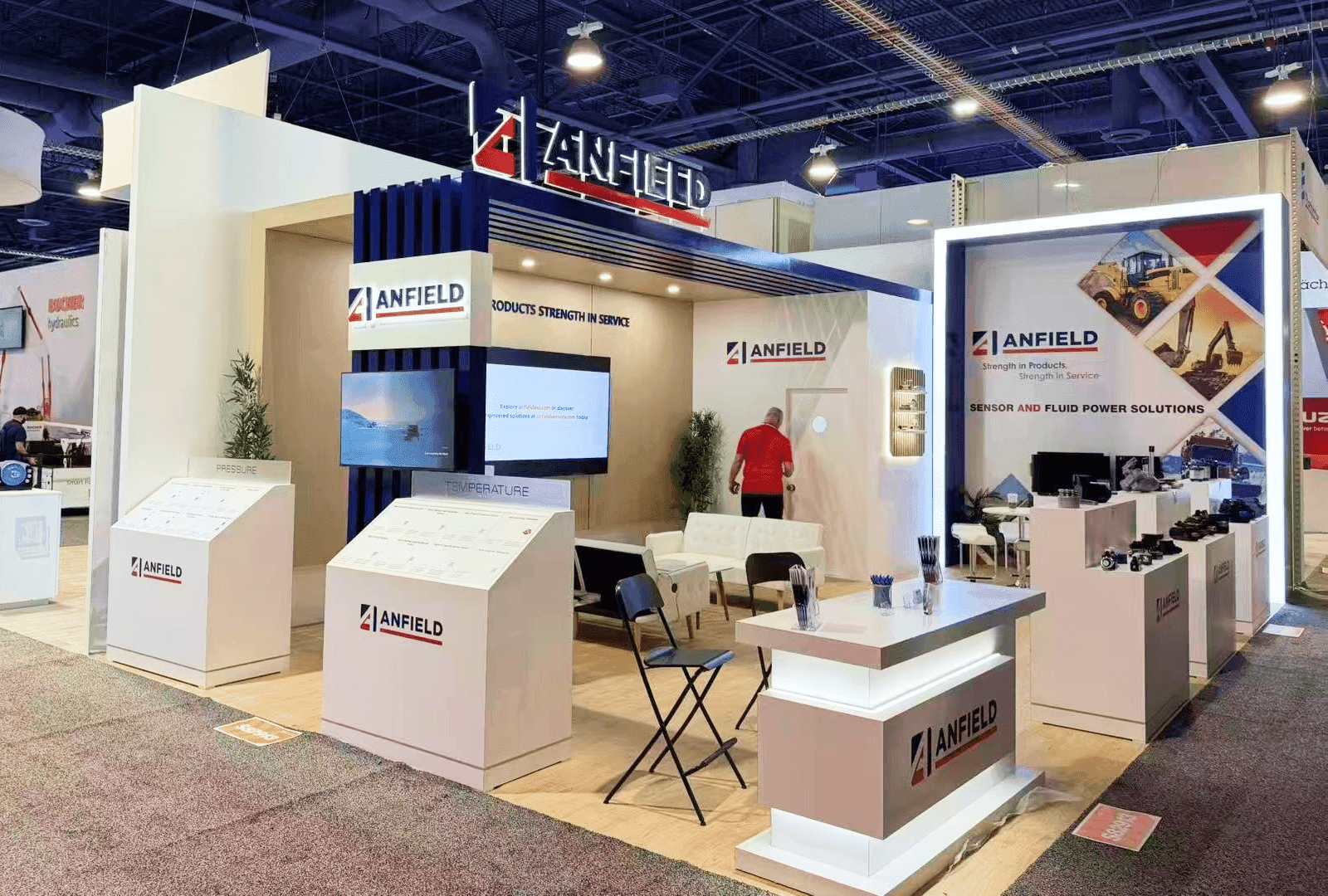
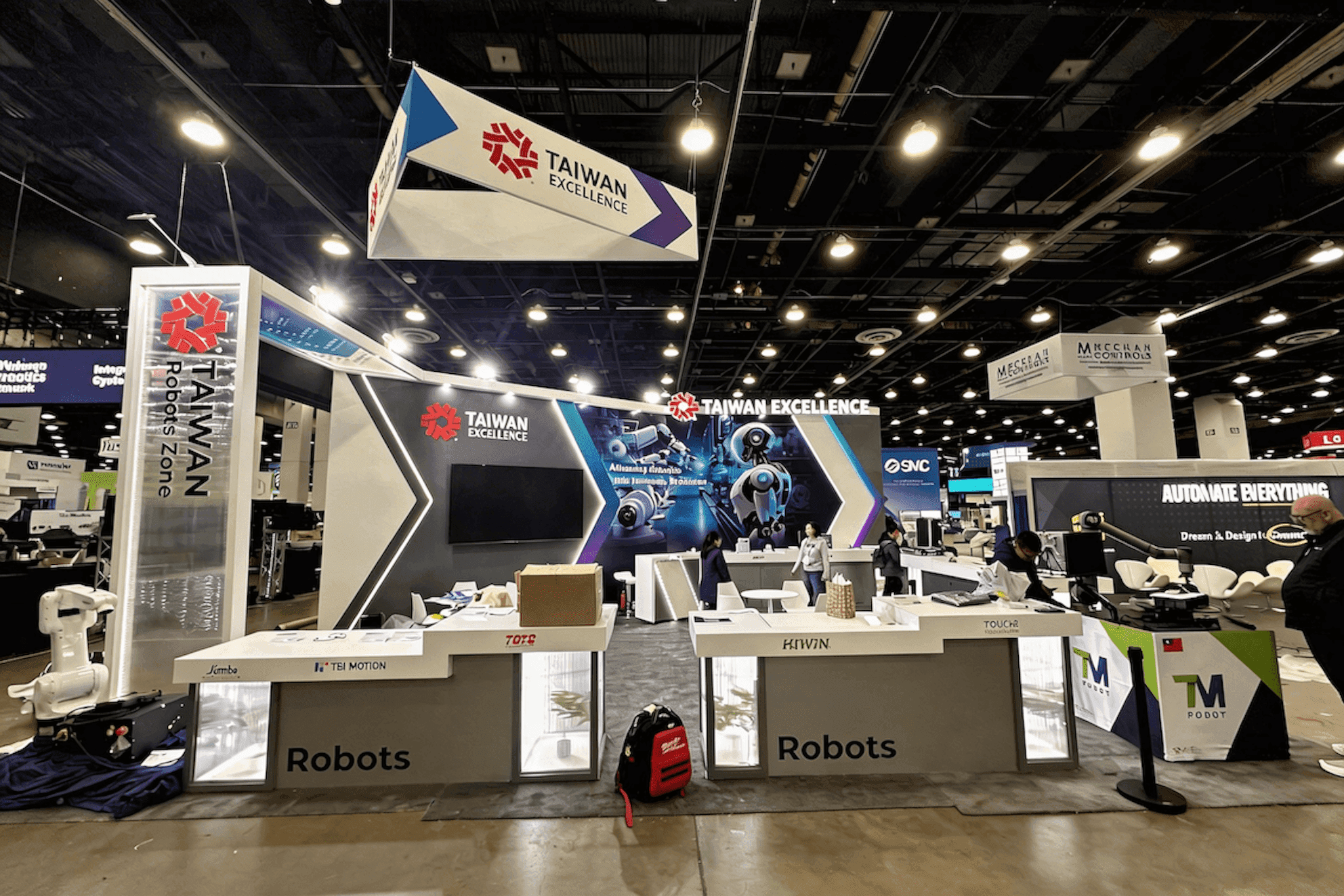
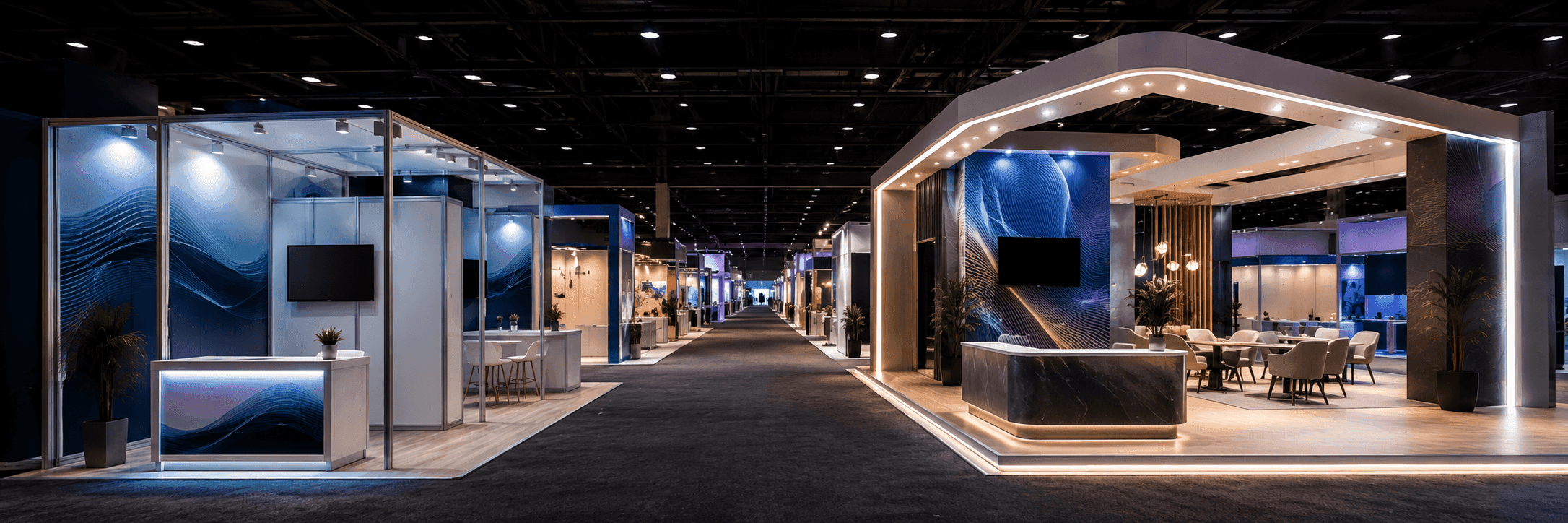
20x20 rental booth layout for a Las Vegas trade show with open corners, branded back wall, front demo counter, compact meeting area, product display shelf, and clear visitor entry

20x20 Booth Rental Planning for Las Vegas Trade Shows

20x20 Booth Rental Planning for Las Vegas Trade Shows

Circle Exhibit Team

Industry professionals

Exhibition industry professional dedicated to delivering the latest insights and curated recommendations to you.

Exhibition industry professional dedicated to delivering the latest insights and curated recommendations to you.

A 20x20 rental booth can support demos, branding, product display, and meetings when each zone is clearly separated. For Las Vegas trade shows, the layout should control open-corner traffic, demo counter placement, branded wall visibility, staff movement, and on-site installation timing.

A 20x20 rental booth can support demos, branding, product display, and meetings when each zone is clearly separated. For Las Vegas trade shows, the layout should control open-corner traffic, demo counter placement, branded wall visibility, staff movement, and on-site installation timing.

A 20x20 rental booth can support demos, branding, product display, and meetings when each zone is clearly separated. For Las Vegas trade shows, the layout should control open-corner traffic, demo counter placement, branded wall visibility, staff movement, and on-site installation timing.

A 20x20 rental booth gives exhibitors more freedom than a small inline booth, but it also creates more traffic decisions.

With 400 square feet, the booth can support a demo counter, branded back wall, product display, compact meeting area, hidden storage, and multiple entry points. But if those zones are not separated clearly, the booth can feel crowded as soon as visitors begin entering from more than one side.

For Las Vegas trade shows, a 20x20 rental booth should be planned as a working layout, not just a square footprint.

Quick Answer

A 20x20 rental booth should be planned around open visitor entry, one clear demo counter, a branded wall or visual anchor, compact meeting space, hidden storage, and a clean installation path. In Las Vegas, the layout also needs to account for show-site setup, staff movement, and how visitors enter from multiple aisle directions.

For size-specific planning, 20x20 trade show booth planning should start with how people move through the footprint before counters, furniture, graphics, or storage are placed.

Why Is 20x20 Booth Planning Different From a Basic Rental Layout?

A 20x20 booth is not just a larger version of a 10x20 booth.

It behaves differently because visitors may approach from more than one aisle. Some 20x20 booths have open corners, island-like movement, or multiple visible sides. That means the booth needs to guide people without relying on one front-facing wall.

A basic rental layout may place a counter, wall, and chairs into the space. A stronger 20x20 plan asks better questions:

  • Where do visitors enter first?

  • What should they see from the aisle?

  • Where should the demo happen?

  • Where should staff stand?

  • Where should buyer conversations move?

  • How much open space is needed between zones?

A 20x20 rental booth works best when the layout creates a simple path from attention to interaction to conversation.

How Should Open Corners Affect the Layout?

Open corners create opportunity, but they also create pressure.

When visitors can enter from two or more sides, the booth needs a clear visual anchor. Without one, people may walk through the booth without understanding where to stop.

A strong 20x20 rental layout usually uses one of these anchors:

  • a branded back wall

  • a demo counter facing the main aisle

  • a product display wall

  • a screen or monitor area

  • a central counter with controlled staff access

The open corners should invite entry, not create confusion. If every side tries to be the “front,” the booth may lose direction.

The best approach is to keep entry open while giving visitors one obvious first stop.

Where Should the Demo Counter Go in a 20x20 Rental Booth?

The demo counter should be visible, but it should not block the booth.

In a 20x20 rental booth, the counter often becomes the main working point. It may support product demos, lead capture, touchscreen interaction, samples, catalogs, or short staff explanations.

A good demo counter position should:

  • face the strongest traffic direction

  • leave open space at the corner or aisle edge

  • give staff room behind the counter

  • allow visitors to pause without blocking entry

  • connect visually to the branded wall or screen

  • stay close enough to storage for practical use

The counter should not sit so far forward that visitors stop outside the booth. It should bring people in slightly, then let them continue toward the product or meeting area.

That small movement makes the booth feel more active and less blocked.

20x20 Rental Booth Zone Planning

Booth Zone

Main Role

Best Planning Approach

Open corner / entry

Invite traffic from the aisle

Keep clear and avoid oversized furniture near the edge

Branded wall

Give the booth one visual anchor

Use one main message that reads quickly from the aisle

Demo counter

Create the first interaction point

Place near traffic but not directly across the entry

Product display

Show samples, devices, or applications

Keep selective and close to the demo story

Meeting area

Support short buyer conversations

Use compact seating or a side counter

Storage

Hide staff items and supplies

Build into counters, cabinets, or back-wall areas

Staff path

Let the team move without crossing visitors

Keep behind-counter and side access clear

How Should a Branded Back Wall Work in a 20x20 Rental Booth?

A branded back wall should make the booth readable from the aisle.

In a rental booth, the structure may use modular or reusable components, but the branded wall gives the space its identity. This wall should not carry too many messages. It should explain the company, product category, or demo focus quickly.

For a 20x20 booth, the back wall often works best when it supports the demo counter. The wall tells visitors what the booth is about. The counter gives them a place to ask, test, scan, or watch.

The wall should usually include:

  • one main brand message

  • one product or category cue

  • clean graphic hierarchy

  • enough contrast to read from the aisle

  • space for a screen only if it supports the demo

A strong graphic wall makes the booth feel more custom, even when the structure is rented.

How Much Meeting Space Should a 20x20 Rental Booth Include?

A 20x20 rental booth can support meetings, but the meeting area should stay compact.

This footprint usually does not need a large enclosed meeting room. A small table, two to four chairs, or a standing conversation counter is often more practical. The meeting area should sit away from the main demo counter so serious conversations do not compete with fast visitor traffic.

A meeting zone works best when it supports:

  • short buyer follow-up

  • distributor or partner conversations

  • product fit discussions

  • lead qualification

  • quick proposal or next-step conversations

The meeting area should not take over the booth. If it does, the demo area may become too small and the booth may feel closed from the aisle.

The best 20x20 rental booth keeps meetings useful but not dominant.

How Does Rental Planning Change the 20x20 Footprint?

Rental planning gives the booth more flexibility, but it still needs a size-specific layout.

A 20x20 rental booth may use modular walls, counters, graphic panels, shelving, lighting, flooring, and furniture. These pieces can be configured in different ways, but the layout should still respond to the way 20x20 booths behave.

Good rental booth options for Las Vegas shows should allow exhibitors to adjust:

  • wall placement

  • counter size and direction

  • graphic surfaces

  • product display shelving

  • meeting furniture

  • storage location

  • lighting focus

  • screen placement

The rental structure should support the booth’s traffic logic. It should not force the exhibitor into a generic package.

A 20x20 rental booth feels stronger when the rental system is adapted to the footprint, not dropped into it.

What Happens When Too Many Functions Share the Same Space?

The booth becomes hard to use.

This is one of the most common 20x20 planning problems. Exhibitors often want the booth to support demos, meetings, product display, storage, lead capture, and staff conversations in one compact space. All of those functions may fit physically, but they may not work at the same time.

When too many functions overlap, visitors may:

  • block the demo counter

  • stand too close to meetings

  • miss the product display

  • enter from the wrong side

  • leave without understanding the booth

  • crowd the aisle instead of stepping in

A stronger layout separates the booth into small but clear zones.

The booth does not need more furniture. It needs better boundaries between behaviors.

How Should Four-Side Traffic Be Controlled?

Four-side traffic needs a visual order.

If a 20x20 booth is open on several sides, the layout should help visitors know where to enter and where to stop. This does not mean closing the booth off. It means using the back wall, counter, display shelf, lighting, or flooring to create direction.

A 20x20 booth with open traffic should avoid placing all key elements in the center. A crowded center can make the booth feel difficult to enter.

Instead, the layout can use:

  • one main counter near the front or side

  • one strong branded wall

  • one product display zone

  • open corner space

  • compact meeting area away from the busiest side

  • hidden storage near the staff path

This gives visitors freedom to enter while still making the booth feel intentional.

How Does Las Vegas Show-Site Setup Affect a 20x20 Rental Booth?

A 20x20 rental booth still needs installation planning.

At Las Vegas venues, setup can involve freight movement, drayage timing, labor coordination, electrical access, graphics placement, flooring, lighting, and final booth checks. A rental booth may be faster to install than a fully custom build, but only when the components are organized and the setup sequence is clear.

This is where working with a trade show booth builder in Las Vegas can help connect the booth layout with show-site execution.

For a 20x20 rental booth, the setup plan should clarify:

  • which panels or walls install first

  • where the counter and storage pieces go

  • when graphics are applied

  • where electrical access is needed

  • how lighting is positioned

  • how furniture and product displays are staged

  • what needs to be checked before the show opens

A booth that looks simple can still slow down if the install order is unclear.

Why Installation Support Still Matters for a Rental Booth?

Rental does not remove the need for on-site control.

A 20x20 rental booth still needs walls aligned, graphics fitted, counters placed, lighting adjusted, storage checked, and the demo area prepared. If the booth includes monitors, samples, product shelves, or AV components, the setup needs even more coordination.

On-site installation and dismantle support is especially useful when the booth needs to be ready for visitor traffic quickly and dismantled cleanly after the show.

Installation planning should include:

  • component labeling

  • crew access

  • graphics fit

  • counter placement

  • power and cable access

  • product display setup

  • final cleaning

  • move-out and repacking

A rental booth should save time on-site, not create last-minute confusion.

20x20 Booth Rental Planning Checklist

Before finalizing a 20x20 rental booth, exhibitors should confirm the booth’s behavior first.

Checklist

  • What side or corner will receive the most traffic?

  • What should visitors notice first from the aisle?

  • Where should the demo counter sit?

  • Will the booth need a product display shelf, screen, or sample counter?

  • How many staff members will work inside the booth?

  • Where will short buyer conversations happen?

  • How much storage is needed for staff items and supplies?

  • Can visitors enter from more than one side without confusion?

  • Are graphics readable from the aisle?

  • Where will power or lighting be needed?

  • Can the rental components be installed in a clear sequence?

  • Is there a plan for dismantle and outbound packing?

These questions keep the booth from becoming a square space filled with parts.

They turn the 20x20 footprint into a working exhibit layout.

When Is a 20x20 Rental Booth the Right Fit?

A 20x20 rental booth is the right fit when the exhibitor needs a polished, flexible booth with clear traffic flow and a manageable setup path.

It works well for companies that need:

  • a strong brand wall

  • one focused demo counter

  • compact buyer conversation space

  • product or sample display

  • hidden storage

  • open visitor entry

  • flexible rental structure

  • Las Vegas show-site setup support

It may not be enough if the booth needs several demo stations, a large private meeting room, heavy equipment, or a major product theater.

A 20x20 booth can do a lot, but it should not try to do everything.

What Is the Best Way to Plan a 20x20 Rental Booth?

The best way to plan a 20x20 rental booth is to start with movement.

First, decide where visitors enter. Then decide where they stop. After that, place the demo counter, branded wall, meeting area, storage, and product display around that flow.

A strong 20x20 rental booth should feel open from the aisle, clear at the first stop, and controlled during setup.

For Las Vegas trade shows, that combination matters. The booth has to look ready for visitors, but it also has to be practical for the team installing, operating, and dismantling it.

That is what makes a 20x20 rental booth work.

Planning a 20x20 Rental Booth for a Las Vegas Trade Show?

Start with the 20x20 booth footprint, then match the rental structure to visitor entry, demo counter placement, branded walls, compact meeting space, and Las Vegas show-site setup.


A 20x20 rental booth gives exhibitors more freedom than a small inline booth, but it also creates more traffic decisions.

With 400 square feet, the booth can support a demo counter, branded back wall, product display, compact meeting area, hidden storage, and multiple entry points. But if those zones are not separated clearly, the booth can feel crowded as soon as visitors begin entering from more than one side.

For Las Vegas trade shows, a 20x20 rental booth should be planned as a working layout, not just a square footprint.

Quick Answer

A 20x20 rental booth should be planned around open visitor entry, one clear demo counter, a branded wall or visual anchor, compact meeting space, hidden storage, and a clean installation path. In Las Vegas, the layout also needs to account for show-site setup, staff movement, and how visitors enter from multiple aisle directions.

For size-specific planning, 20x20 trade show booth planning should start with how people move through the footprint before counters, furniture, graphics, or storage are placed.

Why Is 20x20 Booth Planning Different From a Basic Rental Layout?

A 20x20 booth is not just a larger version of a 10x20 booth.

It behaves differently because visitors may approach from more than one aisle. Some 20x20 booths have open corners, island-like movement, or multiple visible sides. That means the booth needs to guide people without relying on one front-facing wall.

A basic rental layout may place a counter, wall, and chairs into the space. A stronger 20x20 plan asks better questions:

  • Where do visitors enter first?

  • What should they see from the aisle?

  • Where should the demo happen?

  • Where should staff stand?

  • Where should buyer conversations move?

  • How much open space is needed between zones?

A 20x20 rental booth works best when the layout creates a simple path from attention to interaction to conversation.

How Should Open Corners Affect the Layout?

Open corners create opportunity, but they also create pressure.

When visitors can enter from two or more sides, the booth needs a clear visual anchor. Without one, people may walk through the booth without understanding where to stop.

A strong 20x20 rental layout usually uses one of these anchors:

  • a branded back wall

  • a demo counter facing the main aisle

  • a product display wall

  • a screen or monitor area

  • a central counter with controlled staff access

The open corners should invite entry, not create confusion. If every side tries to be the “front,” the booth may lose direction.

The best approach is to keep entry open while giving visitors one obvious first stop.

Where Should the Demo Counter Go in a 20x20 Rental Booth?

The demo counter should be visible, but it should not block the booth.

In a 20x20 rental booth, the counter often becomes the main working point. It may support product demos, lead capture, touchscreen interaction, samples, catalogs, or short staff explanations.

A good demo counter position should:

  • face the strongest traffic direction

  • leave open space at the corner or aisle edge

  • give staff room behind the counter

  • allow visitors to pause without blocking entry

  • connect visually to the branded wall or screen

  • stay close enough to storage for practical use

The counter should not sit so far forward that visitors stop outside the booth. It should bring people in slightly, then let them continue toward the product or meeting area.

That small movement makes the booth feel more active and less blocked.

20x20 Rental Booth Zone Planning

Booth Zone

Main Role

Best Planning Approach

Open corner / entry

Invite traffic from the aisle

Keep clear and avoid oversized furniture near the edge

Branded wall

Give the booth one visual anchor

Use one main message that reads quickly from the aisle

Demo counter

Create the first interaction point

Place near traffic but not directly across the entry

Product display

Show samples, devices, or applications

Keep selective and close to the demo story

Meeting area

Support short buyer conversations

Use compact seating or a side counter

Storage

Hide staff items and supplies

Build into counters, cabinets, or back-wall areas

Staff path

Let the team move without crossing visitors

Keep behind-counter and side access clear

How Should a Branded Back Wall Work in a 20x20 Rental Booth?

A branded back wall should make the booth readable from the aisle.

In a rental booth, the structure may use modular or reusable components, but the branded wall gives the space its identity. This wall should not carry too many messages. It should explain the company, product category, or demo focus quickly.

For a 20x20 booth, the back wall often works best when it supports the demo counter. The wall tells visitors what the booth is about. The counter gives them a place to ask, test, scan, or watch.

The wall should usually include:

  • one main brand message

  • one product or category cue

  • clean graphic hierarchy

  • enough contrast to read from the aisle

  • space for a screen only if it supports the demo

A strong graphic wall makes the booth feel more custom, even when the structure is rented.

How Much Meeting Space Should a 20x20 Rental Booth Include?

A 20x20 rental booth can support meetings, but the meeting area should stay compact.

This footprint usually does not need a large enclosed meeting room. A small table, two to four chairs, or a standing conversation counter is often more practical. The meeting area should sit away from the main demo counter so serious conversations do not compete with fast visitor traffic.

A meeting zone works best when it supports:

  • short buyer follow-up

  • distributor or partner conversations

  • product fit discussions

  • lead qualification

  • quick proposal or next-step conversations

The meeting area should not take over the booth. If it does, the demo area may become too small and the booth may feel closed from the aisle.

The best 20x20 rental booth keeps meetings useful but not dominant.

How Does Rental Planning Change the 20x20 Footprint?

Rental planning gives the booth more flexibility, but it still needs a size-specific layout.

A 20x20 rental booth may use modular walls, counters, graphic panels, shelving, lighting, flooring, and furniture. These pieces can be configured in different ways, but the layout should still respond to the way 20x20 booths behave.

Good rental booth options for Las Vegas shows should allow exhibitors to adjust:

  • wall placement

  • counter size and direction

  • graphic surfaces

  • product display shelving

  • meeting furniture

  • storage location

  • lighting focus

  • screen placement

The rental structure should support the booth’s traffic logic. It should not force the exhibitor into a generic package.

A 20x20 rental booth feels stronger when the rental system is adapted to the footprint, not dropped into it.

What Happens When Too Many Functions Share the Same Space?

The booth becomes hard to use.

This is one of the most common 20x20 planning problems. Exhibitors often want the booth to support demos, meetings, product display, storage, lead capture, and staff conversations in one compact space. All of those functions may fit physically, but they may not work at the same time.

When too many functions overlap, visitors may:

  • block the demo counter

  • stand too close to meetings

  • miss the product display

  • enter from the wrong side

  • leave without understanding the booth

  • crowd the aisle instead of stepping in

A stronger layout separates the booth into small but clear zones.

The booth does not need more furniture. It needs better boundaries between behaviors.

How Should Four-Side Traffic Be Controlled?

Four-side traffic needs a visual order.

If a 20x20 booth is open on several sides, the layout should help visitors know where to enter and where to stop. This does not mean closing the booth off. It means using the back wall, counter, display shelf, lighting, or flooring to create direction.

A 20x20 booth with open traffic should avoid placing all key elements in the center. A crowded center can make the booth feel difficult to enter.

Instead, the layout can use:

  • one main counter near the front or side

  • one strong branded wall

  • one product display zone

  • open corner space

  • compact meeting area away from the busiest side

  • hidden storage near the staff path

This gives visitors freedom to enter while still making the booth feel intentional.

How Does Las Vegas Show-Site Setup Affect a 20x20 Rental Booth?

A 20x20 rental booth still needs installation planning.

At Las Vegas venues, setup can involve freight movement, drayage timing, labor coordination, electrical access, graphics placement, flooring, lighting, and final booth checks. A rental booth may be faster to install than a fully custom build, but only when the components are organized and the setup sequence is clear.

This is where working with a trade show booth builder in Las Vegas can help connect the booth layout with show-site execution.

For a 20x20 rental booth, the setup plan should clarify:

  • which panels or walls install first

  • where the counter and storage pieces go

  • when graphics are applied

  • where electrical access is needed

  • how lighting is positioned

  • how furniture and product displays are staged

  • what needs to be checked before the show opens

A booth that looks simple can still slow down if the install order is unclear.

Why Installation Support Still Matters for a Rental Booth?

Rental does not remove the need for on-site control.

A 20x20 rental booth still needs walls aligned, graphics fitted, counters placed, lighting adjusted, storage checked, and the demo area prepared. If the booth includes monitors, samples, product shelves, or AV components, the setup needs even more coordination.

On-site installation and dismantle support is especially useful when the booth needs to be ready for visitor traffic quickly and dismantled cleanly after the show.

Installation planning should include:

  • component labeling

  • crew access

  • graphics fit

  • counter placement

  • power and cable access

  • product display setup

  • final cleaning

  • move-out and repacking

A rental booth should save time on-site, not create last-minute confusion.

20x20 Booth Rental Planning Checklist

Before finalizing a 20x20 rental booth, exhibitors should confirm the booth’s behavior first.

Checklist

  • What side or corner will receive the most traffic?

  • What should visitors notice first from the aisle?

  • Where should the demo counter sit?

  • Will the booth need a product display shelf, screen, or sample counter?

  • How many staff members will work inside the booth?

  • Where will short buyer conversations happen?

  • How much storage is needed for staff items and supplies?

  • Can visitors enter from more than one side without confusion?

  • Are graphics readable from the aisle?

  • Where will power or lighting be needed?

  • Can the rental components be installed in a clear sequence?

  • Is there a plan for dismantle and outbound packing?

These questions keep the booth from becoming a square space filled with parts.

They turn the 20x20 footprint into a working exhibit layout.

When Is a 20x20 Rental Booth the Right Fit?

A 20x20 rental booth is the right fit when the exhibitor needs a polished, flexible booth with clear traffic flow and a manageable setup path.

It works well for companies that need:

  • a strong brand wall

  • one focused demo counter

  • compact buyer conversation space

  • product or sample display

  • hidden storage

  • open visitor entry

  • flexible rental structure

  • Las Vegas show-site setup support

It may not be enough if the booth needs several demo stations, a large private meeting room, heavy equipment, or a major product theater.

A 20x20 booth can do a lot, but it should not try to do everything.

What Is the Best Way to Plan a 20x20 Rental Booth?

The best way to plan a 20x20 rental booth is to start with movement.

First, decide where visitors enter. Then decide where they stop. After that, place the demo counter, branded wall, meeting area, storage, and product display around that flow.

A strong 20x20 rental booth should feel open from the aisle, clear at the first stop, and controlled during setup.

For Las Vegas trade shows, that combination matters. The booth has to look ready for visitors, but it also has to be practical for the team installing, operating, and dismantling it.

That is what makes a 20x20 rental booth work.

Planning a 20x20 Rental Booth for a Las Vegas Trade Show?

Start with the 20x20 booth footprint, then match the rental structure to visitor entry, demo counter placement, branded walls, compact meeting space, and Las Vegas show-site setup.


Message

Leave your message and we will get back to you ASAP

Send a Message

We’ll Be in Touch!

Message

Leave your message and we will get back to you ASAP

Address:

4915 Steptoe Street #300

Las Vegas, NV 89122