
Custom Exhibit Design in Las Vegas
A booth concept in Las Vegas has to do more than look good on screen. It has to fit the venue, support the way the team works on site, and move cleanly into fabrication and installation.
We design custom exhibits around layout, traffic flow, branding, storage, and buildability. The goal is simple: create a booth that is clear in concept and practical on the show floor.
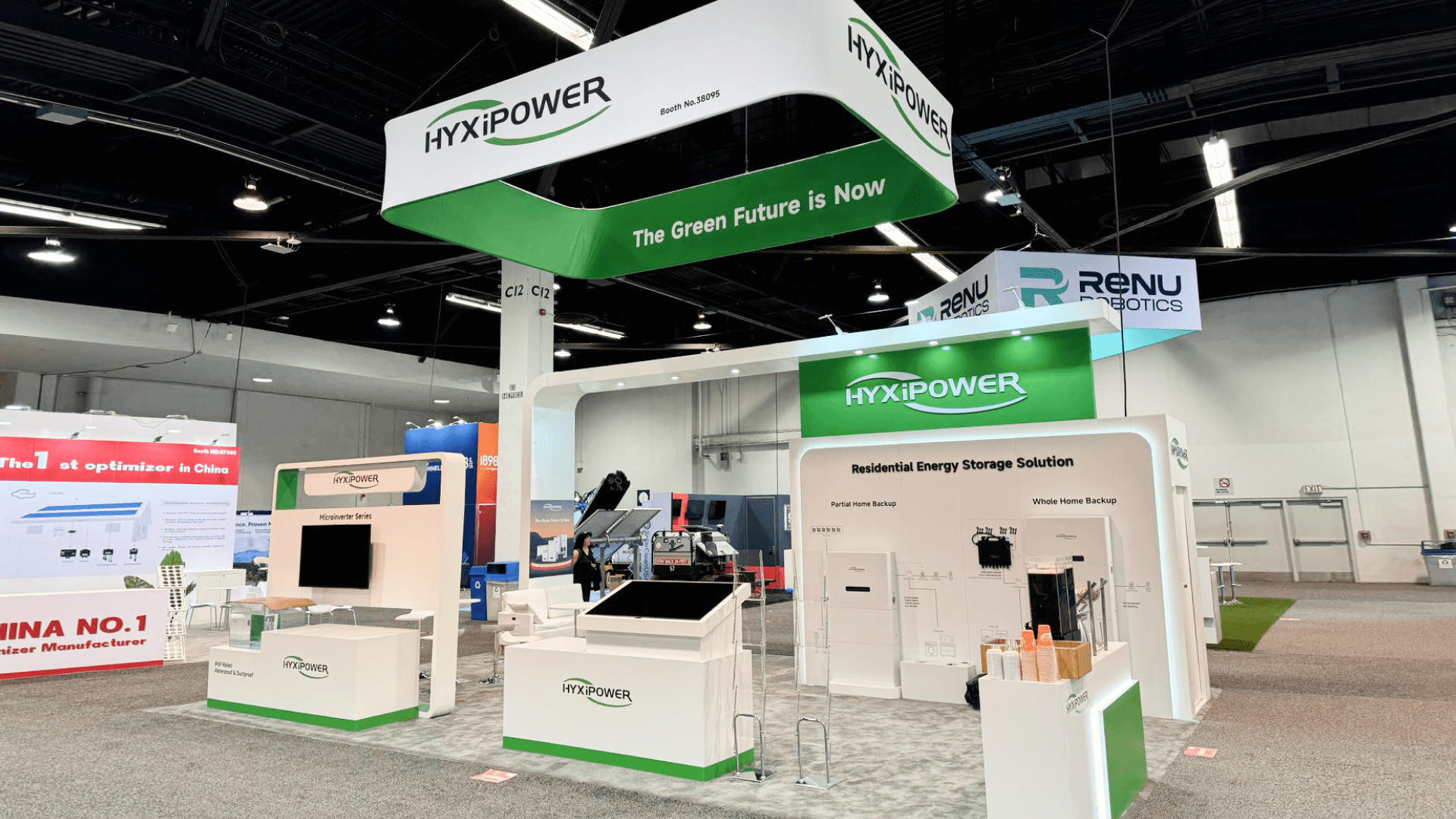
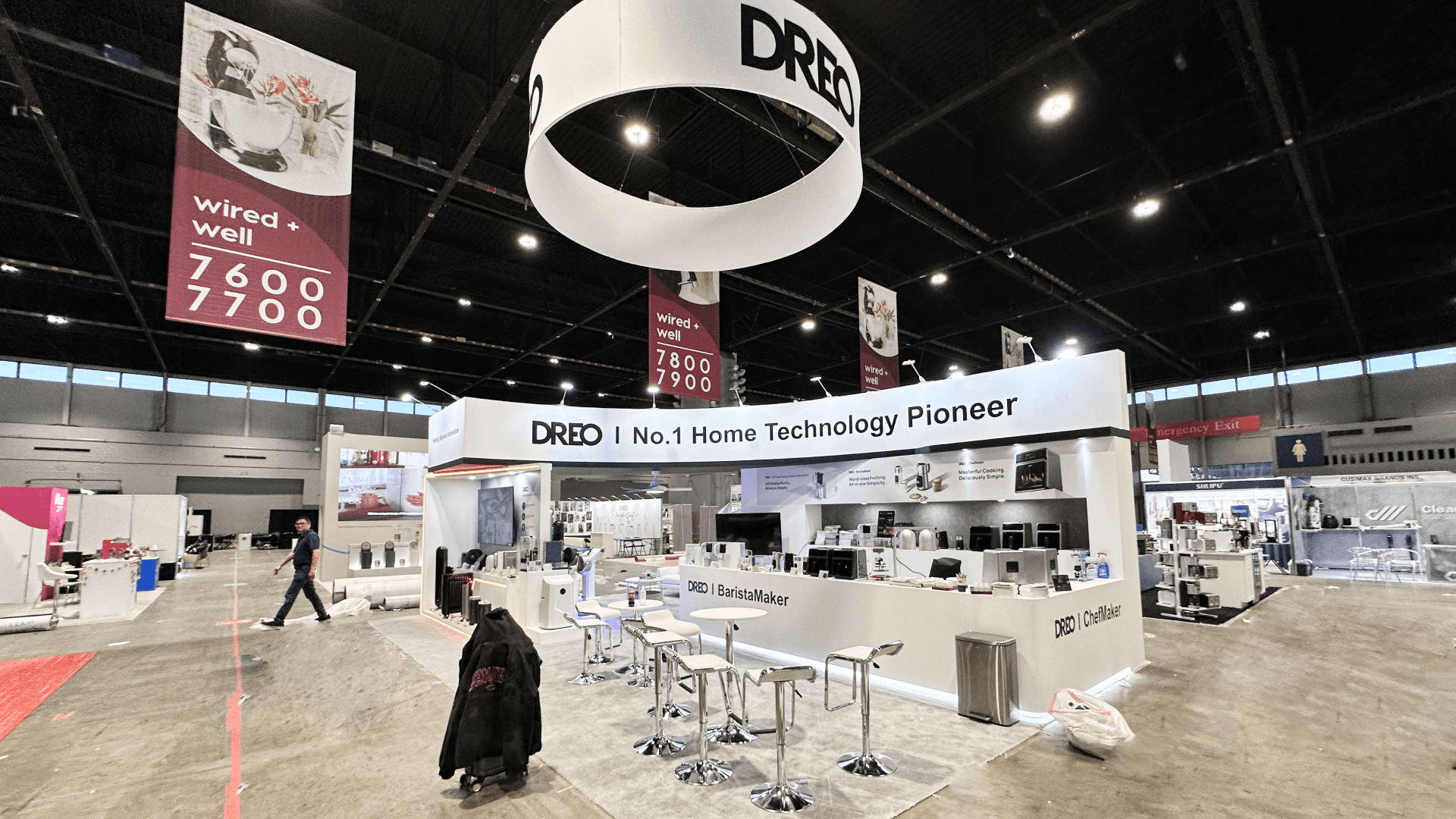
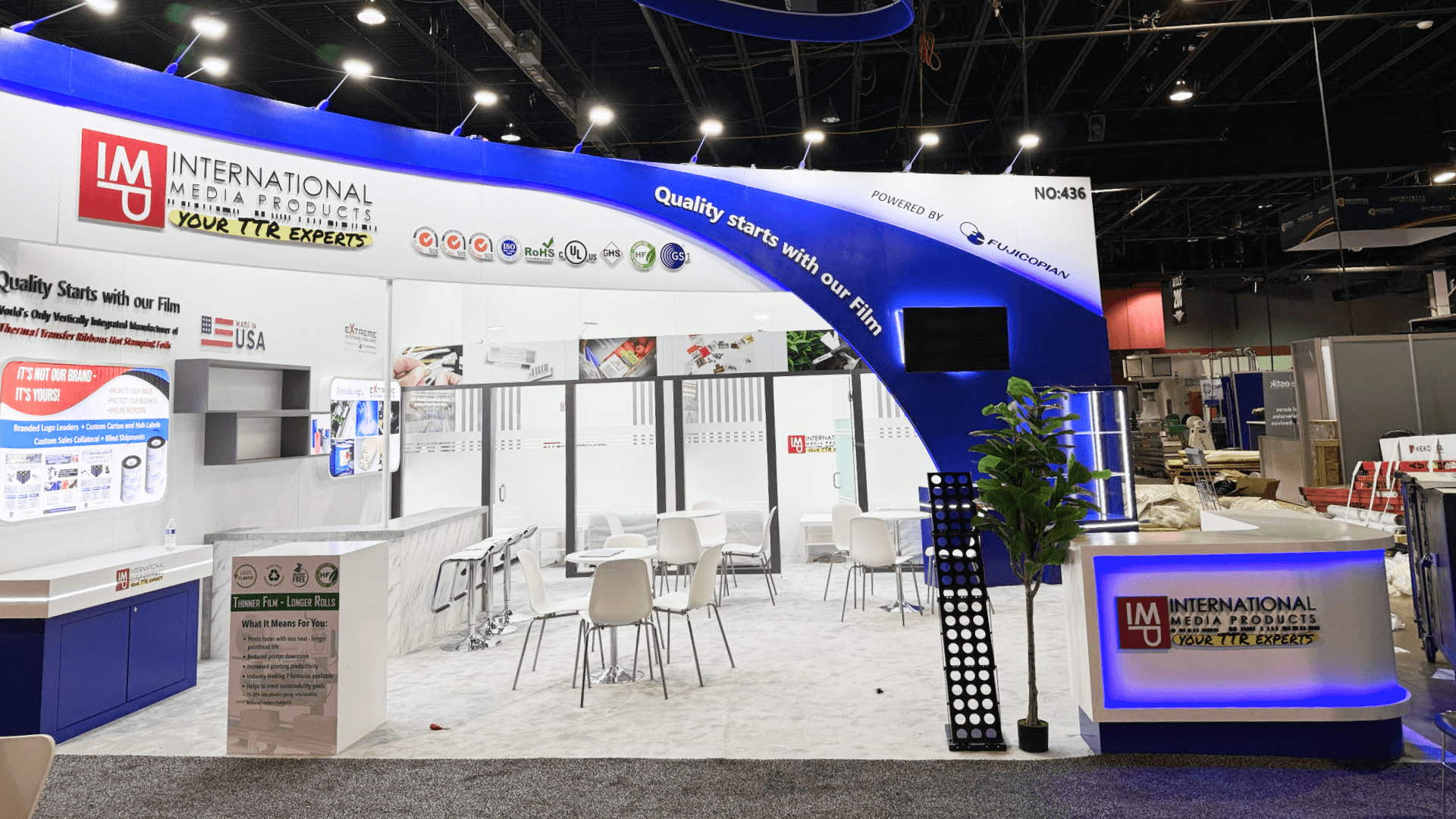

What does custom exhibit design in Las Vegas include?
Custom exhibit design in Las Vegas includes booth size planning, venue-aware layout decisions, product display zones, demo areas, brand graphics, meeting space, storage, visitor flow, technical handoff, and show-site setup planning. A strong design should not only look good in a rendering. It should be practical to build, ship, install, staff, and use during the show.
Design Starts With the Venue
Hall conditions shape the design
Exhibit design in Las Vegas should start with the venue before it starts with finishes or styling. Ceiling height, hanging sign limitations, freight access, electrical access, floor loading, and move-in timing all affect what a booth can realistically become.
A rendering may look polished, but if those constraints are ignored too early, the booth often becomes harder to fabricate and slower to install.
Different venues create different design pressure
LVCC often calls for stronger traffic planning and clearer logistics thinking. Venetian Expo usually puts more pressure on visibility, compact layouts, and product presentation. Mandalay Bay projects often need better coordination between structure, storage, and demo flow.
Good design does not adapt to those issues at the end. It accounts for them at the beginning.
Design should reflect how the booth will be used
A booth built for product interaction needs different planning from one built around meetings or presentations. Storage, staff movement, and visitor flow should be part of the design conversation from the start, not treated as afterthoughts.
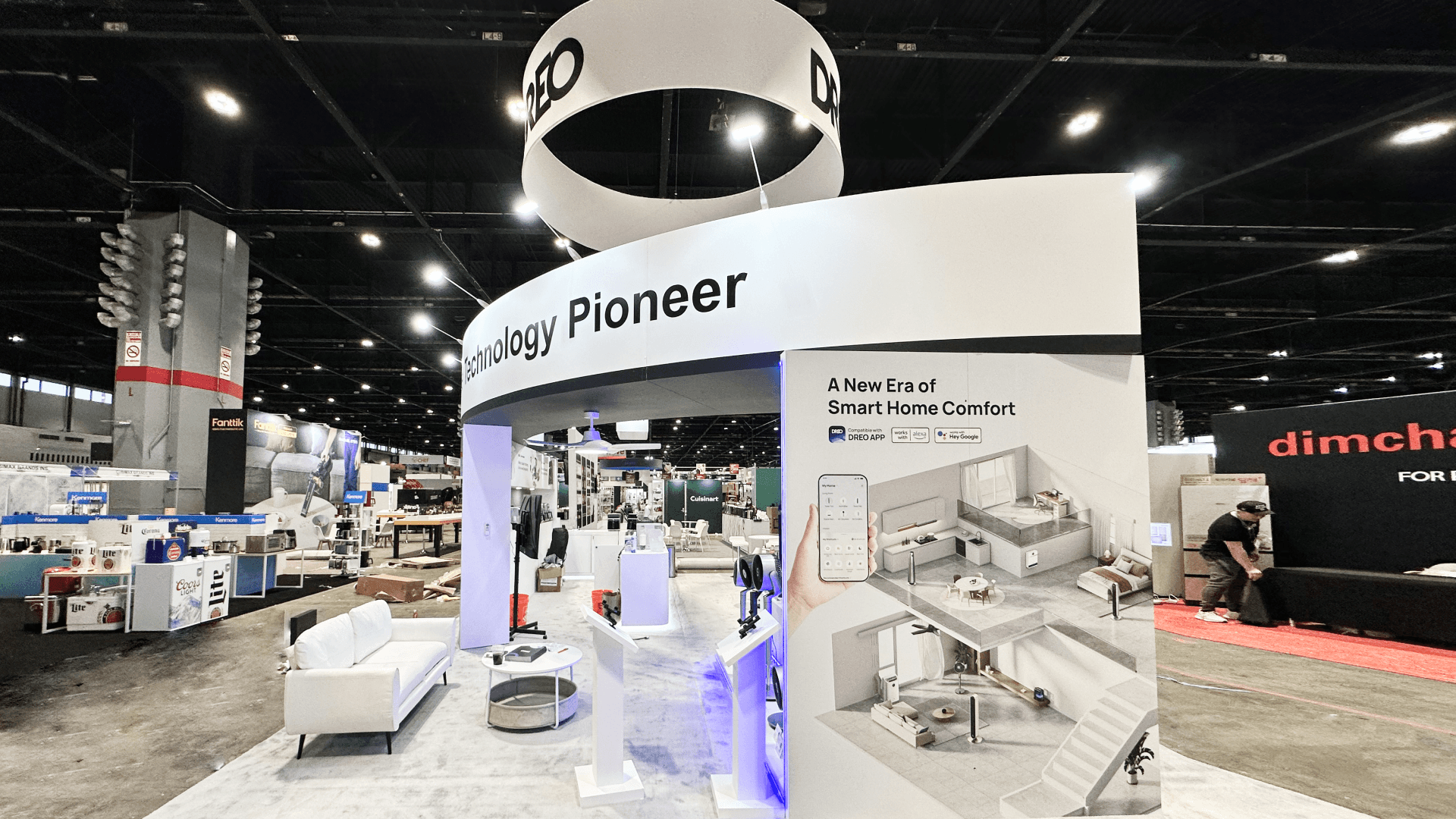
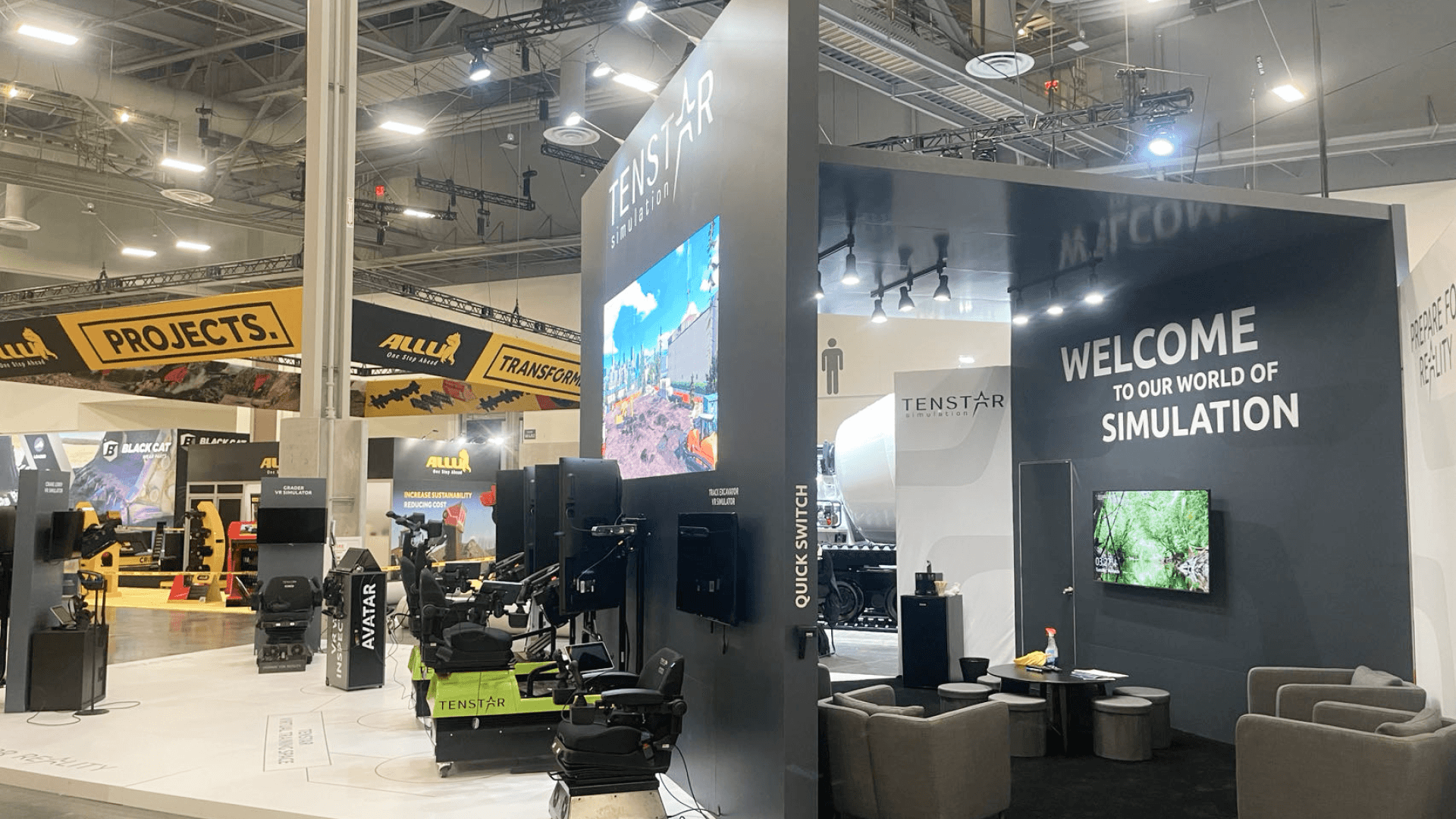
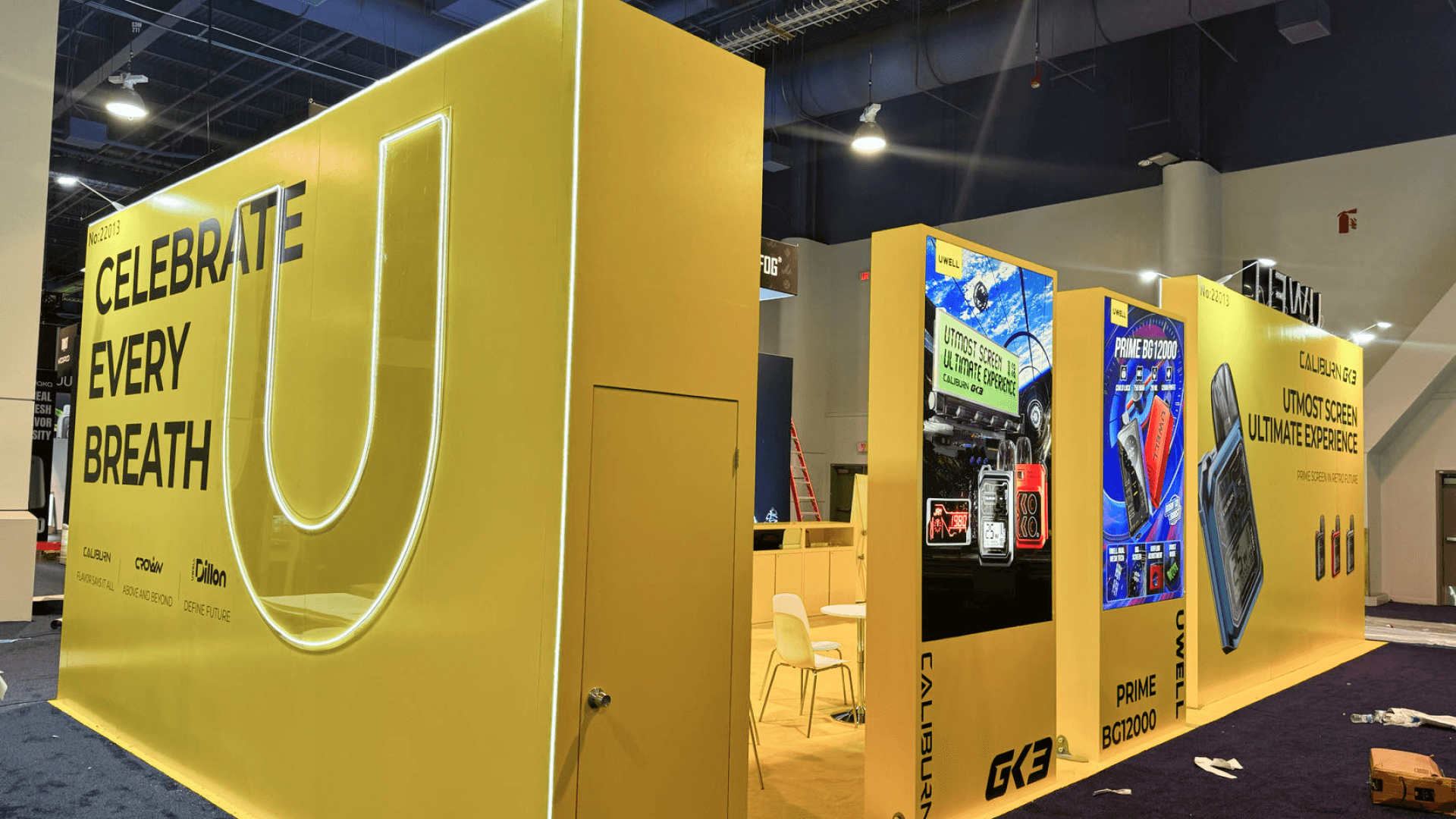
What Good Design Needs to Solve
It has to support real booth activity
Some booths need to stop traffic from the aisle. Others need to support product demos, private meetings, or repeated interaction throughout the day. Design only works when it reflects what the exhibitor actually needs the booth to do.
That means planning around entry points, product placement, graphic visibility, and the way visitors move through the space.
It has to balance visibility and function
A booth can look clean and still work poorly if the layout is too tight, storage is missing, or staff circulation is awkward. The strongest custom exhibit design in Las Vegas balances brand presence with practical use.
That usually means solving more than one problem at a time: visibility, movement, storage, demo space, and operational flow.
It has to match the industry
Different industries ask for different design logic. Machinery displays need stronger planning around weight, access, and viewing angles. Beauty and wellness booths often rely more on open display, product grouping, and visual finish. Technology booths usually need cleaner demo flow, screen placement, and cable management.
The design should match the product, not just the mood board.






Custom Exhibit Design Project References
Real booth references help exhibitors see how custom exhibit design changes across booth sizes, product types, demo needs, meeting areas, graphics, storage, and show-site setup. These examples show how design direction becomes a booth that can work on the trade show floor.
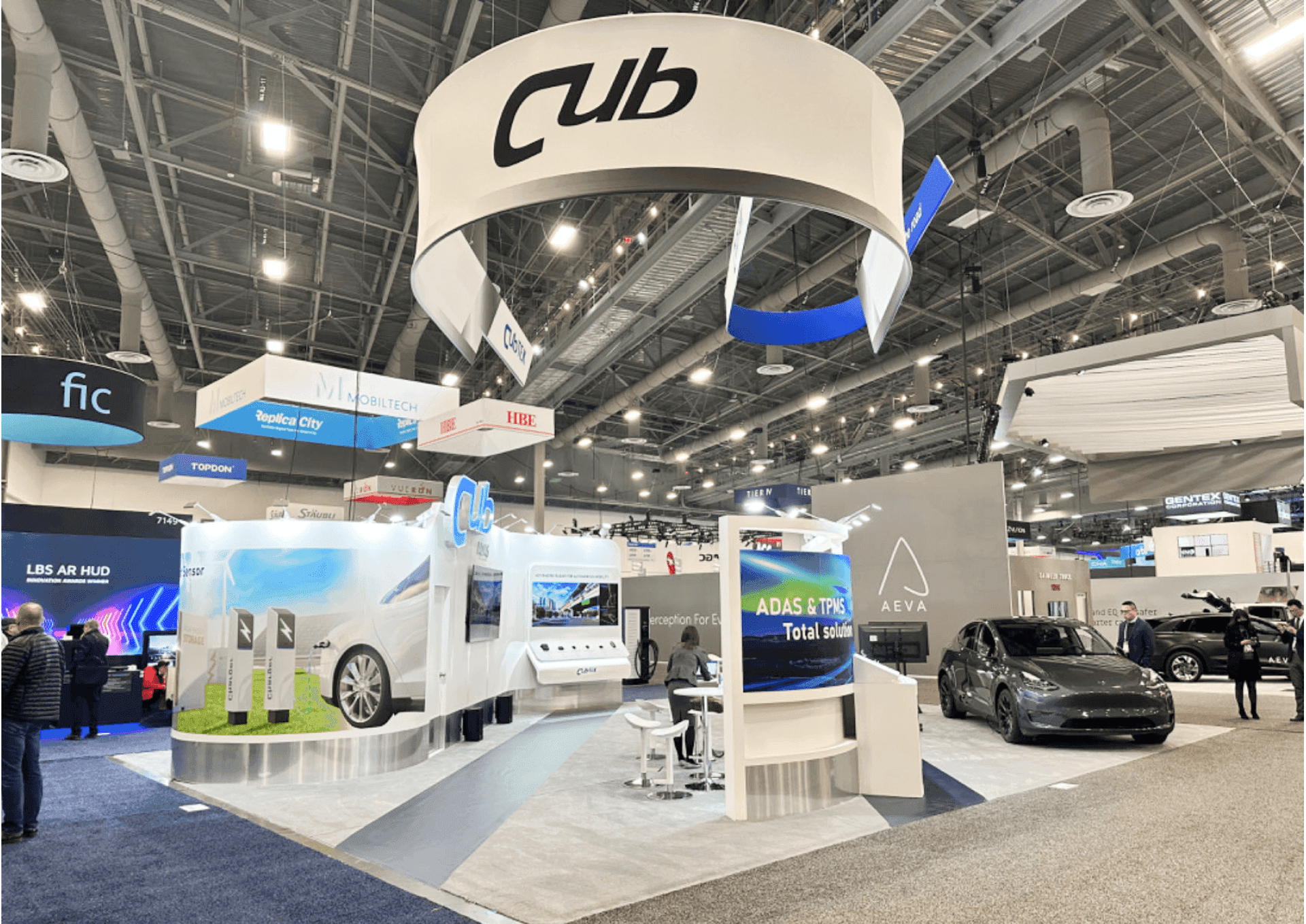
CUB-TEK CES 2024 Large Island Exhibit Design
A large island booth reference with overhead branding, vehicle display space, product demo areas, and open visitor circulation.
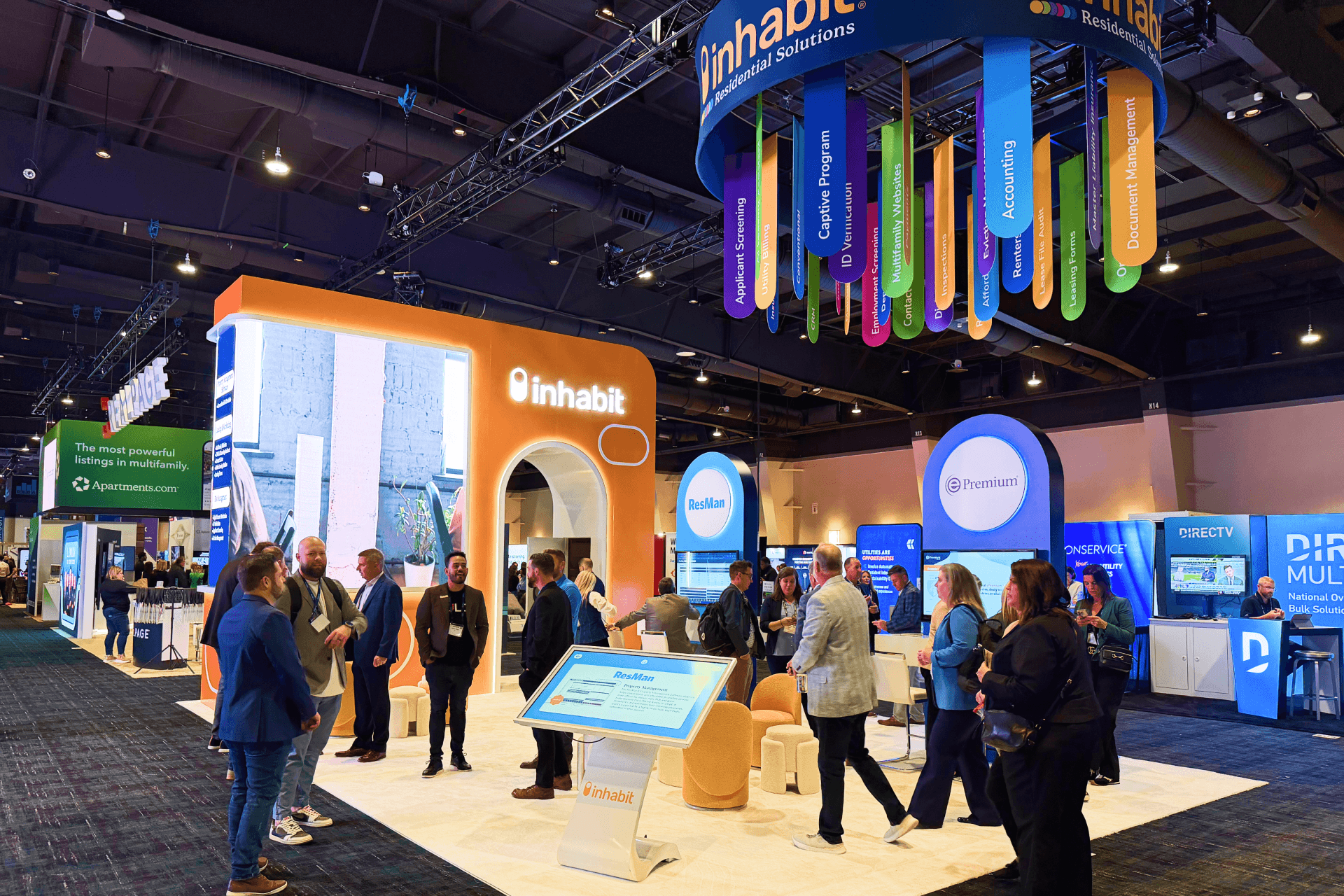
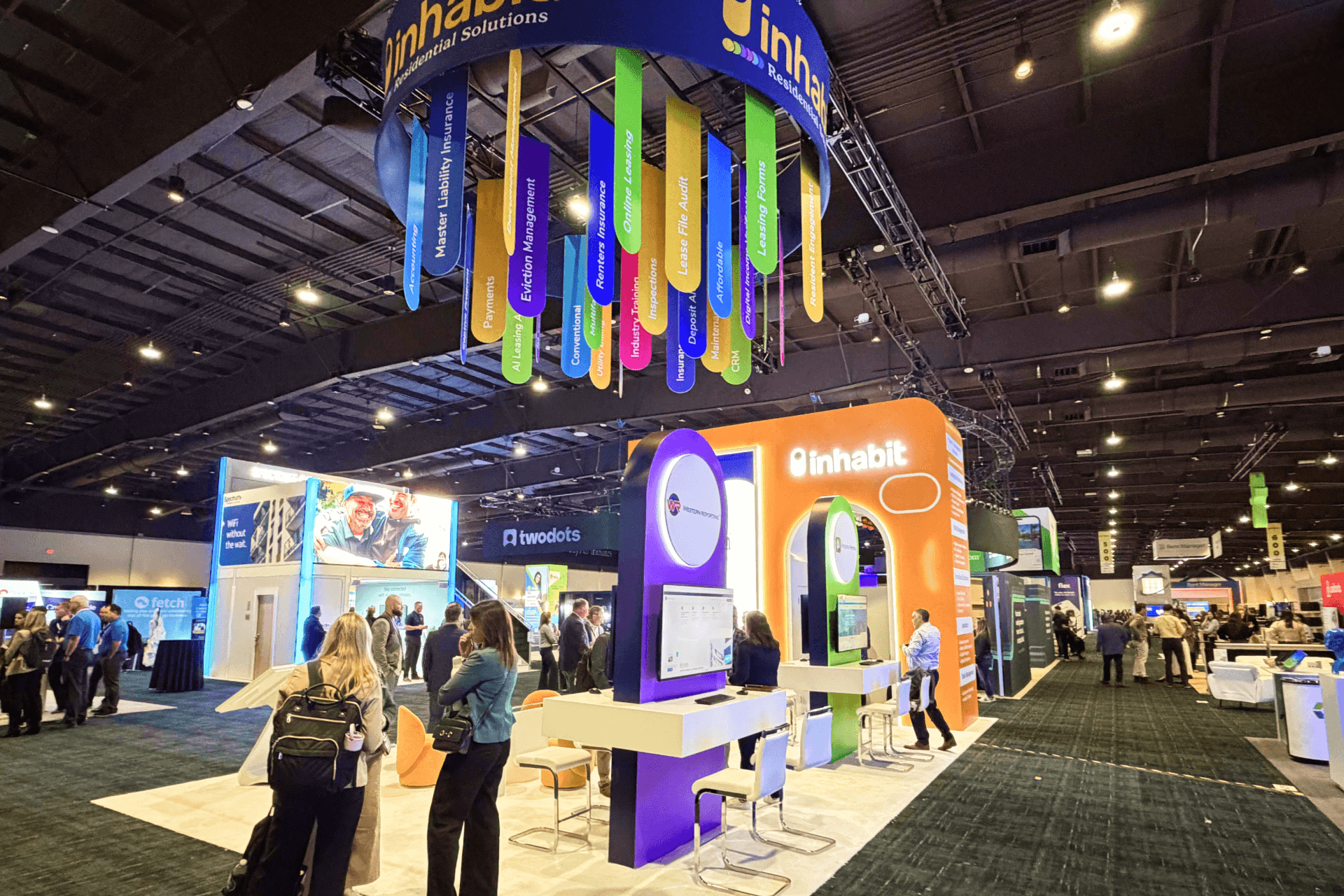
Inhabit OPTECH 2025 20x30 Demo Booth Design
A 20x30 booth reference with software demo pods, overhead wayfinding, branded structure, and high-traffic meeting flow.
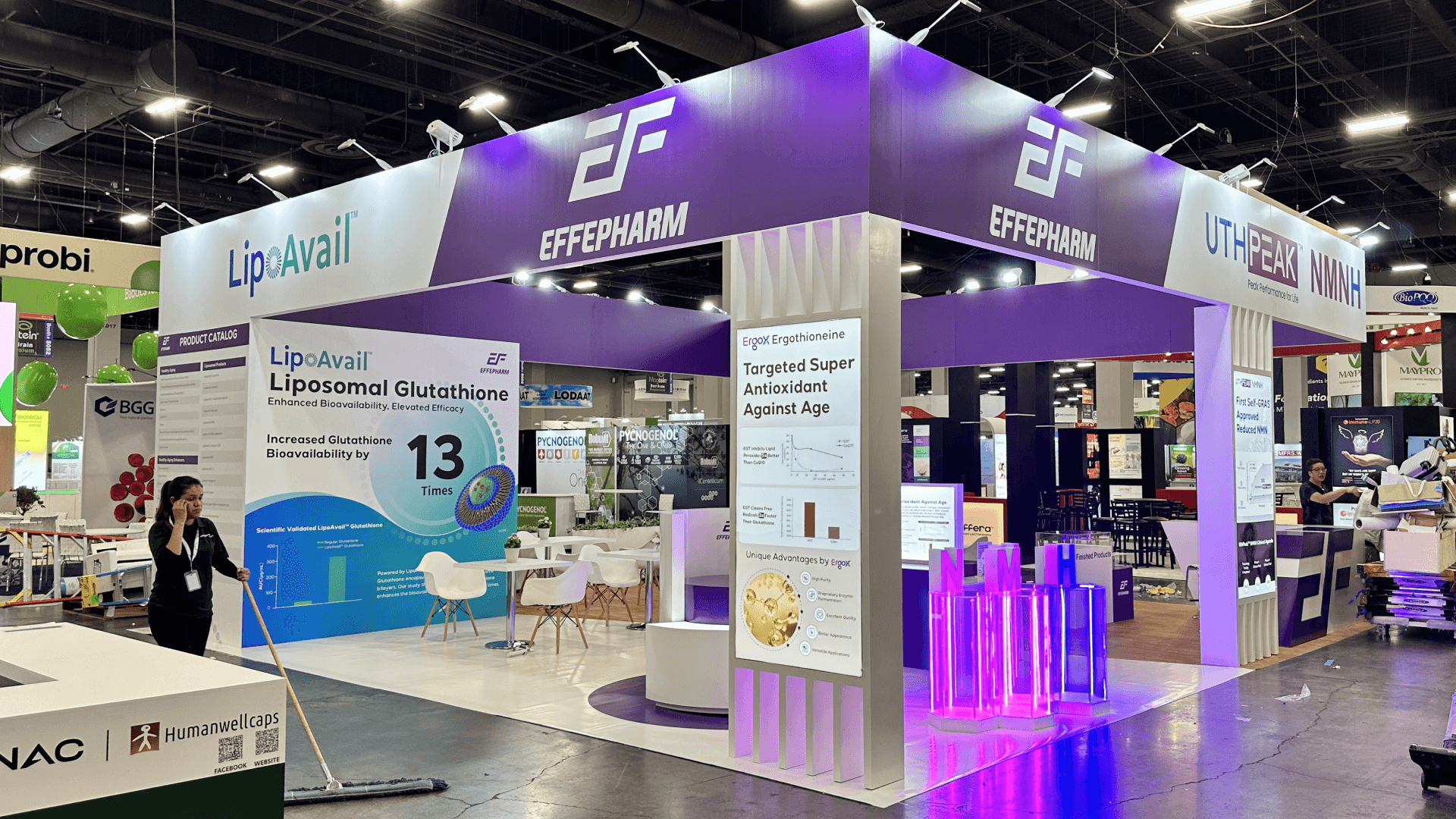
EF SupplySide West 2024 30x30 Product Display Booth
A 30x30 large island booth reference with product display zones, meeting areas, overhead branding, and multi-sided visibility.
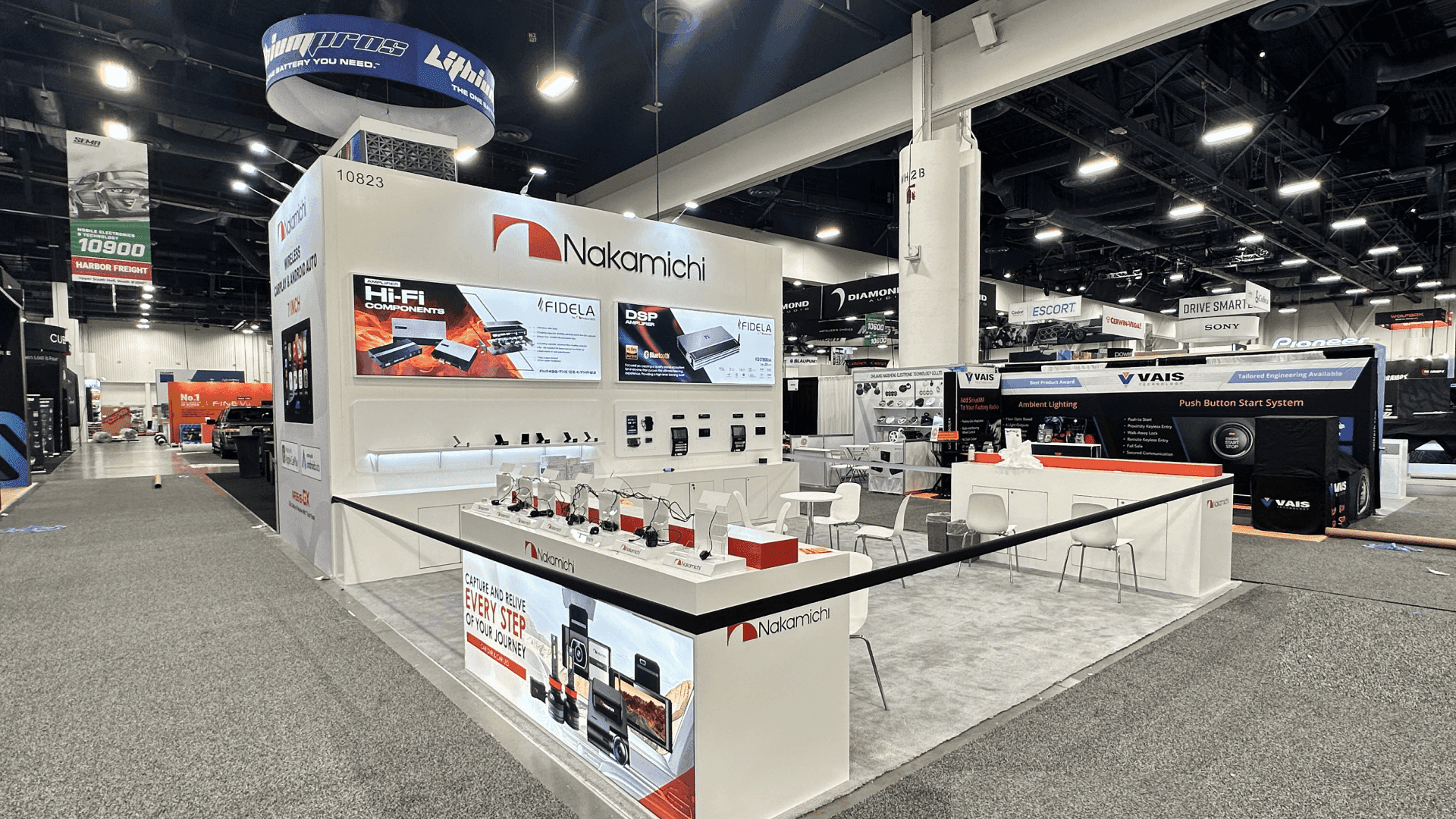
Nakamichi SEMA 2024 20x20 Product Display Booth
A 20x20 booth reference with product display walls, branded counters, overhead visibility, and a simple meeting layout.

Taiwan Excellence Automate 2025 20x30 Demo Pavilion
A 20x30 pavilion reference with robotics demo stations, open center circulation, strong branding, and clear product storytelling.
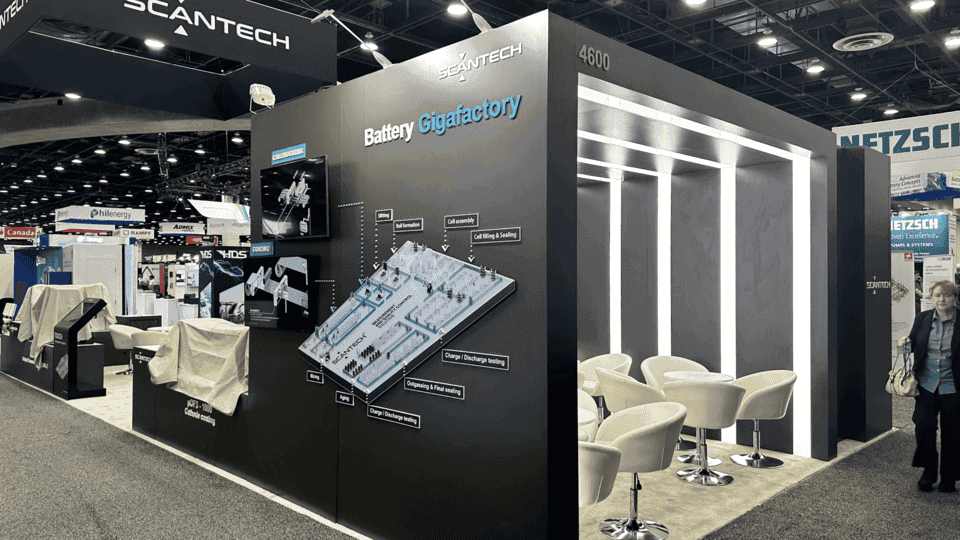
SCANTECH Battery Show 2024 20x40 Technical Product Booth
A 20x40 technical booth reference with industrial product displays, process graphics, meeting space, and structured visitor flow.
Custom Exhibit Design vs. Rental Booth Planning vs. Build Execution
Custom exhibit design is the planning stage that defines how the booth should look, function, and support the exhibitor’s goals. It connects the brand idea with booth size, visitor flow, product displays, graphics, storage, and show-site requirements.
Custom Exhibit Design
Use this when the booth needs a clear layout, design direction, product display plan, meeting flow, graphics system, and build-ready concept before production.
Trade Show Booth Rental
A rental booth may be a better fit when the exhibitor needs branded graphics, counters, screens, product displays, and a flexible setup path without a fully custom structure.
Custom Fabrication and Show-Site Execution
Custom fabrication becomes more important when the booth needs a unique structure, large island presence, heavy product integration, overhead branding, or complex show-site installation.
For broader Las Vegas booth planning, review Circle Exhibit’s Las Vegas trade show booth builder support.
Design That Can Actually Be Built
A custom exhibit rendering is only useful when the structure, graphics, materials, storage, lighting, and installation plan can work on the show floor. Build-ready design connects the creative direction with real production and show-site execution.
Structure and Material Logic
The design should consider walls, counters, flooring, lighting, graphics, product displays, and support points before the booth moves into production.
Graphics and Brand Surfaces
Backwalls, SEG graphics, lightboxes, counters, and screen content should be planned as part of the structure, not added after the layout is finished.
Product and Demo Placement
Products, screens, samples, equipment, or demo stations should be placed where visitors can understand them quickly without blocking staff movement.
Setup and Handoff Details
A build-ready design should give the production and installation team enough information to prepare graphics, crates, electrical needs, storage, and final show-site checks.
Booth Size Changes the Design Logic
Smaller booths need tighter discipline
A 20x20 trade show booth usually has less room for waste. That means layout, storage, product placement, and graphics all have to work harder inside a smaller footprint.
Open space matters, but so does control. The design has to feel clean without becoming empty, and functional without becoming crowded.
Mid-size booths need stronger zoning
A 20x30 booth often introduces a more complex mix of needs. Product display, meeting areas, demo space, and hidden utility zones all start competing for room. The layout needs clearer hierarchy, stronger visual anchors, and better flow between front and back-of-house areas.
Larger exhibits need system thinking
For 30x40 and island booths, design becomes less about single features and more about how the whole environment works together. Sightlines, overhead presence, aisle engagement, and circulation all matter more as the footprint grows.
The larger the booth, the more important it becomes to design it as one complete system instead of a collection of separate ideas.
For more size-specific planning, compare 10x20, 20x20, 20x30, 30x30, and 30x40 booth layouts before finalizing the exhibit design.
From Concept Direction to Build-Ready Planning
Early planning sets the direction
A strong design process usually starts with the basics: booth goals, product requirements, audience behavior, and the venue context. From there, concept direction moves into layout planning, 3D development, message hierarchy, and technical refinement.
This stage should produce more than a visual direction. It should produce a booth that can move forward without guesswork.
Technical refinement closes the gap
That is where [design engineering services] matter. They help turn a visually clear concept into a build-ready plan that supports fabrication, graphics production, prebuild checks, and installation preparation.
This is especially important in Las Vegas, where schedules are tighter and venue conditions leave less room for late-stage confusion.
A stronger handoff saves time later
When the handoff from concept to production is clean, the project becomes easier to manage all the way through. Fabrication becomes more predictable. Packaging and staging become more organized. Installation becomes less reactive.
That is the difference between a concept that looks right and a concept that actually works.
Custom Design Should Match the Show-Floor Goal
1
Product-led booths need a different plan
If the main job of the booth is to display products, the design needs to support visibility, access, and circulation around those products. The booth should make the display easier to understand, not bury it inside decorative structure.
2
Meeting-led booths need a different rhythm
If the booth depends on scheduled conversations, privacy, and quieter interaction, then layout, entry control, and visual balance become more important. The design should help the team work, not just help the booth photograph well.
3
Demo-led booths need movement and control
If live presentations or repeated demos are central to the booth, then audience positioning, screen visibility, cable routing, and staff movement should be solved early. In those cases, design quality is closely tied to operational clarity. A good custom exhibit design in Las Vegas should always start with what the booth needs to do once the hall opens.