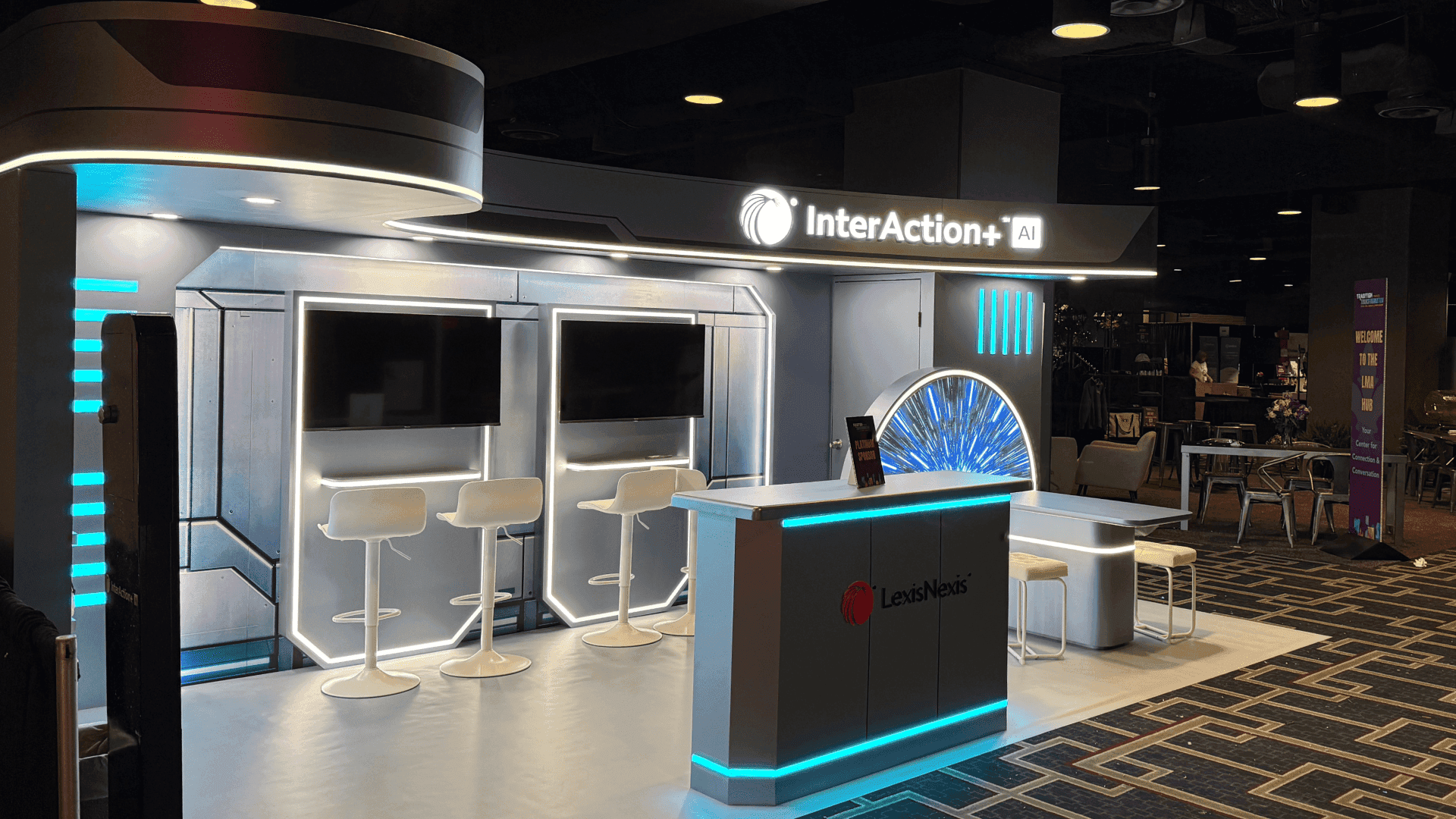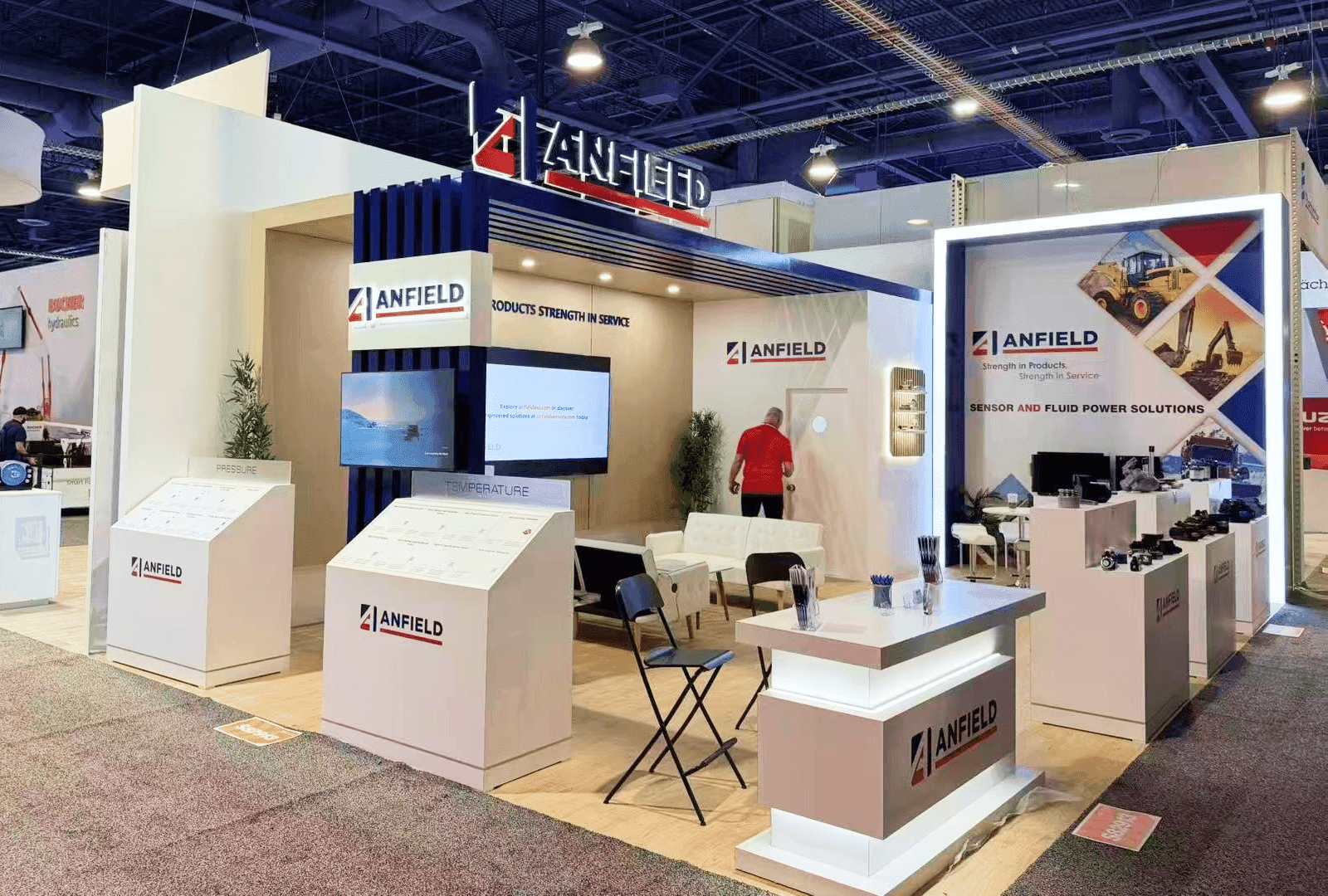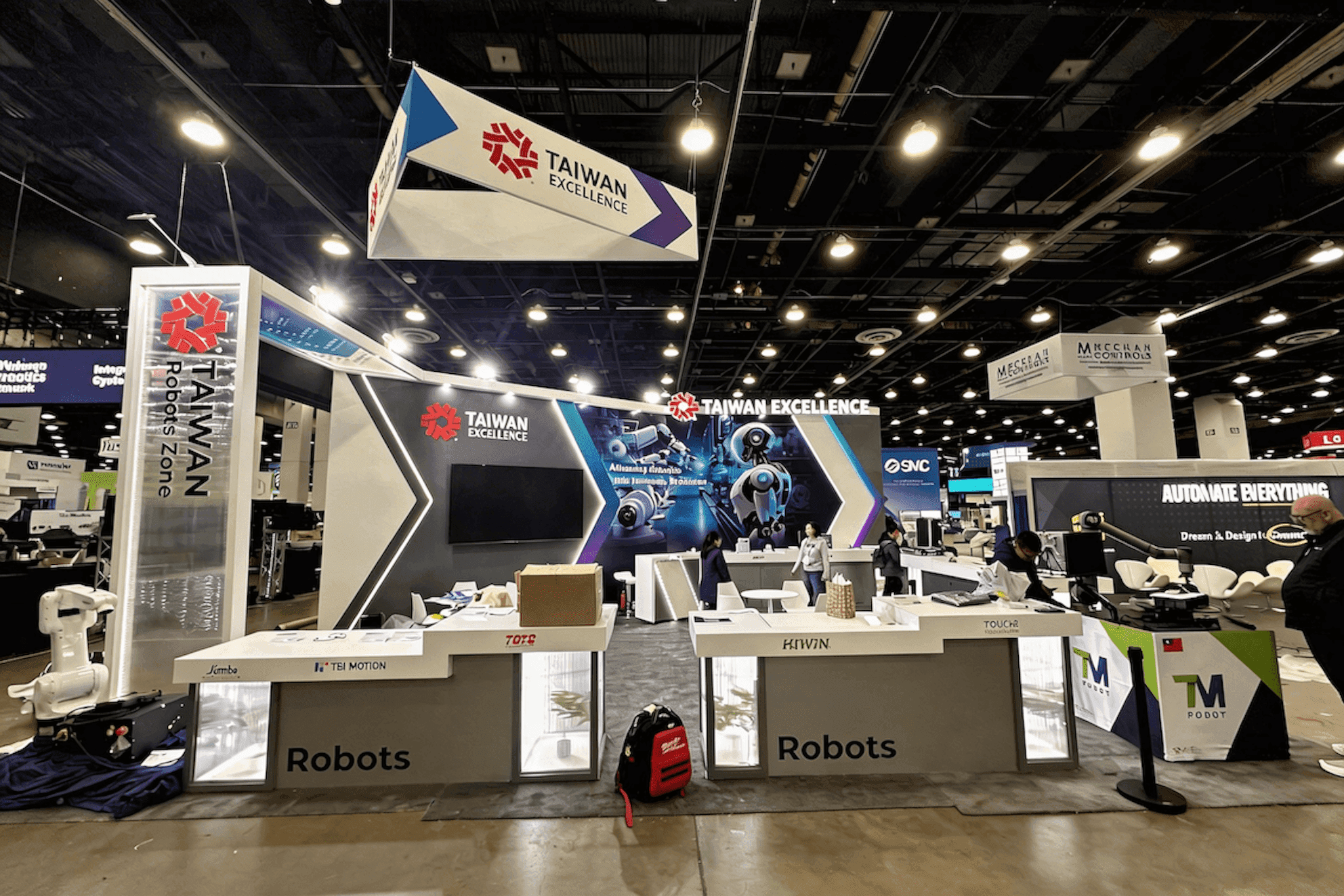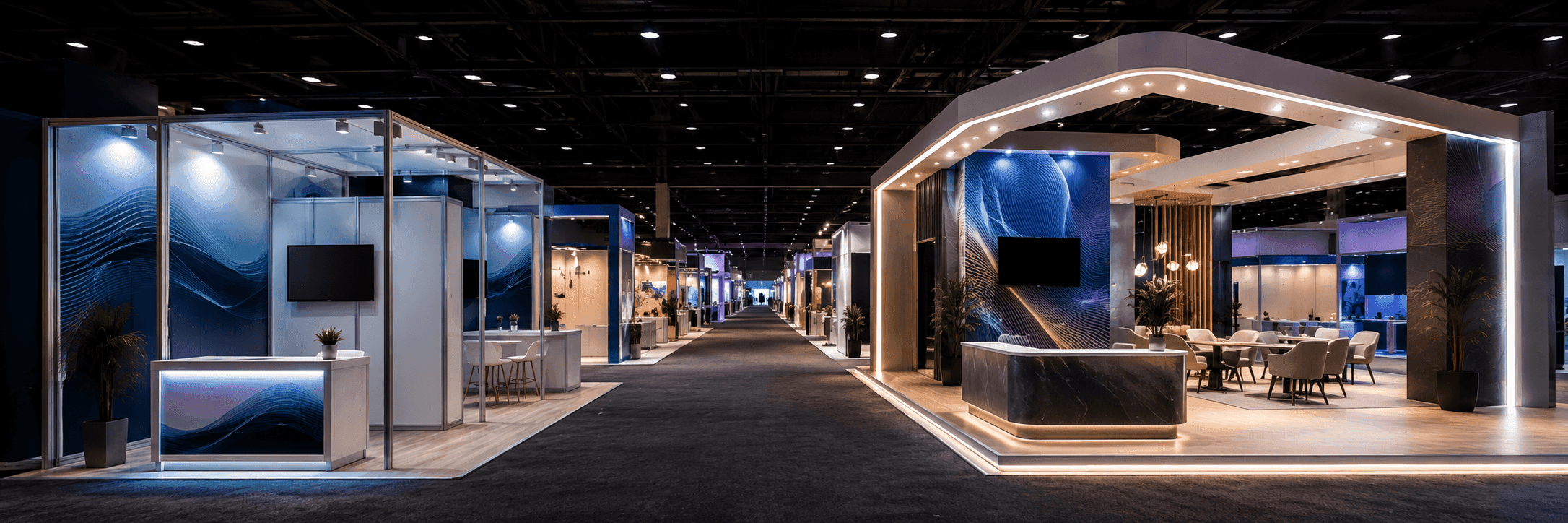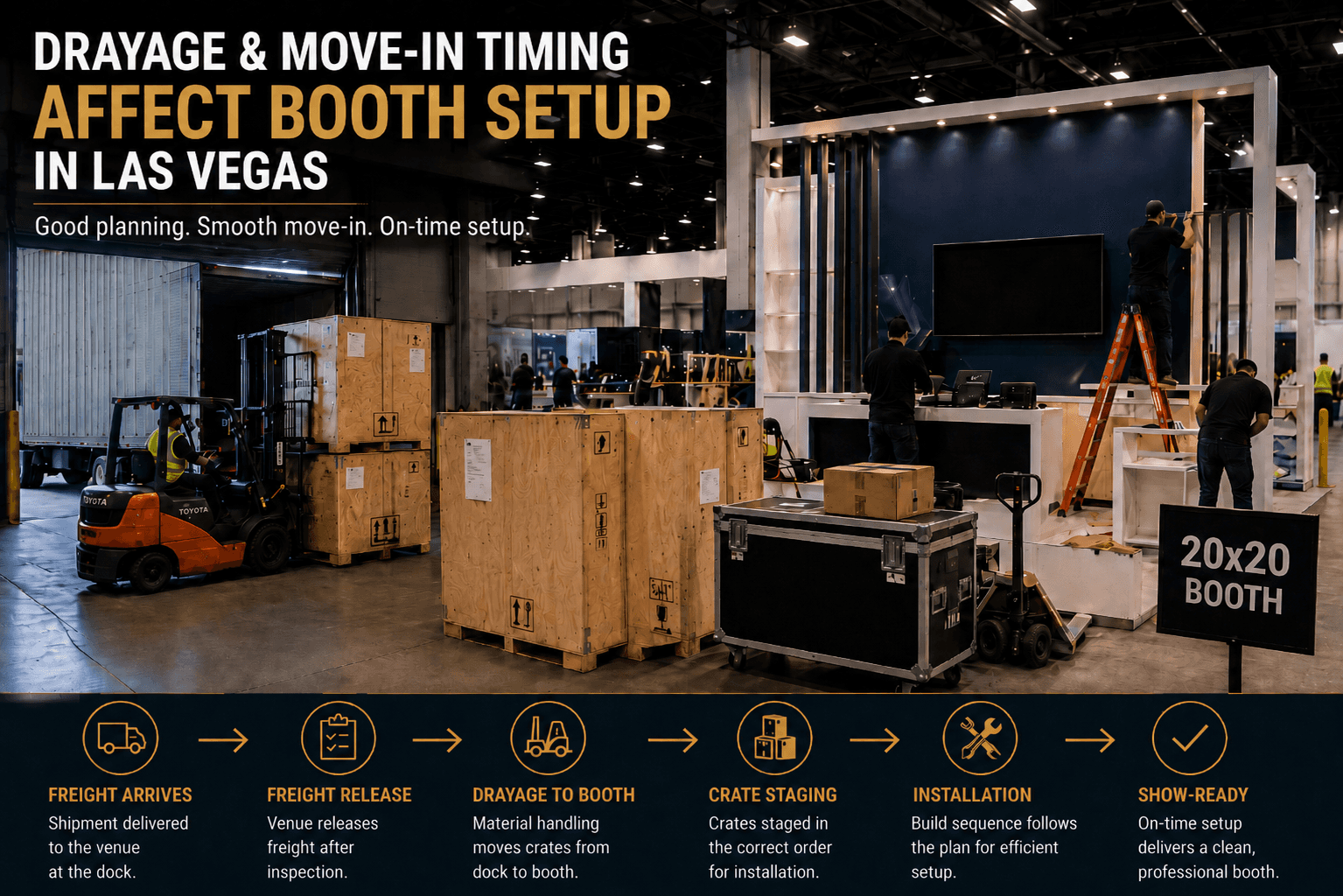
Trade show drayage setup in a Las Vegas convention hall with freight cases moving from dock to booth area, crate staging, material handling, and installation crew timing

/

/

/

/

How Trade Show Drayage Affects Booth Setup in Las Vegas Convention Halls

How Trade Show Drayage Affects Booth Setup in Las Vegas Convention Halls

How Trade Show Drayage Affects Booth Setup in Las Vegas Convention Halls

How Trade Show Drayage Affects Booth Setup in Las Vegas Convention Halls

Published:

Jan 6, 2026

Updated:

Jan 6, 2026

Circle Exhibit Team

Industry professionals

Exhibition industry professional dedicated to delivering the latest insights and curated recommendations to you.

Exhibition industry professional dedicated to delivering the latest insights and curated recommendations to you.

Drayage affects timing, staging, and installation order before the booth build even starts. For Las Vegas exhibitors, freight release and dock-to-booth movement can shape how quickly a booth becomes show-floor ready.

Drayage affects timing, staging, and installation order before the booth build even starts. For Las Vegas exhibitors, freight release and dock-to-booth movement can shape how quickly a booth becomes show-floor ready.

Drayage affects timing, staging, and installation order before the booth build even starts. For Las Vegas exhibitors, freight release and dock-to-booth movement can shape how quickly a booth becomes show-floor ready.

Quick Answer: How does drayage affect trade show booth setup in Las Vegas?

Drayage affects when booth materials reach the show floor, how crates are staged, and when installation crews can begin setup. In Las Vegas convention halls, freight release, dock access, material handling, and move-in timing can directly affect booth installation sequence and final show-floor readiness.

Quick Answer: How does drayage affect trade show booth setup in Las Vegas?

Drayage affects when booth materials reach the show floor, how crates are staged, and when installation crews can begin setup. In Las Vegas convention halls, freight release, dock access, material handling, and move-in timing can directly affect booth installation sequence and final show-floor readiness.

Trade show booth setup in Las Vegas does not begin when the install crew starts assembling walls, counters, or graphics. It often begins earlier, when freight is released, crates are moved, and materials reach the booth space in the right order. That is why drayage planning should be treated as part of booth execution, not just a logistics line item.


Trade show booth setup in Las Vegas does not begin when the install crew starts assembling walls, counters, or graphics. It often begins earlier, when freight is released, crates are moved, and materials reach the booth space in the right order. That is why drayage planning should be treated as part of booth execution, not just a logistics line item.


Drayage Shapes the Setup Sequence Before Installation Starts

Drayage affects booth setup because the install crew cannot build with materials they cannot access.

A booth may be designed, fabricated, packed, and shipped correctly, but the real setup sequence still depends on when the freight reaches the booth space. If the first-needed crates arrive late or are staged behind secondary items, the crew may lose time before the booth build begins.

For this reason, logistics and pre-show coordination should connect freight planning with the actual booth setup order.

A good booth logistics plan should identify:

  • which crates are needed first

  • which materials can stay packed until later

  • where large components should be staged

  • how graphics, counters, and hardware are separated

  • what needs to remain accessible during move-in

  • when empty crates should be removed

Drayage is not only about moving freight. It affects the order of work.

Freight Release Can Decide When the Booth Build Begins

Freight release is one of the first timing points that affects booth setup.

If key materials have arrived at the venue but have not yet reached the booth space, the installation crew may be present without being able to start the most important work. This can create idle time, rushed later steps, or pressure near show opening.

For a booth with walls, counters, graphics, lighting, flooring, and AV, the setup usually depends on a clear order:

Setup Stage

Why Freight Timing Matters

Flooring / floor protection

Often needs to happen before walls, counters, and displays

Wall frames / booth structure

Usually required before graphics or mounted screens

Counters and cabinets

May need to be placed before final demo or storage setup

Graphics

Need the correct wall surfaces installed first

Lighting / AV / monitors

Depend on structure, power access, and cable paths

Product displays

Usually come after main structure is stable

Final cleaning and handoff

Can only happen after empties and setup materials are cleared

When drayage timing is not aligned with this sequence, the booth may look disorganized even when the design is strong.

Dock-to-Booth Movement Affects Crew Timing

Dock-to-booth movement is the step many exhibitors underestimate.

A shipment being “at the venue” does not always mean the booth team can use it. Materials still need to move through the show-site handling process and reach the booth area. For larger booths, heavier crates, or AV-heavy setups, this movement can affect when labor can begin.

This matters for Las Vegas convention halls because move-in schedules often involve several teams working in the same venue: freight handlers, installation crews, electricians, AV teams, general contractors, and exhibitors preparing product materials.

A booth setup plan should ask:

  • When do booth materials reach the booth space?

  • Which crates should be released first?

  • Is there enough space to stage materials near the booth?

  • Will large crates block aisle access or crew movement?

  • Can the install crew work while freight is still being moved?

  • Are graphics, hardware, and counters packed in a usable sequence?

The setup plan becomes stronger when dock-to-booth movement is part of the timeline, not an assumption.

Crate Staging Can Make Installation Faster or Slower

Crate staging affects how easily the crew can find and use booth components.

If crates are staged in the wrong order, the crew may need to move materials repeatedly before setup can begin. If hardware, graphics, and structural parts are packed without a clear sequence, the team may spend time searching instead of building.

A practical crate staging plan should separate materials by use:

  • structure and frames

  • flooring or floor protection

  • graphics and printed surfaces

  • counters and cabinets

  • lighting and electrical items

  • AV and screens

  • demo products or samples

  • tools, hardware, and spare parts

The goal is not to overcomplicate the packing list. The goal is to make the first hour of installation easier.

That first hour often sets the tone for the rest of the booth setup.

Material Handling Should Match the Booth Layout

Material handling works best when it supports the booth layout.

A 20x20 booth with one back wall and a demo counter has a different staging need than a 30x40 booth with multiple walls, counters, screens, storage areas, and product displays. The larger or more technical the booth becomes, the more important material order becomes.

For example, an AV-heavy booth may need monitor mounts, power access, cable routing, and screen placement before final graphics or product displays can be completed. A product-heavy booth may need display cases or samples staged after the main structure is ready.

This is where a Las Vegas trade show booth builder can help connect layout planning with move-in reality.

The booth should be designed for how it will be built, not only how it will look in a rendering.

Drayage Has a Direct Impact on Installation Order

Drayage can force the installation order to change if materials arrive in the wrong sequence.

A simple example: if the crate with graphics arrives before the wall system, the graphics cannot be installed yet. If the counter arrives before flooring, it may need to be moved twice. If AV equipment arrives before the screen structure is ready, it may need extra protection during setup.

These are not design problems. They are coordination problems.

Strong on-site installation and dismantle sequencing should account for when each material group becomes available and how the crew should respond if staging changes.

The best setup sequence usually considers:

  1. What must be installed first?

  2. What depends on that first step?

  3. What materials should remain packed until later?

  4. What needs protected staging?

  5. What can be installed in parallel?

  6. What must wait until empties are removed?

A booth setup plan should be flexible, but not vague.

Why CES Booths Feel This Pressure More Clearly

Large Las Vegas shows make drayage and setup timing easier to feel.

At shows such as CES, booth teams often manage screens, product demos, electrical needs, AV systems, graphics, counters, storage, and staff prep under tight move-in conditions. A booth can look simple to visitors but still depend on a careful sequence before opening.

For exhibitors working on CES booth planning, drayage can affect:

  • when demo equipment reaches the booth

  • when screens and monitors can be mounted

  • when product samples can be unpacked

  • when power and cable paths can be checked

  • when staff can test the demo environment

  • when final cleaning can happen

This is why logistics planning should begin before materials enter the venue.

The booth needs to be show-floor ready, not just delivered.

What Happens When Drayage Is Treated as an Afterthought?

The booth setup becomes reactive.

When drayage is not planned early, teams may find themselves solving freight access, crate location, hardware availability, and install sequence problems during move-in. That is the worst time to make those decisions.

Common problems include:

  • key crates reaching the booth too late

  • graphics packed separately from the wall system

  • counters staged before flooring

  • AV equipment exposed too early

  • hardware buried inside the wrong case

  • empty crates blocking the booth area

  • crew waiting for materials before work can begin

  • final checks rushed near show opening

None of these issues are dramatic by themselves. Together, they create setup pressure.

A strong logistics plan reduces that pressure before the team gets to the hall.

Drayage Planning Checklist for Las Vegas Booth Setup

A practical drayage plan should connect freight movement with booth installation needs.

Checklist

  • Which booth materials are needed first during setup?

  • Are crates labeled by install sequence, not just by item type?

  • Are graphics packed in a way that matches wall installation?

  • Are counters, hardware, and lighting easy to identify?

  • Does AV equipment need protected staging before installation?

  • Who tracks when freight is released to the booth space?

  • Is there a plan for empty crate removal?

  • Can the crew begin work if only some materials have arrived?

  • Does the booth layout require large pieces to be placed before smaller items?

  • Is outbound packing planned before the show closes?

This checklist helps keep drayage tied to real setup behavior.

It also helps exhibitors avoid treating freight movement as a separate task from booth readiness.

Final Takeaway

Drayage affects booth setup because it controls when and how materials become available on the show floor.

For Las Vegas convention halls, the key issue is not just whether freight arrives. The key issue is whether freight is released, staged, unpacked, and installed in an order that supports the booth build.

A strong booth setup plan connects logistics, drayage, material handling, crew timing, installation sequence, and final show-floor readiness before move-in begins.

That is how exhibitors reduce confusion and give the install team a better path to finish the booth on time.

Planning Booth Logistics for a Las Vegas Trade Show?

Start with logistics and pre-show coordination, then connect freight timing, drayage, crate staging, installation sequence, and booth build support into one clear move-in plan.

Drayage Shapes the Setup Sequence Before Installation Starts

Drayage affects booth setup because the install crew cannot build with materials they cannot access.

A booth may be designed, fabricated, packed, and shipped correctly, but the real setup sequence still depends on when the freight reaches the booth space. If the first-needed crates arrive late or are staged behind secondary items, the crew may lose time before the booth build begins.

For this reason, logistics and pre-show coordination should connect freight planning with the actual booth setup order.

A good booth logistics plan should identify:

  • which crates are needed first

  • which materials can stay packed until later

  • where large components should be staged

  • how graphics, counters, and hardware are separated

  • what needs to remain accessible during move-in

  • when empty crates should be removed

Drayage is not only about moving freight. It affects the order of work.

Freight Release Can Decide When the Booth Build Begins

Freight release is one of the first timing points that affects booth setup.

If key materials have arrived at the venue but have not yet reached the booth space, the installation crew may be present without being able to start the most important work. This can create idle time, rushed later steps, or pressure near show opening.

For a booth with walls, counters, graphics, lighting, flooring, and AV, the setup usually depends on a clear order:

Setup Stage

Why Freight Timing Matters

Flooring / floor protection

Often needs to happen before walls, counters, and displays

Wall frames / booth structure

Usually required before graphics or mounted screens

Counters and cabinets

May need to be placed before final demo or storage setup

Graphics

Need the correct wall surfaces installed first

Lighting / AV / monitors

Depend on structure, power access, and cable paths

Product displays

Usually come after main structure is stable

Final cleaning and handoff

Can only happen after empties and setup materials are cleared

When drayage timing is not aligned with this sequence, the booth may look disorganized even when the design is strong.

Dock-to-Booth Movement Affects Crew Timing

Dock-to-booth movement is the step many exhibitors underestimate.

A shipment being “at the venue” does not always mean the booth team can use it. Materials still need to move through the show-site handling process and reach the booth area. For larger booths, heavier crates, or AV-heavy setups, this movement can affect when labor can begin.

This matters for Las Vegas convention halls because move-in schedules often involve several teams working in the same venue: freight handlers, installation crews, electricians, AV teams, general contractors, and exhibitors preparing product materials.

A booth setup plan should ask:

  • When do booth materials reach the booth space?

  • Which crates should be released first?

  • Is there enough space to stage materials near the booth?

  • Will large crates block aisle access or crew movement?

  • Can the install crew work while freight is still being moved?

  • Are graphics, hardware, and counters packed in a usable sequence?

The setup plan becomes stronger when dock-to-booth movement is part of the timeline, not an assumption.

Crate Staging Can Make Installation Faster or Slower

Crate staging affects how easily the crew can find and use booth components.

If crates are staged in the wrong order, the crew may need to move materials repeatedly before setup can begin. If hardware, graphics, and structural parts are packed without a clear sequence, the team may spend time searching instead of building.

A practical crate staging plan should separate materials by use:

  • structure and frames

  • flooring or floor protection

  • graphics and printed surfaces

  • counters and cabinets

  • lighting and electrical items

  • AV and screens

  • demo products or samples

  • tools, hardware, and spare parts

The goal is not to overcomplicate the packing list. The goal is to make the first hour of installation easier.

That first hour often sets the tone for the rest of the booth setup.

Material Handling Should Match the Booth Layout

Material handling works best when it supports the booth layout.

A 20x20 booth with one back wall and a demo counter has a different staging need than a 30x40 booth with multiple walls, counters, screens, storage areas, and product displays. The larger or more technical the booth becomes, the more important material order becomes.

For example, an AV-heavy booth may need monitor mounts, power access, cable routing, and screen placement before final graphics or product displays can be completed. A product-heavy booth may need display cases or samples staged after the main structure is ready.

This is where a Las Vegas trade show booth builder can help connect layout planning with move-in reality.

The booth should be designed for how it will be built, not only how it will look in a rendering.

Drayage Has a Direct Impact on Installation Order

Drayage can force the installation order to change if materials arrive in the wrong sequence.

A simple example: if the crate with graphics arrives before the wall system, the graphics cannot be installed yet. If the counter arrives before flooring, it may need to be moved twice. If AV equipment arrives before the screen structure is ready, it may need extra protection during setup.

These are not design problems. They are coordination problems.

Strong on-site installation and dismantle sequencing should account for when each material group becomes available and how the crew should respond if staging changes.

The best setup sequence usually considers:

  1. What must be installed first?

  2. What depends on that first step?

  3. What materials should remain packed until later?

  4. What needs protected staging?

  5. What can be installed in parallel?

  6. What must wait until empties are removed?

A booth setup plan should be flexible, but not vague.

Why CES Booths Feel This Pressure More Clearly

Large Las Vegas shows make drayage and setup timing easier to feel.

At shows such as CES, booth teams often manage screens, product demos, electrical needs, AV systems, graphics, counters, storage, and staff prep under tight move-in conditions. A booth can look simple to visitors but still depend on a careful sequence before opening.

For exhibitors working on CES booth planning, drayage can affect:

  • when demo equipment reaches the booth

  • when screens and monitors can be mounted

  • when product samples can be unpacked

  • when power and cable paths can be checked

  • when staff can test the demo environment

  • when final cleaning can happen

This is why logistics planning should begin before materials enter the venue.

The booth needs to be show-floor ready, not just delivered.

What Happens When Drayage Is Treated as an Afterthought?

The booth setup becomes reactive.

When drayage is not planned early, teams may find themselves solving freight access, crate location, hardware availability, and install sequence problems during move-in. That is the worst time to make those decisions.

Common problems include:

  • key crates reaching the booth too late

  • graphics packed separately from the wall system

  • counters staged before flooring

  • AV equipment exposed too early

  • hardware buried inside the wrong case

  • empty crates blocking the booth area

  • crew waiting for materials before work can begin

  • final checks rushed near show opening

None of these issues are dramatic by themselves. Together, they create setup pressure.

A strong logistics plan reduces that pressure before the team gets to the hall.

Drayage Planning Checklist for Las Vegas Booth Setup

A practical drayage plan should connect freight movement with booth installation needs.

Checklist

  • Which booth materials are needed first during setup?

  • Are crates labeled by install sequence, not just by item type?

  • Are graphics packed in a way that matches wall installation?

  • Are counters, hardware, and lighting easy to identify?

  • Does AV equipment need protected staging before installation?

  • Who tracks when freight is released to the booth space?

  • Is there a plan for empty crate removal?

  • Can the crew begin work if only some materials have arrived?

  • Does the booth layout require large pieces to be placed before smaller items?

  • Is outbound packing planned before the show closes?

This checklist helps keep drayage tied to real setup behavior.

It also helps exhibitors avoid treating freight movement as a separate task from booth readiness.

Final Takeaway

Drayage affects booth setup because it controls when and how materials become available on the show floor.

For Las Vegas convention halls, the key issue is not just whether freight arrives. The key issue is whether freight is released, staged, unpacked, and installed in an order that supports the booth build.

A strong booth setup plan connects logistics, drayage, material handling, crew timing, installation sequence, and final show-floor readiness before move-in begins.

That is how exhibitors reduce confusion and give the install team a better path to finish the booth on time.

Planning Booth Logistics for a Las Vegas Trade Show?

Start with logistics and pre-show coordination, then connect freight timing, drayage, crate staging, installation sequence, and booth build support into one clear move-in plan.

Message

Leave your message and we will get back to you ASAP

Send a Message

We’ll Be in Touch!

Message

Leave your message and we will get back to you ASAP

Address:

4915 Steptoe Street #300

Las Vegas, NV 89122