Start With What the Buyer Still Needs From the Booth
The first question is what remains unfinished when the buyer arrives. Some visitors still need enough context to understand why the solution matters, while others already know the category and want credible product evidence. A more informed buyer may need technical clarification rather than basic proof, and another may already be ready for a longer implementation or commercial discussion.
Those are different jobs:
establish enough context to make the solution relevant;
show evidence that the product can address the problem;
determine whether the buyer and solution are a meaningful fit;
advance a qualified discussion when more depth is needed.
The exhibit does not need to perform all four by default. If another Gartner interaction has already completed one of them, the booth can begin further along in the buyer journey instead of restarting from the beginning.

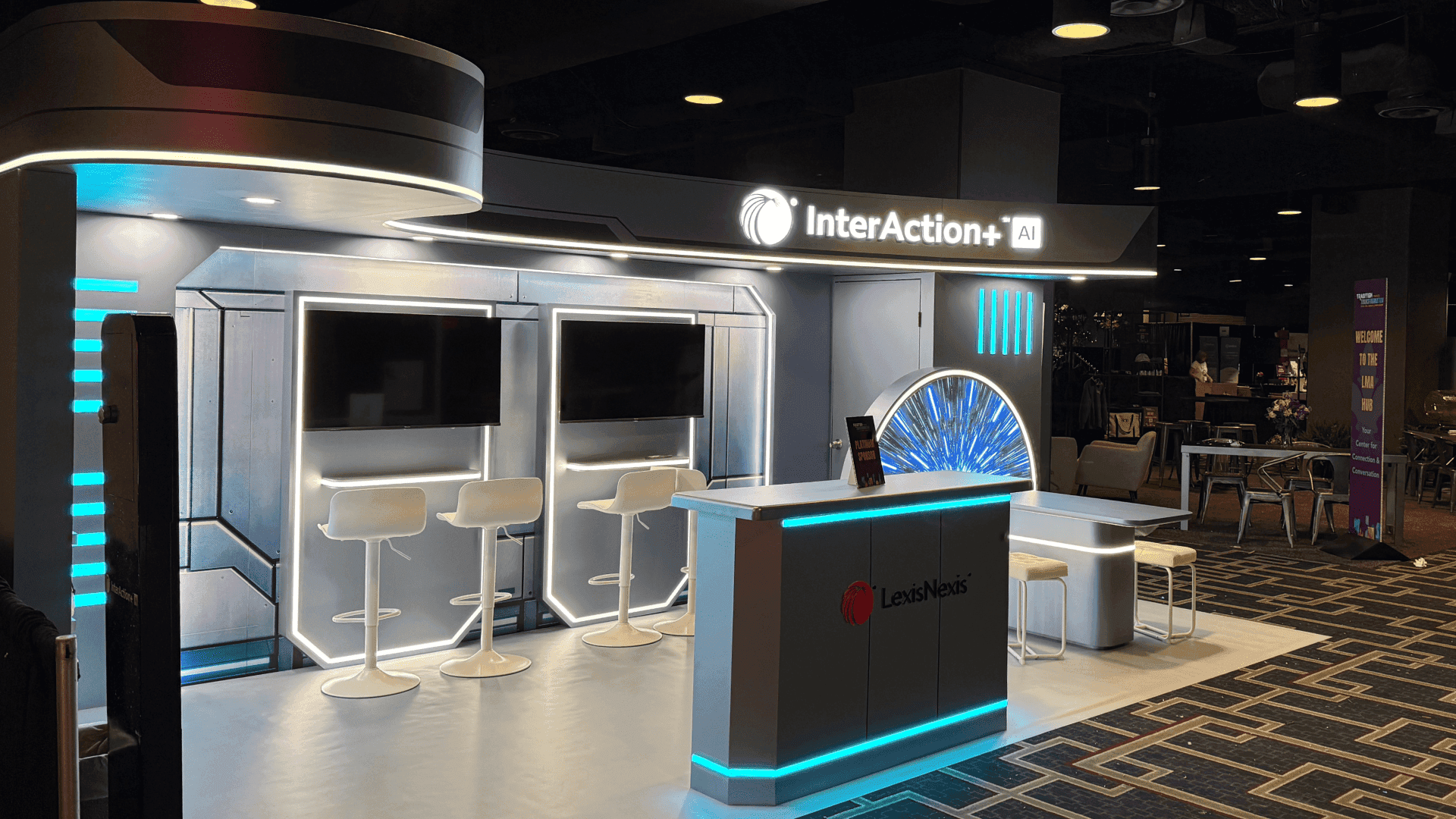
A booth-led Gartner IOCS setup keeps product proof, buyer questions, and early qualification within one focused exhibit environment.
Give Each Gartner Touchpoint a Distinct Job
The Exhibit Showcase is most useful when buyers still need direct product interaction. They can see the solution, ask immediate questions, compare what they are seeing with their own requirements, and decide whether further evaluation is warranted.
Sponsored speaking can carry more of the education or problem-framing work before the buyer reaches the exhibit. An executive roundtable can support a more focused issue or executive-level discussion, while a sponsored product demo can concentrate attention on a particular capability. One-on-one meeting opportunities give qualified conversations more time when the discussion has moved beyond a quick show-floor exchange.
These interactions should not simply repeat one another. Once education has happened, the booth can move into product evidence; once relevance has been established, the next conversation can move into technical fit, implementation, or commercial scope. Each touchpoint should add something the buyer did not receive in the previous one.
Three Practical Ways to Divide the Buyer Journey
The booth can play three different roles depending on how much context buyers already have and what they still need from the event. These are planning patterns, not Gartner package names.
Booth-Led
Buyer path:
Arrive → Product Proof → Questions → Qualification
A Booth-Led approach fits products that buyers still need to see in action before they can judge their relevance. Most of the evaluation happens at the exhibit, from initial product proof through the point where staff can decide whether the conversation should continue. The path is simple, but it puts more pressure on the booth team to demonstrate the product, answer questions, and identify the next step without letting one long interaction slow the next.
Content + Booth
Buyer path:
Build Context → Arrive Informed → Product-Specific Proof → Next Step
This approach works when buyers need to understand the problem, category, or strategic issue before product evidence becomes meaningful. Education happens earlier, so the booth can spend more time on specific proof and follow-up questions. The risk is repetition: if the show-floor conversation simply restates the earlier session, the second touchpoint does not move the buyer any further.
Meeting-Led
Buyer path:
Defined Need → Qualification → Specialist → Deeper Discussion
A Meeting-Led approach fits buyers who arrive with a defined problem and enough context to ask technical, implementation, or commercial questions. The booth is used to clarify the issue, determine whether a deeper discussion is worthwhile, and connect the buyer with the right specialist. This model depends more heavily on specialist availability, and not every visitor will be ready for the same level of conversation.
If longer specialist discussions become the main purpose of the exhibit, meeting booth planning can help work out how qualification, specialist access, and those conversations should fit into the booth.
Booth Role Decision Table
Decision Factor | Booth-Led | Content + Booth | Meeting-Led |
|---|---|---|---|
Buyer starting point | Still needs product proof or clearer relevance | Arrives with context from another touchpoint | Arrives with a defined need or active questions |
Primary booth task | Evaluation and initial qualification | Specific proof and follow-up | Qualification and deeper discussion |
Typical interaction | Guided product evaluation and targeted questions | Product evidence tied to an established issue | Specialist or longer scheduled discussion |
Key dependency | Staff who can demonstrate and qualify | Continuity between earlier content and booth conversation | Specialist availability and enough conversation time |
Main risk | Asking the booth to do too much | Repeating information the buyer already received | Treating every visitor as ready for a meeting |
This is not a scorecard. It is a quick way to match the buyer's starting point with the work the exhibit still needs to do.
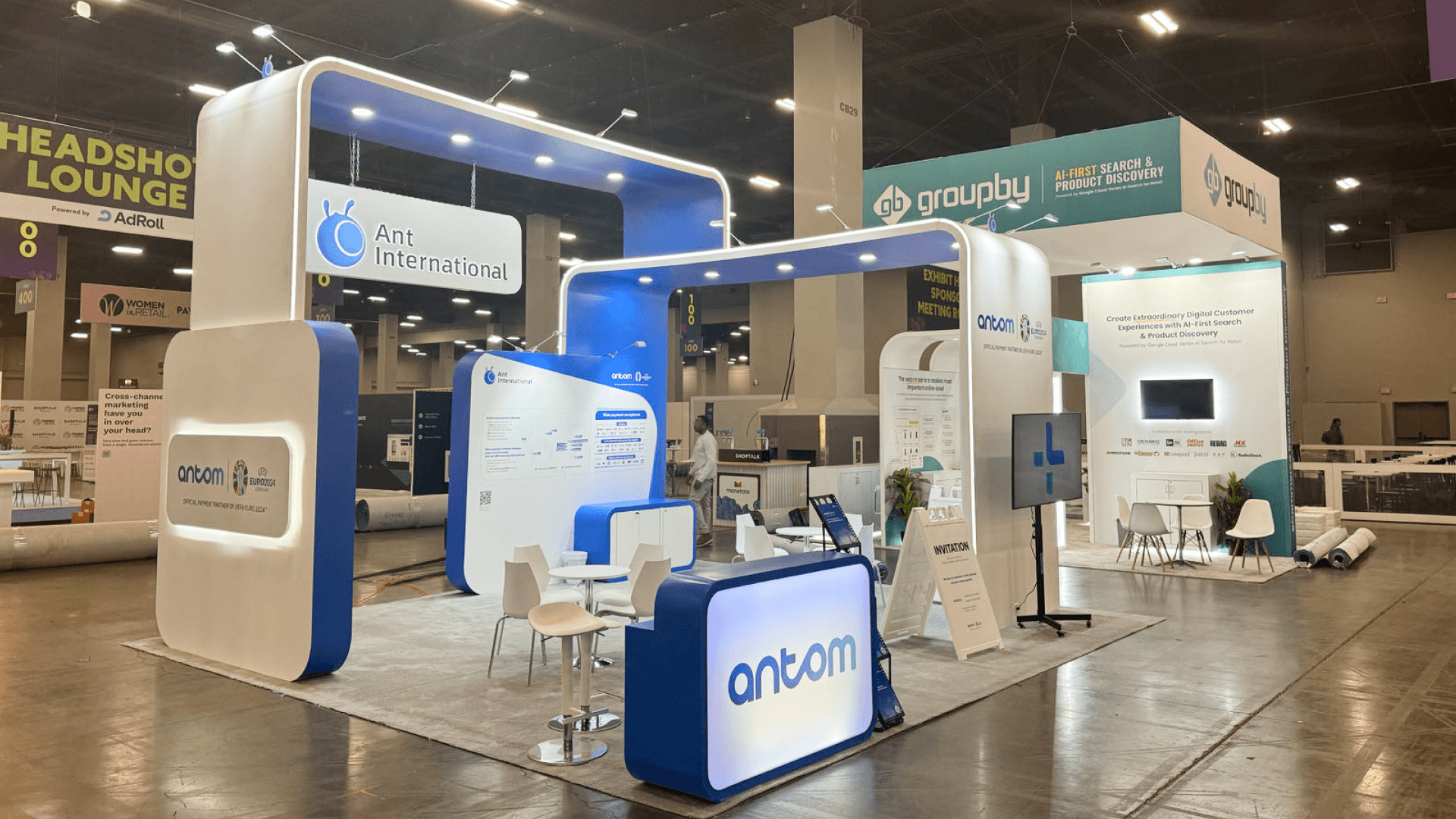
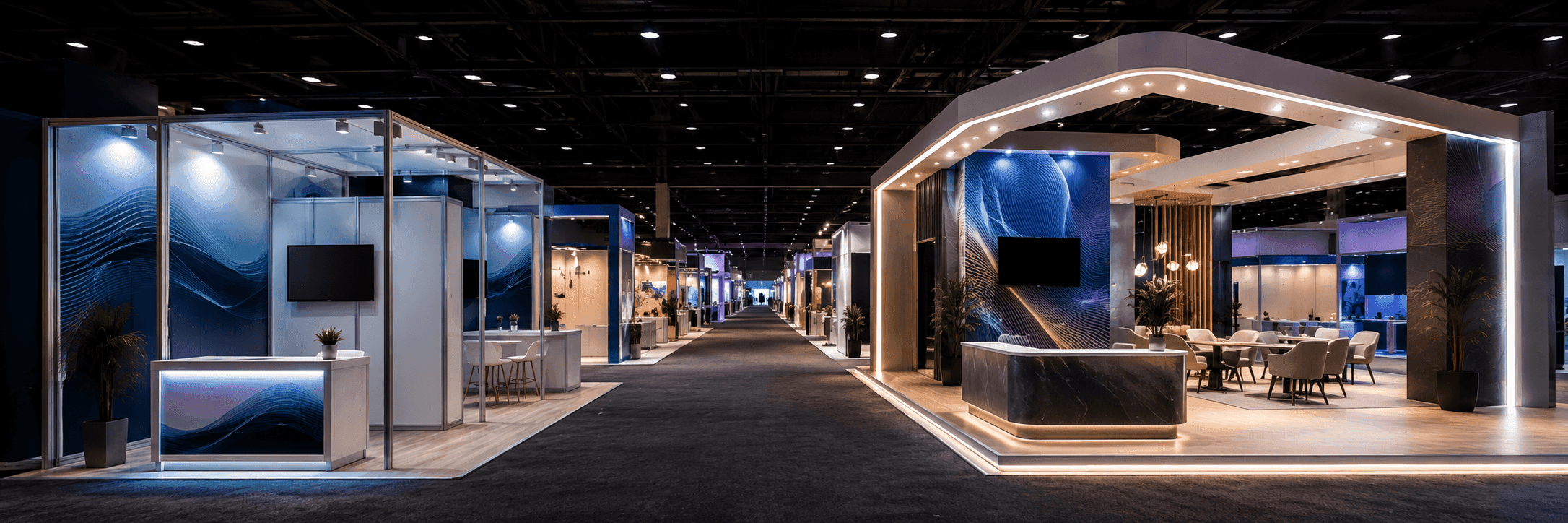
A meeting-led Gartner IOCS exhibit gives informed buyers a clearer path from initial qualification to specialist, technical, or commercial discussions.
Choose the Model From Buyer Stage, Not Activation Count
Does the buyer still need live proof?
If buyers cannot judge the solution without seeing it work, the exhibit still needs to carry most of the evaluation. That points toward a Booth-Led approach because product evidence remains the main unfinished task.
Does the solution need context before the product can be evaluated properly?
Complex infrastructure, cloud, automation, security, or AI solutions can be difficult to assess before the underlying problem is clear. When that education happens elsewhere, Content + Booth allows the show-floor conversation to begin with relevant evidence rather than another broad introduction.
How long does a useful conversation normally take?
If relevance and a useful next step can be established during a short or moderate interaction, the booth can carry more of the journey. When discussions regularly expand into architecture, implementation, procurement, or strategy, a Meeting-Led approach becomes more practical.
Who needs to answer the next question?
A product question can often stay with the demo team. If the next question regularly requires a technical specialist, commercial lead, or executive, the booth is becoming less of a complete evaluation environment and more of a place to identify the right conversation and move it forward.
Would another activation advance the buyer or simply repeat the booth?
An additional touchpoint earns its place when it adds context, evidence, or access that the booth cannot provide efficiently. If it gives the same buyer essentially the same message at the same stage, it creates another interaction without advancing the evaluation.
Define the Booth Role Before the Layout Starts
By this point, the team should be able to describe what the booth is expected to do in practical terms.
For some exhibitors, most buyers will still arrive needing live proof and enough product evaluation to decide whether the solution is relevant. Others may reach the booth after a session or earlier interaction has already established the context, allowing the conversation to begin with specific evidence, unanswered questions, and a clear next step. In a more meeting-driven program, buyers may arrive with defined technical or commercial questions, making the booth primarily a place to identify the need and connect the right people.
That distinction should be settled before footprint, graphics, storage, demo requirements, or meeting space are planned. Once the buyer journey is clear, Gartner IOCS booth planning can translate it into the functions the exhibit actually needs. When those requirements are ready to move into production, booth fabrication and show-site execution can carry the plan through structure, graphics, build, installation, and on-site delivery.
FAQ
Is a Gartner IOCS booth enough without additional sponsored activations?
Yes. A booth can be enough when buyers can get the necessary product proof, qualification, and conversation there. An additional activation becomes useful when it performs a different job, such as establishing context before the booth visit or providing enough time for a discussion that would be difficult to handle efficiently on the show floor.
When does a sponsored session or roundtable change the role of the booth?
It changes the booth's role when the earlier interaction has already completed part of the buyer journey. If buyers arrive with the problem and context already established, the exhibit can move directly into product-specific evidence, questions, and follow-up instead of starting again with broad education.
Should the booth repeat content from a sponsored activation?
Only enough to reconnect the conversation. The booth should acknowledge what the buyer may already know, then add something new: relevant proof, an unanswered question, qualification, or a clear next step. Replaying the same presentation creates another interaction without advancing the evaluation.