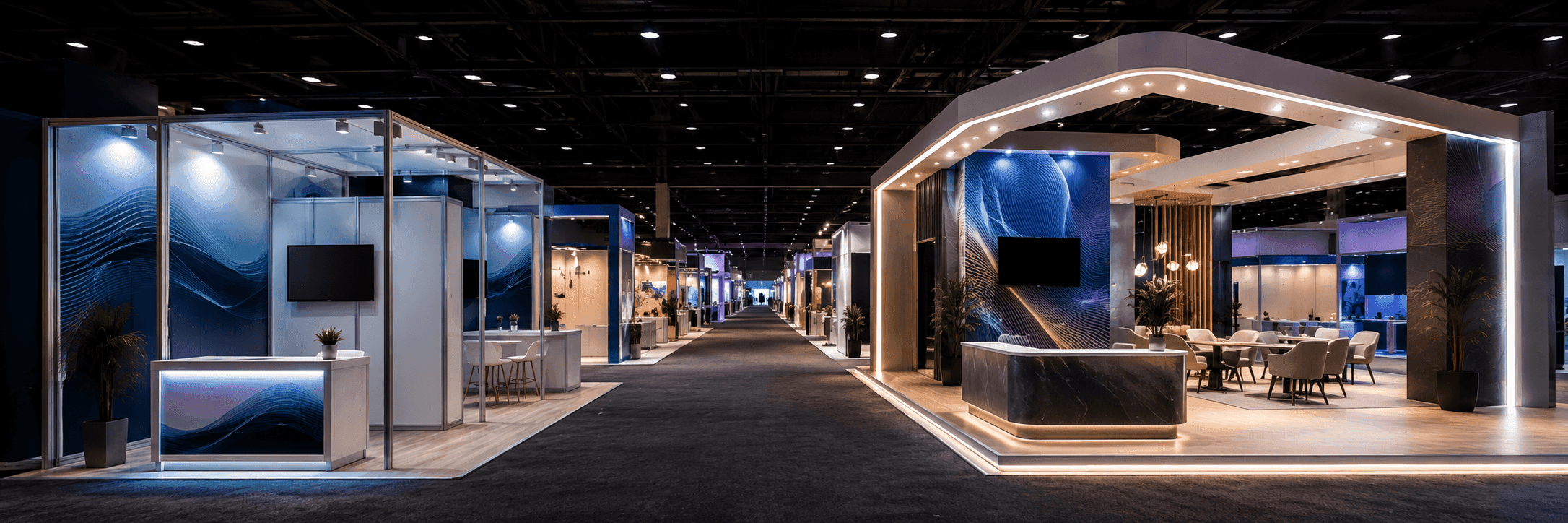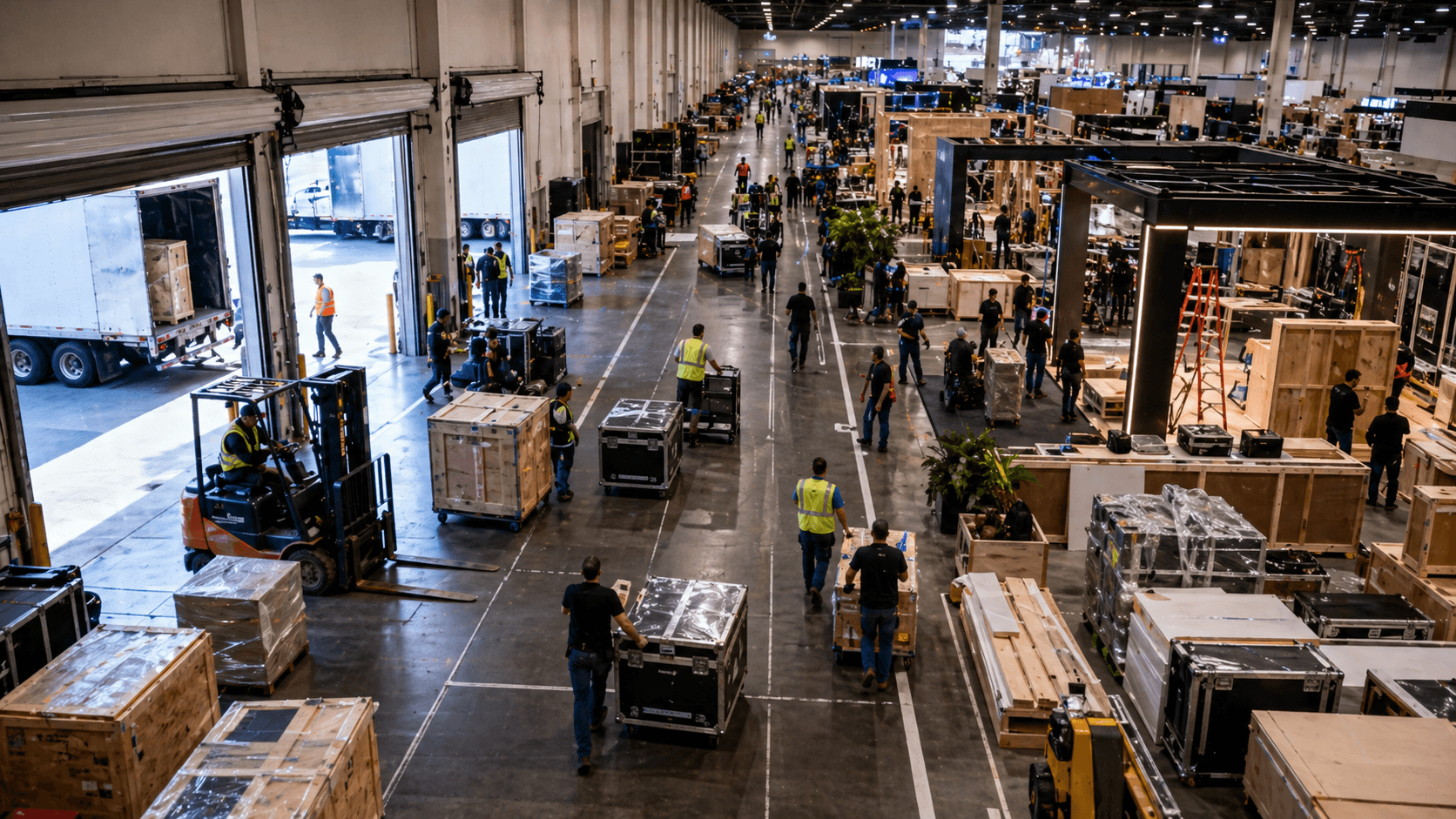
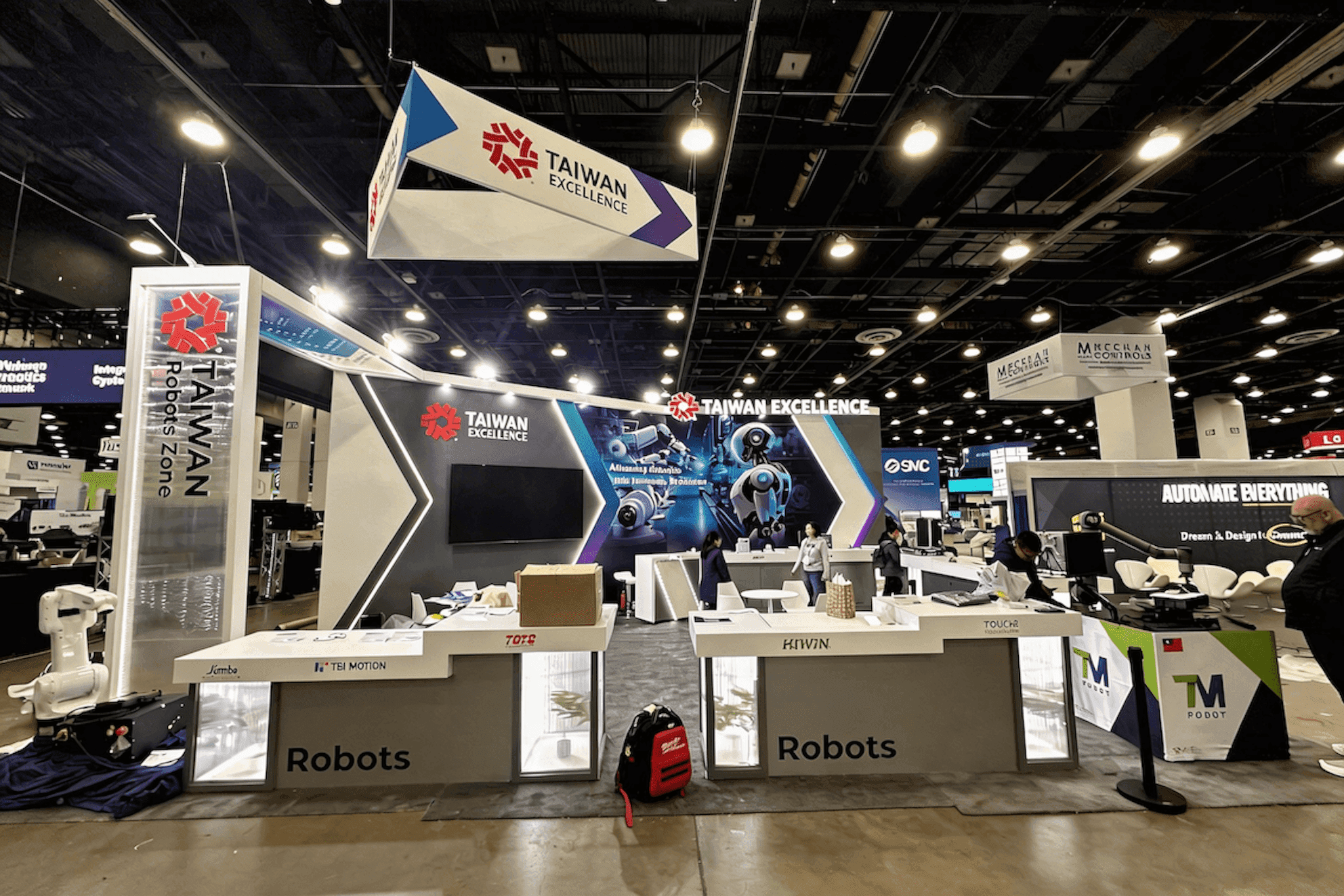
Trade show freight moving from dock access to booth staging inside a Las Vegas convention hall, showing how delivery timing affects installation flow

What Exhibitors Misjudge About Dock-to-Booth Timing in Las Vegas

What Exhibitors Misjudge About Dock-to-Booth Timing in Las Vegas

Circle Exhibit Team

Industry professionals

Exhibition industry professional dedicated to delivering the latest insights and curated recommendations to you.

Exhibition industry professional dedicated to delivering the latest insights and curated recommendations to you.

Dock timing changes staging, labor readiness, and install pace more than many exhibitors expect. A booth does not start moving cleanly when freight reaches the building. It starts moving cleanly when freight reaches the booth in a usable way.

Dock timing changes staging, labor readiness, and install pace more than many exhibitors expect. A booth does not start moving cleanly when freight reaches the building. It starts moving cleanly when freight reaches the booth in a usable way.

Dock timing changes staging, labor readiness, and install pace more than many exhibitors expect. A booth does not start moving cleanly when freight reaches the building. It starts moving cleanly when freight reaches the booth in a usable way.

Most exhibitors think delivery begins when freight reaches the venue

That is understandable.

Once freight is at the building, it feels like the project has crossed a major line. The materials are there. The booth should be able to move forward.

But on a real Las Vegas install, that is not always how it works.

There is a big difference between:

  • freight reaching the venue

  • freight being released from the dock

  • freight moving through the hall

  • freight reaching the booth in usable order

That gap is where a lot of schedule pressure begins.

Dock-to-booth timing is not just transportation time

It is workflow time.

A lot of exhibitors underestimate this because they think of the dock as a delivery checkpoint. In reality, the dock is part of the installation sequence.

What happens between dock release and booth arrival affects:

  • when the crew can actually begin

  • what gets opened first

  • whether staging works or collapses

  • whether the center stays clear

  • how quickly the booth becomes buildable instead of just active

That is why dock timing is more than a logistics detail.
It shapes the rhythm of move-in.

Freight that is “on site” can still be functionally unavailable

This is one of the biggest misconceptions.

A team may know the shipment has arrived. That sounds like good news.

But if the freight is still waiting on release, movement, sorting, or booth delivery, the install crew may still be standing in a booth that is not ready for meaningful work.

That creates one of the most frustrating show-floor conditions:

everyone is present, but the booth cannot actually start in the right order.

That is where time begins slipping in ways exhibitors do not always see clearly from the outside.

Labor readiness depends on freight timing more than people expect

This is where dock timing starts affecting budget and schedule at the same time.

A crew can be on time and still lose productive hours if the booth does not have the right material at the right moment.

That usually creates one of three bad outcomes:

1. The crew waits

The booth loses momentum before the first serious phase begins.

2. The crew opens the wrong things

The floor fills with later-phase materials because the right ones are not yet available.

3. The crew improvises

The install begins out of order, which often creates pressure later.

This is why labor planning cannot be separated from dock-to-booth timing.

Staging quality changes immediately when freight lands in the wrong rhythm

A clean install usually depends on a clean first wave of materials.

If the booth receives freight in a usable sequence, the team can stage with logic.

If the booth receives freight in the wrong order, staging becomes reaction.

That often looks like:

  • the center filling too early

  • access paths narrowing too soon

  • finish materials arriving into unstable conditions

  • structure materials getting trapped behind later items

  • crews spending more time shifting than building

This is one of the clearest ways dock timing affects install pace without looking dramatic.

The problem is not that the freight is late in an absolute sense.
The problem is that the freight is wrong for the phase the booth is in.

Hall movement matters more in Las Vegas than many exhibitors assume

Las Vegas installs often involve large halls, heavy traffic, multiple active exhibitors, and shared delivery pressure across the building.

That means freight movement is not only about your booth.

It is also about:

  • how much hall traffic is active

  • how quickly materials can actually move through the venue

  • whether multiple booths are competing for the same operational window

  • how staging pressure spills from one zone to another

This is why exhibitors often underestimate the dock-to-booth gap in Las Vegas. On paper, the distance may not look like much. In real move-in conditions, it can become one of the most important timing variables in the whole install.

SEMA-style projects feel this pressure quickly

This becomes especially visible on SEMA Show projects.

Automotive booths often involve:

  • larger freight volume

  • display vehicles

  • heavier product cases

  • more sensitive center-zone planning

  • stricter staging discipline

That means the booth cannot simply accept freight whenever it appears and hope the floor will sort itself out.

If the wrong materials hit the booth too early, the center gets trapped. If vehicle-related timing is still unresolved, the install tightens in the wrong places. If the delivery rhythm is cleaner, the booth has a much better chance of keeping the display zone usable until the right moment.

That is why SEMA teams usually feel dock timing pressure very early.

CES-style projects feel it differently, but just as much

This also matters on CES in Las Vegas installs.

The pressure often shows up differently there.

CES booths usually rely more on:

  • cleaner first-read presentation

  • tighter finish sequencing

  • more controlled demo surfaces

  • stronger edge clarity

  • less tolerance for visible install disorder

That means even if the freight volume is smaller than an automotive booth, poor dock-to-booth timing can still weaken the install by pushing the wrong materials into the booth too soon or delaying the exact materials the first pass actually needs.

The booth may still get built.
But it starts solving the wrong problems first.

That is where the schedule begins to feel compressed.

Better dock timing is really about usable release, not faster release alone

This is an important distinction.

Exhibitors often want freight released as early as possible. That instinct makes sense.

But earlier is not automatically better if the booth is not ready to receive those materials intelligently.

A stronger dock-to-booth strategy usually asks:

  • What should arrive first?

  • What should remain staged off the booth longer?

  • What must stay reachable immediately?

  • What cannot be allowed into the center too soon?

  • What release order best supports the install sequence?

That is where better logistics starts helping the booth instead of just feeding it volume.

Builder planning matters because the booth has to receive freight in a buildable way

This is one reason exhibitors benefit from working with a Las Vegas trade show booth builder that treats freight release as part of the actual installation logic.

Because the booth is not only being built from parts.

It is being built from timing.

If the booth receives freight in a way the crew can actually use, the install tends to feel controlled. If freight reaches the booth in a way that forces the crew to sort, protect, reopen, or work around itself too early, the install gets slower no matter how hard people are working.

That is why builder planning and freight timing are directly connected.

Good logistics shortens the gap between arrival and usefulness

This is where logistics and pre-show coordination make the biggest difference.

The real goal is not simply:

Get freight to the venue.

The real goal is:

Get the right freight to the booth in the right order at the right moment.

That is what protects:

  • labor readiness

  • staging control

  • center-zone discipline

  • install pace

  • finish quality later in the schedule

Once exhibitors understand that, dock timing starts making much more sense as a build variable instead of just a delivery variable.

The cleanest installs usually respect this sequence

The strongest Las Vegas installs often follow a rhythm like this:

1. Freight release matches active install phase

The booth only receives what it can truly use first.

2. Labor is ready for the material that arrives

The crew does not waste early hours waiting or opening the wrong things.

3. Staging supports order, not overflow

Materials land where they help the build instead of crowding it.

4. The center stays protected until the right moment

The booth does not trap its own main zone too early.

5. Later freight arrives into more stable conditions

The install gets tighter as it progresses instead of more chaotic.

That is usually what makes dock timing feel invisible in the best way.

Final thought

What exhibitors often misjudge about dock-to-booth timing in Las Vegas is that it affects far more than delivery.

It affects when the crew can really begin, how the booth stages, how cleanly the first phase starts, and whether the install spends its early hours building forward or fighting its own floor pressure.

That is why dock timing matters so much.

Not because freight reached the building.

Because the booth only starts working once freight reaches the booth in a way the project can actually use.
Most exhibitors think delivery begins when freight reaches the venue

That is understandable.

Once freight is at the building, it feels like the project has crossed a major line. The materials are there. The booth should be able to move forward.

But on a real Las Vegas install, that is not always how it works.

There is a big difference between:

  • freight reaching the venue

  • freight being released from the dock

  • freight moving through the hall

  • freight reaching the booth in usable order

That gap is where a lot of schedule pressure begins.

Dock-to-booth timing is not just transportation time

It is workflow time.

A lot of exhibitors underestimate this because they think of the dock as a delivery checkpoint. In reality, the dock is part of the installation sequence.

What happens between dock release and booth arrival affects:

  • when the crew can actually begin

  • what gets opened first

  • whether staging works or collapses

  • whether the center stays clear

  • how quickly the booth becomes buildable instead of just active

That is why dock timing is more than a logistics detail.
It shapes the rhythm of move-in.

Freight that is “on site” can still be functionally unavailable

This is one of the biggest misconceptions.

A team may know the shipment has arrived. That sounds like good news.

But if the freight is still waiting on release, movement, sorting, or booth delivery, the install crew may still be standing in a booth that is not ready for meaningful work.

That creates one of the most frustrating show-floor conditions:

everyone is present, but the booth cannot actually start in the right order.

That is where time begins slipping in ways exhibitors do not always see clearly from the outside.

Labor readiness depends on freight timing more than people expect

This is where dock timing starts affecting budget and schedule at the same time.

A crew can be on time and still lose productive hours if the booth does not have the right material at the right moment.

That usually creates one of three bad outcomes:

1. The crew waits

The booth loses momentum before the first serious phase begins.

2. The crew opens the wrong things

The floor fills with later-phase materials because the right ones are not yet available.

3. The crew improvises

The install begins out of order, which often creates pressure later.

This is why labor planning cannot be separated from dock-to-booth timing.

Staging quality changes immediately when freight lands in the wrong rhythm

A clean install usually depends on a clean first wave of materials.

If the booth receives freight in a usable sequence, the team can stage with logic.

If the booth receives freight in the wrong order, staging becomes reaction.

That often looks like:

  • the center filling too early

  • access paths narrowing too soon

  • finish materials arriving into unstable conditions

  • structure materials getting trapped behind later items

  • crews spending more time shifting than building

This is one of the clearest ways dock timing affects install pace without looking dramatic.

The problem is not that the freight is late in an absolute sense.
The problem is that the freight is wrong for the phase the booth is in.

Hall movement matters more in Las Vegas than many exhibitors assume

Las Vegas installs often involve large halls, heavy traffic, multiple active exhibitors, and shared delivery pressure across the building.

That means freight movement is not only about your booth.

It is also about:

  • how much hall traffic is active

  • how quickly materials can actually move through the venue

  • whether multiple booths are competing for the same operational window

  • how staging pressure spills from one zone to another

This is why exhibitors often underestimate the dock-to-booth gap in Las Vegas. On paper, the distance may not look like much. In real move-in conditions, it can become one of the most important timing variables in the whole install.

SEMA-style projects feel this pressure quickly

This becomes especially visible on SEMA Show projects.

Automotive booths often involve:

  • larger freight volume

  • display vehicles

  • heavier product cases

  • more sensitive center-zone planning

  • stricter staging discipline

That means the booth cannot simply accept freight whenever it appears and hope the floor will sort itself out.

If the wrong materials hit the booth too early, the center gets trapped. If vehicle-related timing is still unresolved, the install tightens in the wrong places. If the delivery rhythm is cleaner, the booth has a much better chance of keeping the display zone usable until the right moment.

That is why SEMA teams usually feel dock timing pressure very early.

CES-style projects feel it differently, but just as much

This also matters on CES in Las Vegas installs.

The pressure often shows up differently there.

CES booths usually rely more on:

  • cleaner first-read presentation

  • tighter finish sequencing

  • more controlled demo surfaces

  • stronger edge clarity

  • less tolerance for visible install disorder

That means even if the freight volume is smaller than an automotive booth, poor dock-to-booth timing can still weaken the install by pushing the wrong materials into the booth too soon or delaying the exact materials the first pass actually needs.

The booth may still get built.
But it starts solving the wrong problems first.

That is where the schedule begins to feel compressed.

Better dock timing is really about usable release, not faster release alone

This is an important distinction.

Exhibitors often want freight released as early as possible. That instinct makes sense.

But earlier is not automatically better if the booth is not ready to receive those materials intelligently.

A stronger dock-to-booth strategy usually asks:

  • What should arrive first?

  • What should remain staged off the booth longer?

  • What must stay reachable immediately?

  • What cannot be allowed into the center too soon?

  • What release order best supports the install sequence?

That is where better logistics starts helping the booth instead of just feeding it volume.

Builder planning matters because the booth has to receive freight in a buildable way

This is one reason exhibitors benefit from working with a Las Vegas trade show booth builder that treats freight release as part of the actual installation logic.

Because the booth is not only being built from parts.

It is being built from timing.

If the booth receives freight in a way the crew can actually use, the install tends to feel controlled. If freight reaches the booth in a way that forces the crew to sort, protect, reopen, or work around itself too early, the install gets slower no matter how hard people are working.

That is why builder planning and freight timing are directly connected.

Good logistics shortens the gap between arrival and usefulness

This is where logistics and pre-show coordination make the biggest difference.

The real goal is not simply:

Get freight to the venue.

The real goal is:

Get the right freight to the booth in the right order at the right moment.

That is what protects:

  • labor readiness

  • staging control

  • center-zone discipline

  • install pace

  • finish quality later in the schedule

Once exhibitors understand that, dock timing starts making much more sense as a build variable instead of just a delivery variable.

The cleanest installs usually respect this sequence

The strongest Las Vegas installs often follow a rhythm like this:

1. Freight release matches active install phase

The booth only receives what it can truly use first.

2. Labor is ready for the material that arrives

The crew does not waste early hours waiting or opening the wrong things.

3. Staging supports order, not overflow

Materials land where they help the build instead of crowding it.

4. The center stays protected until the right moment

The booth does not trap its own main zone too early.

5. Later freight arrives into more stable conditions

The install gets tighter as it progresses instead of more chaotic.

That is usually what makes dock timing feel invisible in the best way.

Final thought

What exhibitors often misjudge about dock-to-booth timing in Las Vegas is that it affects far more than delivery.

It affects when the crew can really begin, how the booth stages, how cleanly the first phase starts, and whether the install spends its early hours building forward or fighting its own floor pressure.

That is why dock timing matters so much.

Not because freight reached the building.

Because the booth only starts working once freight reaches the booth in a way the project can actually use.
Message

Leave your message and we will get back to you ASAP

Send a Message

We’ll Be in Touch!

Message

Leave your message and we will get back to you ASAP

Address:

4915 Steptoe Street #300

Las Vegas, NV 89122