
Why Union Labor Matters in Las Vegas Exhibitions
Most major trade show venues in Las Vegas operate under union labor jurisdiction. Installation and dismantle activities at facilities such as the Las Vegas Convention Center (LVCC) are typically performed by union crews, with clearly defined scopes of responsibility between exhibitors and labor teams.
Understanding these boundaries is essential before show week. Structural assembly, rigging, electrical connections, and material handling are frequently governed by venue-specific labor agreements. While exhibitors may sometimes handle limited tasks—such as unpacking hand-carried materials—larger structural work is generally performed under union supervision.
In compressed move-in windows, unclear labor coordination can create cascading delays. For mid-size and large booths, aligning structural drawings, labor scheduling, and freight arrival timing is part of execution risk management rather than a last-minute adjustment.

Installation Workflow at Las Vegas Convention Center (LVCC)
Large exhibitions at LVCC require strict sequencing. West Hall, Central Hall, and North Hall can differ in access routes, dock procedures, and staging zones—so confirming hall and dock logistics before freight dispatch is critical.
A typical LVCC installation workflow includes:

Dock Window → Drayage Move-In
Freight arrives within assigned dock windows
Official drayage transfers crates from dock to booth space
Crates are staged in approved floor areas for efficient access
Union Build Sequencing
Structural assembly is completed under union jurisdiction
Overhead frames and primary structures are installed first
Finishing components are installed after the core structure is verified
Systems, Rigging, and Final Checks
Electrical and AV coordination is scheduled within the build window
Rigging approvals are verified for suspended signage (if applicable)
Final safety and compliance checks are completed before show opening
Because dock access is time-controlled, missing an unloading slot can shift installation sequencing. For 20×20+ booths, phased assembly plans reduce rework and keep crews productive.
Drayage & Material Handling Coordination
In Las Vegas trade shows, drayage providers manage the transfer of freight from unloading docks to exhibit spaces. Material handling is tightly scheduled, and coordination between freight arrival and labor clock start times directly impacts installation efficiency.
A common failure point is freight arriving before the assigned labor block—crates sit staged while crews wait, compressing the actual build window. Another is simultaneous unloading for larger booths; staggered arrivals often reduce dock congestion and re-handling during move-in.
Effective drayage coordination typically includes:
Advance freight labeling for zone-specific staging
Sequenced unloading for multi-day move-in periods
Alignment of labor crew start times with crate availability
Minimizing idle crew conditions during structural assembly






Execution Risks in Large Booth Installations
Booths larger than 20×20 introduce structural and logistical complexity. Multi-zone layouts, elevated structures, suspended signage, enclosed meeting rooms, and integrated AV systems require coordinated sequencing across multiple teams.
Common risk areas include:

Delayed rigging approval submissions
Structural clearance conflicts within hall height limits
Electrical load miscalculations
Limited access windows in shared aisle zones
Communication gaps between fabrication teams and on-site labor


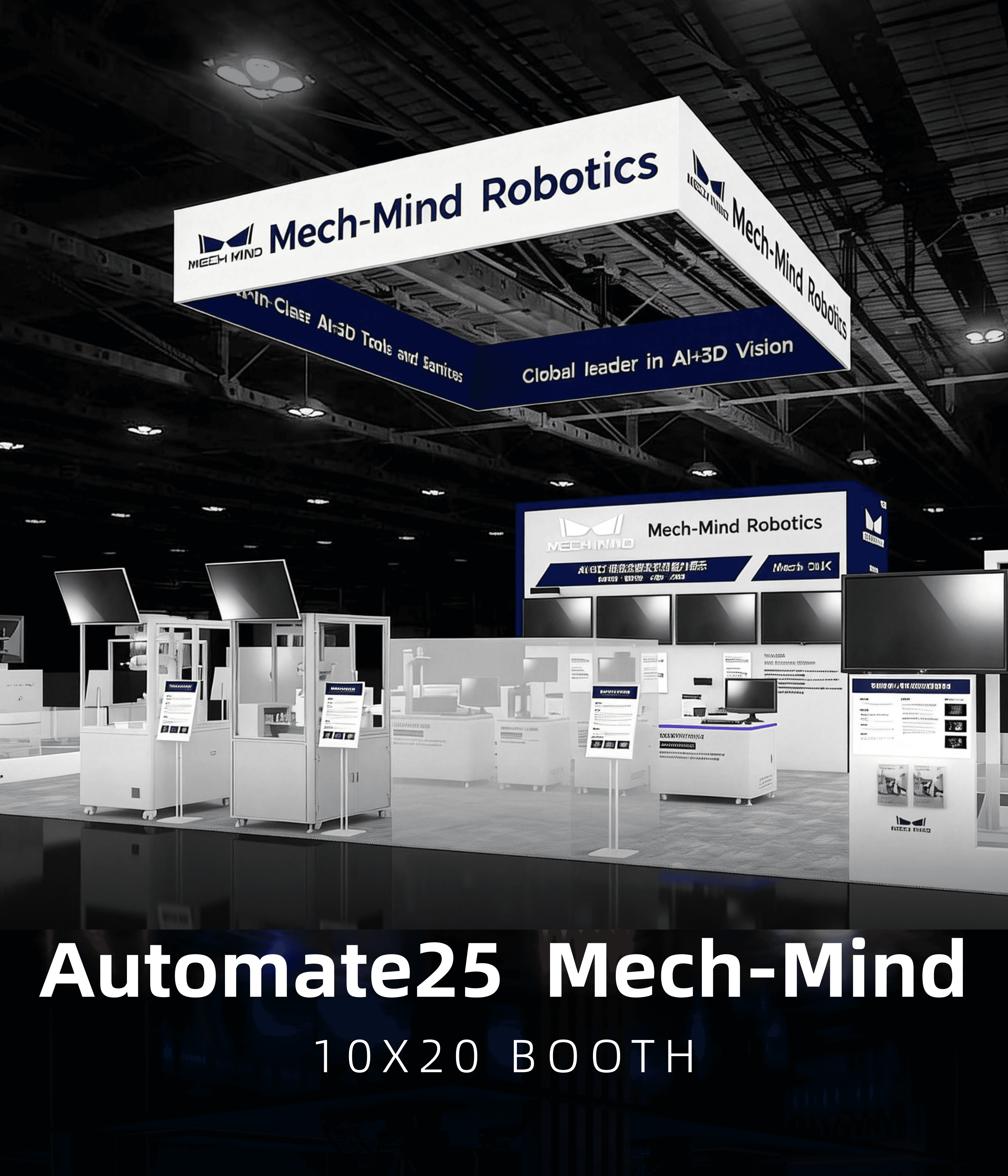
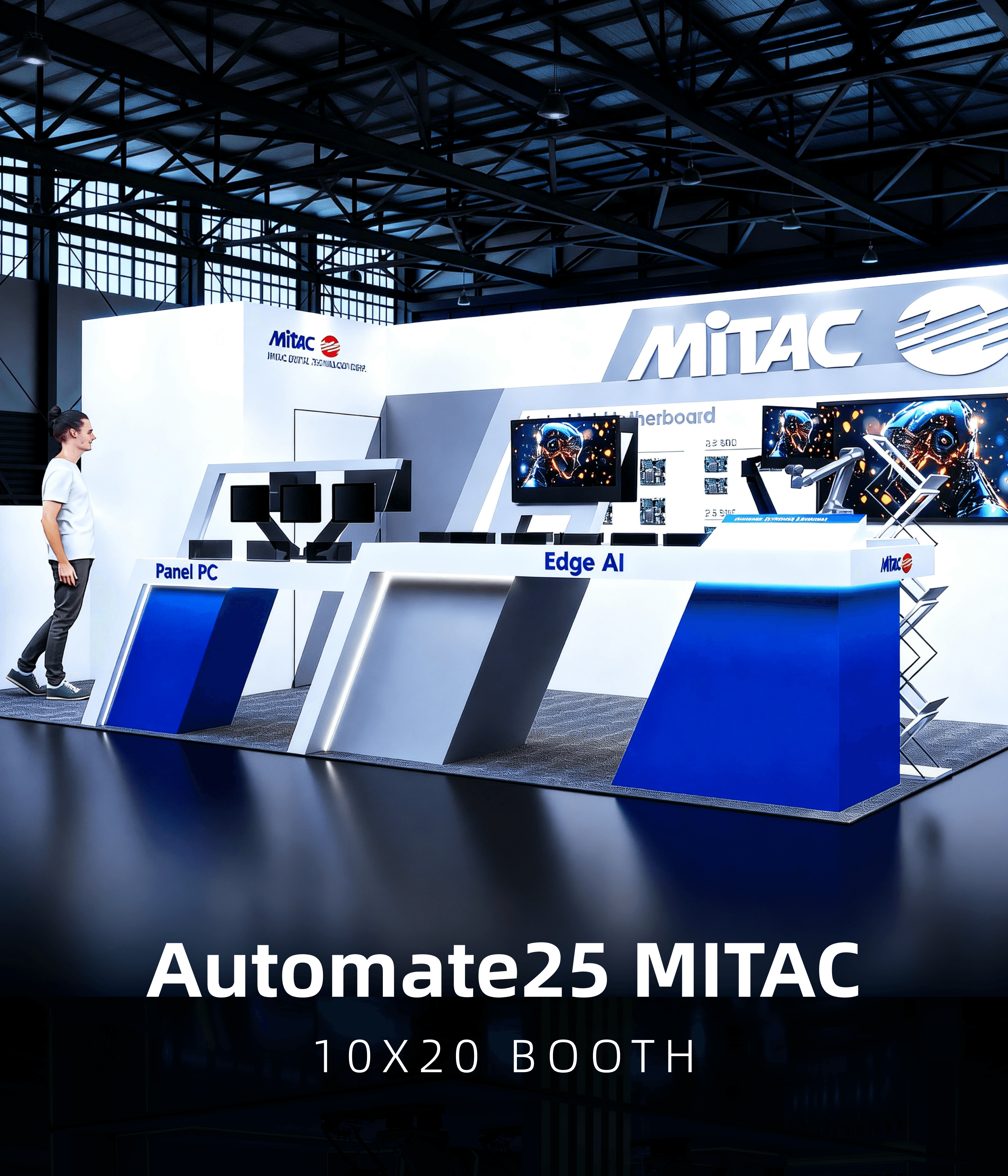
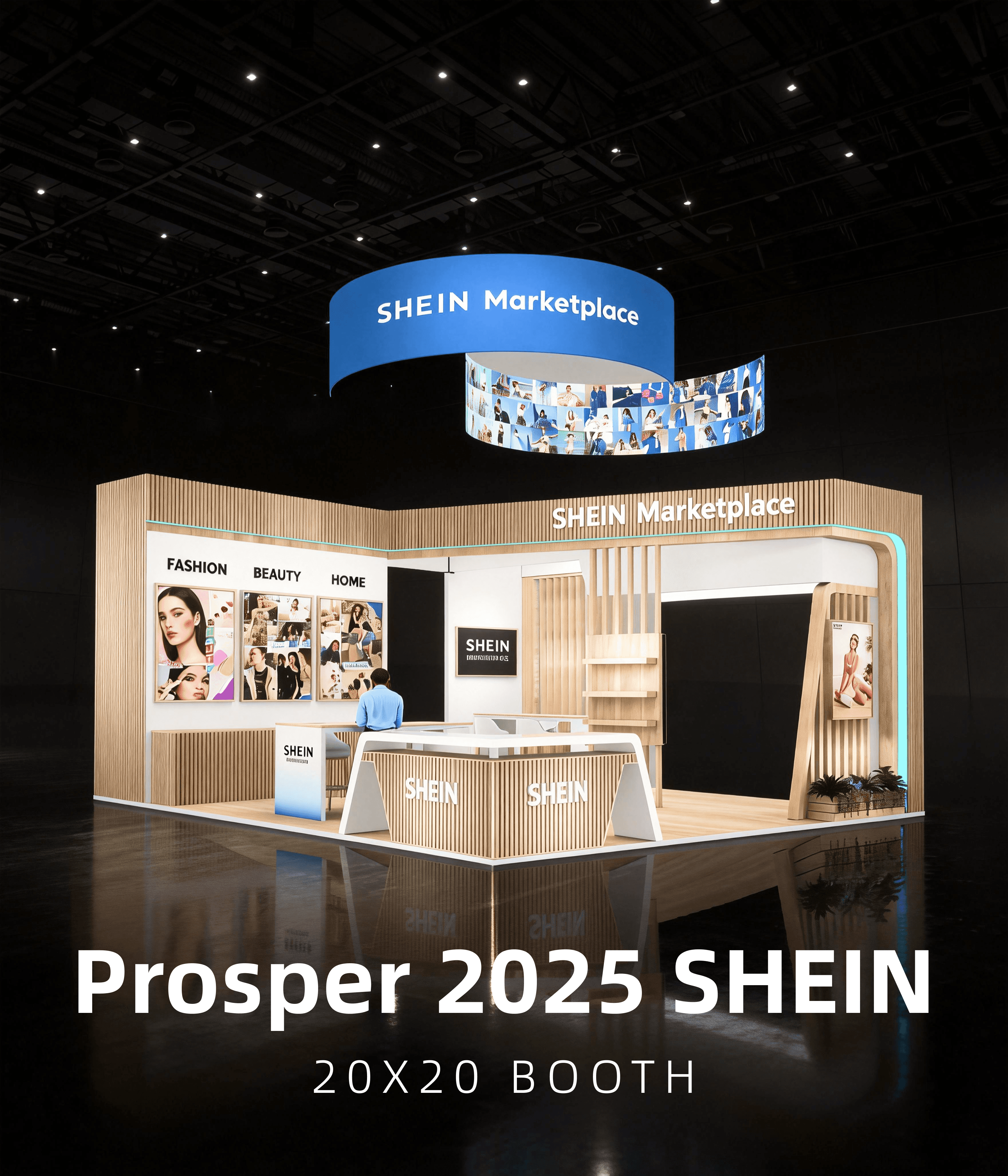
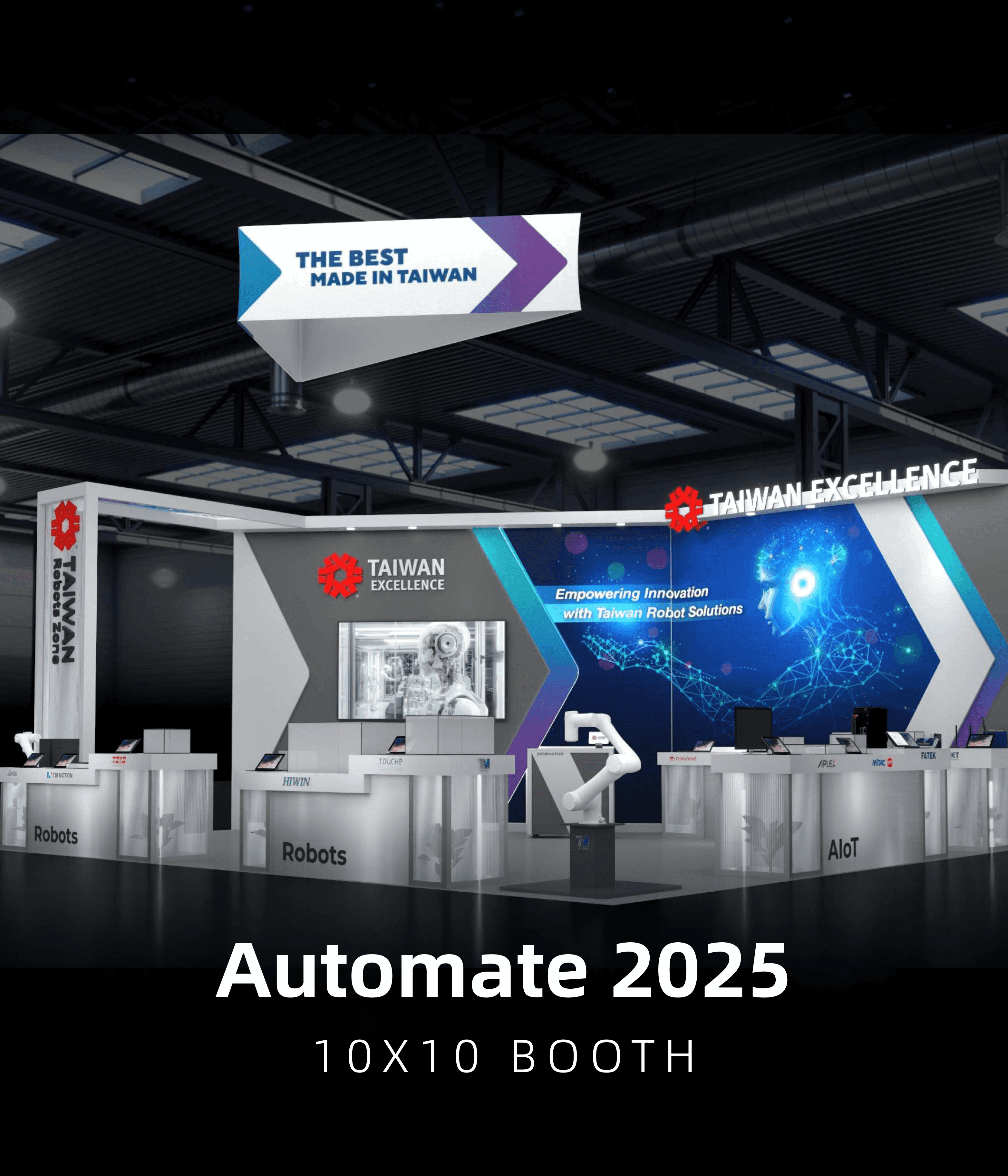
Pre-build structural checks and installation rehearsals can mitigate many of these risks. Confirming that structural drawings align with venue clearance regulations before freight shipment reduces on-site adjustment pressure.
In larger installations, sequencing matters more than speed. Installing overhead frames before floor-level finishing work often improves efficiency and reduces rework.
Planning Timeline for Union-Supported Installations
For medium and large exhibits, installation planning in Las Vegas often begins several months before show opening. Early planning stages typically include:
Structural compliance verification
Hall-specific execution review
Rigging and electrical requirement assessment
Union labor scheduling coordination
Drayage routing and staging evaluation
Pre-show planning also allows fabrication teams to perform fit checks and labeling prior to crating. This reduces uncertainty once freight enters the venue.
In union-regulated environments, preparation before freight departure is frequently more important than on-site adjustment during move-in.
For teams planning larger builds, execution planning for Las Vegas trade show projects should start early to align union scheduling, drayage timing, and hall access windows.



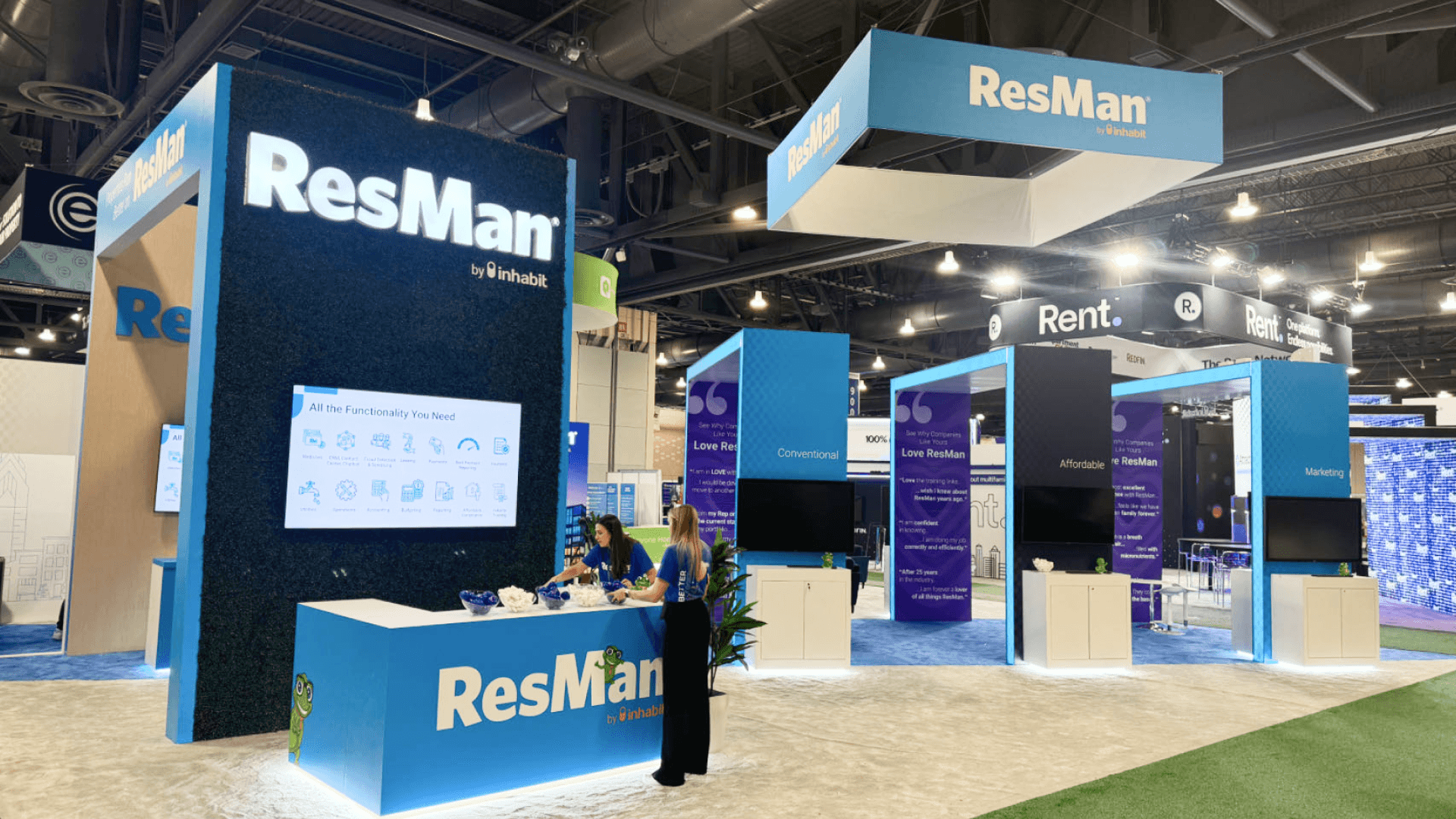
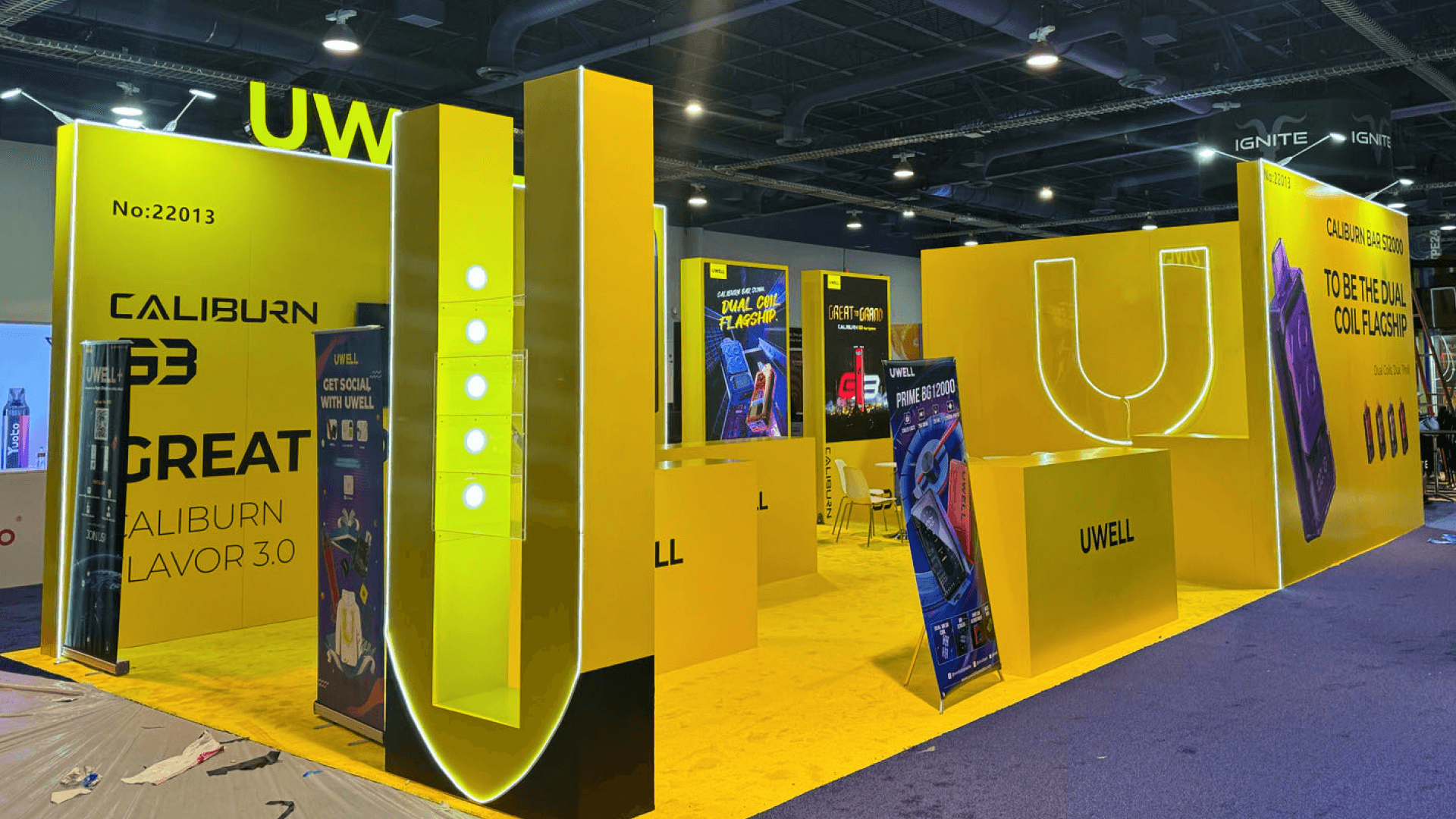
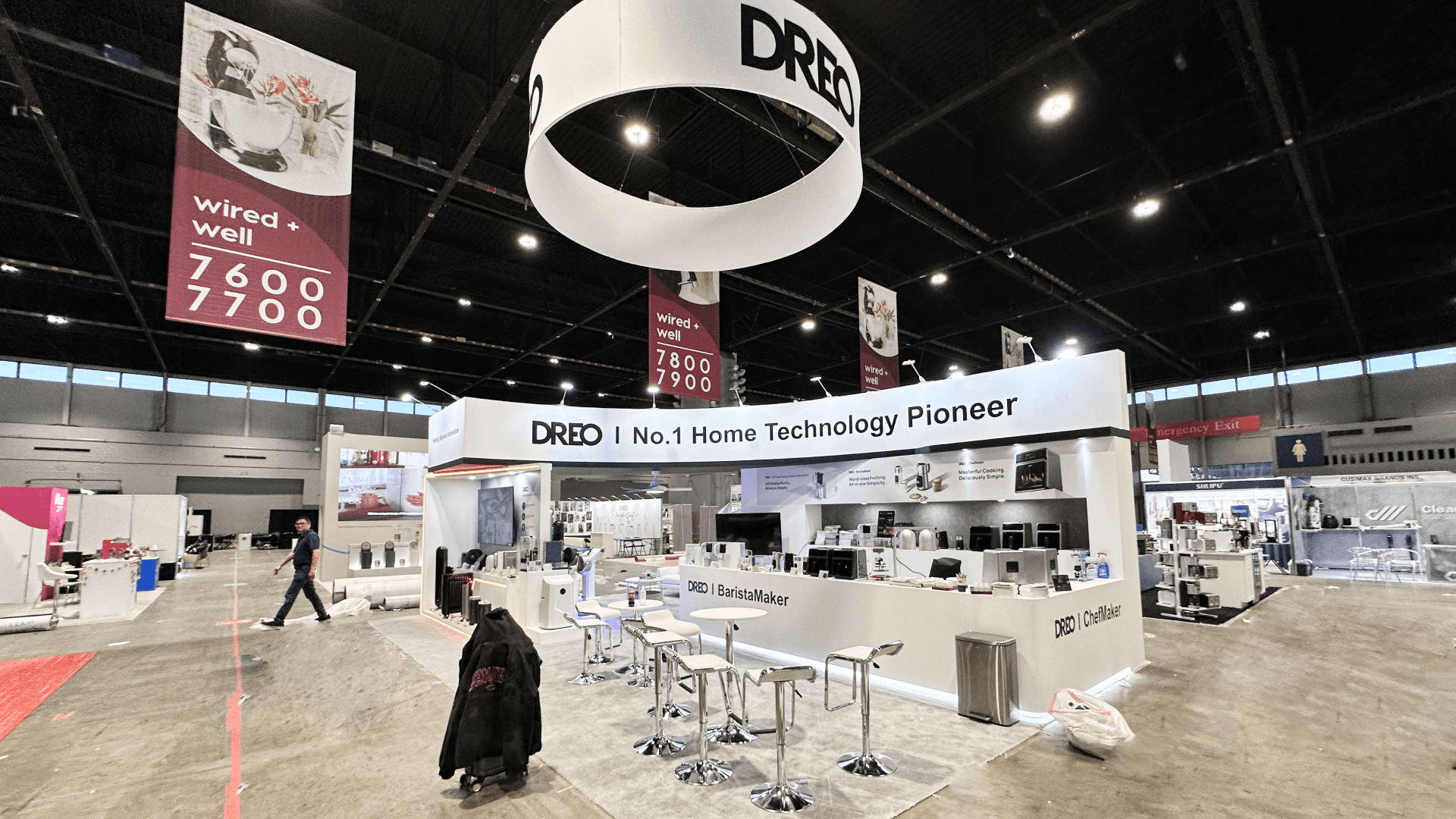
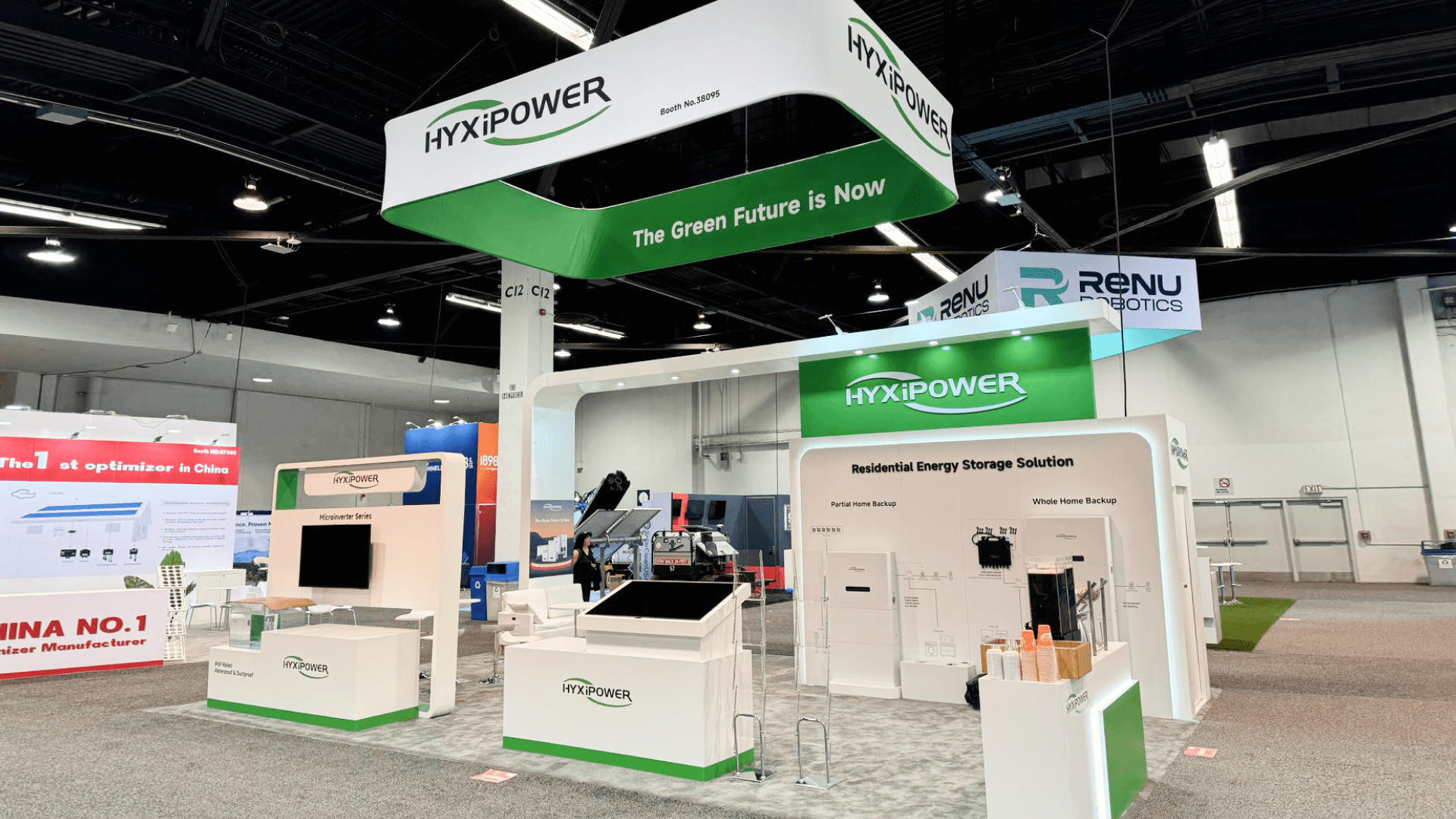
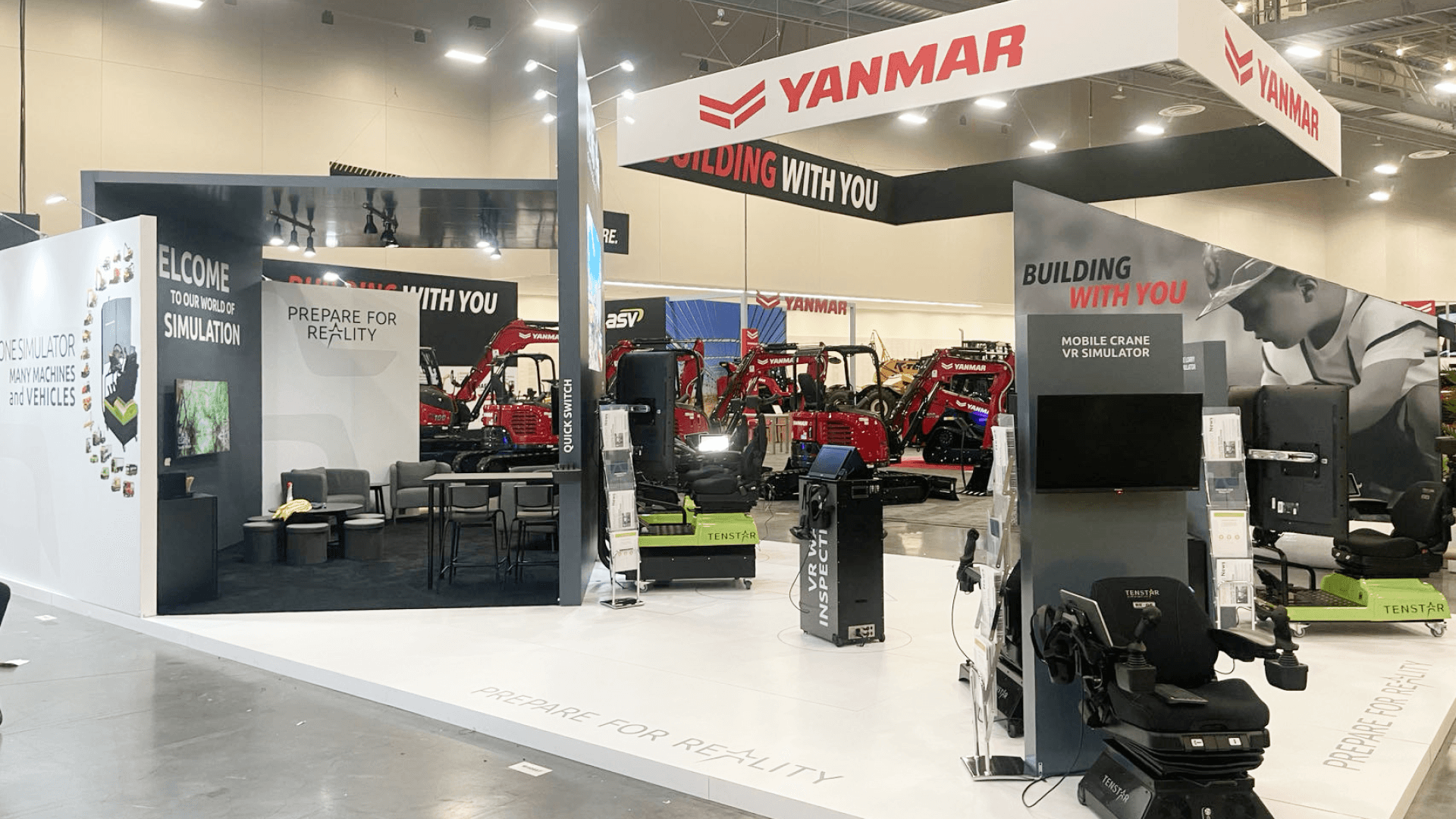
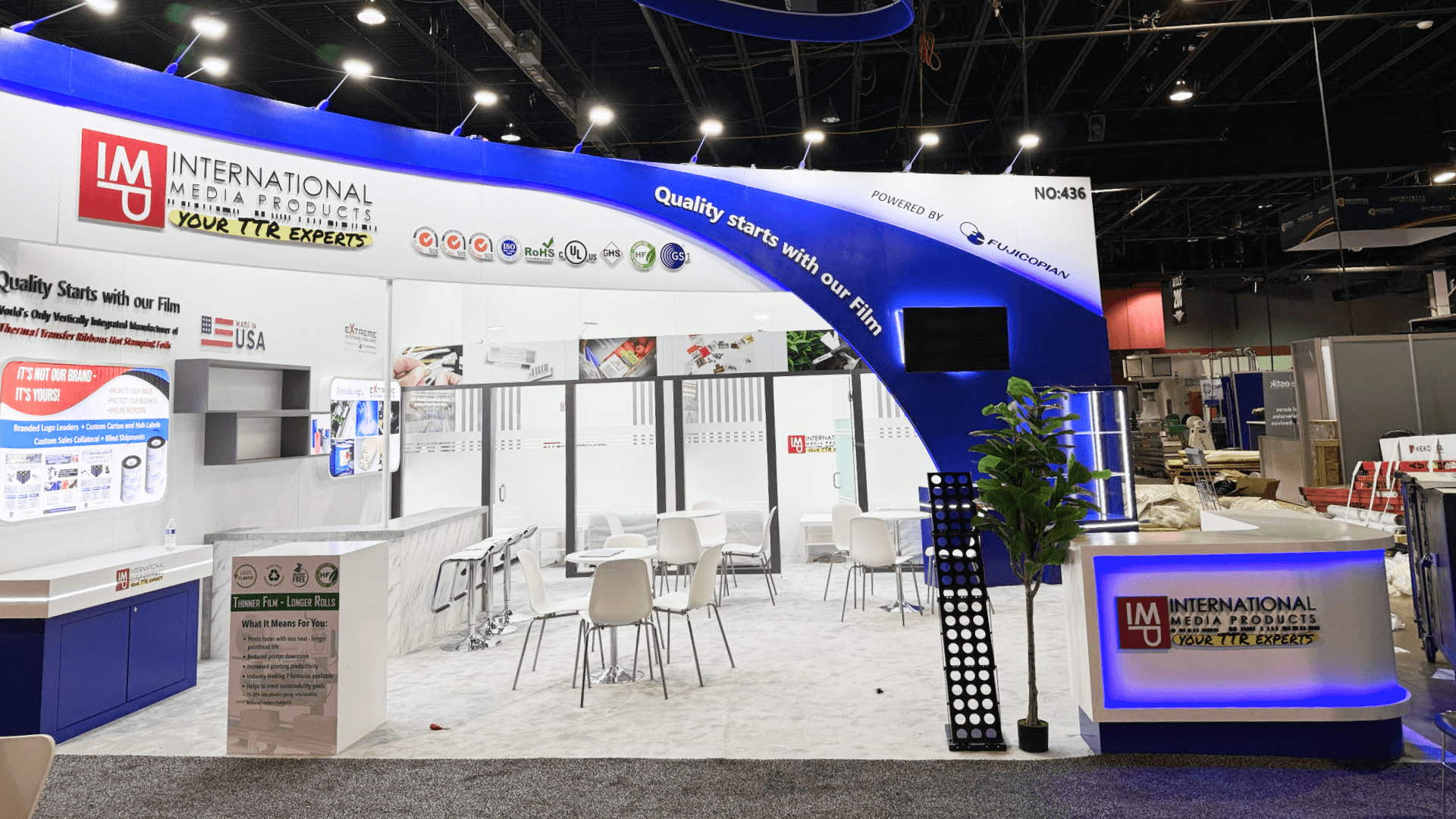
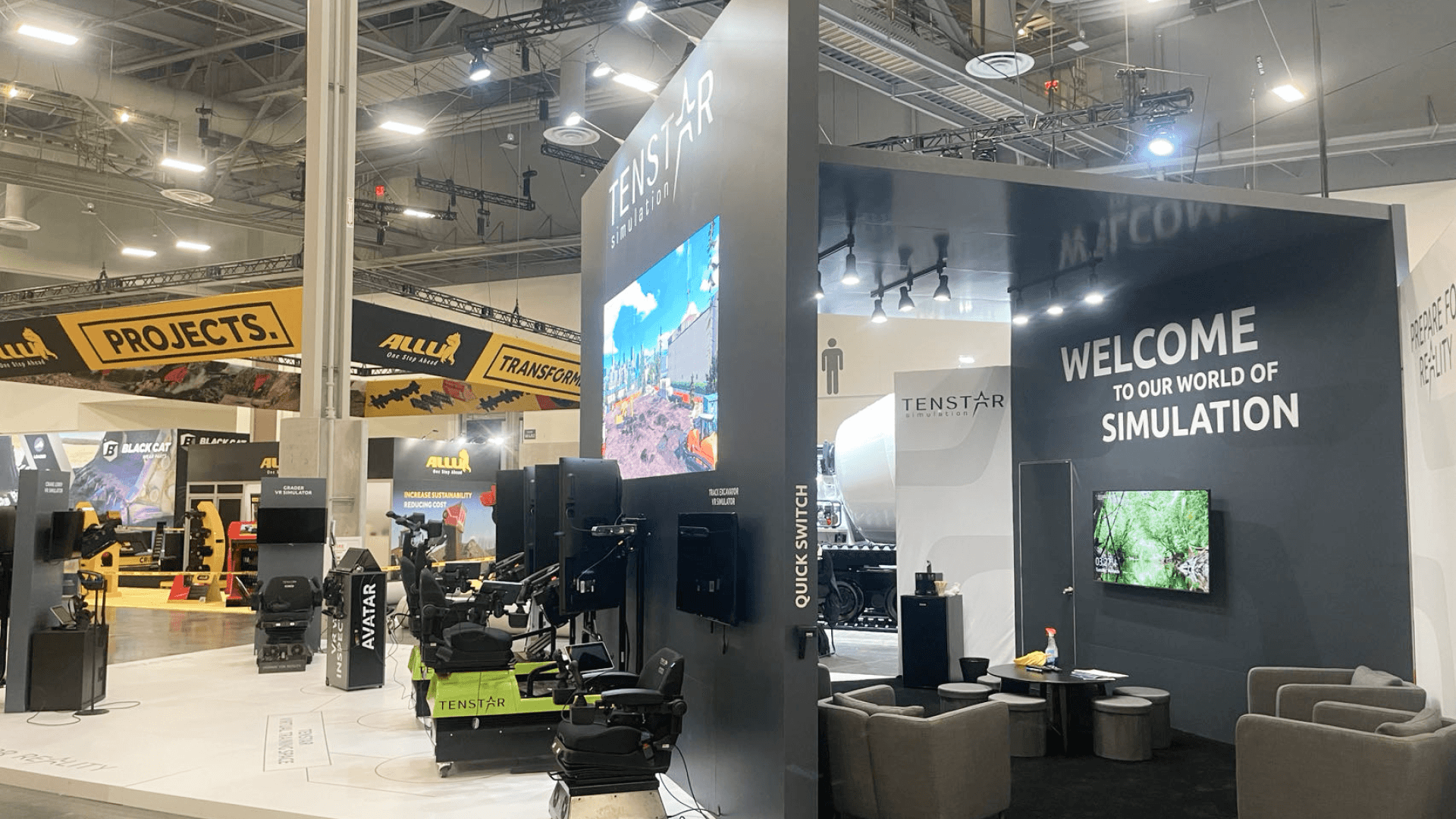
Need a union-coordinated installation plan for your Las Vegas booth?
If you’re building a 20×20, 20×30, or 30×30+ exhibit, labor scheduling, drayage sequencing, and hall access timing should be confirmed before freight ships. Use our Las Vegas builder page to map your booth size, venue workflow, and on-site execution plan.
Frequently Asked Questions
Common questions about customizable trade show booth rentals, sizing, and execution planning.
Is union labor mandatory at Las Vegas trade show venues?

Most major venues, including LVCC, require union labor for structural assembly and dismantle work.
Can exhibitors install their own booths?

Limited tasks may sometimes be performed by exhibitors, but structural, electrical, and rigging work typically falls under union jurisdiction.
How does labor scheduling affect installation timing?
Union labor operates on scheduled time blocks. Misalignment between freight arrival and crew scheduling can result in installation delays.
What is the role of drayage during installation?
Drayage providers handle freight transport from dock to booth space and must be synchronized with labor start times.
Do different LVCC halls have different installation considerations?
Yes. Dock access routes, ceiling heights, and staging layouts may vary between West, Central, and North Halls.
When should installation planning begin?