Why bigger trade show booths don’t guarantee better results

Dec 22, 2025

Why Bigger Booths Don’t Guarantee Better Results

Why Bigger Booths Don’t Guarantee Better Results


Circle Exhibit Team

Industry professionals

Exhibition industry professional dedicated to delivering the latest insights and curated recommendations to you.

Exhibition industry professional dedicated to delivering the latest insights and curated recommendations to you.

Introduction: Size Is Easy to Measure. Performance Is Not.

Introduction: Size Is Easy to Measure. Performance Is Not.

Introduction: Size Is Easy to Measure. Performance Is Not.

In trade shows, size is often mistaken for strength.

Bigger booths imply confidence.
More square footage suggests greater ambition.
Larger budgets signal seriousness.

But while size is easy to measure, performance is not.

Year after year, some of the most effective booths on the show floor are not the biggest. They are the clearest—clear in intent, clear in experience, and clear in what they ask visitors to do.

The Assumption That Scale Equals Impact

The assumption is simple: more space creates more opportunity.

In reality, more space creates more complexity.

Additional entry points dilute focus.
Larger footprints increase decision fatigue.
Unstructured openness invites movement, not engagement.

Without a governing logic, scale amplifies confusion faster than it amplifies results.

This is why expanding a booth without redefining its purpose often leads to underperformance.

Bigger Booths Demand Better Systems

Large booths do not fail because they are large.
They fail because they are treated as enlarged versions of smaller ones.

When scale increases, systems must evolve:

  • How visitors are guided

  • How conversations are staged

  • How staff coordinate and reset

  • How attention is directed and sustained

Without system-level thinking, teams spend the show reacting rather than engaging.

This distinction reinforces the idea explored in
The Booth Is a System, Not a Structure,
where performance depends on interdependent relationships, not footprint alone.

Space Without Intent Disperses Value

Large booths often suffer from unintentional neutrality.

Zones blend together.
Messages compete.
Visitors wander without direction.

The space feels impressive, but nothing anchors attention long enough for meaningful interaction.

This is not a design flaw—it is an intent problem.

As discussed in
From Space to Results: Why High-Performance Booths Must Be Designed Around Outcomes,
space becomes powerful only when outcomes shape how it is used.

Small Booths Can Outperform Large Ones

When intent is clear, size becomes secondary.

Smaller booths often:

  • Force sharper prioritization

  • Reduce distraction

  • Accelerate conversations

  • Encourage staff discipline

These constraints create focus.
Focus creates momentum.

This is why some compact booths consistently outperform larger neighbors—they ask less of visitors and give clearer direction in return.

Bigger Booths Require Behavioral Design

At scale, design must manage behavior, not just appearance.

Where people slow down.
Where they commit time.
Where conversations transition from casual to serious.

When large booths are designed primarily for aesthetics, staff must compensate. When they are designed behaviorally, the space does the work.

This aligns with the Signal → Story → Sale logic outlined in
Signal → Story → Sale: Islands Built to Perform,
where scale supports clarity rather than replacing it.

Results Come From Alignment, Not Area

The strongest predictor of booth performance is not size.

It is alignment:

  • Between message and movement

  • Between staff and space

  • Between intent and execution

When alignment exists, even modest booths perform well.
When it doesn’t, larger booths simply fail at a higher cost.

Conclusion: Bigger Is a Commitment, Not a Shortcut

A larger booth is not a guarantee.
It is a commitment.

A commitment to stronger systems, clearer intent, and better orchestration. Without those, scale magnifies inefficiency rather than impact.

The most successful exhibitors understand this distinction. They don’t ask how big their booth should be—they ask how it should behave.

If you’re evaluating whether to expand your footprint or refine your strategy, the most valuable step is not choosing a size, but defining performance.

👉 Contact Circle Exhibit to discuss how scale, systems, and intent work together to drive consistent results.
Part of Circle Exhibit Insights

In trade shows, size is often mistaken for strength.

Bigger booths imply confidence.
More square footage suggests greater ambition.
Larger budgets signal seriousness.

But while size is easy to measure, performance is not.

Year after year, some of the most effective booths on the show floor are not the biggest. They are the clearest—clear in intent, clear in experience, and clear in what they ask visitors to do.

The Assumption That Scale Equals Impact

The assumption is simple: more space creates more opportunity.

In reality, more space creates more complexity.

Additional entry points dilute focus.
Larger footprints increase decision fatigue.
Unstructured openness invites movement, not engagement.

Without a governing logic, scale amplifies confusion faster than it amplifies results.

This is why expanding a booth without redefining its purpose often leads to underperformance.

Bigger Booths Demand Better Systems

Large booths do not fail because they are large.
They fail because they are treated as enlarged versions of smaller ones.

When scale increases, systems must evolve:

  • How visitors are guided

  • How conversations are staged

  • How staff coordinate and reset

  • How attention is directed and sustained

Without system-level thinking, teams spend the show reacting rather than engaging.

This distinction reinforces the idea explored in
The Booth Is a System, Not a Structure,
where performance depends on interdependent relationships, not footprint alone.

Space Without Intent Disperses Value

Large booths often suffer from unintentional neutrality.

Zones blend together.
Messages compete.
Visitors wander without direction.

The space feels impressive, but nothing anchors attention long enough for meaningful interaction.

This is not a design flaw—it is an intent problem.

As discussed in
From Space to Results: Why High-Performance Booths Must Be Designed Around Outcomes,
space becomes powerful only when outcomes shape how it is used.

Small Booths Can Outperform Large Ones

When intent is clear, size becomes secondary.

Smaller booths often:

  • Force sharper prioritization

  • Reduce distraction

  • Accelerate conversations

  • Encourage staff discipline

These constraints create focus.
Focus creates momentum.

This is why some compact booths consistently outperform larger neighbors—they ask less of visitors and give clearer direction in return.

Bigger Booths Require Behavioral Design

At scale, design must manage behavior, not just appearance.

Where people slow down.
Where they commit time.
Where conversations transition from casual to serious.

When large booths are designed primarily for aesthetics, staff must compensate. When they are designed behaviorally, the space does the work.

This aligns with the Signal → Story → Sale logic outlined in
Signal → Story → Sale: Islands Built to Perform,
where scale supports clarity rather than replacing it.

Results Come From Alignment, Not Area

The strongest predictor of booth performance is not size.

It is alignment:

  • Between message and movement

  • Between staff and space

  • Between intent and execution

When alignment exists, even modest booths perform well.
When it doesn’t, larger booths simply fail at a higher cost.

Conclusion: Bigger Is a Commitment, Not a Shortcut

A larger booth is not a guarantee.
It is a commitment.

A commitment to stronger systems, clearer intent, and better orchestration. Without those, scale magnifies inefficiency rather than impact.

The most successful exhibitors understand this distinction. They don’t ask how big their booth should be—they ask how it should behave.

If you’re evaluating whether to expand your footprint or refine your strategy, the most valuable step is not choosing a size, but defining performance.

👉 Contact Circle Exhibit to discuss how scale, systems, and intent work together to drive consistent results.
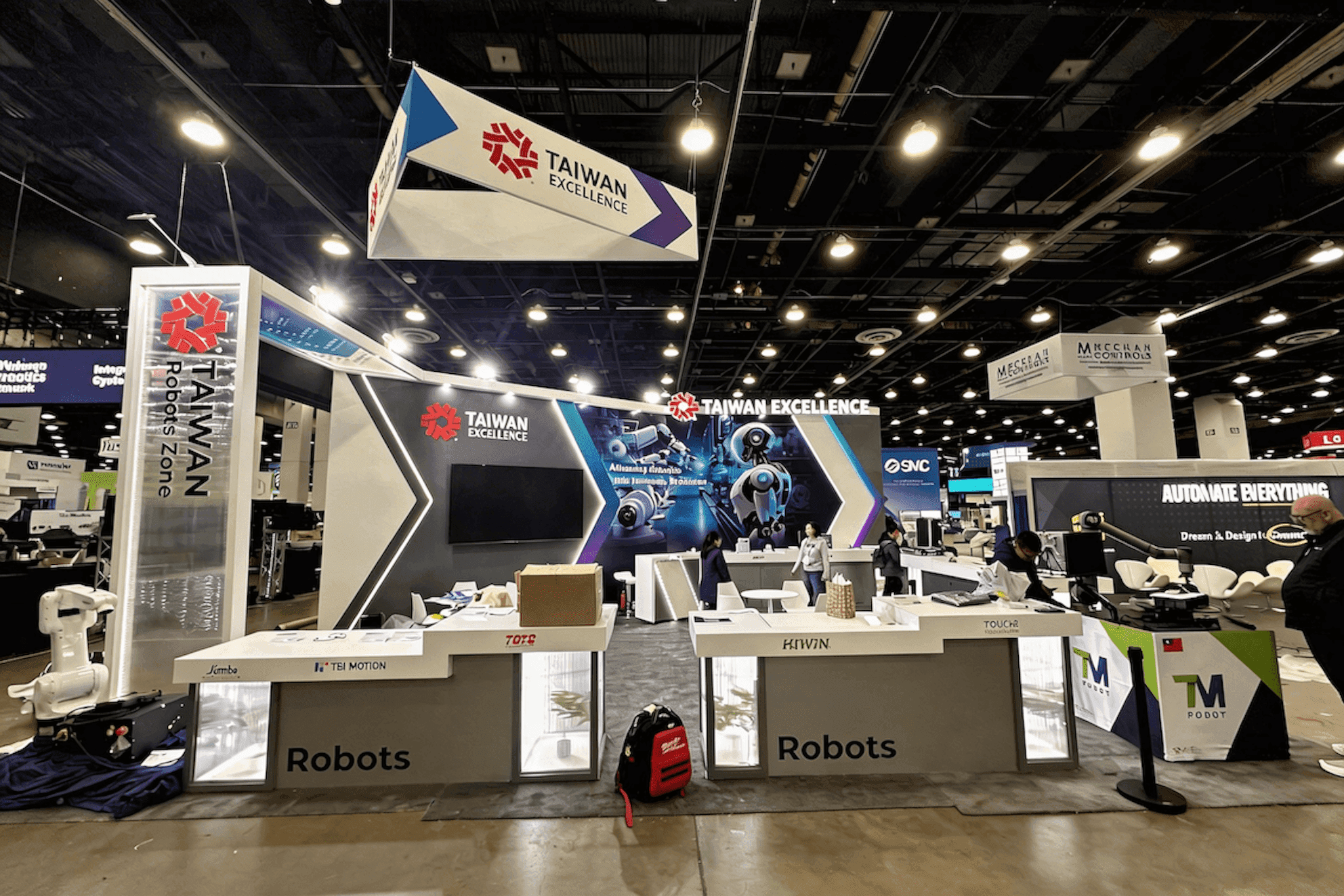
Part of Circle Exhibit Insights

Message

Leave your message and we will get back to you ASAP

Send a Message

We’ll Be in Touch!

Message

Leave your message and we will get back to you ASAP

If you’re ready to shape the future with us, your journey could start here.

If you’re ready to shape the future with us, your journey could start here.

If you’re ready to shape the future with us, your journey could start here.

Address:

4935 Steptoe Street #300

Las Vegas, NV 89122