Designing trade show booths for people, not traffic

Dec 23, 2025

Designing for People, Not Traffic

Designing for People, Not Traffic


Circle Exhibit Team

Industry professionals

Exhibition industry professional dedicated to delivering the latest insights and curated recommendations to you.

Exhibition industry professional dedicated to delivering the latest insights and curated recommendations to you.

Introduction: Traffic Is a Metric. People Are the Reality.

Introduction: Traffic Is a Metric. People Are the Reality.

Introduction: Traffic Is a Metric. People Are the Reality.

Trade show success is often discussed in terms of traffic.

How many people passed by.
How crowded the aisle felt.
How busy the booth looked from a distance.

But traffic is not engagement.
And movement is not intent.

High-performing booths are not designed to attract the most people.
They are designed to support the right people, at the right moments, in the right way.

When Traffic Becomes the Wrong Objective

Designing for traffic optimizes visibility.
Designing for people optimizes behavior.

Booths built around traffic tend to prioritize:

  • Maximum openness

  • Visual reach from afar

  • Continuous flow through the space

The result is often impressive motion with minimal depth. Visitors pass through, glance around, and leave without anchoring long enough for meaningful interaction.

The booth looks active—but little actually happens.

People Don’t Move Like Data

People do not behave like counts on a dashboard.

They hesitate.
They scan.
They test comfort before committing attention.

When booths are designed as if visitors will behave rationally and predictably, friction appears. Entrances feel exposed. Conversations feel rushed. Decisions feel public.

Designing for people means acknowledging these subtleties—not overriding them with spectacle.

Engagement Requires Psychological Safety

Most meaningful conversations at trade shows do not start at the aisle edge.

They start when visitors feel:

  • Comfortable slowing down

  • Confident they won’t be interrupted

  • Safe enough to ask questions or reveal uncertainty

Booths designed purely for traffic often strip away this safety. Everything is visible. Nothing feels owned. Conversations stay surface-level by necessity.

Designing for people means creating gradients—from open to focused, from public to semi-private—without isolating or enclosing.

Traffic Is a Byproduct, Not a Strategy

High-performing booths rarely chase traffic.

Instead, they clarify intent:

  • Who the booth is for

  • What problem it addresses

  • What kind of interaction it supports

When intent is clear, the right people self-select.
Traffic becomes a byproduct of relevance, not a goal in itself.

This idea echoes the principle explored in
Why Bigger Booths Don’t Guarantee Better Results,
where scale and exposure only matter when aligned with behavior.

People-Centered Design Changes the Role of Staff

When booths are designed for traffic, staff react.

They intercept.
They pitch.
They compete for attention.

When booths are designed for people, staff support.

They guide.
They respond.
They deepen conversations already in motion.

The space does more of the work, allowing teams to focus on quality rather than volume.

This shift is only possible when design is treated as infrastructure, not decoration—a distinction developed in
The Booth Is a System, Not a Structure.

Measuring What Actually Matters

People-centered booths are evaluated differently.

Not by how busy they appear, but by:

  • How long visitors stay

  • How naturally conversations progress

  • How supported staff feel

  • How clearly intent is communicated

These indicators are harder to capture than footfall, but they correlate far more closely with outcomes.

Performance becomes quieter—but more reliable.

Conclusion: Attention Is Earned, Not Captured

Traffic can be attracted.
Attention must be earned.

Booths designed for people recognize this difference. They trade spectacle for clarity, exposure for comfort, and volume for relevance.

The most effective exhibits are not the busiest on the show floor.
They are the ones where the right conversations happen consistently.

If you’re evaluating whether your booth is designed to impress passersby or support real engagement, the answer often lies in who the space is truly built for.

👉 Contact Circle Exhibit to discuss how people-centered exhibit design creates environments where conversations—and results—can actually happen.
Part of Circle Exhibit Insights

Trade show success is often discussed in terms of traffic.

How many people passed by.
How crowded the aisle felt.
How busy the booth looked from a distance.

But traffic is not engagement.
And movement is not intent.

High-performing booths are not designed to attract the most people.
They are designed to support the right people, at the right moments, in the right way.

When Traffic Becomes the Wrong Objective

Designing for traffic optimizes visibility.
Designing for people optimizes behavior.

Booths built around traffic tend to prioritize:

  • Maximum openness

  • Visual reach from afar

  • Continuous flow through the space

The result is often impressive motion with minimal depth. Visitors pass through, glance around, and leave without anchoring long enough for meaningful interaction.

The booth looks active—but little actually happens.

People Don’t Move Like Data

People do not behave like counts on a dashboard.

They hesitate.
They scan.
They test comfort before committing attention.

When booths are designed as if visitors will behave rationally and predictably, friction appears. Entrances feel exposed. Conversations feel rushed. Decisions feel public.

Designing for people means acknowledging these subtleties—not overriding them with spectacle.

Engagement Requires Psychological Safety

Most meaningful conversations at trade shows do not start at the aisle edge.

They start when visitors feel:

  • Comfortable slowing down

  • Confident they won’t be interrupted

  • Safe enough to ask questions or reveal uncertainty

Booths designed purely for traffic often strip away this safety. Everything is visible. Nothing feels owned. Conversations stay surface-level by necessity.

Designing for people means creating gradients—from open to focused, from public to semi-private—without isolating or enclosing.

Traffic Is a Byproduct, Not a Strategy

High-performing booths rarely chase traffic.

Instead, they clarify intent:

  • Who the booth is for

  • What problem it addresses

  • What kind of interaction it supports

When intent is clear, the right people self-select.
Traffic becomes a byproduct of relevance, not a goal in itself.

This idea echoes the principle explored in
Why Bigger Booths Don’t Guarantee Better Results,
where scale and exposure only matter when aligned with behavior.

People-Centered Design Changes the Role of Staff

When booths are designed for traffic, staff react.

They intercept.
They pitch.
They compete for attention.

When booths are designed for people, staff support.

They guide.
They respond.
They deepen conversations already in motion.

The space does more of the work, allowing teams to focus on quality rather than volume.

This shift is only possible when design is treated as infrastructure, not decoration—a distinction developed in
The Booth Is a System, Not a Structure.

Measuring What Actually Matters

People-centered booths are evaluated differently.

Not by how busy they appear, but by:

  • How long visitors stay

  • How naturally conversations progress

  • How supported staff feel

  • How clearly intent is communicated

These indicators are harder to capture than footfall, but they correlate far more closely with outcomes.

Performance becomes quieter—but more reliable.

Conclusion: Attention Is Earned, Not Captured

Traffic can be attracted.
Attention must be earned.

Booths designed for people recognize this difference. They trade spectacle for clarity, exposure for comfort, and volume for relevance.

The most effective exhibits are not the busiest on the show floor.
They are the ones where the right conversations happen consistently.

If you’re evaluating whether your booth is designed to impress passersby or support real engagement, the answer often lies in who the space is truly built for.

👉 Contact Circle Exhibit to discuss how people-centered exhibit design creates environments where conversations—and results—can actually happen.
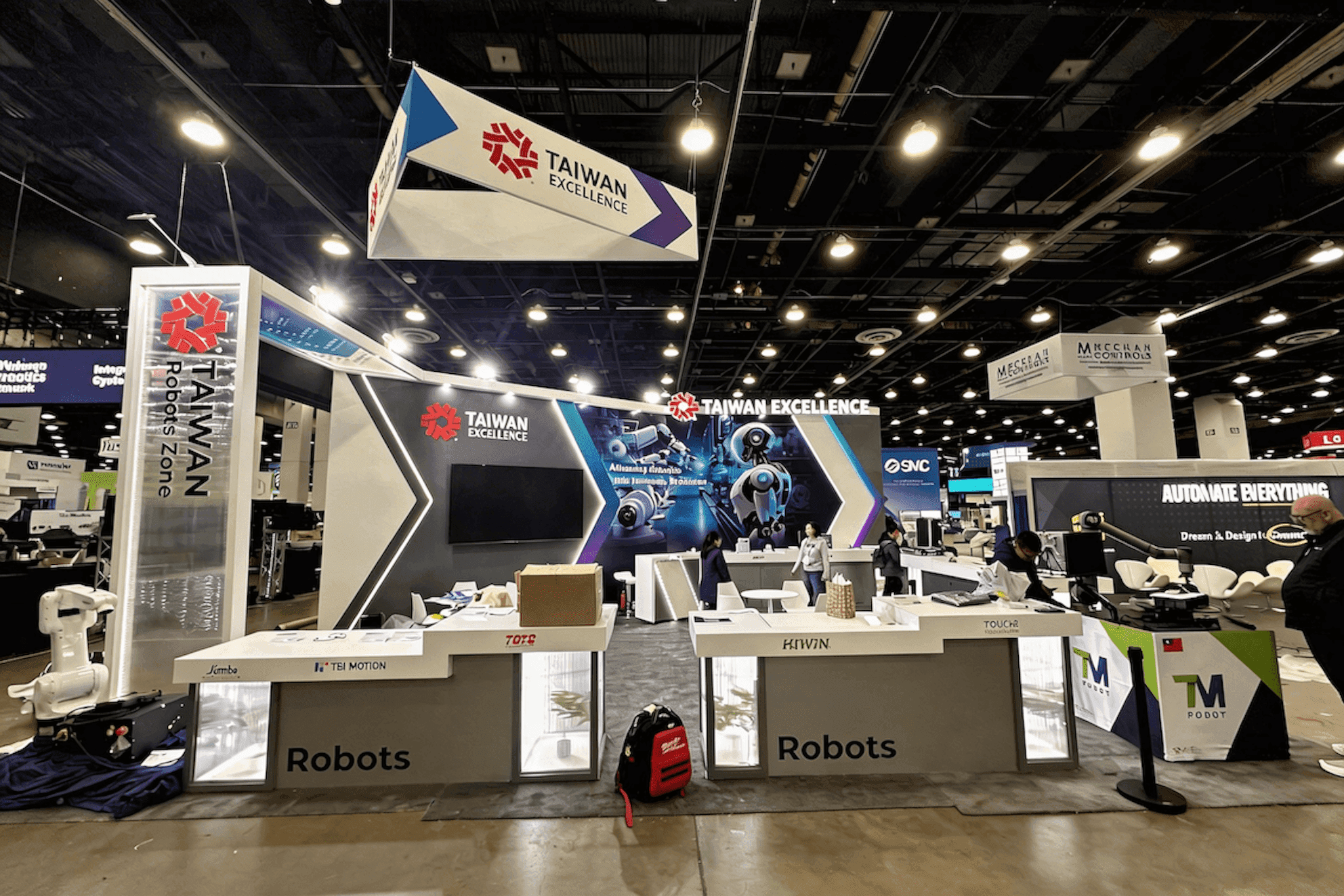
Part of Circle Exhibit Insights

Message

Leave your message and we will get back to you ASAP

Send a Message

We’ll Be in Touch!

Message

Leave your message and we will get back to you ASAP

If you’re ready to shape the future with us, your journey could start here.

If you’re ready to shape the future with us, your journey could start here.

If you’re ready to shape the future with us, your journey could start here.

Address:

4935 Steptoe Street #300

Las Vegas, NV 89122