Portable, Modular, and Custom Booths: The Practical Differences
Portable prioritizes simplicity and transport. Modular prioritizes reconfiguration and functional flexibility. Custom fabrication becomes relevant when architectural, product-specific, or technical requirements cannot be handled efficiently with standard systems.
Decision Factor | Portable | Modular | Custom |
|---|---|---|---|
Setup | Usually fast and simple | Depends on configuration | Planned installation is common |
Shipping | Compact | More components and packing | Crates and freight are common |
Reconfiguration | Limited | Strong | Project-specific |
Branding | Graphic-led | Strong visual flexibility | Highest architectural freedom |
Booth Size Flexibility | Best for smaller, simpler footprints | Works well across changing layouts | Best when designed around specific requirements |
Product Demo | Simple presentations | Multiple demos and screens | Specialized products or complex demonstrations |
Storage | Limited | Can be integrated | Can be designed around exact needs |
Reuse | Straightforward when needs stay simple | Strong component reuse | Possible when planned from the start |
Best Fit | Simple exhibits | Flexible, functional exhibits | Highly specific or distinctive exhibits |
The table is a starting point, not a ranking. A portable booth can be exactly right for a simple exhibit, while a custom build can add unnecessary complexity when the booth does not require specialized structure.
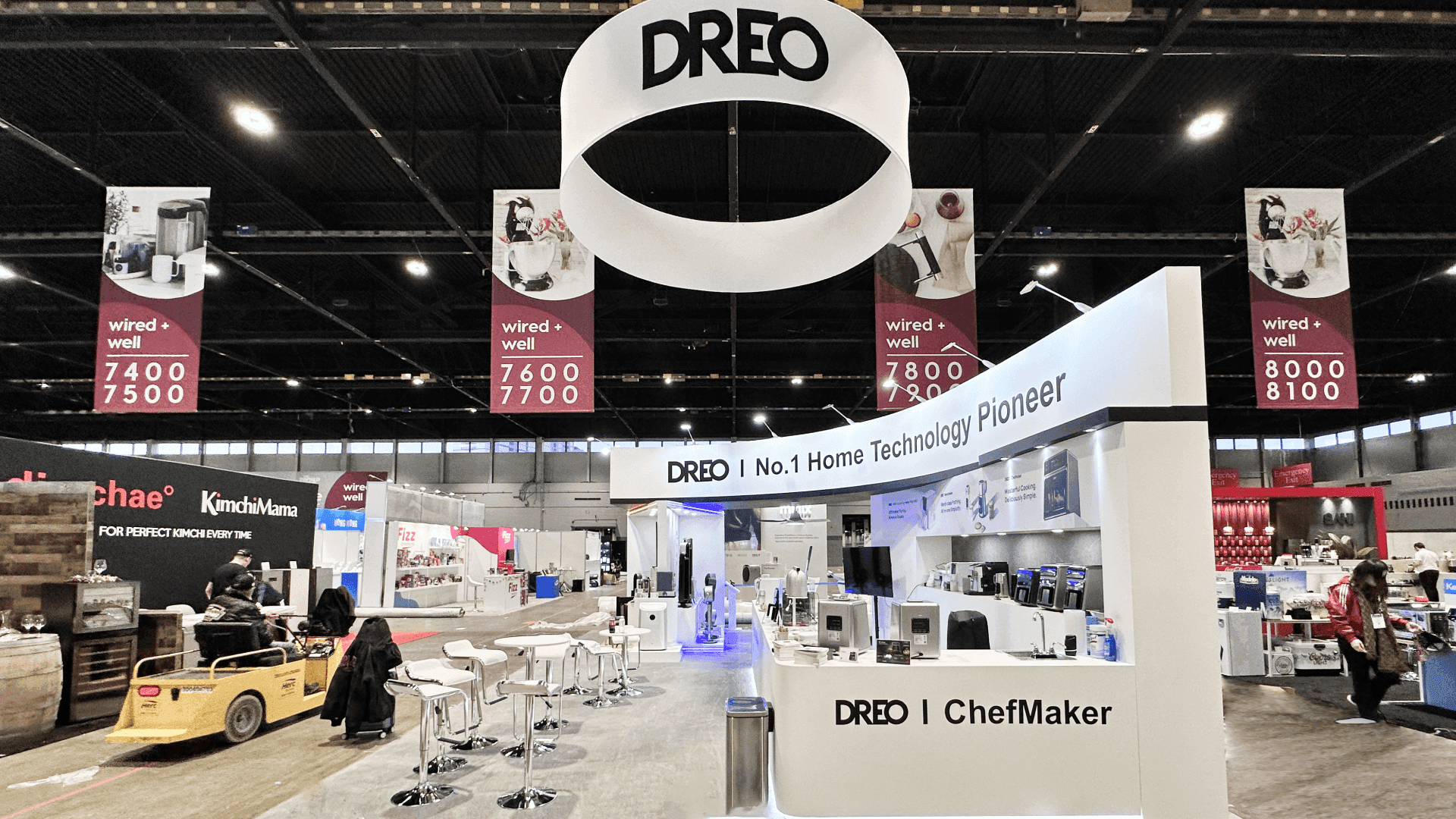
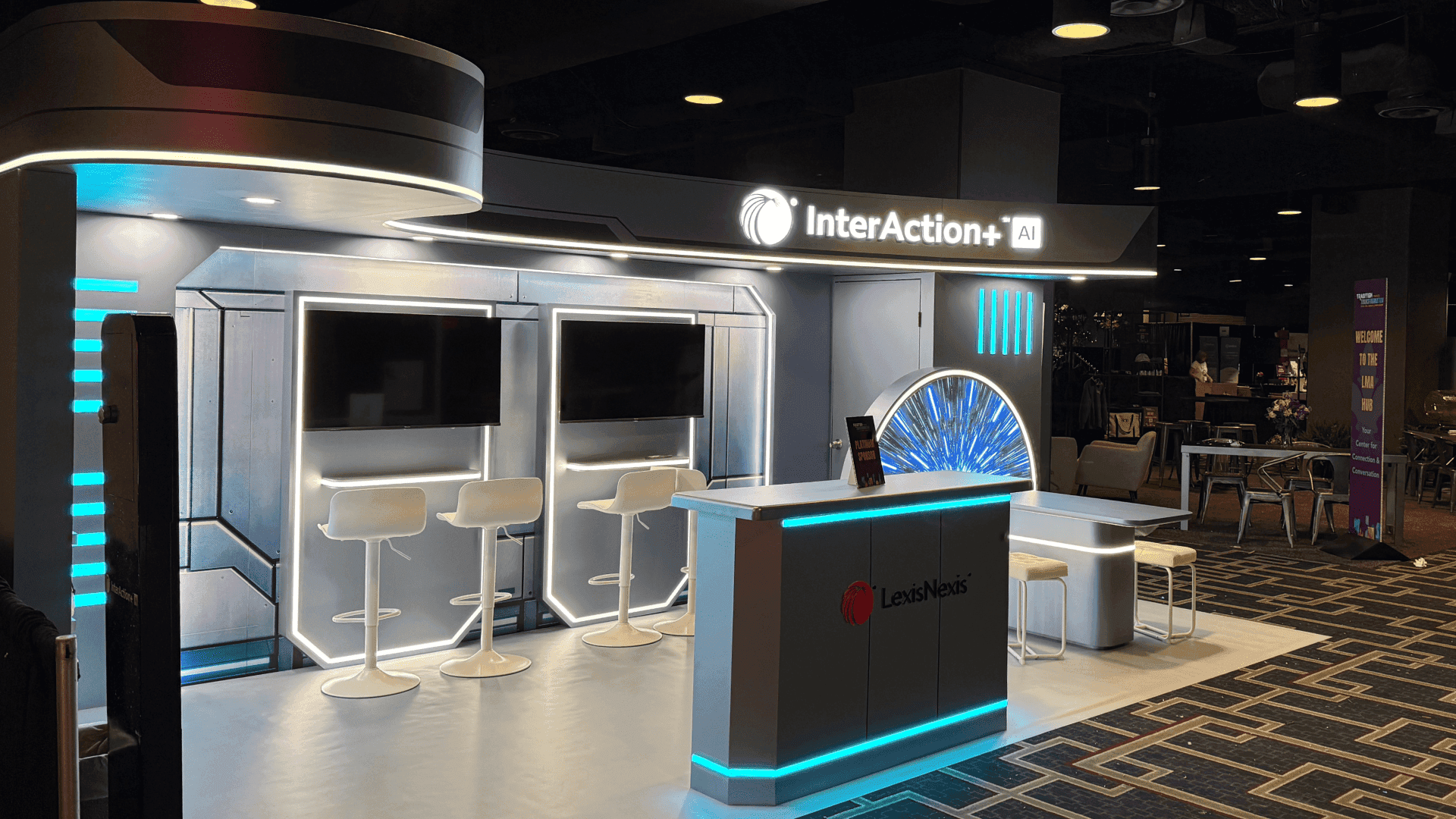
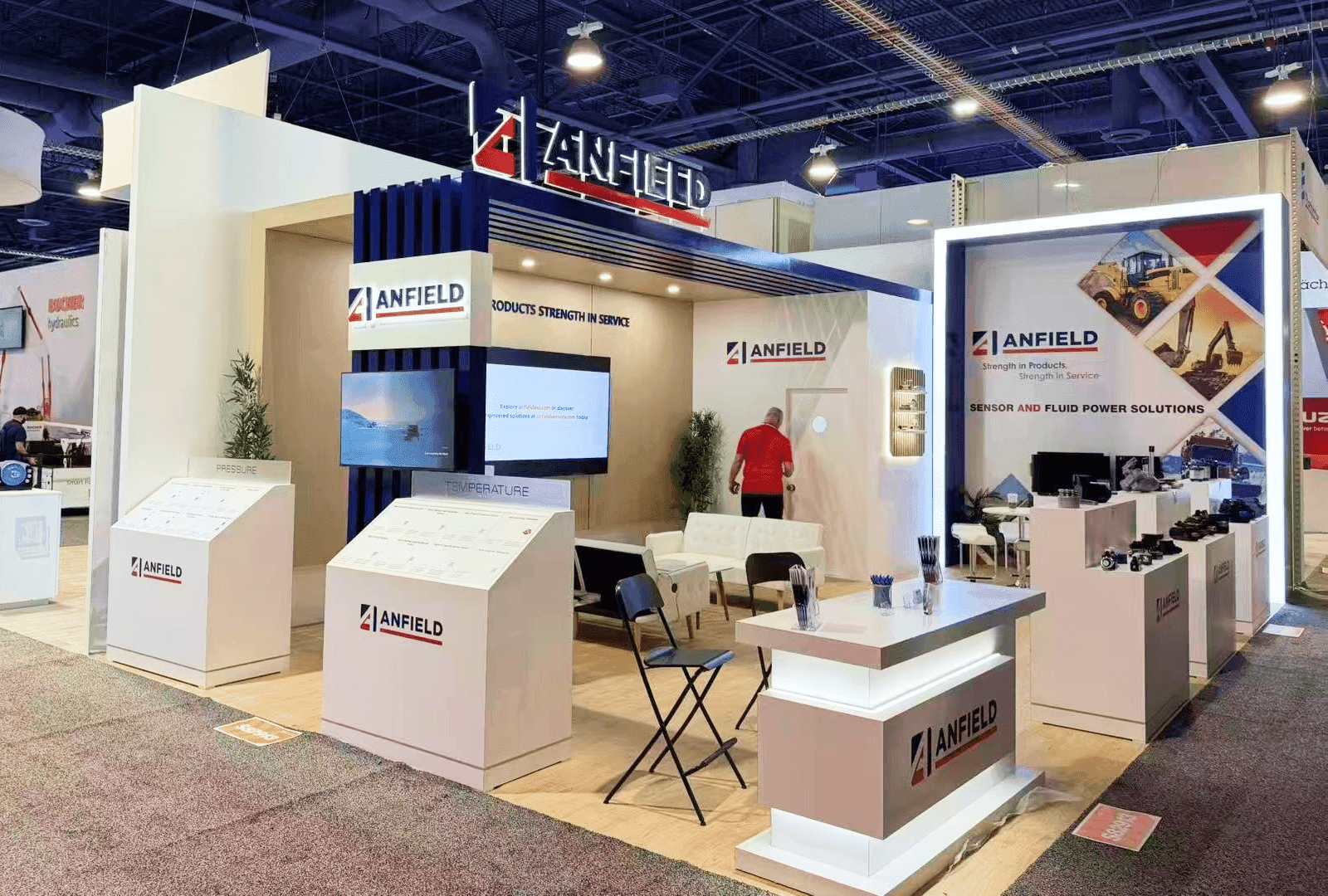
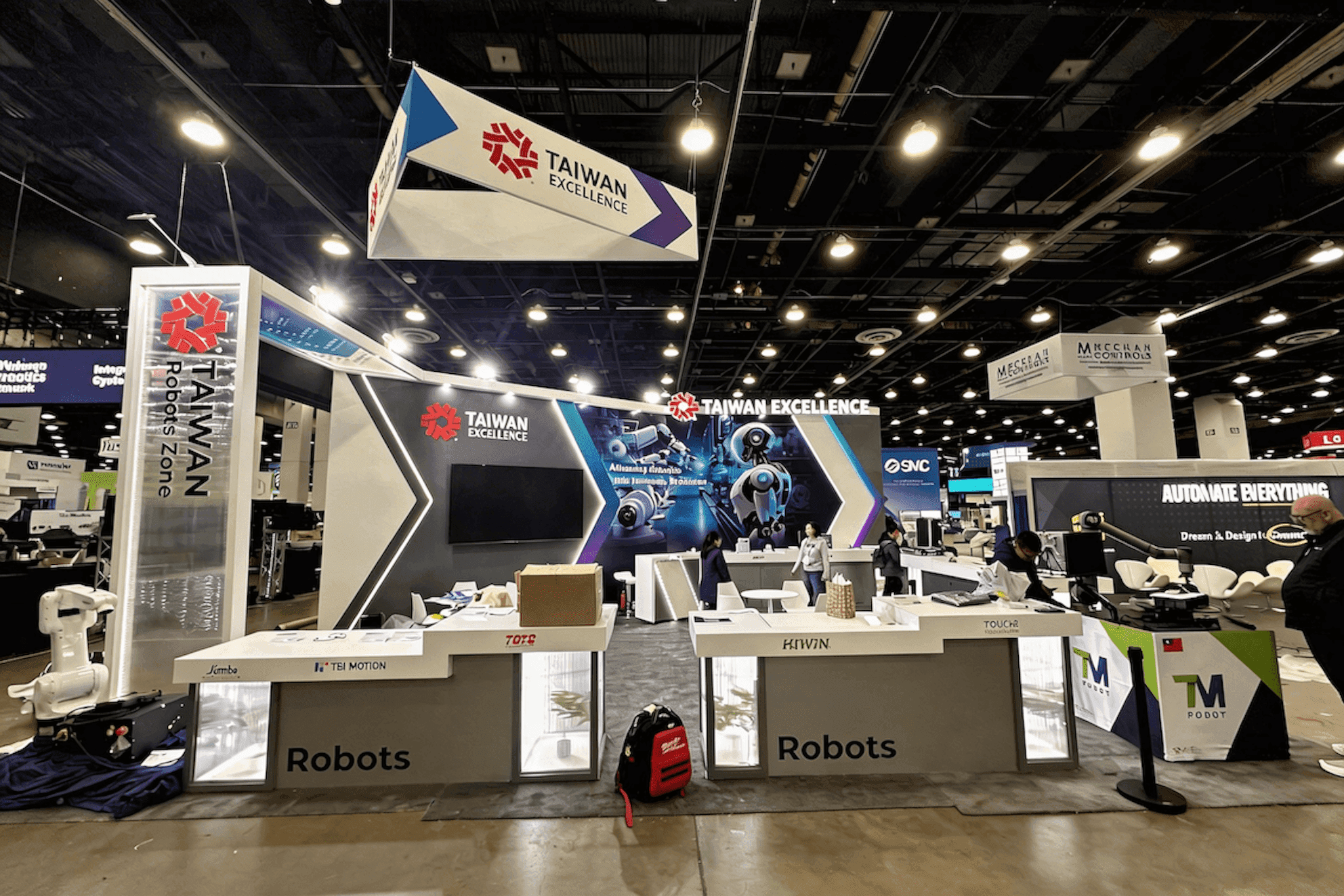
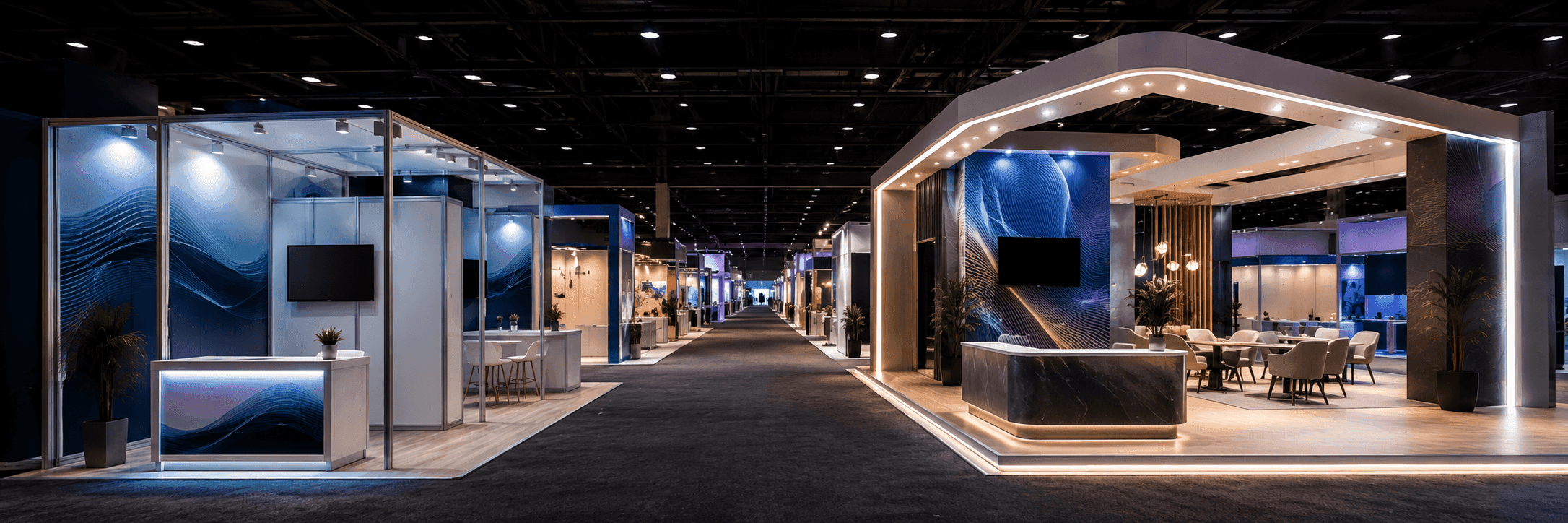
Portable, modular, and custom booth systems support different levels of setup, flexibility, branding, and functional requirements.
Where Each Booth System Fits Best
The useful question is not which system is “better,” but which one fits the booth’s actual size, functions, transport requirements, and branding needs.
Choose Portable When...
A portable booth is still enough when the exhibit mainly needs a clear branded presence, straightforward product presentation, compact shipping, and simple setup.
A backwall, counter, monitor, and small product display can often be handled without adding more structure. Portable systems are especially practical when there is little need for concealed storage, meetings, several demo points, or architectural features.
In those situations, moving to a more complex system may add handling and setup requirements without improving what the booth actually needs to accomplish.
When Portable Starts to Strain
A portable display stops being enough when several functions begin competing for the same space.
A second screen, multiple demos, hidden storage, meeting seats, reception, and separate visitor zones can turn a collection of portable pieces into a layout problem. The issue is no longer whether another counter or display can physically fit; it is whether the booth can still operate as one coordinated space.
At that point, a customizable trade show booth rental can provide integrated structure for demos, meetings, storage, and branding without requiring every element to become a permanent custom build.
Choose Modular When...
Modular makes sense when the exhibit needs more function but still benefits from flexibility.
Reusable frames, walls, counters, graphics, and display elements can support different combinations of demos, screens, storage, and meetings. That becomes particularly useful when layouts or booth requirements may change.
Modular exhibit systems are built around this relationship between reusable components and reconfiguration, rather than treating every new layout as a completely new exhibit.
Choose Custom When...
Custom fabrication is worth considering when the booth has requirements that standard portable or modular components cannot address efficiently.
That may include machinery, vehicles, unusually sized products, specialty finishes, distinctive architectural forms, integrated technology, or a demonstration environment built around a specific product.
Custom is most valuable when it solves one of those requirements—not simply when a booth needs to look more elaborate.
Specialized product integration can also require structure, fabrication, AV, and installation to be planned together. For a Las Vegas show, that level of coordination generally falls within the scope of a trade show booth builder in Las Vegas.
Custom does not automatically mean single-use. Counters, lighting, graphic frames, AV, and selected structural elements can still be reused when future use is considered during design.

As booth footprints grow, demos, meetings, storage, visitor flow, and branding requirements can change which exhibit system makes the most sense.
How Booth Size Changes the Choice
Booth size does not decide the system on its own. What changes with size is how many functions need to work together.
10x10 and 10x20
A 10x10 booth may only need brand presence, one presentation point, and a counter. Portable or simple modular systems can both work well.
At 10x20, functions often begin to separate. A second monitor, product demo, counter, or storage requirement can make modular components more useful because the booth is no longer just a backwall with accessories.
20x20
A 20x20 booth often needs clearer separation between demos, reception, meetings, screens, and storage. Visitors may also approach from more than one direction, making circulation and zoning part of the system decision.
Portable pieces can still work when the exhibit remains simple. Once several functions need to operate together, modular or hybrid systems usually provide more control over how those elements relate to one another.
20x30 and Larger
A 20x30 booth gives exhibitors room to separate demos, meetings, reception, hospitality, and storage. That added space also increases the importance of choosing a structure that connects those zones instead of leaving them as isolated features.
Larger footprints often move toward modular, custom, or hybrid construction because the exhibit carries more functions and stronger visual requirements—not simply because the floor space is larger.

A hybrid booth can keep reusable modular elements while adding custom features, rental components, and updated graphics where each show requires them.
Shipping, Setup, Storage, and Graphics: The Practical Tradeoffs
Two booths with similar visual goals can still need different systems once transportation, installation, reuse, and campaign changes are considered.
Shipping and Setup
Portable systems are usually easier to pack and move. Modular and custom exhibits may involve larger cases or crates, freight coordination, and a more deliberate installation sequence.
If compact transport or exhibitor-managed setup is a priority, that difference can strongly influence the choice. Once more structure is introduced, shipping and installation become part of the system decision rather than tasks to solve after design.
Storage and Reuse
Reuse only has value when the saved components still fit future requirements.
Portable displays are straightforward to store when the program remains simple. Modular systems become more useful when walls, counters, frames, or display elements need to be rearranged later.
Custom components can also be reused, but their future flexibility depends on whether additional configurations were considered from the beginning.
Changing Graphics
An exhibit structure may remain useful even when the message changes.
A product launch, new campaign, or different audience may call for new graphics, screens, or product emphasis without requiring a new booth. When the underlying structure stays in place, booth graphics and brand presentation can change independently instead of forcing the entire exhibit to be rebuilt.
When a Hybrid Booth System Makes More Sense
Some exhibits do not need to be purely modular or purely custom.
A hybrid booth combines systems according to what each part of the exhibit needs to do. The repeatable structure might remain modular, a specialty product feature might be custom fabricated, temporary furniture or components might be rented, and campaign graphics can change from show to show.
For example, an exhibitor might reuse the same wall and storage system, add a custom product fixture for a major launch, rent extra meeting furniture for a larger event, and replace the graphics for a different audience.
That approach keeps custom fabrication focused on the features that genuinely need it instead of making the entire booth custom by default.
Hybrid systems work best when the reusable structure, temporary additions, graphics, and specialized features are planned together. Trade show booth design and engineering becomes particularly relevant when the decision is no longer which single system to choose, but which parts should remain flexible and which actually require custom fabrication.
Questions to Ask Before Choosing a Trade Show Booth System
Before choosing portable, modular, custom, or hybrid, answer these questions:
What booth size have you reserved?
Will that footprint change at future shows?
How many product demonstrations need to run at once?
Do you need meeting space, reception, or hidden storage?
Who is expected to handle setup and dismantle?
How compact does the exhibit need to pack?
Will graphics or product messaging change frequently?
Does any product or architectural feature require custom integration?
If several answers point toward more structure, reconfiguration, or specialized integration, a portable display alone may no longer be the most practical choice.
Frequently Asked Questions
What is the difference between a portable and modular trade show booth?
Portable booths focus on compact transport and simple setup. Modular booths use reusable components that can be rearranged to support changing layouts, branding, demos, storage, screens, or meetings.
When should I choose a modular booth instead of a portable display?
Choose modular when several functions need to work together or when the booth may need to change over time. It provides more control over structure and reconfiguration than adding separate portable pieces.
When is a custom trade show booth worth it?
Custom fabrication is worth considering when the exhibit requires specialized product integration, unusual dimensions, distinctive architecture, specialty finishes, or a demonstration environment that standard systems cannot support efficiently.
Can the same booth system work for different booth sizes?
Yes. Modular and hybrid systems can often reuse selected walls, counters, graphics, screens, and other components across different footprints, although each layout may require additional or different elements.
Is a portable trade show display enough for a 20x20 booth?
It can be when the exhibit remains simple. Once several functional zones need to work together, modular or hybrid systems usually provide better control over layout and integration.
Choosing the Right Booth System
Start with what the booth must do: present products, support conversations, manage storage, guide visitors, travel efficiently, or adapt later. Then choose the simplest system that can support those requirements without creating unnecessary structure or complexity.