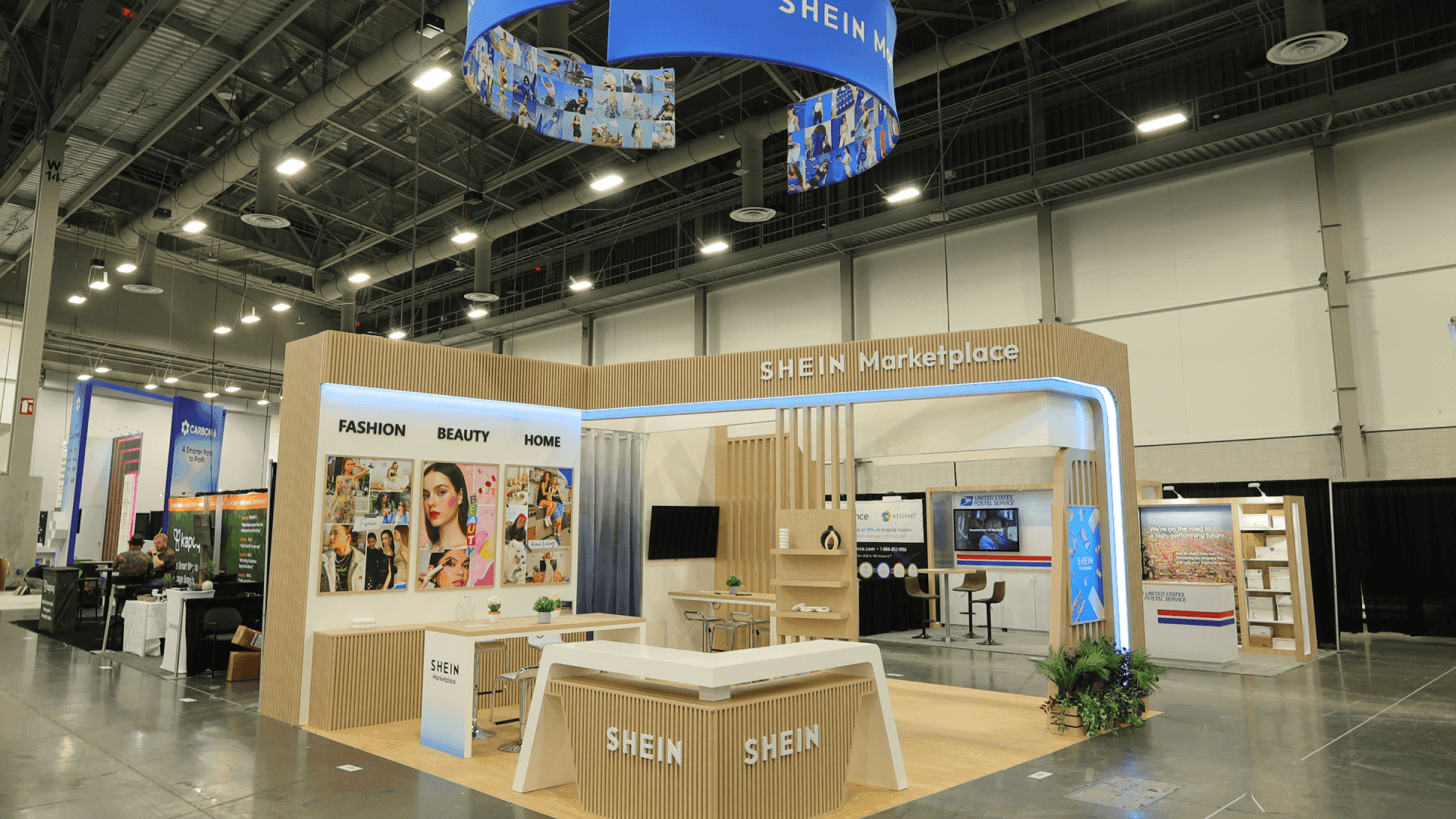
2026 Trade Show Booth Design Trends at a Glance
Trend | What It Means for Exhibitors | Booth Planning Impact |
|---|---|---|
Flexible modular design | Booth structures need to adapt across shows | Supports rental reuse, size changes, and faster installation |
Product demo zones | Visitors need to understand products quickly | Requires counters, screens, sample displays, and traffic flow planning |
Lounge-style meeting areas | Booths are used for deeper buyer conversations | Needs seating, semi-private zones, lighting, and staff flow |
Data-informed layouts | Booth layouts should match visitor movement | Affects aisle visibility, lead capture points, and demo placement |
Graphics-led messaging | Visitors judge the booth from the aisle first | Requires backwalls, SEG graphics, lightboxes, and clear message hierarchy |
How Booth Size Changes 2026 Design Trends
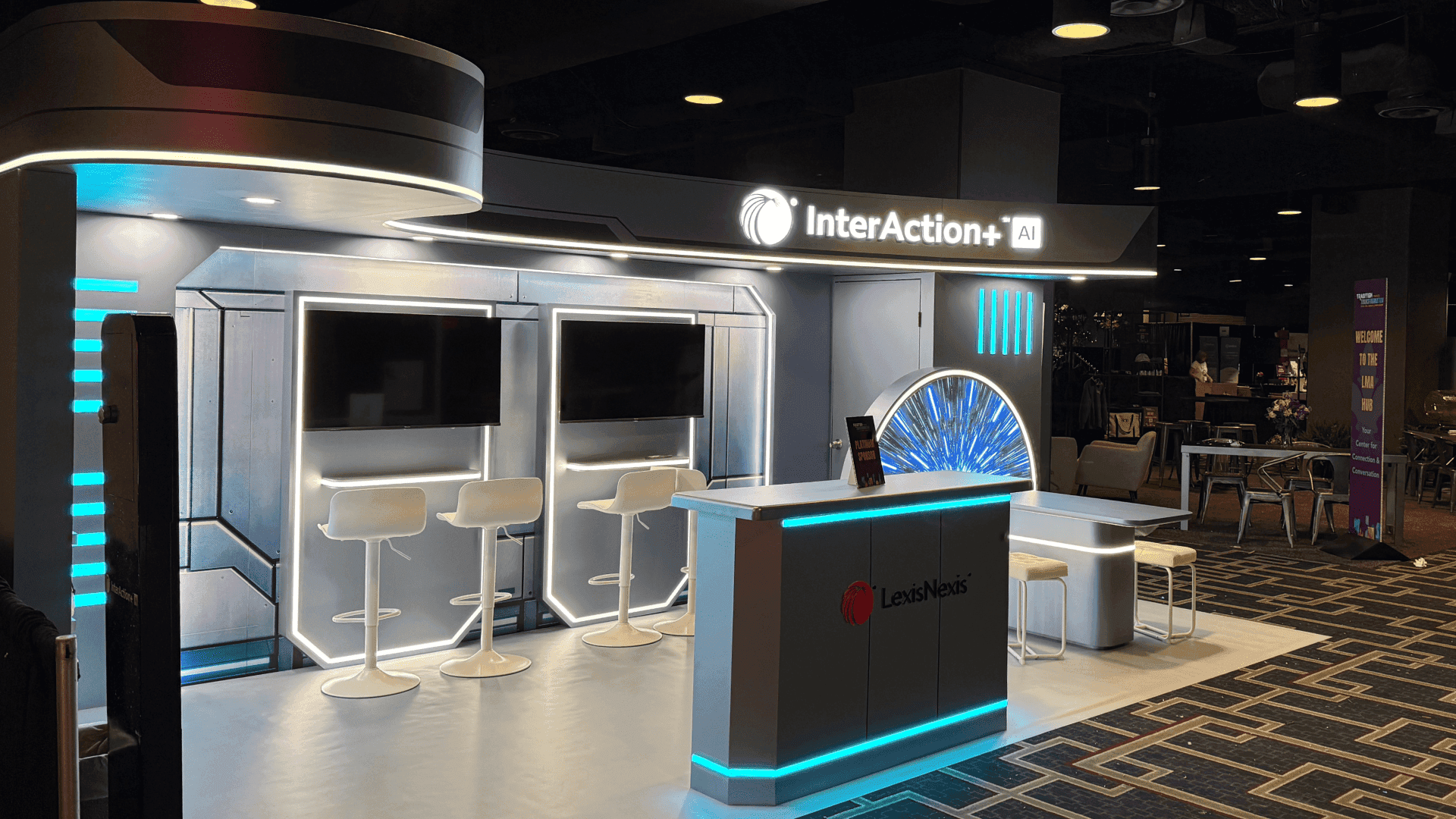
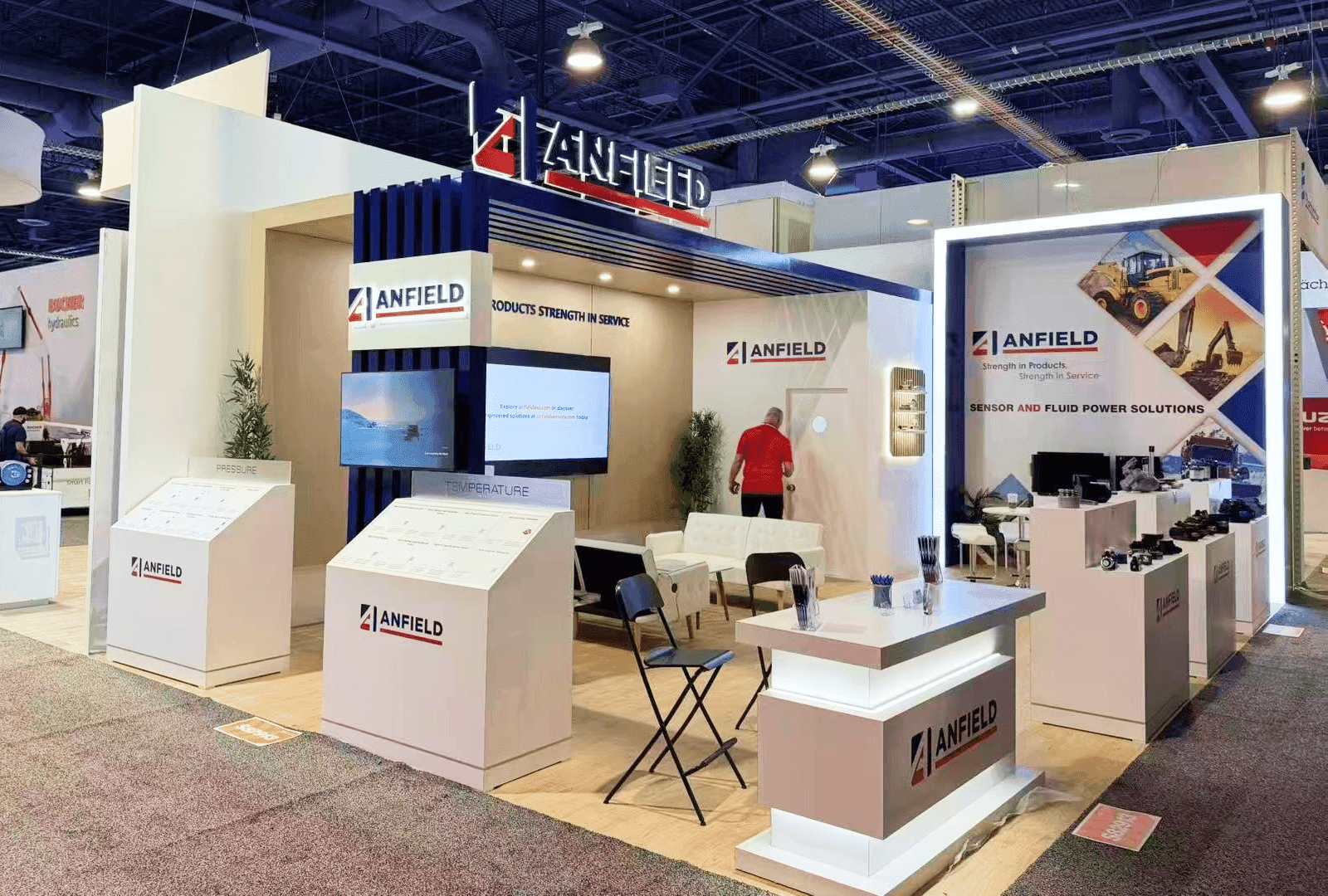
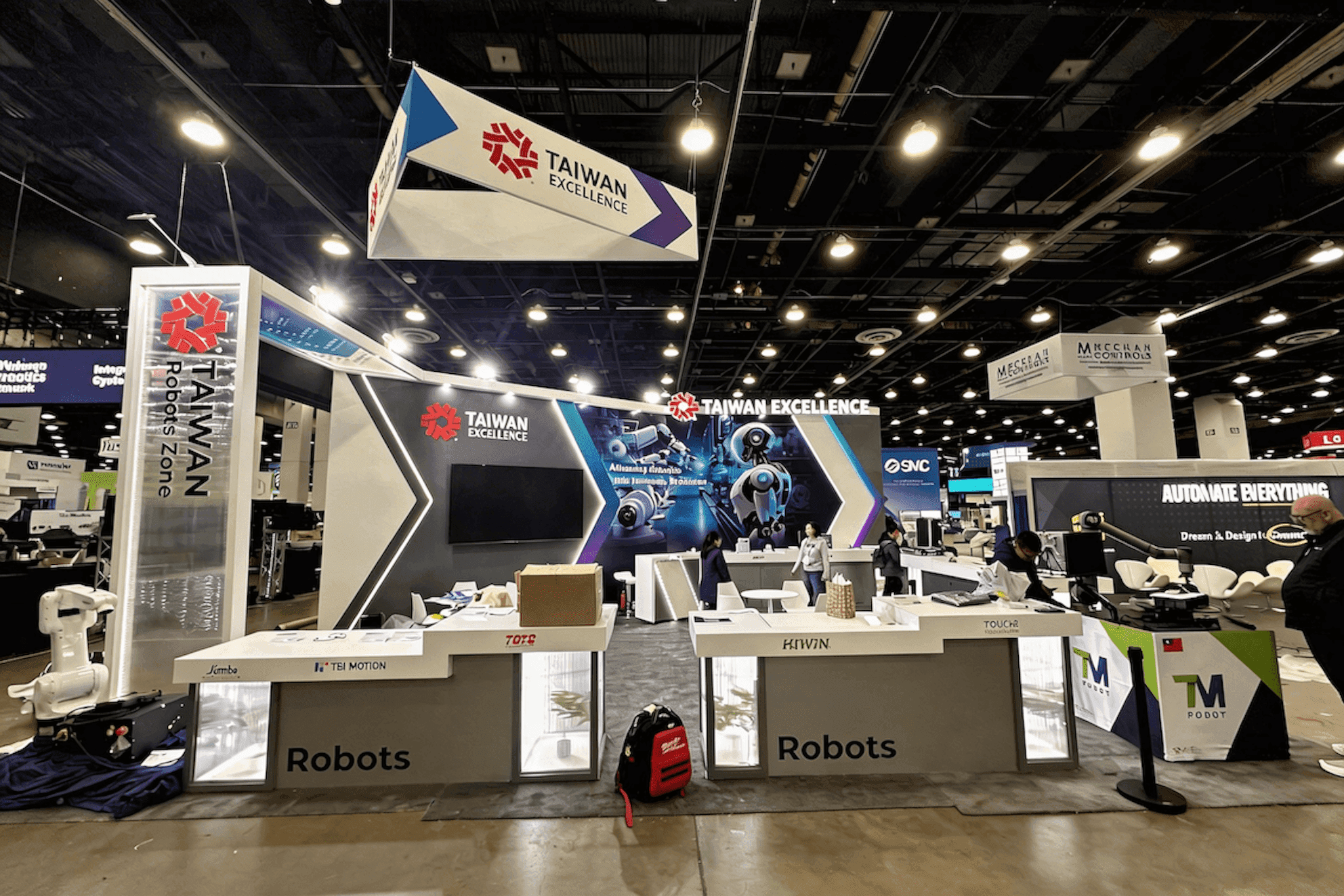
Trade show booth design trends in 2026 do not apply the same way to every booth size. A compact inline booth needs message clarity and a simple path. A larger island booth can support demos, meetings, storage, and stronger graphics, but it also requires more planning before fabrication and installation.
10x20 Booths: Clear Message and Simple Flow
A 10x20 booth should not try to do too many things at once. The best 2026 approach is one clear message wall, one focused demo point, and a visitor path that feels easy to understand from the aisle. This size works well when the booth story is simple, the product display is compact, and staff can explain the offer without crowding the space.
20x20 Booths: Demo, Storage, and Meeting Balance
A 20x20 booth gives exhibitors more room to separate product display from conversation. Many 2026 booth designs use this size for a demo counter, a branded wall, hidden storage, and a small meeting area. Strong 20x20 booth design planning should keep the booth open enough for aisle traffic while still giving staff a place to qualify leads or hold short buyer conversations.
20x30 Booths: Separated Zones for Demos and Buyers
A 20x30 booth works better when the design separates product demos, screen walls, and buyer conversations into clear zones. This size can support a stronger visitor journey: attraction from the aisle, product explanation near the front, and deeper discussion toward the side or rear of the booth. Good 20x30 booth layout planning helps prevent demos, meetings, and staff movement from competing for the same space.
30x40 Booths: Larger Presence With More Execution Control
A 30x40 booth can use larger demo areas, multiple meeting points, bigger graphics, and stronger aisle-facing visibility. In 2026, this size is often where flexible structures, immersive media, and branded environments start to work together. But the larger footprint also needs tighter fabrication checks, freight planning, power coordination, and installation sequencing. Effective 30x40 booth design and installation planning should connect the design idea with how the booth will actually be built, staged, installed, and opened on time.
1. Radical Sustainability (Eco-Design 2.0)
Sustainability has graduated from a "nice-to-have" feature to a strict requirement, especially in European and North American markets. In 2026, we are seeing a shift towards Zero-Waste Booths.
Modular Systems: Moving away from "build and burn" wood structures to reusable, high-quality modular frames that look custom-built.
Green Materials: Use of recycled fabrics, cardboard furniture, and non-toxic paints is becoming the standard.
Why it matters: Not only does this reduce your carbon footprint, but it also aligns your brand with the values of modern consumers and partners.
Expert Tip: Ask us about our reusable modular solutions that can be reconfigured for different booth sizes (e.g., converting a 20x20 into a 10x20).
For brands attending multiple shows, sustainability is also connected to reuse and flexibility. A customizable booth rental in Las Vegas can reduce the need to rebuild every element from scratch while still allowing exhibitors to update graphics, counters, display walls, lighting, and meeting zones for each event.
2. Immersive "Phygital" Experiences
The line between physical and digital continues to blur. 2026 is the year of the "Phygital" experience (Physical + Digital). Attendees don't want to just read a brochure; they want to step inside your brand.
AR/VR Integration: Instead of bringing heavy machinery to the show floor, use Augmented Reality (AR) to let clients "see" the inner workings of your product via an iPad or VR headset.
Interactive Walls: LED walls that react to movement or touch, turning a passive passerby into an active participant.
These immersive ideas work best when the booth footprint supports them. A compact booth needs one focused interaction point, while a 20x20 booth can usually support a demo counter, branded wall, storage, and a small meeting area without making visitor movement feel crowded.
3. The "Lounge-ification" of Business
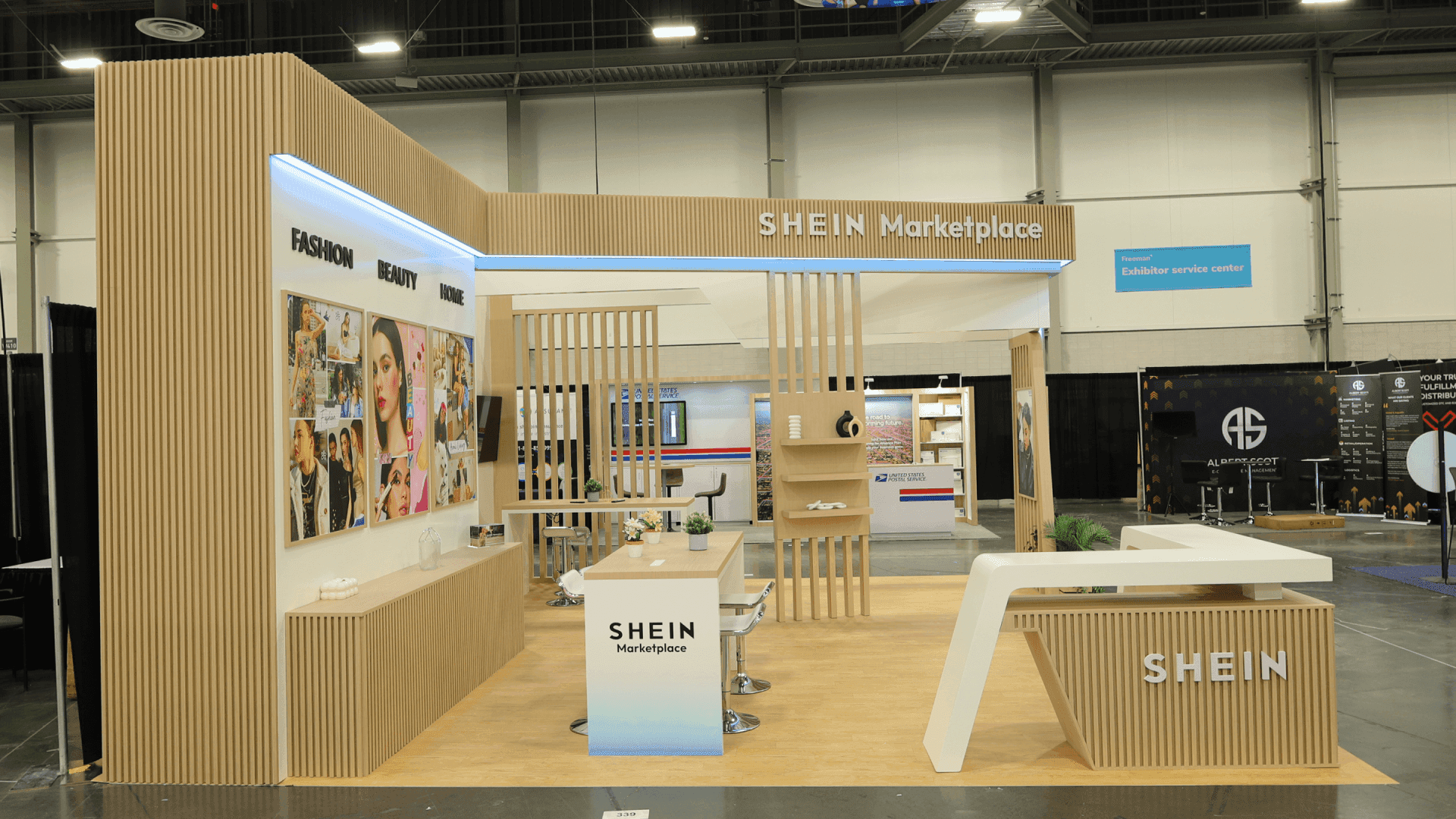
Gone are the days of stiff corporate counters and high tables. The trend for 2026 is creating welcoming, lounge-like atmospheres.
Trade shows are exhausting. By offering a comfortable, warm space with soft seating, ambient lighting, and charging stations, you increase the "dwell time" (the time a visitor spends in your booth).
Key Elements: Warm wood textures, soft fabrics, greenery (biophilic design), and open layouts that invite people in rather than blocking them out.
The Goal: Make your booth feel like a premium airport lounge or a boutique hotel lobby, fostering deeper, more relaxed business conversations.
4. Data-Driven Design
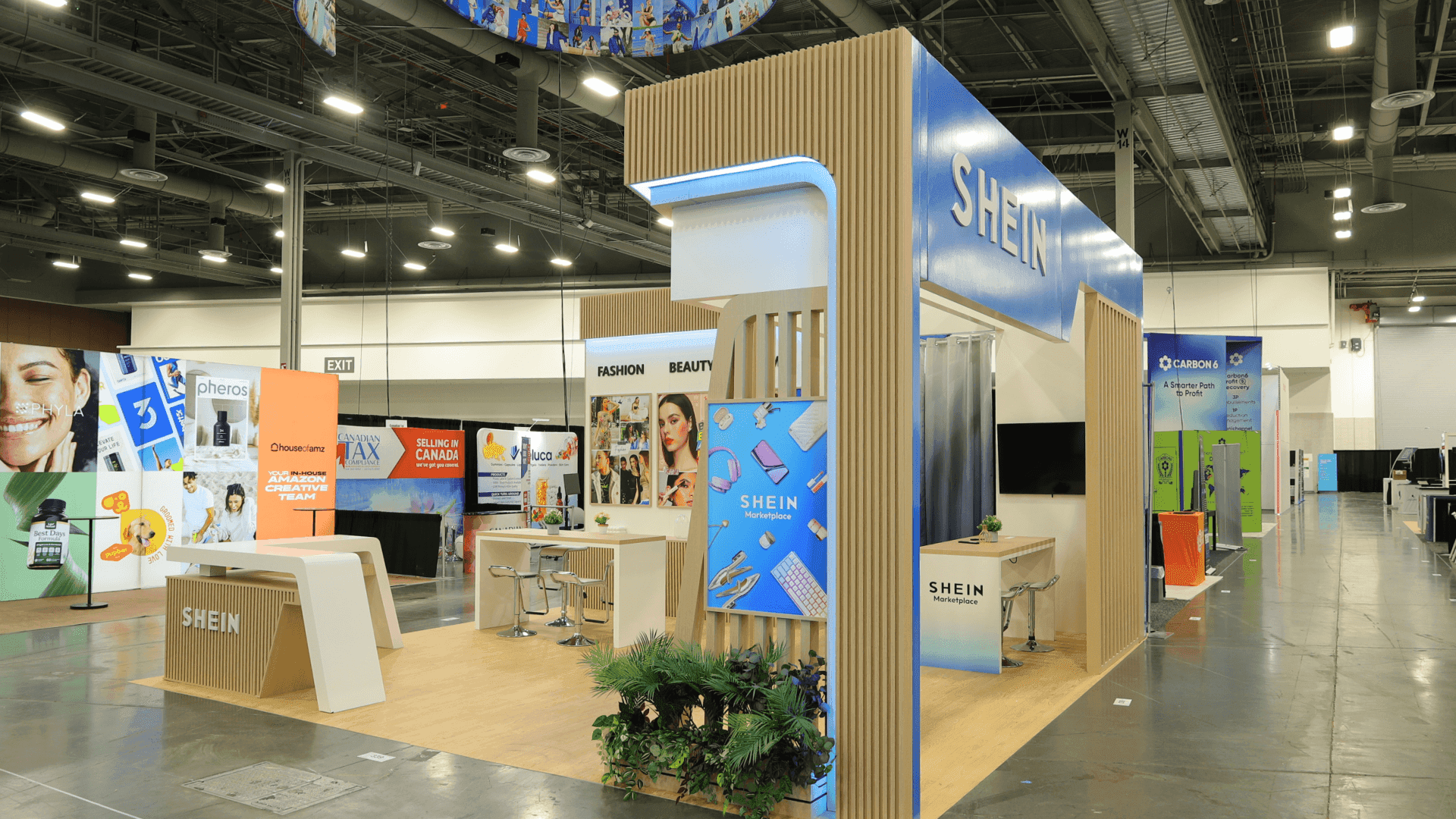
How do you know if your booth design worked? In 2026, design is being informed by data. Smart exhibitors are using technology to track attendee behavior.
Heatmapping: Sensors that track which part of your booth gets the most foot traffic.
Gaze Tracking: Understanding which graphics grab attention and which ones are ignored.
For Circle Exhibit teams, data-informed design means planning the booth around how visitors enter, where they pause, what products need explanation, and how staff can manage conversations. It also means checking whether the design can move through freight, drayage, power access, and on-site setup without creating problems during move-in.
5. Multi-Sensory Branding
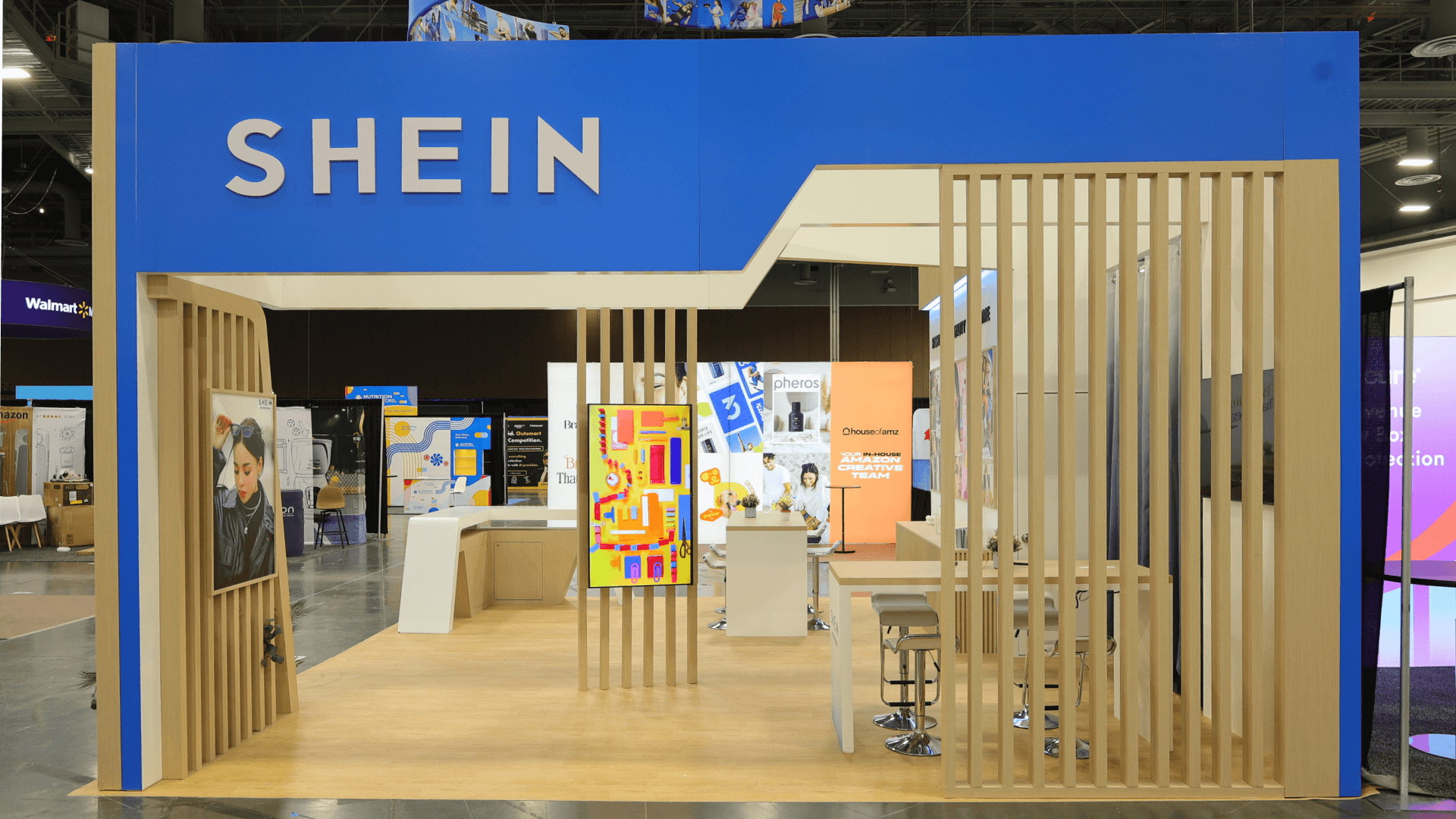
Visuals are important, but they are not everything. The most memorable booths in 2026 will appeal to all five senses.
Smell: Scent marketing (e.g., the smell of fresh coffee or subtle pine) to evoke emotions.
Sound: Directional audio that creates a focused sound bubble for demos without adding to the general hall noise.
Touch: Using varied textures in flooring and wall surfaces to create a tactile experience.
Conclusion: Planning for Success in 2026
The future of trade show booth design is not only about looking new. It is about helping visitors understand the brand faster, making product conversations easier, and keeping the booth realistic for fabrication, logistics, and installation.
For exhibitors preparing for Las Vegas exhibit planning, strong booth planning should connect brand presentation, visitor flow, booth size, graphics, freight timing, and show-site setup before the booth reaches the venue.
Circle Exhibit teams help exhibitors plan booth environments that feel current, practical, and ready for the real pressure of the show floor.