exhibit program management, custom exhibit design services, interactive booth technology

Nov 23, 2025

The Exhibit OS: From CAD to CRM Without Friction

The Exhibit OS: From CAD to CRM Without Friction


Circle Exhibit Team

Industry professionals

Exhibition industry professional dedicated to delivering the latest insights and curated recommendations to you.

Exhibition industry professional dedicated to delivering the latest insights and curated recommendations to you.

Exhibitions move fastest when systems talk to each other. By aligning exhibit program management with precise custom exhibit design services and signal-rich interactive booth technology, brands can run a single operating system—from CAD blocks to CRM records—where every change is measurable and every decision is informed.

Exhibitions move fastest when systems talk to each other. By aligning exhibit program management with precise custom exhibit design services and signal-rich interactive booth technology, brands can run a single operating system—from CAD blocks to CRM records—where every change is measurable and every decision is informed.

Exhibitions move fastest when systems talk to each other. By aligning exhibit program management with precise custom exhibit design services and signal-rich interactive booth technology, brands can run a single operating system—from CAD blocks to CRM records—where every change is measurable and every decision is informed.

Why a program beats a project

Projects start from zero; programs start from knowledge. A program-first roadmap locks narrative spines, approved materials, and budget guardrails before the first render. Calendars, asset libraries, and KPI baselines keep teams from reinventing layouts or messaging. This discipline reduces install variance and shortens lead time without dulling creativity. Mature teams codify this under a central hub powered by exhibit program management so design, logistics, and marketing play one score.

Designing for decisions, not just display

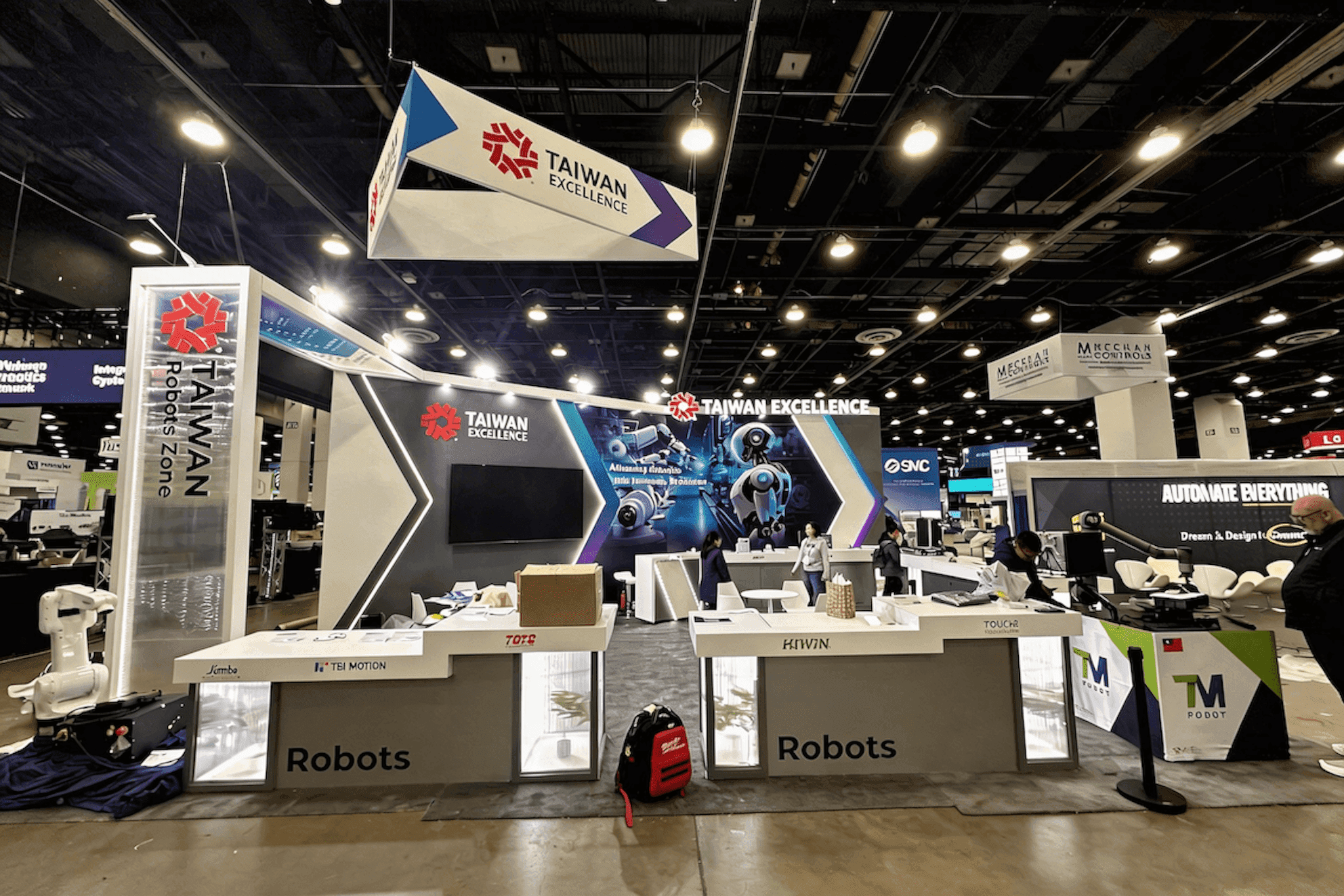
A great booth looks intentional because it was engineered for behavior. Space syntax, aisle hooks, and seated comfort are mapped to the buyer journey. Form, light, and texture translate brand values into physical choices at prototype fidelity. The same kit adapts across footprints with a repeatable grammar—fascia ratios, typographic scale, and lighting temperatures—authored through rigorous custom exhibit design services that preserve identity while allowing local nuance.

Interactivity as a feedback loop

Screens and sensors are only valuable if they change what you do tomorrow. Gesture comparison tables reduce staff bottlenecks, motion-triggered stingers revive lulls, and tap-to-save brochures shift heavy print to digital. Privacy-first analytics surface dwell clusters and engagement depth, turning day-one guesses into day-two adjustments. When configured properly, your stack of interactive booth technology exports clean signals to CRM so follow-ups reflect what visitors actually explored.

Overnight iteration without chaos

A kit-of-parts—extrusions, SEG lightboxes, magnetic rails—lets crews reweight planograms in under 30 minutes. Pre-label crates by scenario (crowd control, quiet demo, hospitality overflow). Move a hero wall toward a busier aisle, or swap a deep-dive pod for a sampler bar if queues form. The OS mindset means layouts are hypotheses, not monuments.

Closing the loop

Tie notes templates to staff roles—greeter, qualifier, demo lead, closer—so insights survive the show. Compare install hours per square meter, scan-to-conversation ratio, and post-show booking velocity across venues. With the right telemetry, your next show is smarter before it begins.

Conclusion

When planning, design, and interactivity operate as one, your exhibit behaves like an operating system—predictable in process, personal in experience, and provably effective.
Why a program beats a project

Projects start from zero; programs start from knowledge. A program-first roadmap locks narrative spines, approved materials, and budget guardrails before the first render. Calendars, asset libraries, and KPI baselines keep teams from reinventing layouts or messaging. This discipline reduces install variance and shortens lead time without dulling creativity. Mature teams codify this under a central hub powered by exhibit program management so design, logistics, and marketing play one score.

Designing for decisions, not just display

A great booth looks intentional because it was engineered for behavior. Space syntax, aisle hooks, and seated comfort are mapped to the buyer journey. Form, light, and texture translate brand values into physical choices at prototype fidelity. The same kit adapts across footprints with a repeatable grammar—fascia ratios, typographic scale, and lighting temperatures—authored through rigorous custom exhibit design services that preserve identity while allowing local nuance.

Interactivity as a feedback loop

Screens and sensors are only valuable if they change what you do tomorrow. Gesture comparison tables reduce staff bottlenecks, motion-triggered stingers revive lulls, and tap-to-save brochures shift heavy print to digital. Privacy-first analytics surface dwell clusters and engagement depth, turning day-one guesses into day-two adjustments. When configured properly, your stack of interactive booth technology exports clean signals to CRM so follow-ups reflect what visitors actually explored.

Overnight iteration without chaos

A kit-of-parts—extrusions, SEG lightboxes, magnetic rails—lets crews reweight planograms in under 30 minutes. Pre-label crates by scenario (crowd control, quiet demo, hospitality overflow). Move a hero wall toward a busier aisle, or swap a deep-dive pod for a sampler bar if queues form. The OS mindset means layouts are hypotheses, not monuments.

Closing the loop

Tie notes templates to staff roles—greeter, qualifier, demo lead, closer—so insights survive the show. Compare install hours per square meter, scan-to-conversation ratio, and post-show booking velocity across venues. With the right telemetry, your next show is smarter before it begins.

Conclusion

When planning, design, and interactivity operate as one, your exhibit behaves like an operating system—predictable in process, personal in experience, and provably effective.
Message

Leave your message and we will get back to you ASAP

Send a Message

We’ll Be in Touch!

Message

Leave your message and we will get back to you ASAP

If you’re ready to shape the future with us, your journey could start here.

If you’re ready to shape the future with us, your journey could start here.

If you’re ready to shape the future with us, your journey could start here.

Address:

4935 Steptoe Street #300

Las Vegas, NV 89122