eco-friendly exhibit solutions, exhibit program management, modular exhibit systems

Nov 26, 2025

System-Ready Sustainability for Multi-Show Programs

System-Ready Sustainability for Multi-Show Programs


Circle Editor

Industry professionals

Exhibition industry professional dedicated to delivering the latest insights and curated recommendations to you.

Sustainability works when it’s a system, not a slogan. Combine verifiable eco-friendly exhibit solutions with disciplined exhibit program management and durable modular exhibit systems to reduce waste, compress timelines, and build credibility across an annual calendar.

Sustainability works when it’s a system, not a slogan. Combine verifiable eco-friendly exhibit solutions with disciplined exhibit program management and durable modular exhibit systems to reduce waste, compress timelines, and build credibility across an annual calendar.

Sustainability works when it’s a system, not a slogan. Combine verifiable eco-friendly exhibit solutions with disciplined exhibit program management and durable modular exhibit systems to reduce waste, compress timelines, and build credibility across an annual calendar.

Concent

Why “Green” Must Be Governed

Isolated wins don’t scale; governance does. Under strong exhibit program management, standardize a materials library (recycled aluminum, FSC veneers, low-VOC inks, PET textiles), establish reuse targets per component, and enforce a single QA checklist (finish tolerance, light temperature, cable discipline). Tie sustainability KPIs—reuse ratio, crate density, carbon per m²—to budget and creative approvals.

Architecture That Learns

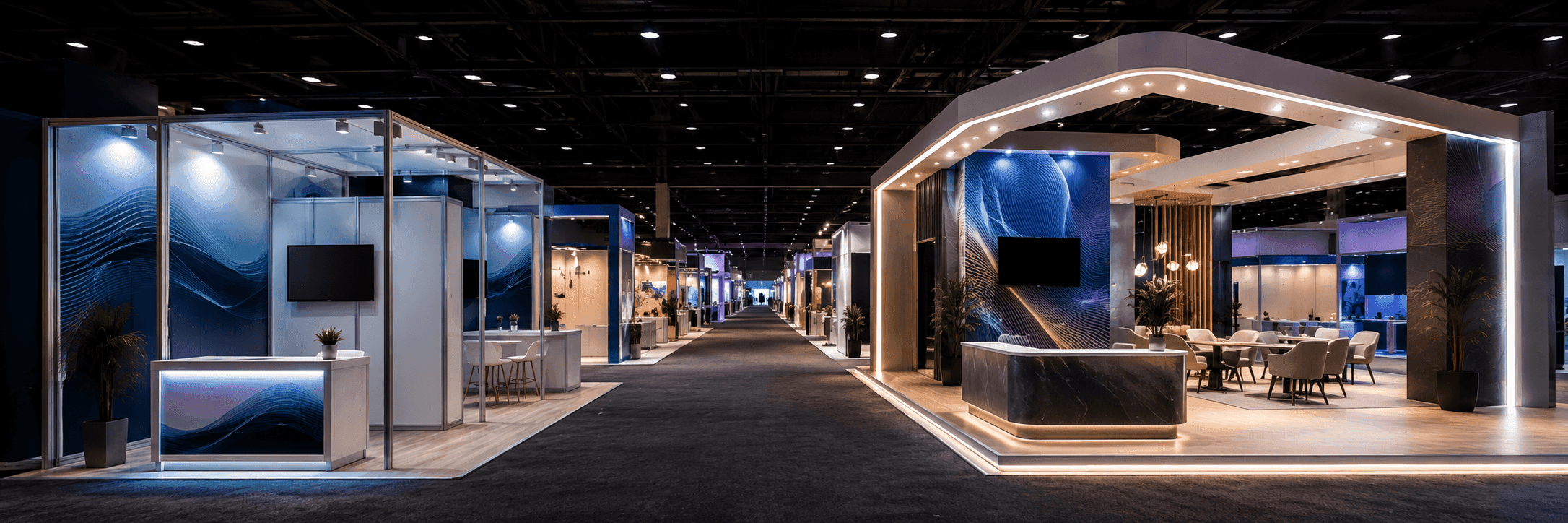
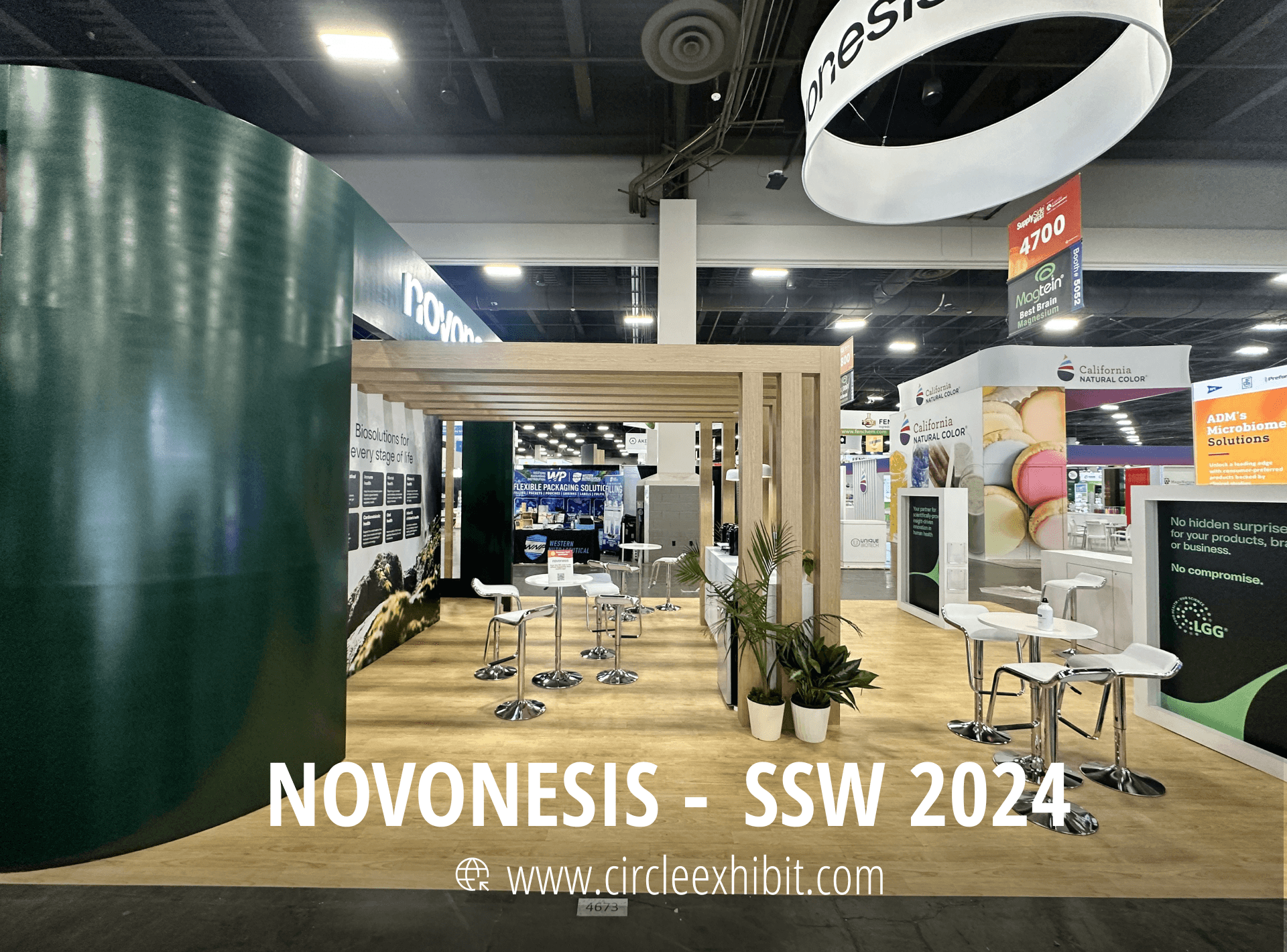
Reusable structure is the backbone of responsible design. Engineer a kit-of-parts grounded in modular exhibit systems: standardized panel widths, color-coded connectors, magnet-backed graphic tiles for fast refresh. Overnight, reweight layouts by moving hero walls, converting deep dives to samplers, or expanding hospitality nooks—iteration without scrap.

Materials You Can Explain

Credibility is visible. Publish a micro impact ledger at the lounge: reuse cycles, LED power draw, freight reductions from flat-pack, and re-skin counts for graphics. These are the tangible pillars of your eco-friendly exhibit solutions and the talking points procurement teams remember.

Logistics as Design

Freight is a design variable. Use zone-based crating (aisle-first assets loaded last), local fabrication for non-critical parts, and voltage/plug matrices by region. This reduces variance, accelerates installs, and lowers emissions—benefits you can prove show after show.

Measurement That Matters

Track install hours per square meter, scan-to-conversation ratio, and carbon per m² alongside CAC. Reward teams for hitting reuse and crate-density thresholds so good behavior compounds.

Conclusion

When governance, architecture, and materials work as one system, sustainability becomes operational—and operational advantages are the ones that scale.
Why “Green” Must Be Governed

Isolated wins don’t scale; governance does. Under strong exhibit program management, standardize a materials library (recycled aluminum, FSC veneers, low-VOC inks, PET textiles), establish reuse targets per component, and enforce a single QA checklist (finish tolerance, light temperature, cable discipline). Tie sustainability KPIs—reuse ratio, crate density, carbon per m²—to budget and creative approvals.

Architecture That Learns

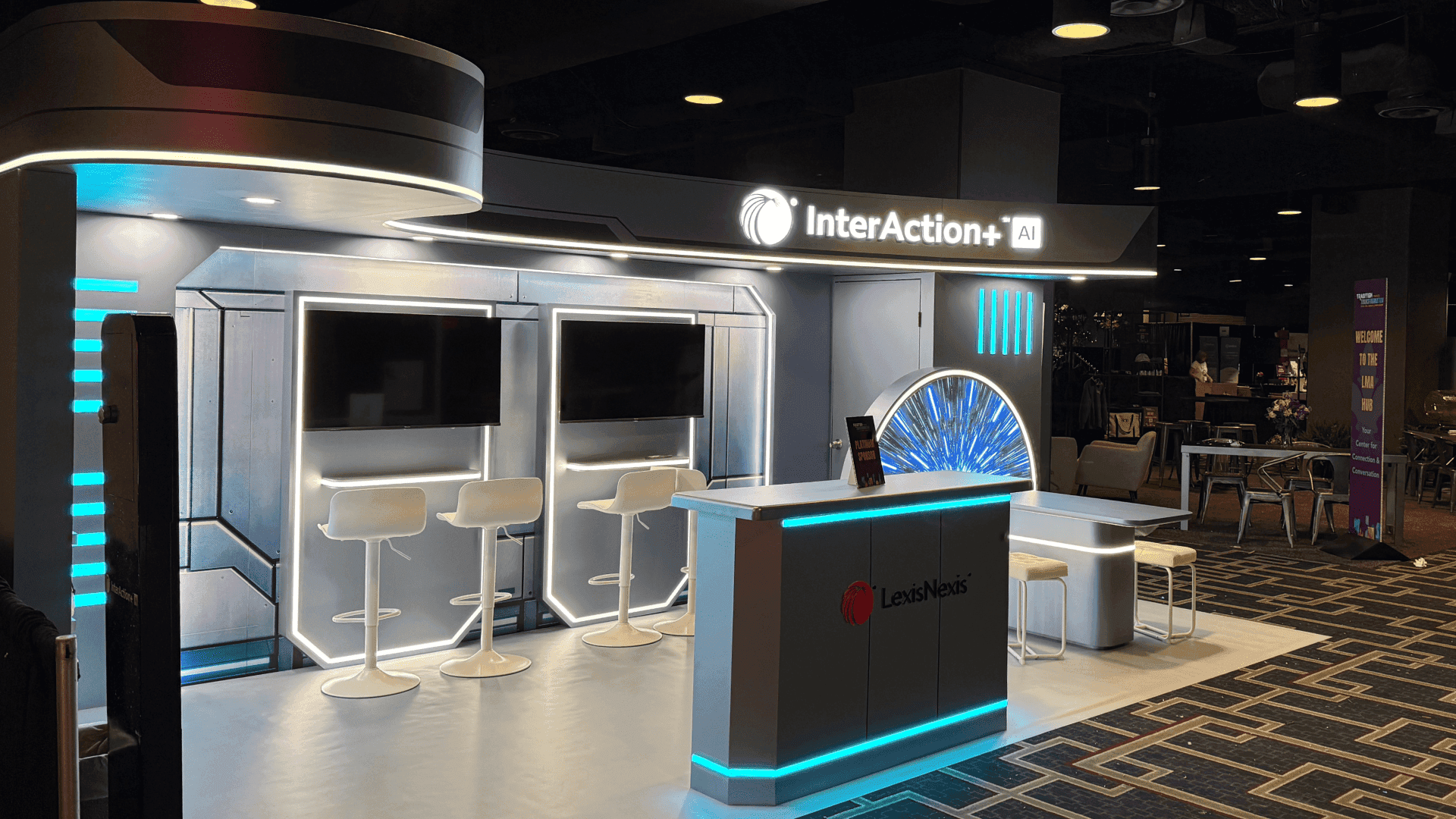
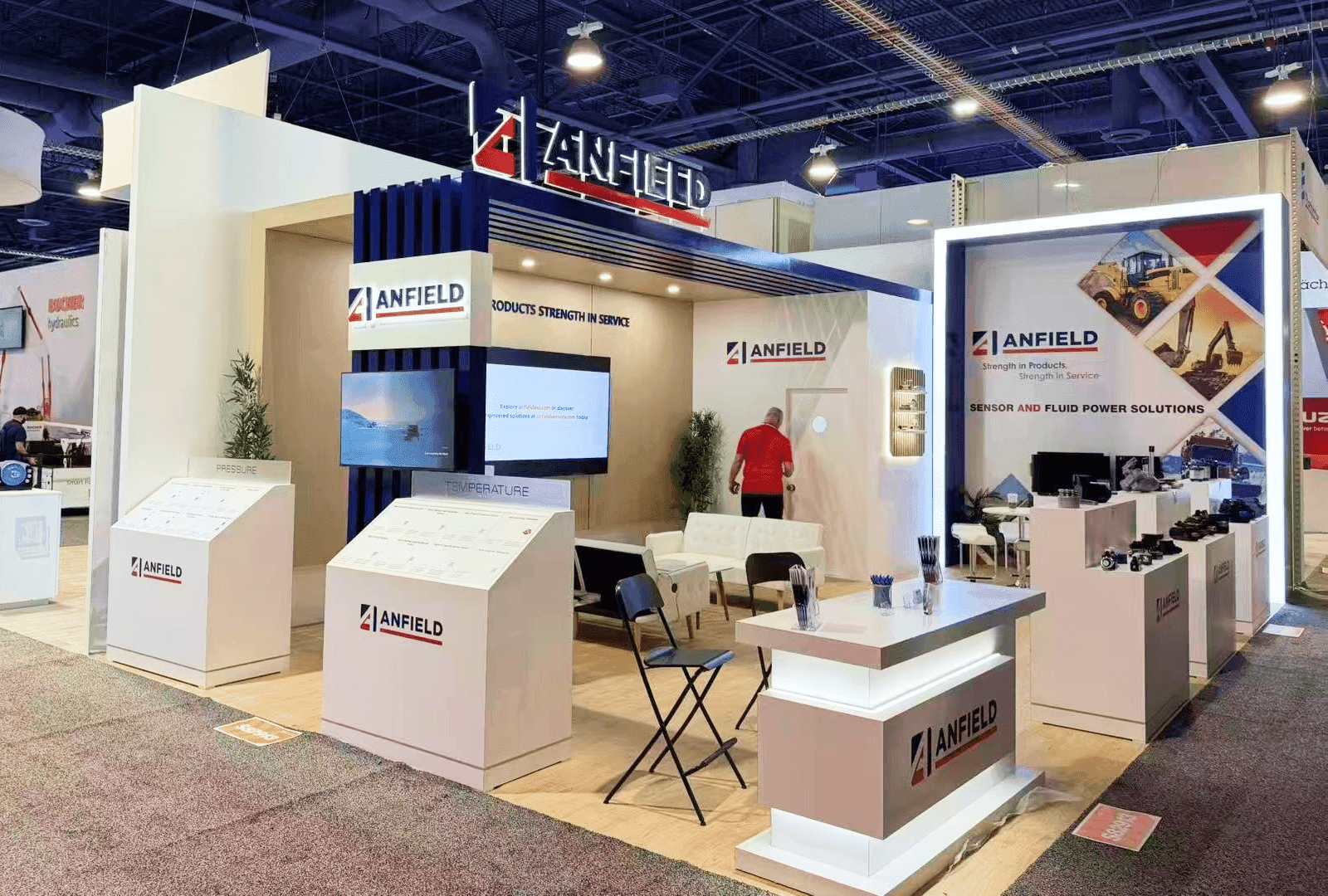
Reusable structure is the backbone of responsible design. Engineer a kit-of-parts grounded in modular exhibit systems: standardized panel widths, color-coded connectors, magnet-backed graphic tiles for fast refresh. Overnight, reweight layouts by moving hero walls, converting deep dives to samplers, or expanding hospitality nooks—iteration without scrap.

Materials You Can Explain

Credibility is visible. Publish a micro impact ledger at the lounge: reuse cycles, LED power draw, freight reductions from flat-pack, and re-skin counts for graphics. These are the tangible pillars of your eco-friendly exhibit solutions and the talking points procurement teams remember.

Logistics as Design

Freight is a design variable. Use zone-based crating (aisle-first assets loaded last), local fabrication for non-critical parts, and voltage/plug matrices by region. This reduces variance, accelerates installs, and lowers emissions—benefits you can prove show after show.

Measurement That Matters

Track install hours per square meter, scan-to-conversation ratio, and carbon per m² alongside CAC. Reward teams for hitting reuse and crate-density thresholds so good behavior compounds.

Conclusion

When governance, architecture, and materials work as one system, sustainability becomes operational—and operational advantages are the ones that scale.
Message

Leave your message and we will get back to you ASAP

Send a Message

We’ll Be in Touch!

Message

Leave your message and we will get back to you ASAP

If you’re ready to shape the future with us, your journey could start here.

If you’re ready to shape the future with us, your journey could start here.

If you’re ready to shape the future with us, your journey could start here.

Address:

4935 Steptoe Street #300

Las Vegas, NV 89122