Tour Planning: The Math Behind Momentum
Route cities by performance potential, not hunches: venue costs, expected footfall, and historical conversion. Standardize cases, connector colors, and shadow-board packing to make setup a 10-minute ritual per module. Keep a single narrative spine across 16:9, 9:16, and square so content travels cleanly from conference kiosk to regional pop-up.
Premium Without the Weight
Portability can still feel flagship. Specify SEG lightboxes, tension fabrics, and satin extrusions. Matte finishes prevent glare in phone video; magnetic rails preserve cable discipline. A two-person SOP—unload order, role split, 90-second teardown checklist—keeps crews calm and consistent.
Sustainability in Motion
Sustainability should be seen and counted: reuse logs on cladding, LED power draw reductions, recycled aluminum rates, and flat-pack freight savings. Replace single-use prints with re-skin graphics, digitize brochures (tap-to-save), and track “carbon per m²” alongside cost and conversion. To institutionalize these gains, your ops team can codify them under formal eco-friendly exhibit solutions standards.
Retail Logic for Road Shows
Use “try-me” bays slightly off the aisle to create dwell without congestion. Build guided bundles to lift average order value, and add soft exits—email receipts for saved kits or calendar booking for post-show demos. Planogram A/B tests across cities turn the tour into a rolling laboratory.
Global Readiness
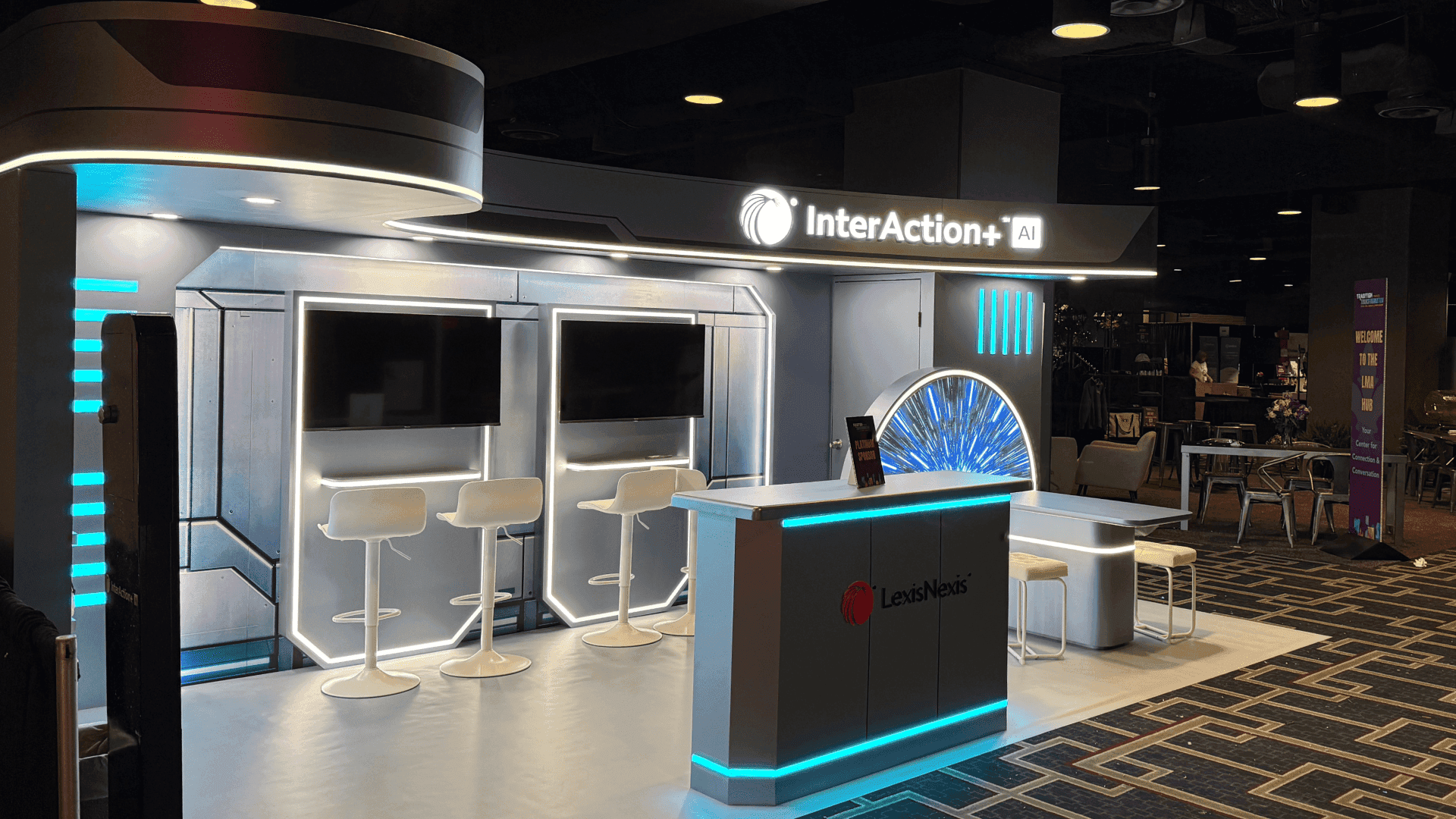
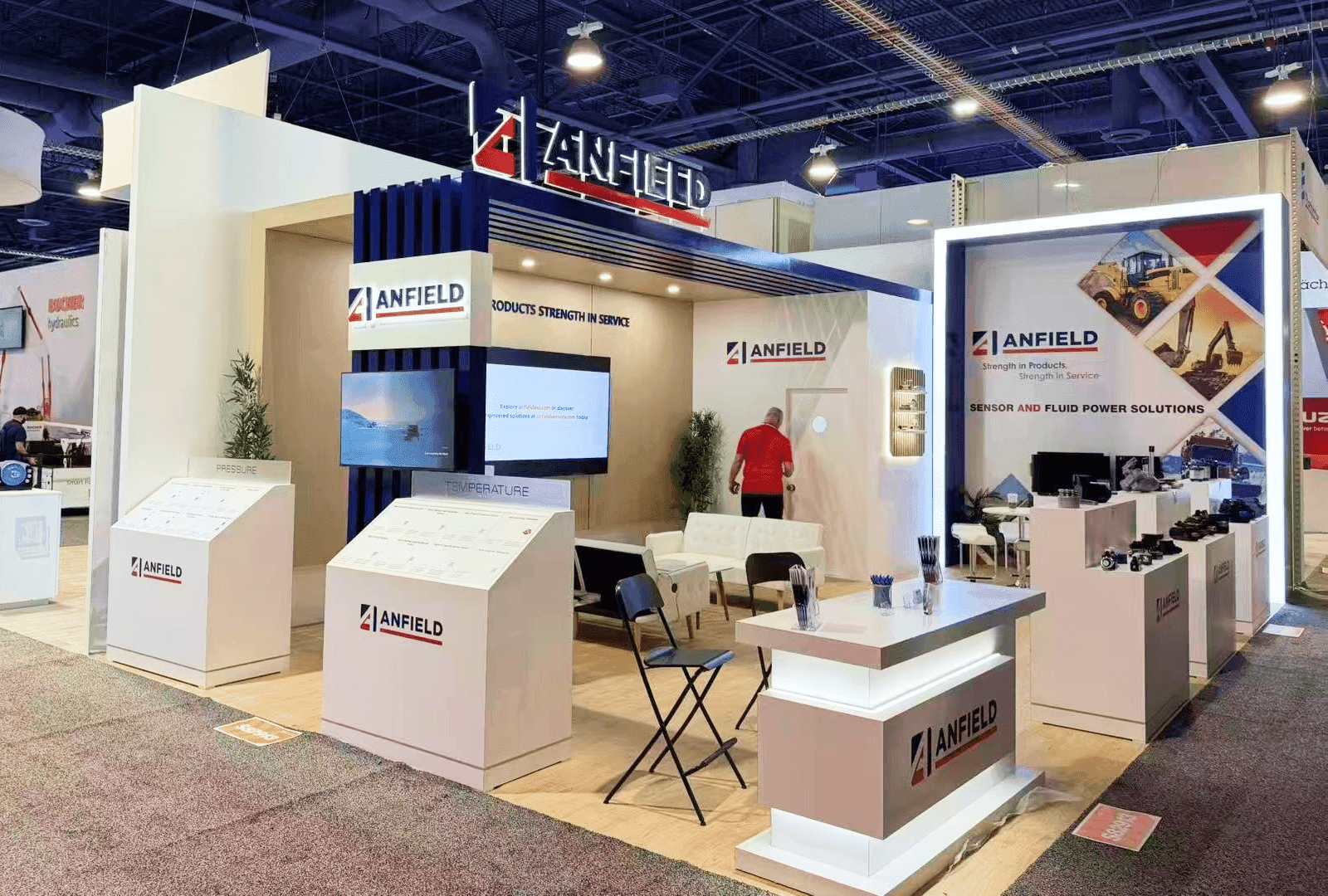
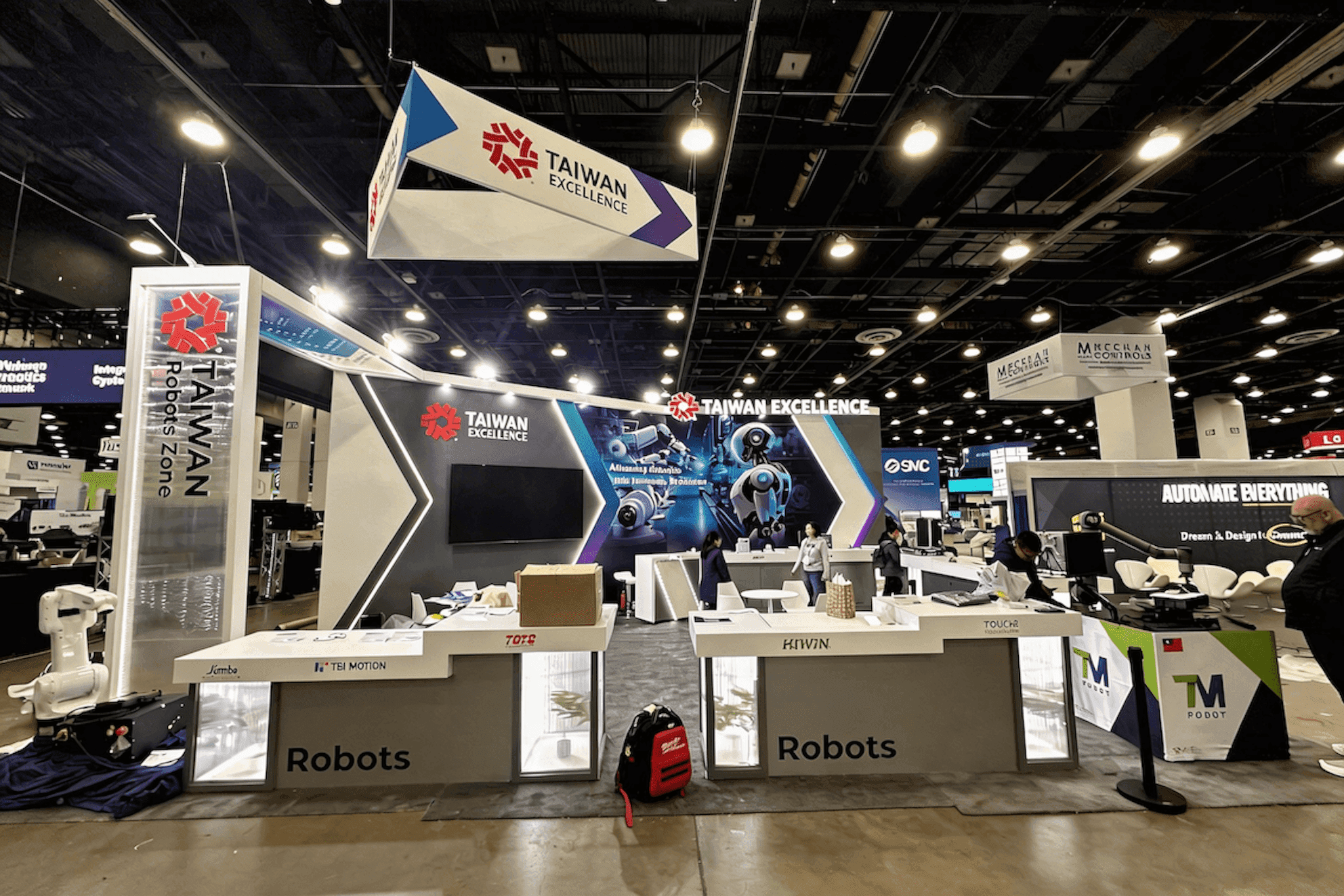
Templates protect brand DNA while regional swaps (language, currency, compliance) preserve relevance. Pair the kit with customs-proof documentation and a voltage/plug matrix; preclear materials with venues to avoid rigging surprises. Kits anchored in portable display solutions can flex from a 10×10 meeting kiosk to a 20×20 sampling bay with minimal new parts.
Conclusion
Sustainable speed is the modern moat. When pop-ups are light, premium, and measurable, your calendar expands while your footprint—and your variance—shrinks.