Pop-up economics and tour planning
Road-show calendars reward lightweight kits: tension-fabric frames, SEG lightboxes, and magnetic shelving that packs flat. Long-tail must-haves include airline-checkable cases, battery accent lighting, and cable-spine shelves to keep visuals clean. Build a routing model that combines venue fees, ground freight, and staff costs to choose your next city scientifically.
Merchandising logic for exhibitions
Think like a flagship: hero pyramids for quick reads, cross-merch pairs for attachment rate, and guided bundles for AOV lift. Place “try-me” bays slightly off the main aisle to create dwell without blocking traffic. Use a three-tier graphic hierarchy—promise, proof, detail—to serve both skimmers and deep divers.
Tool-less builds, pro finishes
Portability can still look premium. Specify satin-finish extrusions, tight-edge silicone graphics, and matte laminates that shrug off glare. Color-coded connectors and shadow-board packing turn setup into a 10-minute ritual. Write a micro-SOP for two-person crews—unload order, role split, and a 90-second teardown checklist.
Content and conversion plumbing
Standardize motion loops across 16:9, 9:16, and square. Keep subtitles on by default for loud halls and export low-nits versions for battery life. Close the loop with QR to cart, tap-to-save spec sheets, and instant calendar booking for follow-ups. Track “scan-to-sample,” “video completion,” and “bundle add rate” to refine the next stop.
Cohesion from kiosk to island
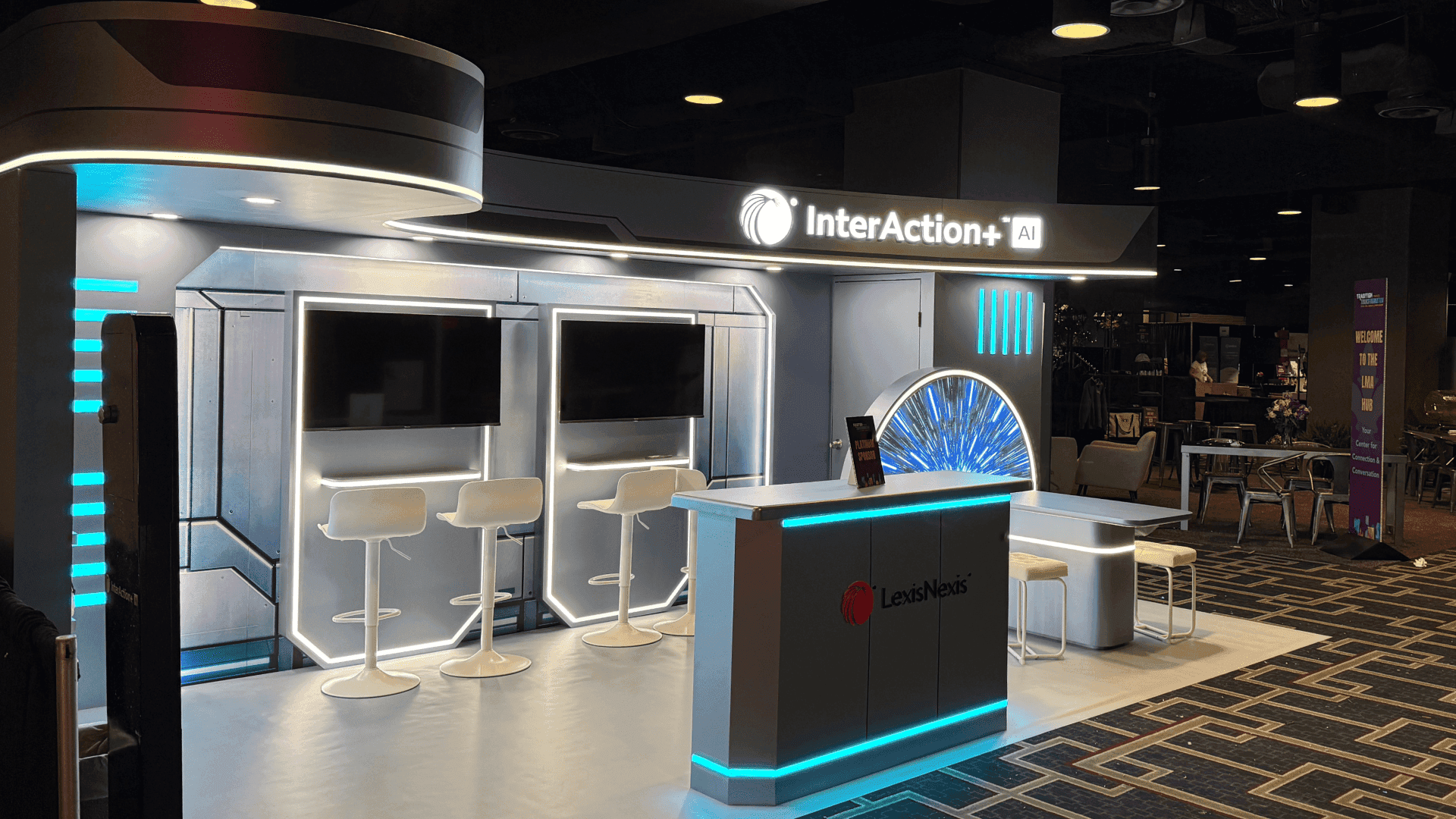
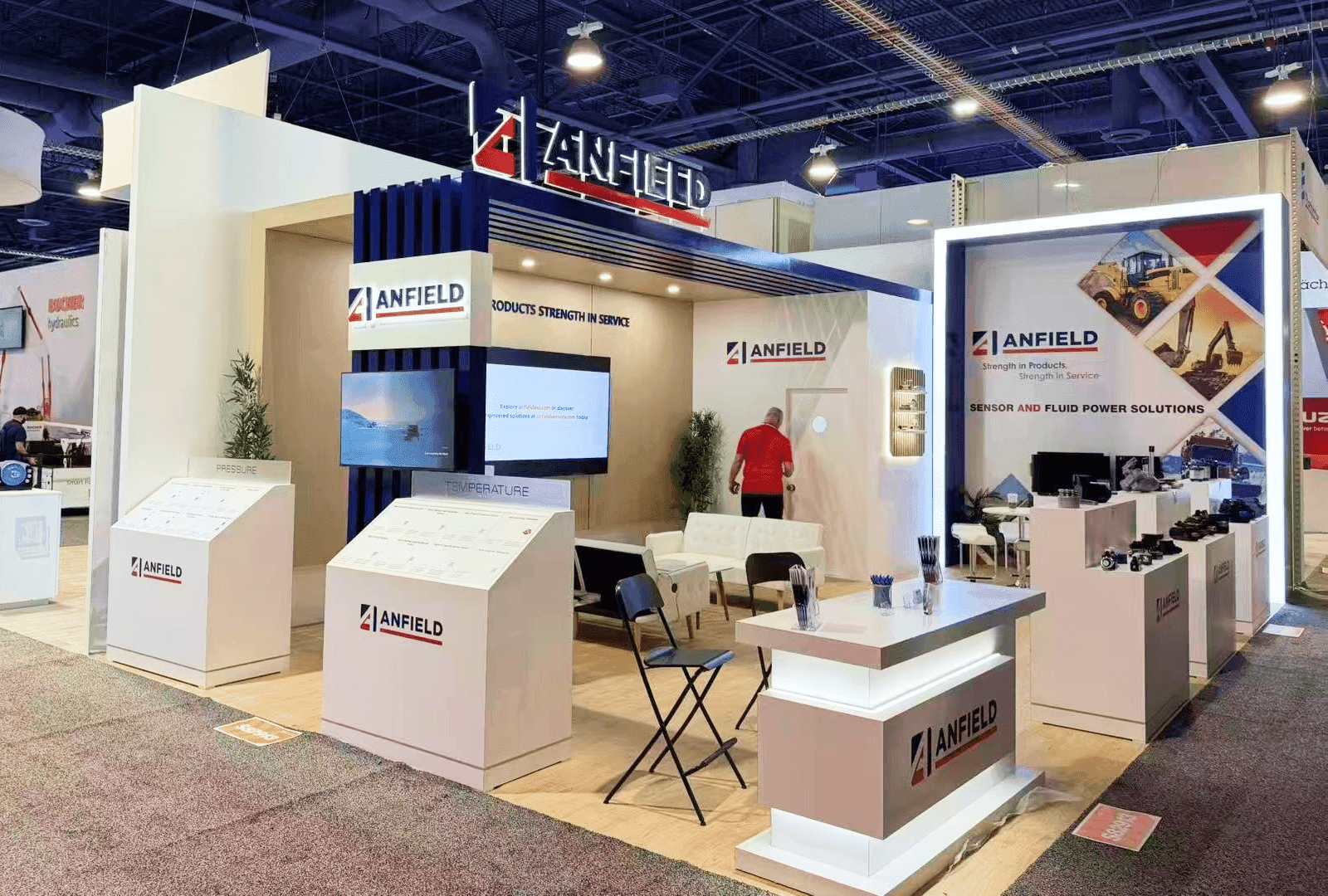
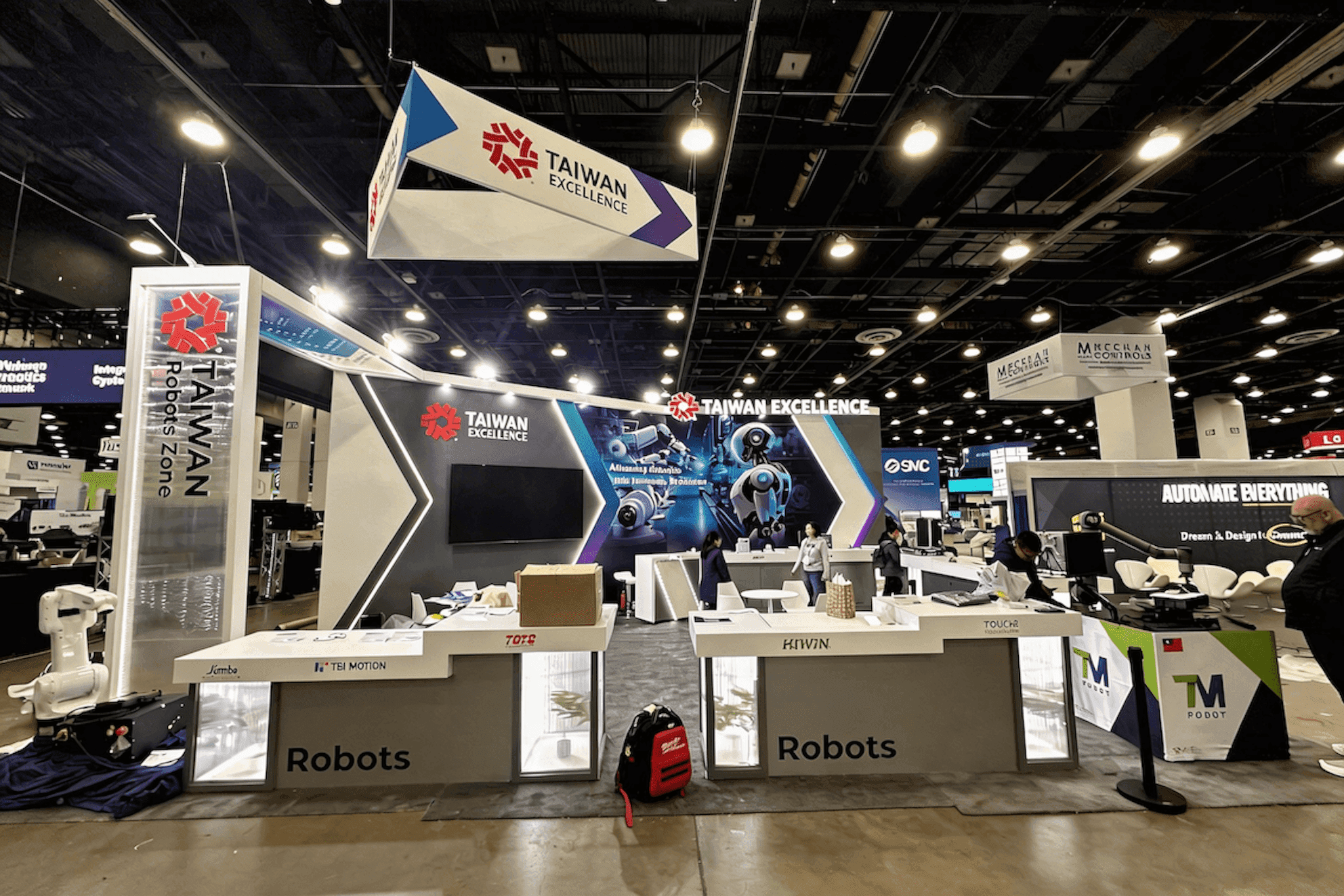
A portable grammar—typographic scale, color system, fascia rhythm—lets kits echo larger island booths. Visitors should recognize your brand whether they meet a 10×10 kiosk at a conference or a 30×30 island at a major expo. Cohesion compounds recognition; recognition lowers acquisition costs.
Conclusion
Portable done right is not a compromise; it’s a strategy. When speed meets retail logic and design discipline, pop-ups sell, learn, and scale—anywhere your calendar takes you.