Nov 26, 2025
Experience Engines: From Spectator to Participant


Circle Editor
Industry professionals
Exhibition industry professional dedicated to delivering the latest insights and curated recommendations to you.
Brands win when people don’t just look—they join. By aligning experiential marketing exhibits with signal-rich interactive booth technology and intentional custom exhibit design services , you can transform a booth into an “experience engine” that pulls visitors from curiosity to commitment.
Concent
Rethinking Attention: Design for Decisions
Trade shows compress time and choice. The most effective spaces design for decisions, not display. Map a three-stage path—discover, deepen, decide—and choreograph each with lighting rhythm, tactile contrast, and micro-wayfinding. This removes friction and raises the odds that a casual stop becomes a qualified conversation.
Translating Brand into Space
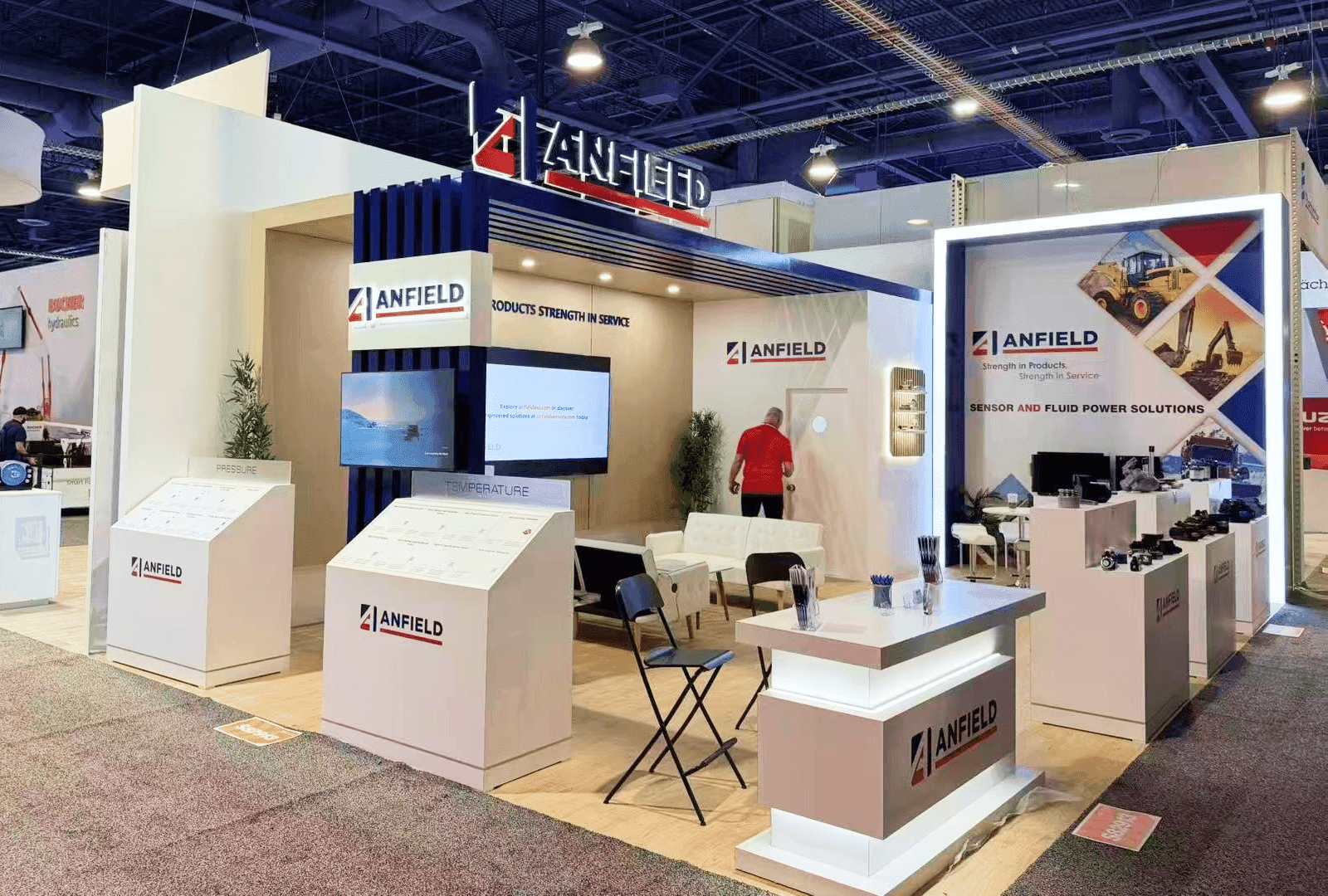
Identity becomes persuasive when it’s spatial. Through custom exhibit design services, convert values into form factors: fascia ratios that read from 10 meters, typographic scales that guide scanning behavior, and material grammars (matte minerals, warm veneers, brushed metal) that signal trust. Use “quiet thresholds” at entries, then raise energy toward the demo core, ending in seated zones for choices that matter.
Interactivity as the Human Interface
Screens and sensors should reduce effort, not add noise. Configure interactive booth technology as assisted selling: gesture comparisons to cut staff bottlenecks, RFID tables to reveal compatibility, motion-triggered cues to revive lulls. Keep a single content spine across canvases so facts, price logic, and story stay synchronized in every touchpoint.
Emotion That Endures
People remember how a space felt. Well-crafted experiential marketing exhibits layer sound softness, scent anchors, and camera-friendly light so memory forms easily. Stage a clear emotional arc—spark at the edge, immersion at the core, calm clarity where decisions happen. The goal is not just attention but attachment.
Playbooks, Not One-Offs
Turn learning into process. Nightly A/B test planograms, playlist pacing, and demo density; record outcomes in a shared kit so show two starts smarter than show one. Track metrics that matter: time-in-zone, scan-to-conversation ratio, theater-to-meeting flow, and post-show booking velocity.
Conclusion
An experience engine blends narrative, tech, and service into a single, low-friction journey. Do this well and your booth doesn’t merely display—it persuades.
Rethinking Attention: Design for Decisions
Trade shows compress time and choice. The most effective spaces design for decisions, not display. Map a three-stage path—discover, deepen, decide—and choreograph each with lighting rhythm, tactile contrast, and micro-wayfinding. This removes friction and raises the odds that a casual stop becomes a qualified conversation.
Translating Brand into Space
Identity becomes persuasive when it’s spatial. Through custom exhibit design services, convert values into form factors: fascia ratios that read from 10 meters, typographic scales that guide scanning behavior, and material grammars (matte minerals, warm veneers, brushed metal) that signal trust. Use “quiet thresholds” at entries, then raise energy toward the demo core, ending in seated zones for choices that matter.
Interactivity as the Human Interface
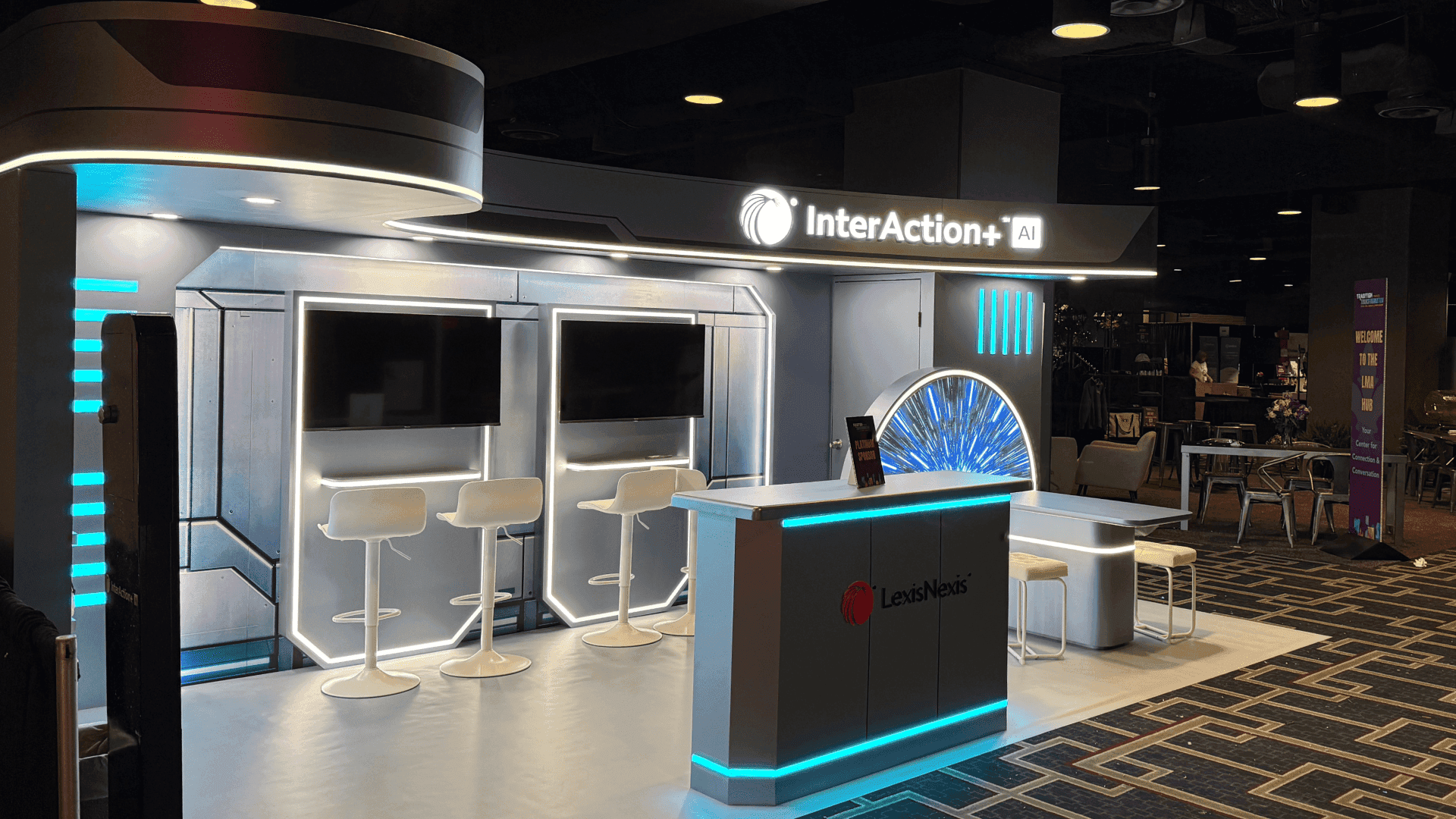
Screens and sensors should reduce effort, not add noise. Configure interactive booth technology as assisted selling: gesture comparisons to cut staff bottlenecks, RFID tables to reveal compatibility, motion-triggered cues to revive lulls. Keep a single content spine across canvases so facts, price logic, and story stay synchronized in every touchpoint.
Emotion That Endures
People remember how a space felt. Well-crafted experiential marketing exhibits layer sound softness, scent anchors, and camera-friendly light so memory forms easily. Stage a clear emotional arc—spark at the edge, immersion at the core, calm clarity where decisions happen. The goal is not just attention but attachment.
Playbooks, Not One-Offs
Turn learning into process. Nightly A/B test planograms, playlist pacing, and demo density; record outcomes in a shared kit so show two starts smarter than show one. Track metrics that matter: time-in-zone, scan-to-conversation ratio, theater-to-meeting flow, and post-show booking velocity.
Conclusion
An experience engine blends narrative, tech, and service into a single, low-friction journey. Do this well and your booth doesn’t merely display—it persuades.
Message
Leave your message and we will get back to you ASAP
Send a Message
We’ll Be in Touch!
Message
Leave your message and we will get back to you ASAP
Address:
4935 Steptoe Street #300
Las Vegas, NV 89122