retail display design services, interactive booth technology, pop-up display solutions

Nov 17, 2025

Retail Thinking for Trade Shows: Converting Footfall into Revenue

Retail Thinking for Trade Shows: Converting Footfall into Revenue


Circle Exhibit Team

Industry professionals

Exhibition industry professional dedicated to delivering the latest insights and curated recommendations to you.

Exhibition industry professional dedicated to delivering the latest insights and curated recommendations to you.

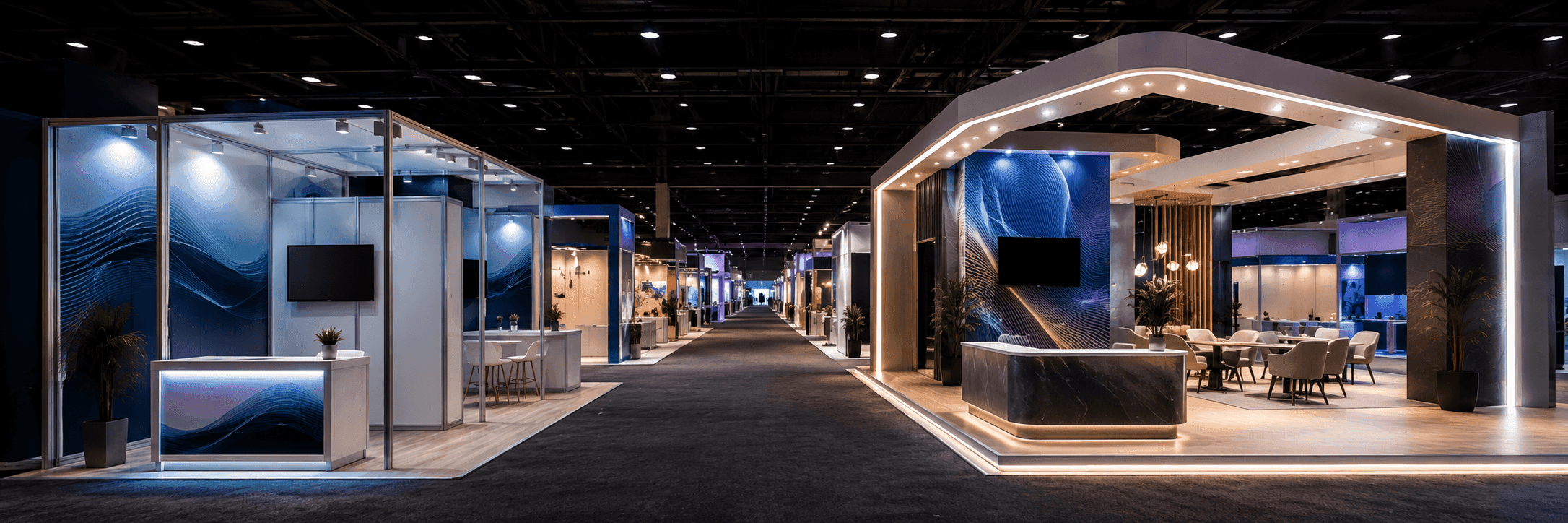
Trade show floors reward brands that think like merchants. By combining retail display design services with interactive booth technology and agile pop-up display solutions , you can transform a booth into a high-conversion micro-store—complete with planograms, guided traffic loops, dwell-time analysis, and frictionless calls-to-action.

Trade show floors reward brands that think like merchants. By combining retail display design services with interactive booth technology and agile pop-up display solutions , you can transform a booth into a high-conversion micro-store—complete with planograms, guided traffic loops, dwell-time analysis, and frictionless calls-to-action.

Trade show floors reward brands that think like merchants. By combining retail display design services with interactive booth technology and agile pop-up display solutions , you can transform a booth into a high-conversion micro-store—complete with planograms, guided traffic loops, dwell-time analysis, and frictionless calls-to-action.

The retail mindset on an expo floor
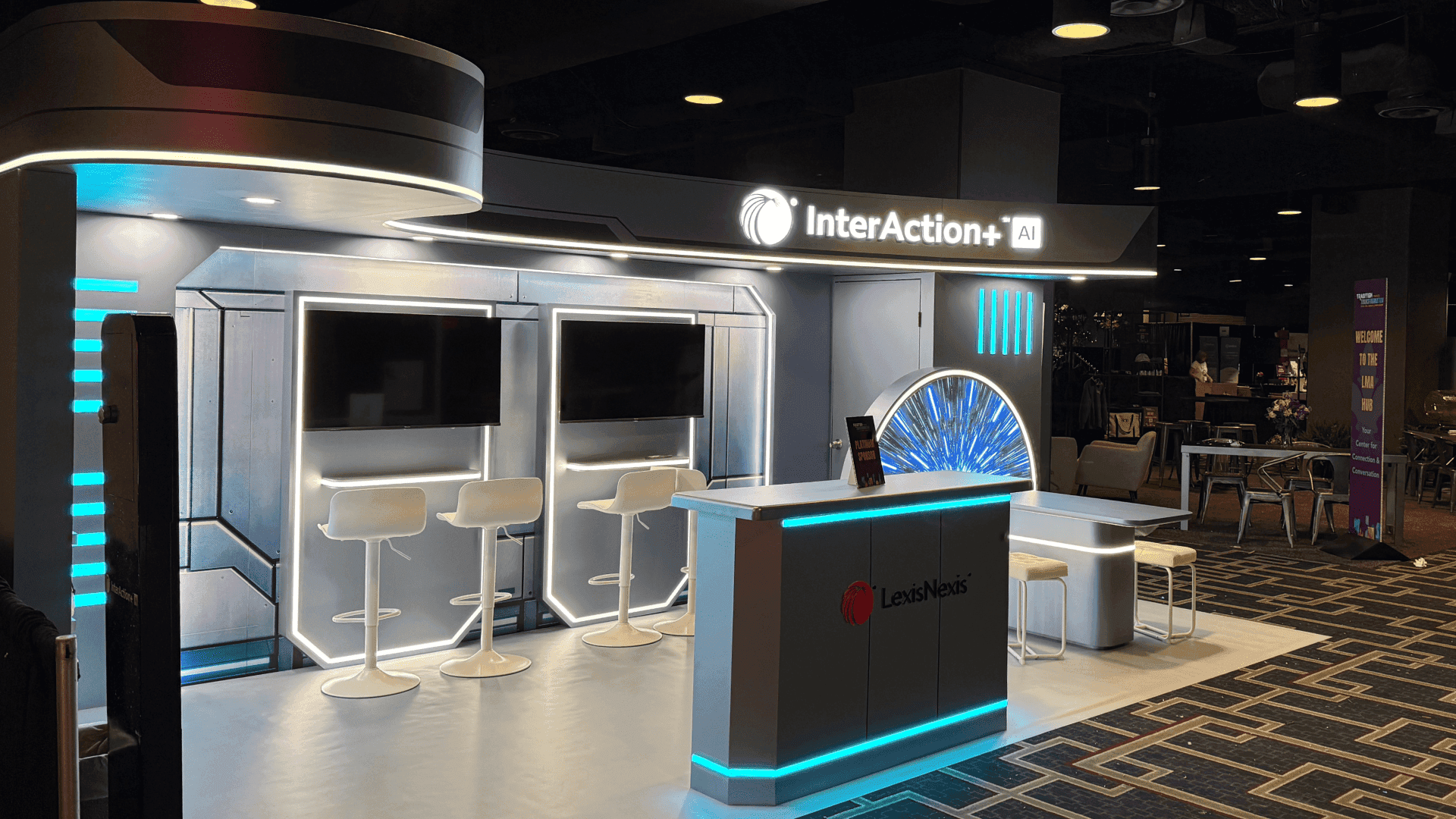
Retail logic treats the booth as a staged customer journey. You map “window appeal” at the aisle edge, move to “discovery bays,” and end in “decision corners” with clear next steps. Long-tail tactics include hero-product pyramids, end-cap demo pods, cross-sell pairings, silent storytelling through lighting gradients, and NFC “save-for-later” tags that capture intent without pressuring a purchase.

Zoning and wayfinding that sell without speaking
Start with a 360-viewable façade that functions like a storefront. Use diagonal aisles to pull people inward, keep high-touch demos slightly off the main path to reduce congestion, and place conversion CTAs at the emotional peak—after product handling or a short guided demo. Wayfinding tools—floor rhythm, ceiling beacons, and subtle scent anchors—reinforce direction without signage clutter.

Interactivity as assisted selling
Interactive systems act like knowledgeable associates. Gesture-driven screens let visitors compare specs independently; RFID tables reveal compatible accessories; motion-triggered light draws focus to higher-margin SKUs. Tie interactions to a single content spine so narrative, product facts, and pricing logic stay consistent across all touchpoints.

Merchandising math for exhibitions
Borrow KPIs from retail: product exposure rate, scan-to-conversation ratio, assisted-demo uptake, and QR continuation rate. A/B test planograms across multi-day shows—swap graphic hierarchies, adjust shelf heights, and measure shift in “time-to-engagement.” Use heatmaps to validate tweaks rather than guessing.

Pop-up speed, flagship quality
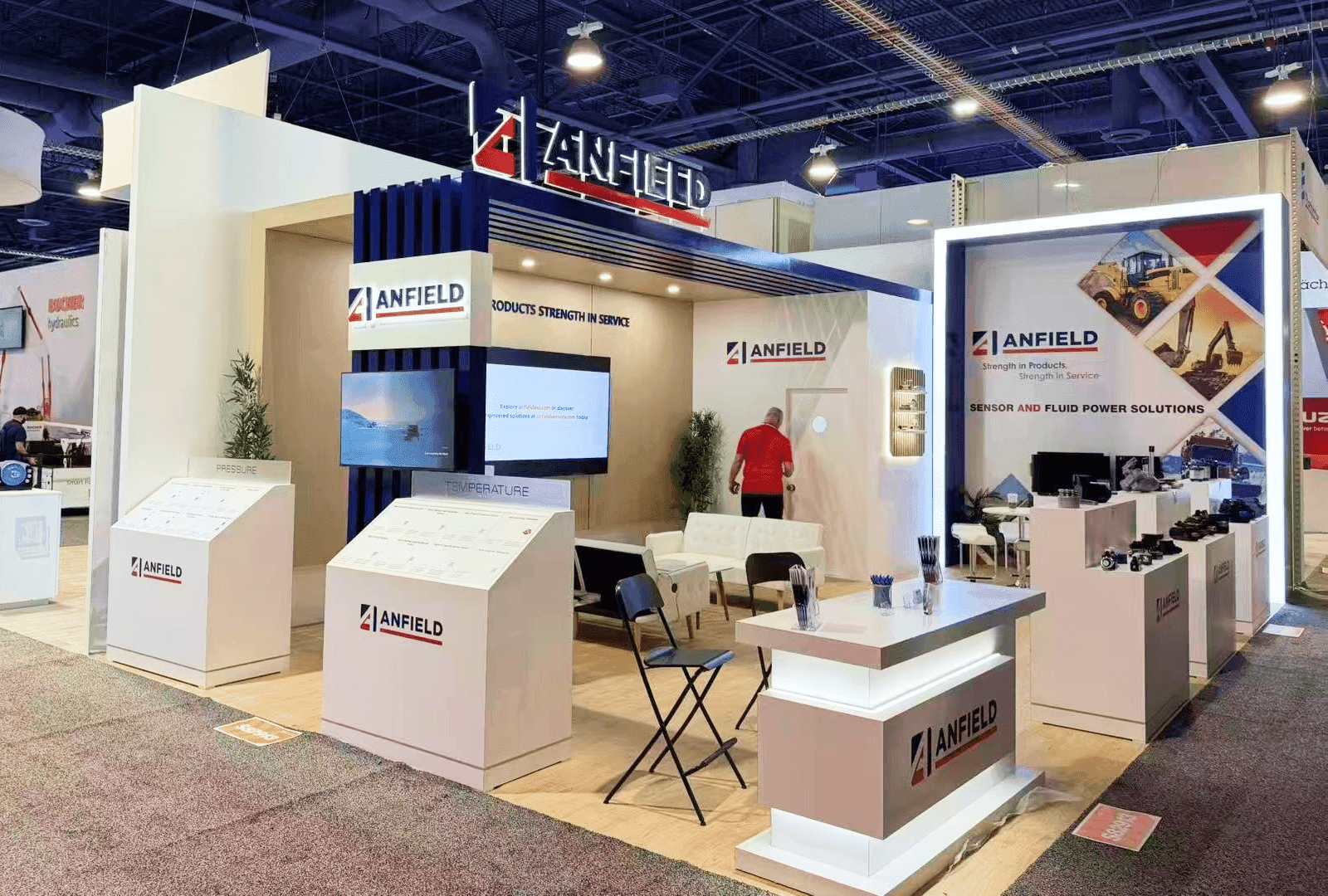
Portable frames with tension fabric, SEG graphics, and magnetic rails enable premium finish without heavy infrastructure. Tool-less locks, color-coded connectors, and shadow-board packing reduce install to minutes per module. Long-tail enhancements—battery accent lights, cable-spine shelves, tablet cradles—keep the setup clean and retail-grade.

From curiosity to conversion
Design a frictionless endgame: tap-to-save brochures, calendar booking kiosks for post-show calls, and “bundle builders” that visualize packages in real time. Use soft exits (email receipt for saved kits) so leads continue online. The goal is not just capturing contacts, but preserving momentum.

Sustainability that shoppers feel
Replace single-use prints with reusable skins and digital menus. Offer “materials stories” cards explaining recycled aluminum, low-VOC inks, and energy-managed lighting—transparency builds trust and elevates perceived value.

Conclusion
When you apply retail thinking to exhibition design, every square foot works like shelf space: attracting, educating, and converting. The result is a booth that behaves like a store—memorable, measurable, and scalable.
The retail mindset on an expo floor
Retail logic treats the booth as a staged customer journey. You map “window appeal” at the aisle edge, move to “discovery bays,” and end in “decision corners” with clear next steps. Long-tail tactics include hero-product pyramids, end-cap demo pods, cross-sell pairings, silent storytelling through lighting gradients, and NFC “save-for-later” tags that capture intent without pressuring a purchase.

Zoning and wayfinding that sell without speaking
Start with a 360-viewable façade that functions like a storefront. Use diagonal aisles to pull people inward, keep high-touch demos slightly off the main path to reduce congestion, and place conversion CTAs at the emotional peak—after product handling or a short guided demo. Wayfinding tools—floor rhythm, ceiling beacons, and subtle scent anchors—reinforce direction without signage clutter.

Interactivity as assisted selling
Interactive systems act like knowledgeable associates. Gesture-driven screens let visitors compare specs independently; RFID tables reveal compatible accessories; motion-triggered light draws focus to higher-margin SKUs. Tie interactions to a single content spine so narrative, product facts, and pricing logic stay consistent across all touchpoints.

Merchandising math for exhibitions
Borrow KPIs from retail: product exposure rate, scan-to-conversation ratio, assisted-demo uptake, and QR continuation rate. A/B test planograms across multi-day shows—swap graphic hierarchies, adjust shelf heights, and measure shift in “time-to-engagement.” Use heatmaps to validate tweaks rather than guessing.

Pop-up speed, flagship quality
Portable frames with tension fabric, SEG graphics, and magnetic rails enable premium finish without heavy infrastructure. Tool-less locks, color-coded connectors, and shadow-board packing reduce install to minutes per module. Long-tail enhancements—battery accent lights, cable-spine shelves, tablet cradles—keep the setup clean and retail-grade.

From curiosity to conversion
Design a frictionless endgame: tap-to-save brochures, calendar booking kiosks for post-show calls, and “bundle builders” that visualize packages in real time. Use soft exits (email receipt for saved kits) so leads continue online. The goal is not just capturing contacts, but preserving momentum.

Sustainability that shoppers feel
Replace single-use prints with reusable skins and digital menus. Offer “materials stories” cards explaining recycled aluminum, low-VOC inks, and energy-managed lighting—transparency builds trust and elevates perceived value.

Conclusion
When you apply retail thinking to exhibition design, every square foot works like shelf space: attracting, educating, and converting. The result is a booth that behaves like a store—memorable, measurable, and scalable.
Message

Leave your message and we will get back to you ASAP

Send a Message

We’ll Be in Touch!

Message

Leave your message and we will get back to you ASAP

If you’re ready to shape the future with us, your journey could start here.

If you’re ready to shape the future with us, your journey could start here.

If you’re ready to shape the future with us, your journey could start here.

Address:

4935 Steptoe Street #300

Las Vegas, NV 89122