Dec 3, 2025
Design Once, Reuse Smart: Sustainable Systems with Custom Fit


Circle Editor
Industry professionals
Exhibition industry professional dedicated to delivering the latest insights and curated recommendations to you.
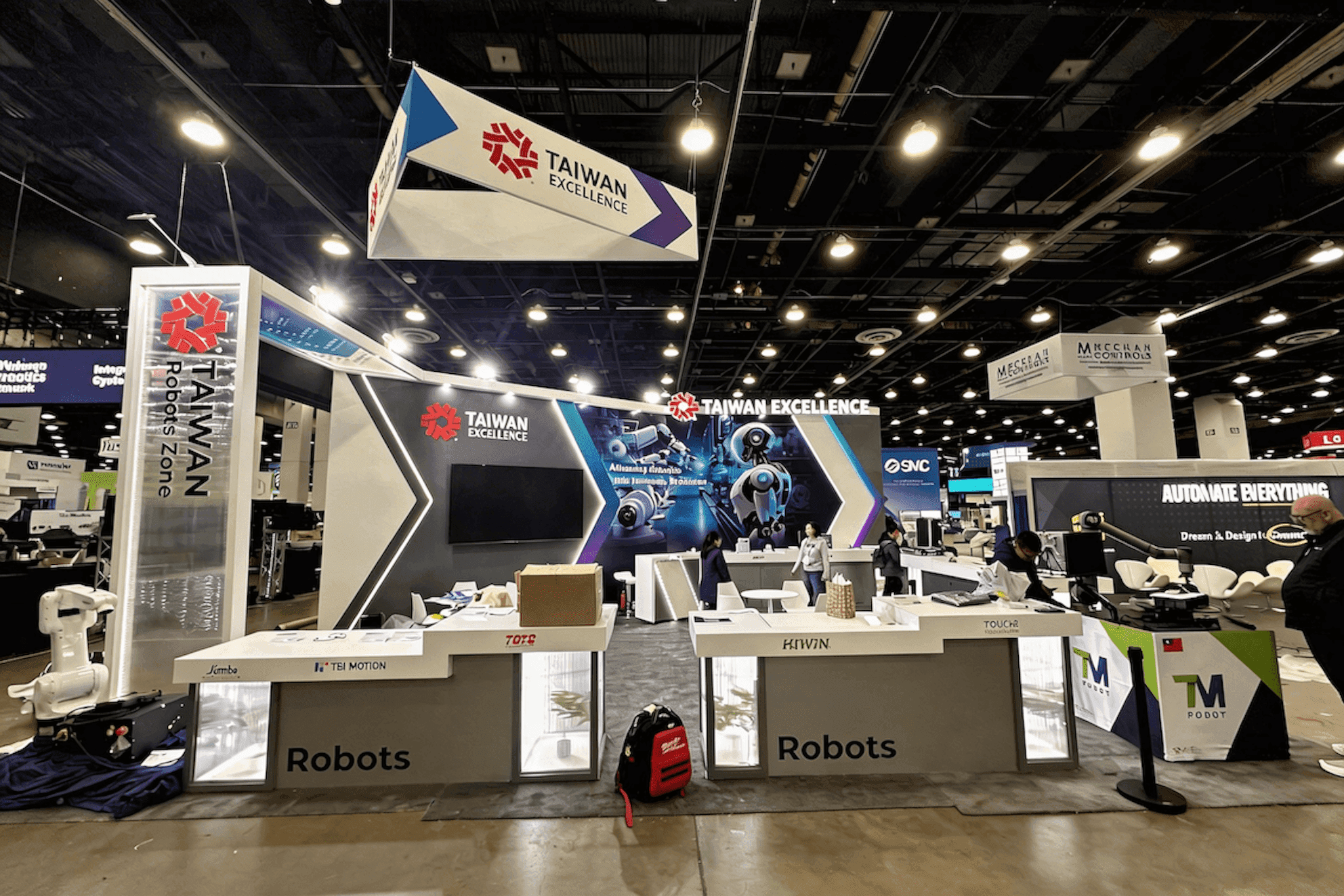
Sustainability is credible when it looks refined and works repeatedly. By combining durable modular exhibit systems with verifiable eco-friendly exhibit solutions and intentional custom exhibit design services , brands build kits that reconfigure fast, travel light, and still feel unmistakably on-brand.
Concent
Architecture that learns
A kit-of-parts—extrusions, SEG lightboxes, magnetic rails—serves as backbone. Standardize panel widths, color-coded connectors, and graphic tile sizes so crews can reweight planograms overnight: shift a hero wall to a busier aisle, open sightlines where congestion forms, or convert deep dives to samplers when queues spike. This is the operational promise of well-engineered modular exhibit systems.
Materials you can show and count
Recycled aluminum rates, FSC wood veneers, low-VOC inks, and PET-based textiles turn responsibility into a tactile experience. Publish a micro “impact ledger” in the lounge—reuse cycles per component, LED kWh draw, crate density, and estimated freight savings from flat-pack. These specifics are the measurable center of your eco-friendly exhibit solutions and the talking points procurement-led buyers remember.
Custom fit avoids the “kit look”
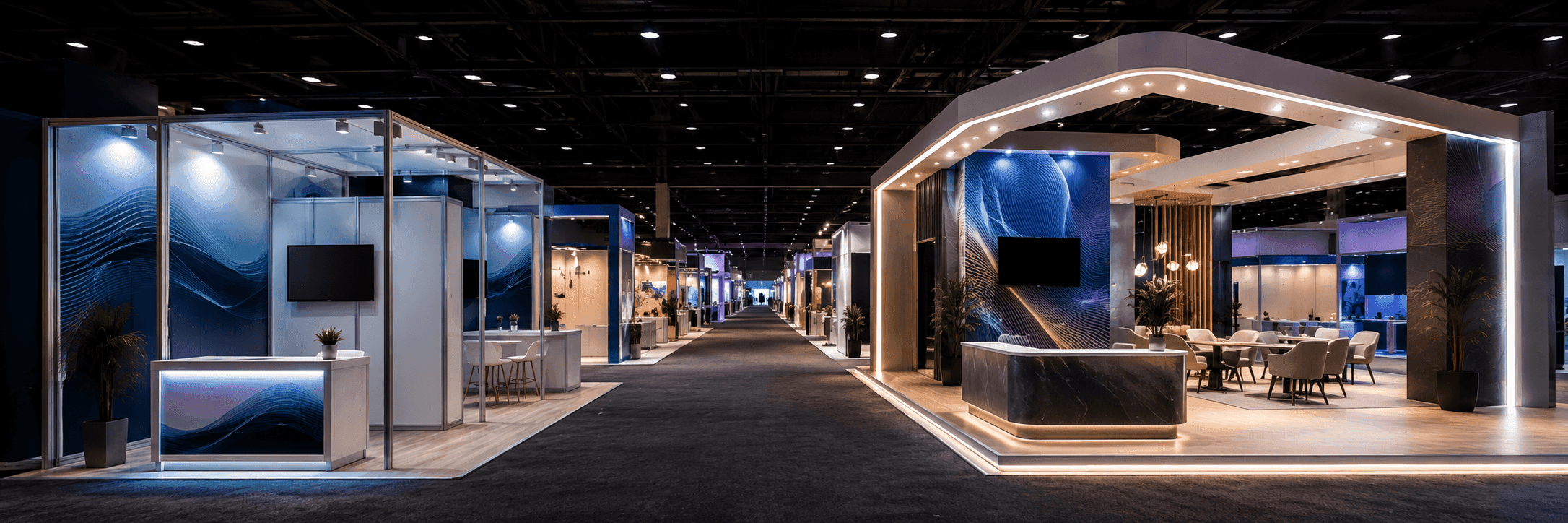
System does not mean generic. Through rigorous custom exhibit design services, encode brand DNA into a reusable grammar—typographic scales, fascia ratios, light temperatures, and acoustic standards—then layer signature details (material accents, edge profiles, micro-wayfinding) so a 10×10 kiosk and a 40×40 island read as the same voice at different volumes.
Comfort and clarity as ESG advantages
Sustainable choices also improve experience: fabric baffles soften noise, warm LEDs reduce eye strain, and matte laminates prevent glare in phone video. Digitized brochures (tap-to-save) and modular claddings (re-skin instead of re-make) cut waste while keeping visuals fresh—operational moves that show up in both the carbon ledger and the lead ledger.
Metrics that steer the next build
Measure install hours per square meter, reuse ratio per component, carbon per square meter, and time-in-zone by layout. Tie thresholds to approvals so evidence—not opinion—drives design tweaks. Over time, the system learns; costs drop; quality rises.
Conclusion
Design once, reuse smart, and refine continuously. With modular structure, honest materials, and custom grammar, you get a booth that is lighter to ship, faster to build, and stronger at persuading—again and again.
Architecture that learns
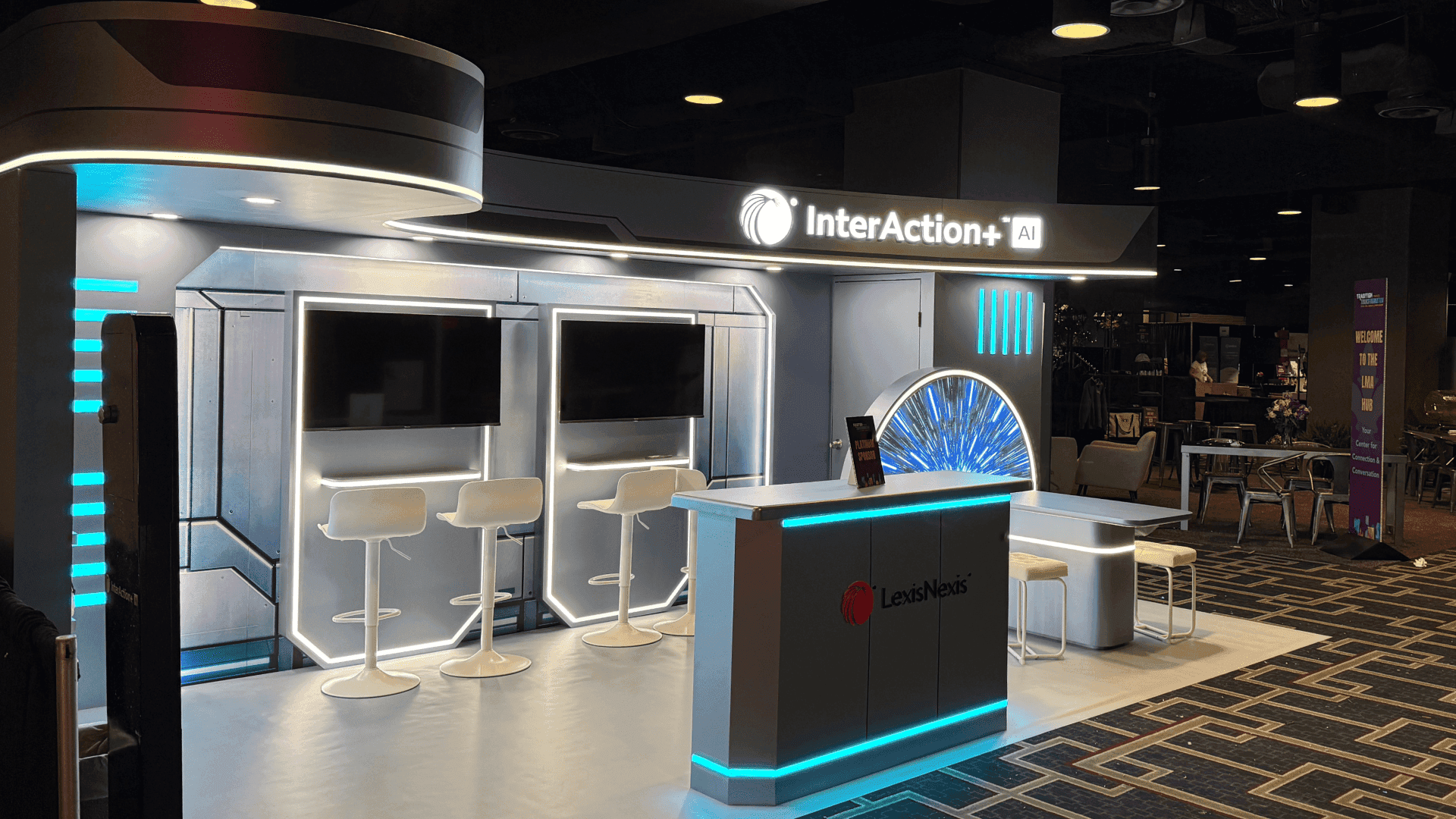
A kit-of-parts—extrusions, SEG lightboxes, magnetic rails—serves as backbone. Standardize panel widths, color-coded connectors, and graphic tile sizes so crews can reweight planograms overnight: shift a hero wall to a busier aisle, open sightlines where congestion forms, or convert deep dives to samplers when queues spike. This is the operational promise of well-engineered modular exhibit systems.
Materials you can show and count
Recycled aluminum rates, FSC wood veneers, low-VOC inks, and PET-based textiles turn responsibility into a tactile experience. Publish a micro “impact ledger” in the lounge—reuse cycles per component, LED kWh draw, crate density, and estimated freight savings from flat-pack. These specifics are the measurable center of your eco-friendly exhibit solutions and the talking points procurement-led buyers remember.
Custom fit avoids the “kit look”
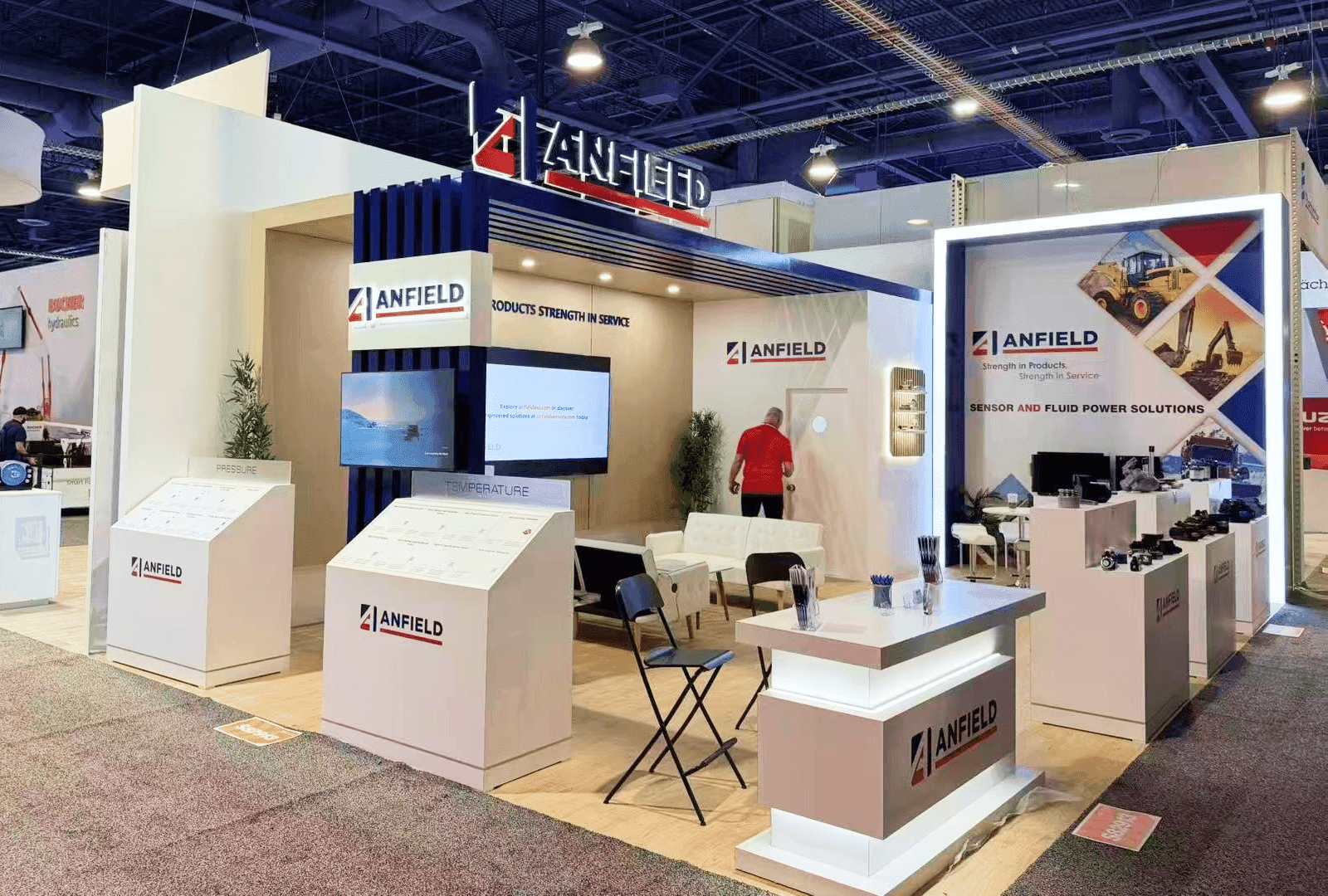
System does not mean generic. Through rigorous custom exhibit design services, encode brand DNA into a reusable grammar—typographic scales, fascia ratios, light temperatures, and acoustic standards—then layer signature details (material accents, edge profiles, micro-wayfinding) so a 10×10 kiosk and a 40×40 island read as the same voice at different volumes.
Comfort and clarity as ESG advantages
Sustainable choices also improve experience: fabric baffles soften noise, warm LEDs reduce eye strain, and matte laminates prevent glare in phone video. Digitized brochures (tap-to-save) and modular claddings (re-skin instead of re-make) cut waste while keeping visuals fresh—operational moves that show up in both the carbon ledger and the lead ledger.
Metrics that steer the next build
Measure install hours per square meter, reuse ratio per component, carbon per square meter, and time-in-zone by layout. Tie thresholds to approvals so evidence—not opinion—drives design tweaks. Over time, the system learns; costs drop; quality rises.
Conclusion
Design once, reuse smart, and refine continuously. With modular structure, honest materials, and custom grammar, you get a booth that is lighter to ship, faster to build, and stronger at persuading—again and again.
Message
Leave your message and we will get back to you ASAP
Send a Message
We’ll Be in Touch!
Message
Leave your message and we will get back to you ASAP
Address:
4935 Steptoe Street #300
Las Vegas, NV 89122