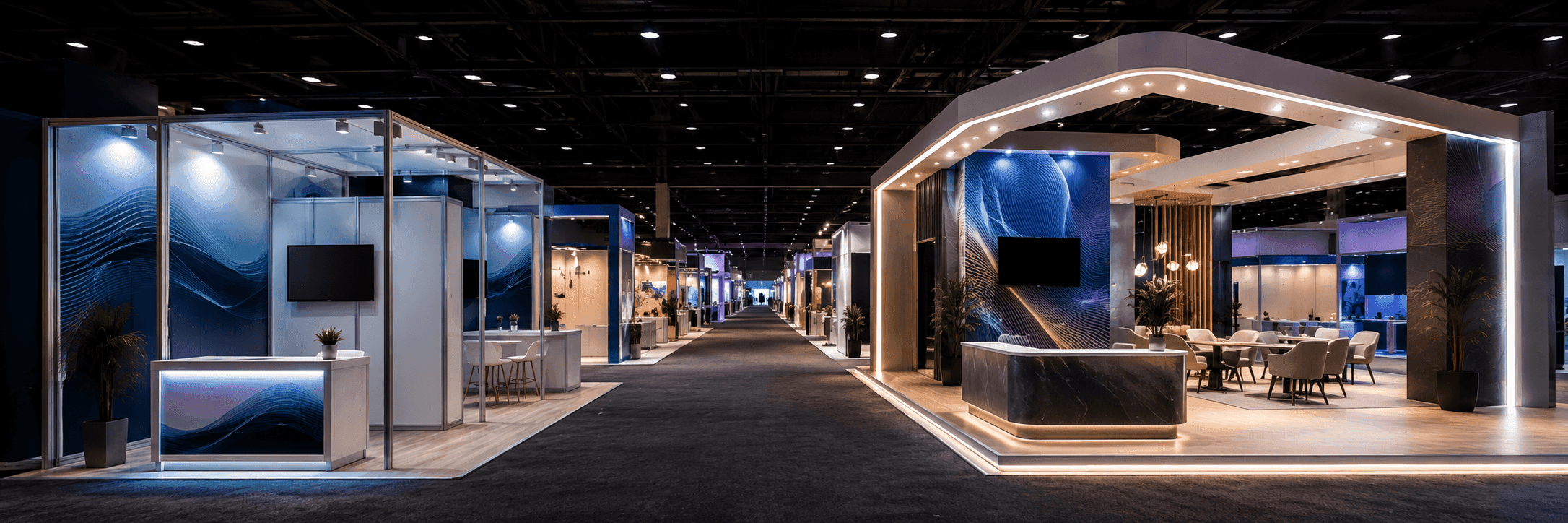
exhibit program management, interactive booth technology, modular exhibit systems

Nov 18, 2025

Data-Driven Exhibits: Program, Tech, and Modular Agility

Data-Driven Exhibits: Program, Tech, and Modular Agility


Circle Exhibit Team

Industry professionals

Exhibition industry professional dedicated to delivering the latest insights and curated recommendations to you.

Exhibition industry professional dedicated to delivering the latest insights and curated recommendations to you.

Exhibition performance is no longer guesswork. By uniting exhibit program management with interactive booth technology and modular exhibit systems , brands can test, learn, and adapt on the fly—turning show floors into live laboratories. Long-tail practices such as pre-show lead scoring, heatmap-guided zoning, and tool-less reconfiguration let teams iterate from day one to day three without sacrificing visual coherence.

Exhibition performance is no longer guesswork. By uniting exhibit program management with interactive booth technology and modular exhibit systems , brands can test, learn, and adapt on the fly—turning show floors into live laboratories. Long-tail practices such as pre-show lead scoring, heatmap-guided zoning, and tool-less reconfiguration let teams iterate from day one to day three without sacrificing visual coherence.

Exhibition performance is no longer guesswork. By uniting exhibit program management with interactive booth technology and modular exhibit systems , brands can test, learn, and adapt on the fly—turning show floors into live laboratories. Long-tail practices such as pre-show lead scoring, heatmap-guided zoning, and tool-less reconfiguration let teams iterate from day one to day three without sacrificing visual coherence.

From calendar to control: the program mindset

A program approach treats each show as a chapter in one story. Centralized roadmaps align budgets, content spines, and target segments across quarters. Asset libraries, CAD templates, and message matrices prevent reinvention. With a shared KPI slate—qualified conversations per hour, demo uptake, and post-show booking velocity—creative choices become measurable bets instead of aesthetic hunches.

Sensing the crowd: interactivity as insight

Interactivity is more than spectacle; it is a sensor network. Motion-triggered canvases reveal dwell clusters; gesture walls track engagement depth; RFID tables uncover product affinity. Pair these with zero-friction capture (tap-to-save brochures, QR to calendar) and a privacy-first analytics layer. The payoff: real-time signals that guide staffing, content rotations, and run-of-show timing. When lines form, shift screen playlists to fast-demo modes; when attention dips, trigger high-contrast motion stingers.

Layouts that evolve mid-show

Static booths waste learning. A modular kit-of-parts—extrusions, SEG lightboxes, magnetic rails—lets you re-weight the planogram overnight. Move a hero wall to face a high-traffic aisle. Swap a deep-dive demo for a sampler bar if curiosity exceeds capacity. Pre-label crates by scenario (“Crowd Control,” “Quiet Zones,” “Hospitality Overflow”) so reconfiguration is under 30 minutes. This is agile spatial design: test, measure, adapt.

Content spines and narrative arcs

Design the information journey like a screenplay: hook, depth, decision. A single content spine keeps copy, animation pacing, and CTAs consistent across displays and devices. Long-tail touches—subtitle-first videos for noisy halls, low-nits loops for power savings, vertical cuts for social capture—extend reach beyond the carpet.

Team choreography and service scripts

Great data dies without behavior change. Define roles (greeter, qualifier, demo lead, closer) and write micro-scripts tied to signal thresholds (“over 90 seconds in zone → offer guided demo”). Establish a one-tap CRM note template (objection, fit, next step) so quality doesn’t rely on memory. Post-show, feed notes into opportunity tiers and kick off nurture tracks within 24 hours.

Sustainability that improves operations

Reusable frame libraries and standardized crates reduce both waste and variance. Track “install hours per square meter,” “freight emissions per cycle,” and “reuse ratio” alongside marketing KPIs. Operational efficiency and ESG progress are not competing goals; they compound.

Conclusion

When program thinking, interactivity, and modularity converge, the booth becomes a learning system. You don’t just present—you optimize. The result is momentum you can measure and replicate.
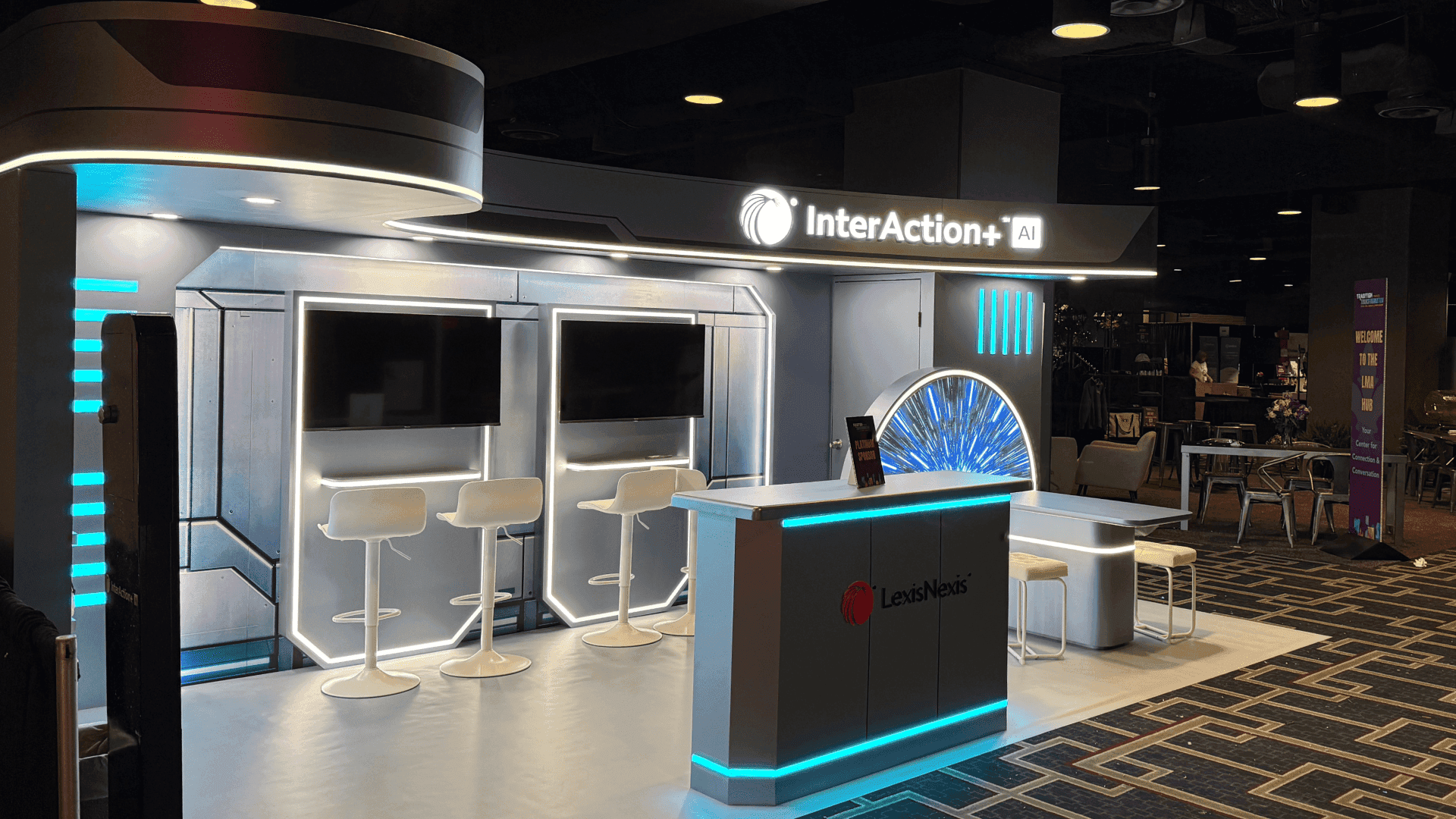
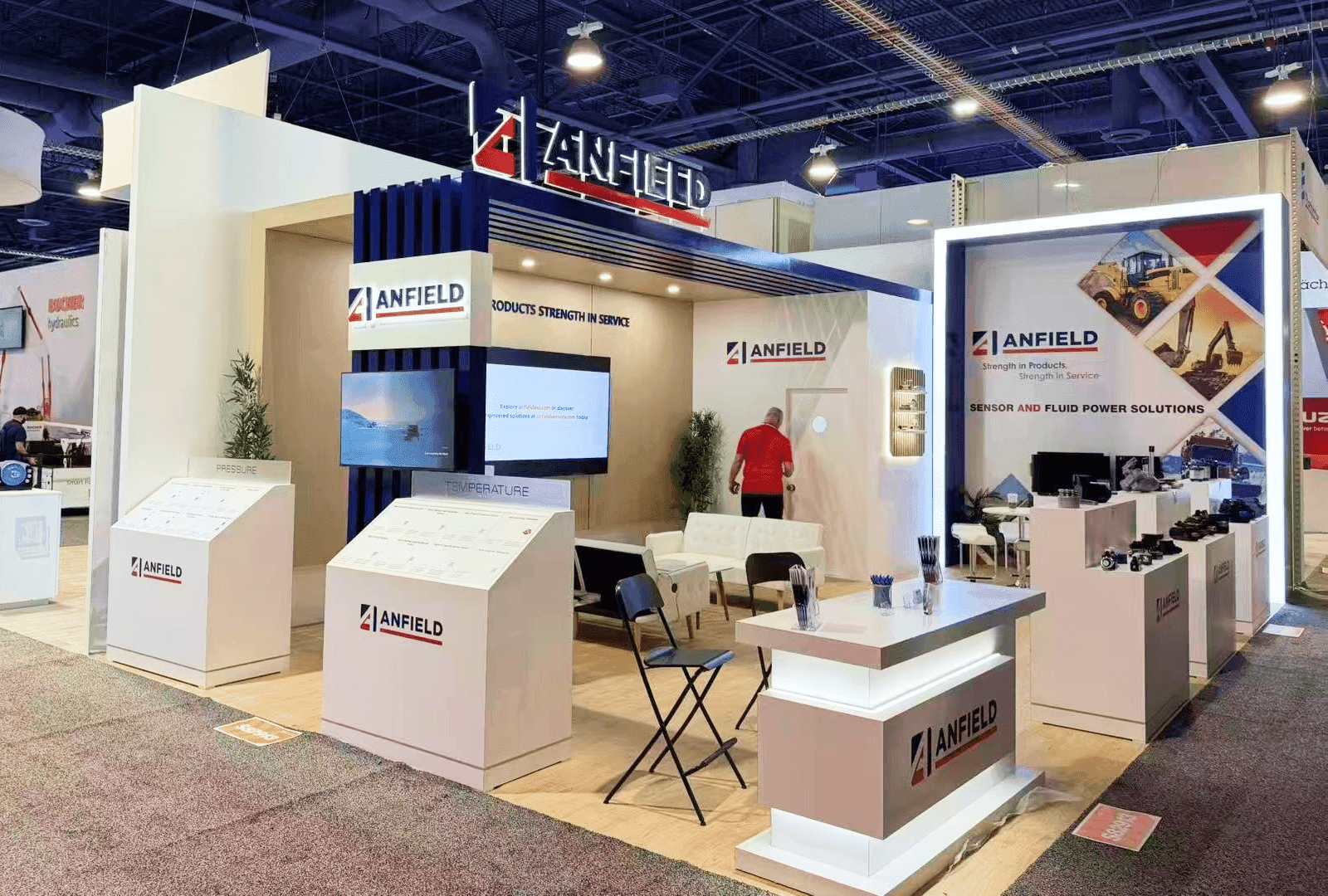
From calendar to control: the program mindset

A program approach treats each show as a chapter in one story. Centralized roadmaps align budgets, content spines, and target segments across quarters. Asset libraries, CAD templates, and message matrices prevent reinvention. With a shared KPI slate—qualified conversations per hour, demo uptake, and post-show booking velocity—creative choices become measurable bets instead of aesthetic hunches.

Sensing the crowd: interactivity as insight

Interactivity is more than spectacle; it is a sensor network. Motion-triggered canvases reveal dwell clusters; gesture walls track engagement depth; RFID tables uncover product affinity. Pair these with zero-friction capture (tap-to-save brochures, QR to calendar) and a privacy-first analytics layer. The payoff: real-time signals that guide staffing, content rotations, and run-of-show timing. When lines form, shift screen playlists to fast-demo modes; when attention dips, trigger high-contrast motion stingers.

Layouts that evolve mid-show

Static booths waste learning. A modular kit-of-parts—extrusions, SEG lightboxes, magnetic rails—lets you re-weight the planogram overnight. Move a hero wall to face a high-traffic aisle. Swap a deep-dive demo for a sampler bar if curiosity exceeds capacity. Pre-label crates by scenario (“Crowd Control,” “Quiet Zones,” “Hospitality Overflow”) so reconfiguration is under 30 minutes. This is agile spatial design: test, measure, adapt.

Content spines and narrative arcs

Design the information journey like a screenplay: hook, depth, decision. A single content spine keeps copy, animation pacing, and CTAs consistent across displays and devices. Long-tail touches—subtitle-first videos for noisy halls, low-nits loops for power savings, vertical cuts for social capture—extend reach beyond the carpet.

Team choreography and service scripts

Great data dies without behavior change. Define roles (greeter, qualifier, demo lead, closer) and write micro-scripts tied to signal thresholds (“over 90 seconds in zone → offer guided demo”). Establish a one-tap CRM note template (objection, fit, next step) so quality doesn’t rely on memory. Post-show, feed notes into opportunity tiers and kick off nurture tracks within 24 hours.

Sustainability that improves operations

Reusable frame libraries and standardized crates reduce both waste and variance. Track “install hours per square meter,” “freight emissions per cycle,” and “reuse ratio” alongside marketing KPIs. Operational efficiency and ESG progress are not competing goals; they compound.

Conclusion

When program thinking, interactivity, and modularity converge, the booth becomes a learning system. You don’t just present—you optimize. The result is momentum you can measure and replicate.
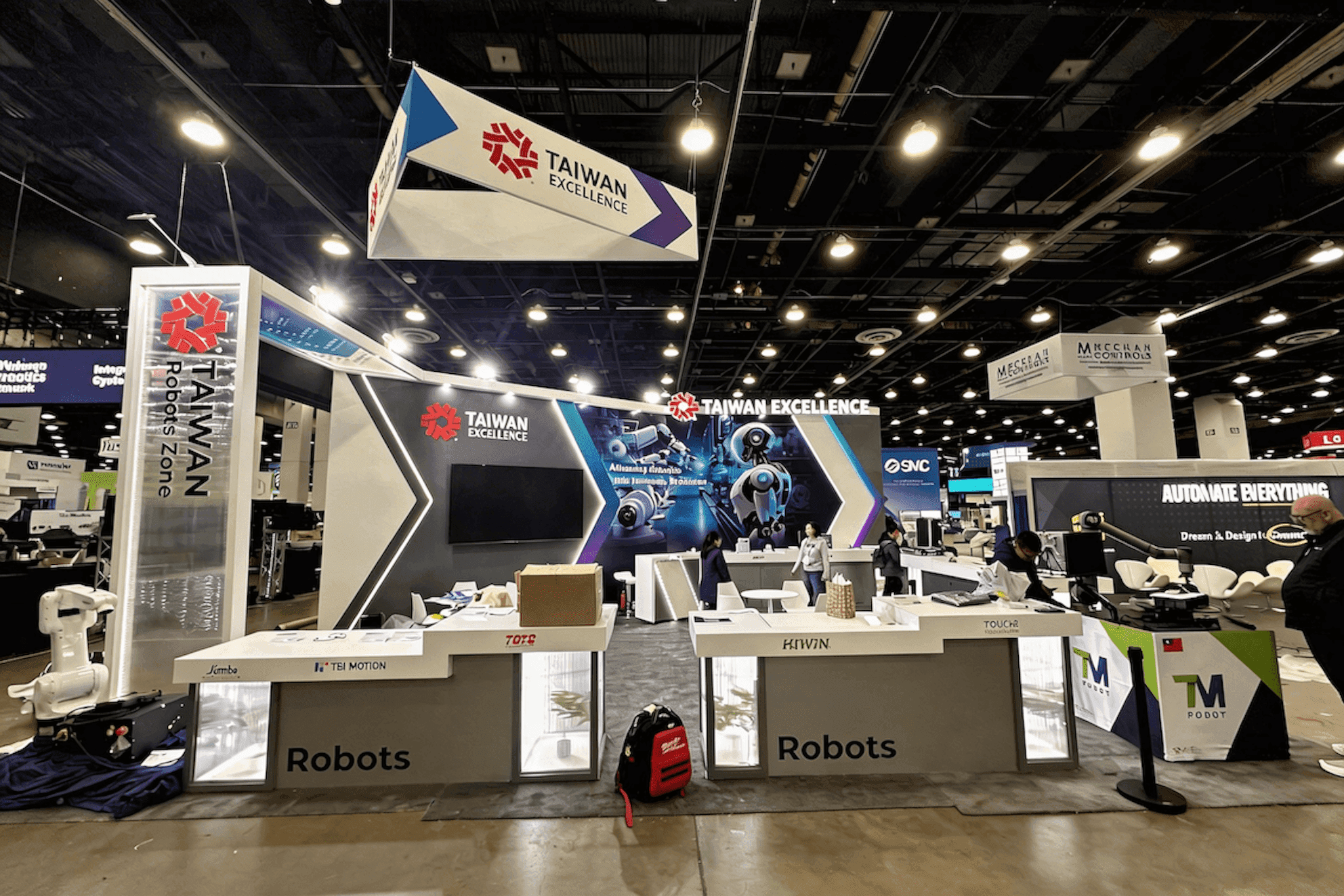
Message

Leave your message and we will get back to you ASAP

Send a Message

We’ll Be in Touch!

Message

Leave your message and we will get back to you ASAP

If you’re ready to shape the future with us, your journey could start here.

If you’re ready to shape the future with us, your journey could start here.

If you’re ready to shape the future with us, your journey could start here.

Address:

4935 Steptoe Street #300

Las Vegas, NV 89122